Science and Culture Today Discovering Design in Nature
Topic

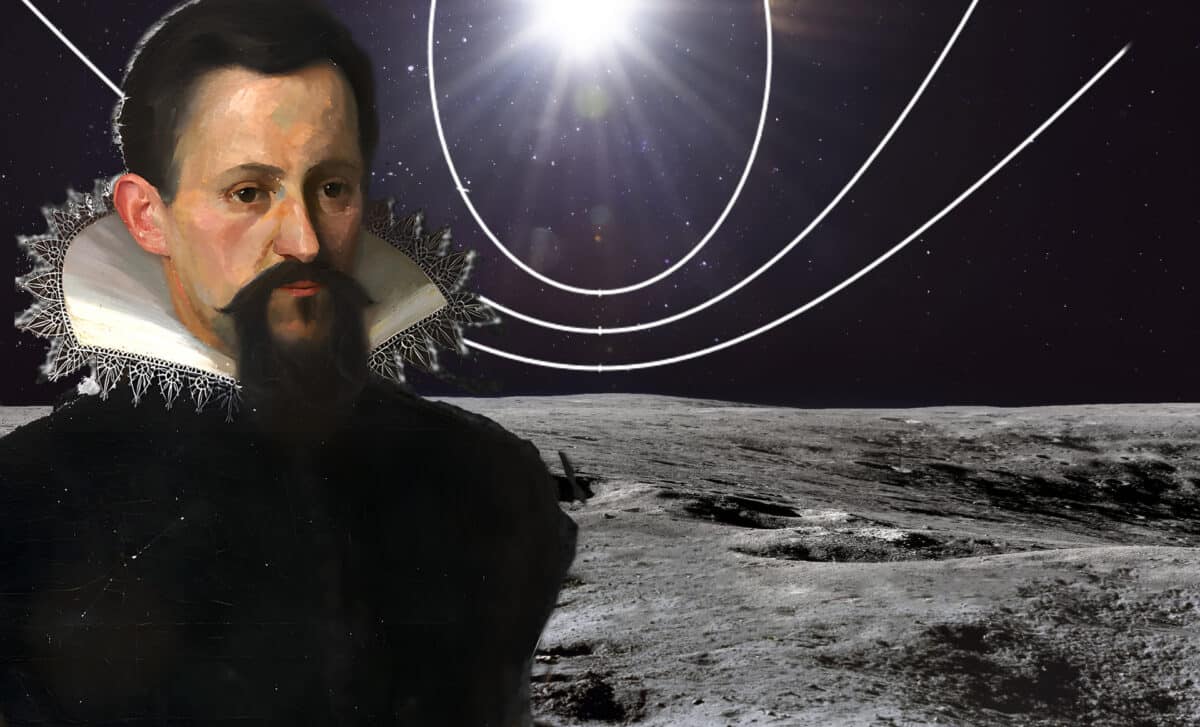
Johannes Kepler

plant-genetics
Photo credit: Dominicus Johannes Bergsma, CC BY-SA 4.0 <https://creativecommons.org/licenses/by-sa/4.0>, via Wikimedia Commons.

In Science, Faith Can Improve Rigor and Creativity

Contrary to the prevailing view, plant geneticist Richard Buggs says his Christian faith motivates his research. Read More ›
Krakow-Collegium_Novum

Methodological Naturalism as Religion in Disguise

If the data points to outcomes that natural causes can't explain, then ruling out supernatural causes is not scientific humility — it’s religious dogma. Read More ›
Cucullie_de_la_scrofulaire_MHNT_Chenille
Photo source: Muséum de Toulouse, CC BY-SA 3.0 <https://creativecommons.org/licenses/by-sa/3.0>, via Wikimedia Commons.

Biologist Michael Levin Is at It Again, Now Pushing at the Mind-Brain Equation

When caterpillars are in their chrysalises, their brains physically dissolve (along with the rest of their bodies) and are rebuilt as butterfly brains. Read More ›
IMG_0806 2
Photo credit: Gregory Rummo.

The Wonders of Intelligent Design in Chemistry

When we begin the study of protein synthesis, I show students a photograph of my necktie drawer before my wife spent an hour organizing it. Read More ›
lossy-page1-3253px-Porträtt_av_Tycho_Brahe_-_Skoklosters_slott_-_90153.tif
Image: Tycho Brahe, via Skokloster Castle, Public domain, via Wikimedia Commons.

How Tycho Brahe Set an Unhelpful Precedent for Scientists

Brahe, a 16th-century Danish astronomer, sat on his astronomical research for years, rather than sharing it with Kepler, his assistant. Read More ›
Enceladus_geysers_June_2009
Photo: Geysers of Enceladus, by NASA/JPL/SSI, Public domain, via Wikimedia Commons.

Enceladus as a Habitability Test

High up on the astrobiologists’ bucket list for further exploration is a little moon of Saturn. How lively could it be at Enceladus? Read More ›
Saturn
Photo credit: NASA, ESA, A. Simon (Goddard Space Flight Center), M.H. Wong (University of California, Berkeley), and the OPAL Team.

Finding Beauty and Harmony in the Sciences

Melissa Cain Travis expounds on what she calls the principle of cosmic comprehensibility, the idea that the universe is intelligible to us. Read More ›
Mount_Maunganui_Sunrise_Aerial
Skyviewphotography, CC BY-SA 4.0, via Wikimedia Commons

Melissa Cain Travis Is in New Zealand — See Her in Tauranga This Weekend

Our colleague Dr. Melissa Cain Travis is among the most popular speakers on intelligent design. Read More ›
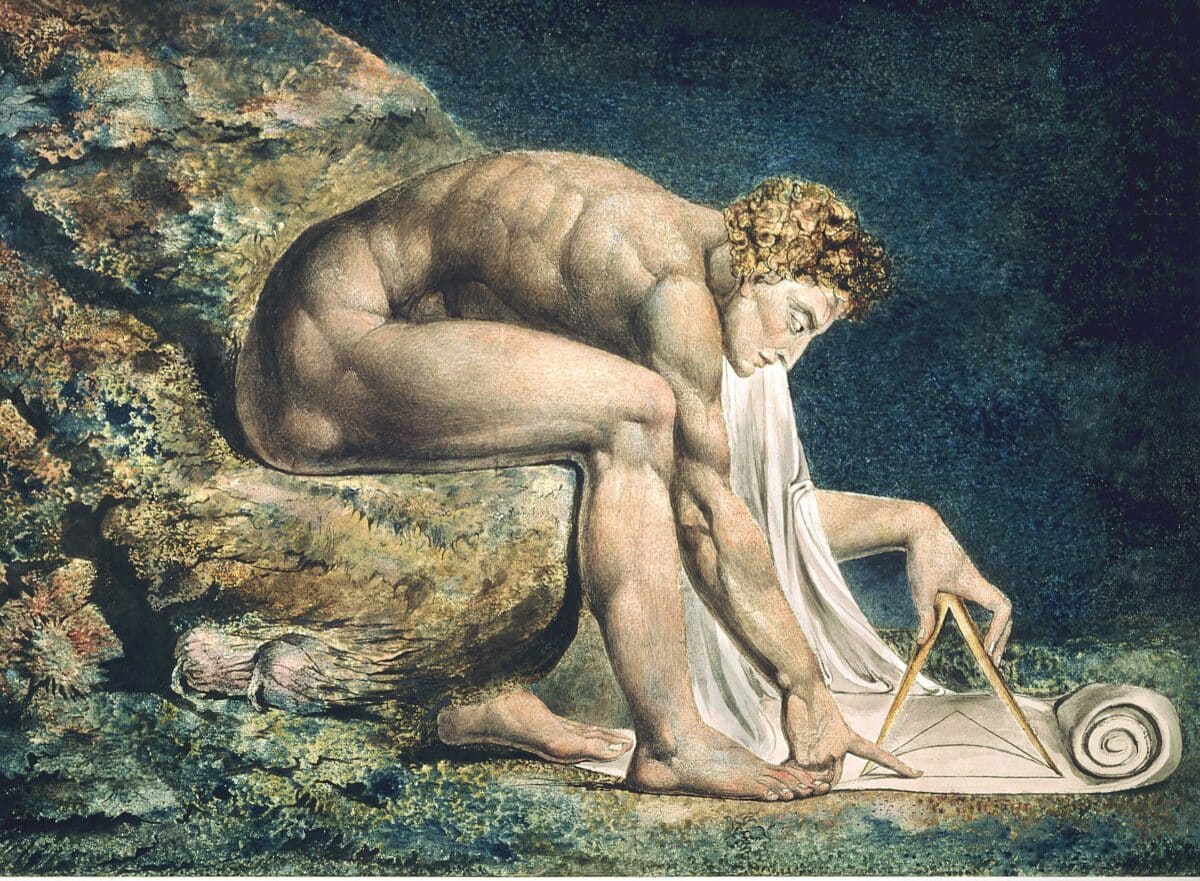
Newton by Blake
Image: Isaac Newton, by William Blake [Public domain], via Wikimedia Commons.

Stephen Meyer and James Tour on Isaac Newton: “Why There, Why Then?”

"Why did science arise in its modern form with its distinctive systematic methods of investigating nature in 16th- and 17th-century Europe?" Read More ›
Meyer-Lennox-Behe-Robinson
Photo source: YouTube (screenshot).

Are Proponents of ID Religiously Motivated, and Does It Matter?

If Danaher wants to scrutinize the religious motives of ID proponents, we have to consider what such a line of attack would do to evolution. Read More ›

© Discovery Institute