


















Science and Culture Today Discovering Design in Nature
Author

Paul Nelson

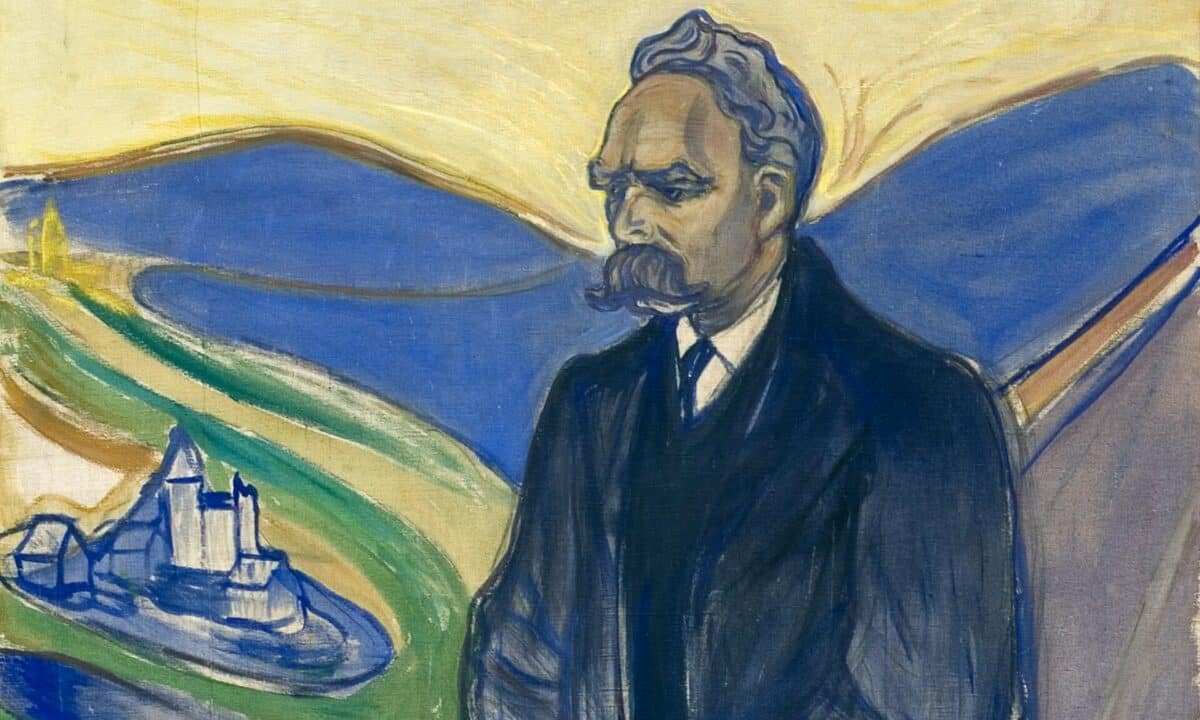
EdvardMunchFriedrichNietzscheThielska292tif
Image: Friedrich Nietzsche, by Edvard Munch, Public domain, via Wikimedia Commons.

Sean Carroll Revives Nietzsche’s Doctrine of Eternal Recurrence

The point arrives when a philosophy is so unreasonable, so utterly broken, that one can only give it a good strong kick. Argument fails; one must act. Read More ›
teen-caucasian-boy-smiling-with-braces-and-wearing-tuxedo-fo-1460496481-stockpack-adobestock
Teen Caucasian boy smiling with braces and wearing tuxedo for high school prom
Image Credit: Carmen - Adobe Stock

“Peptideins”? Give Those Shorties Another Look
Picture short, lonely bachelors in rented formal wear, leaning on the wall, nervously checking their watches at the annotation dance. Read More ›
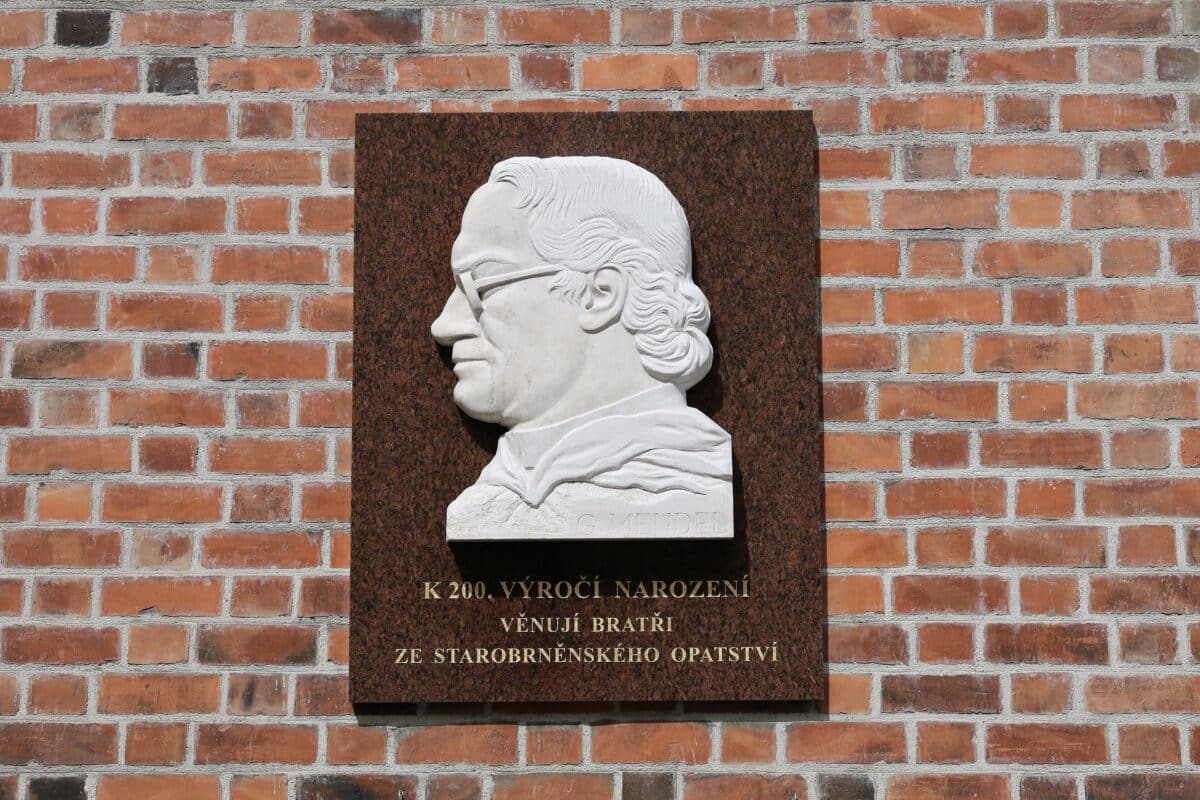
GregorJohannMendelTK2023-04-062
Image: Gregor Mendel, by T. Kebert, CC BY-SA 4.0 <https://creativecommons.org/licenses/by-sa/4.0>, via Wikimedia Commons.

“Beyond Mendel”: Leading Investigators Appeal for a New Genetics

Top-down causation makes a lot more sense from a design perspective than from any reductionist, lower-levels-first approach. Read More ›
sigmund-3FPtmyflfKQ-unsplash
Photo credit: Sigmund, via Unsplash.

With One Short Rule, Philip Ball Explains Why “Junk DNA” May Be a Placeholder for Ignorance
Here is Ball’s proposed rule for molecular biologists: “stop assuming,” he writes, “we know which parts of DNA matter and which don’t.” Read More ›
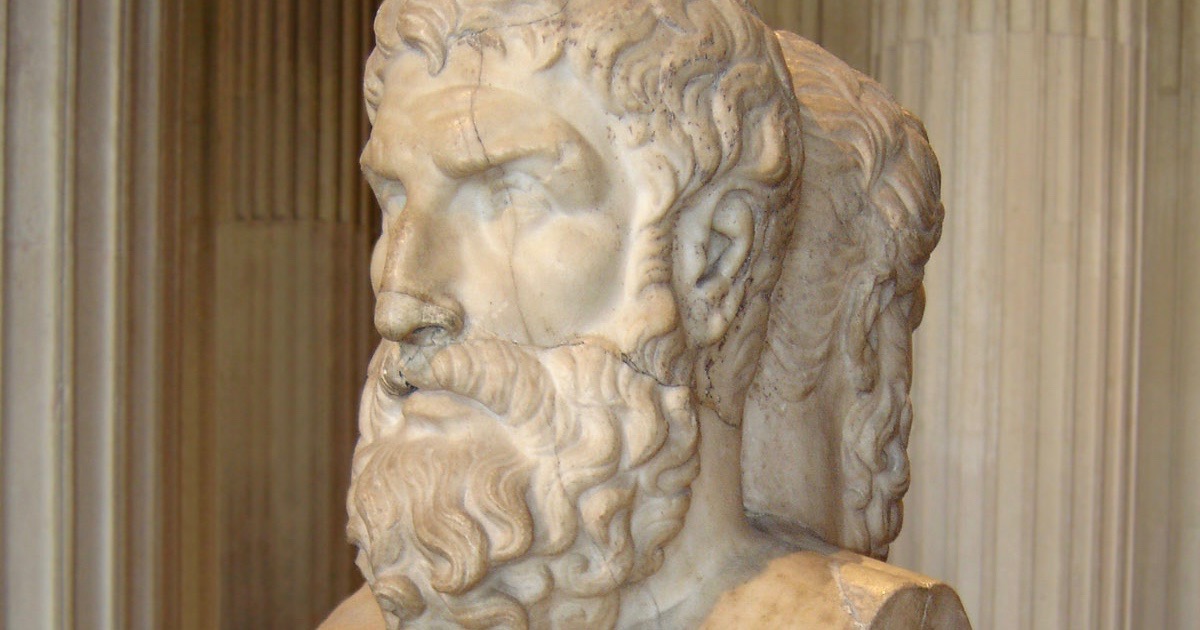
Epicurus
Photo: Epicurus, in The Louvre, by Sting, CC BY-SA 2.5 <https://creativecommons.org/licenses/by-sa/2.5>, via Wikimedia Commons.

Is Epicurus Smiling?

Eugene Koonin pointed out that any abiogenesis scenario requires a cosmological background theory against which any local event probabilities must be evaluated. Read More ›
oocyte
Photo: An oocyte, by Jakub Friedl, CC BY-SA 4.0 <https://creativecommons.org/licenses/by-sa/4.0>, via Wikimedia Commons.

The Best and Worst Heuristics for Biological Discovery

"We don’t know what this structure does, so it probably does nothing. Remember, evolution produces a lot of non-functional debris." Read More ›
axe tree

Biologists Take a Hatchet to Tree of Life, Biology Keeps Going Anyway
Early in his presentation, McInerney says that he hopes to persuade his audience that this familiar LUCA-based hypothesis “has been falsified.” Read More ›
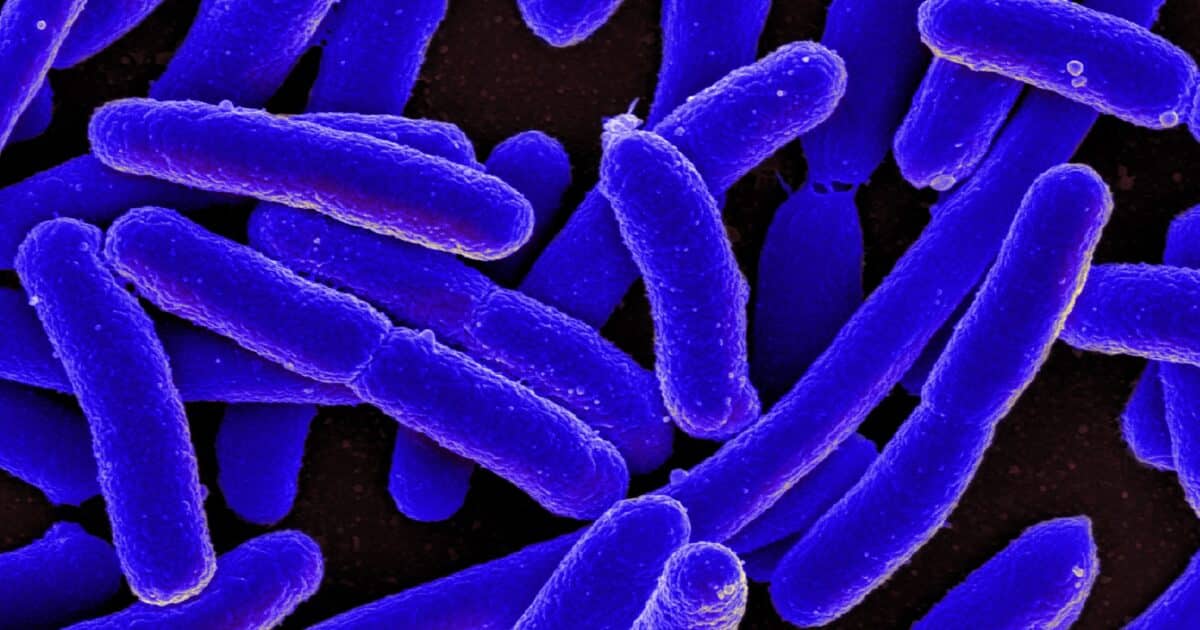
bacteria
Photo credit: NIAID, CC BY 2.0 <https://creativecommons.org/licenses/by/2.0>, via Wikimedia Commons.

Quiz: Is This a Prediction from the Tree of Life?
Conservation of function, but not genes, can be understood with an analogy to natural language. Consider two sentences. Read More ›
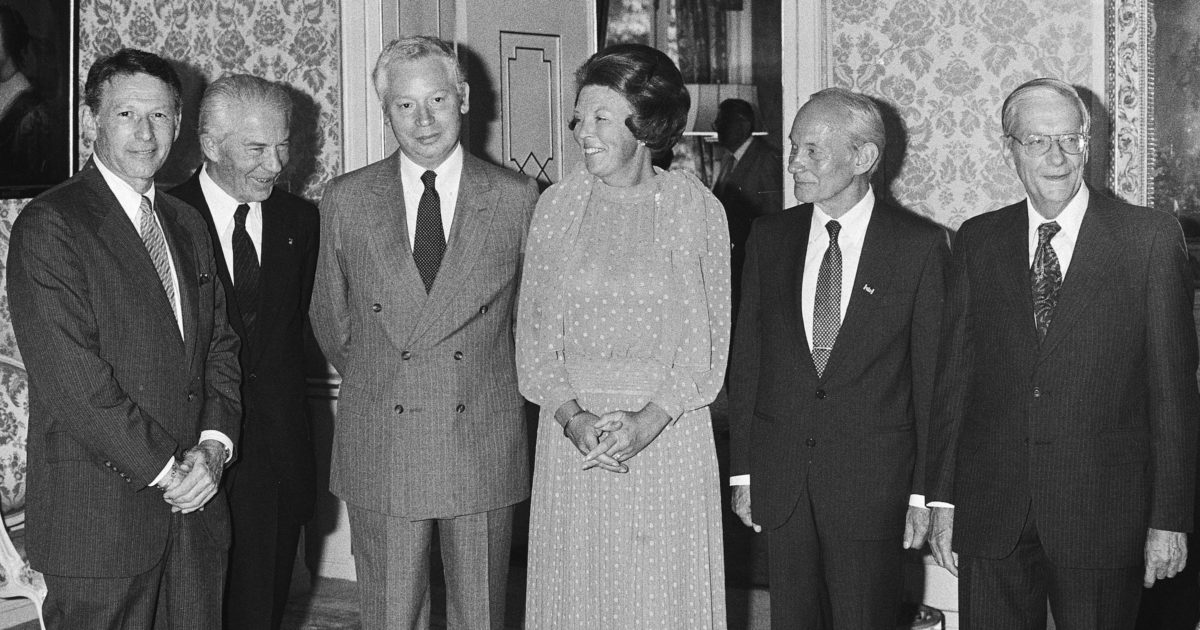
Steven Weinberg
Photo: Steven Weinberg (third from left) with Queen Beatrix of the Netherlands, by Croes, Rob C. / Anefo, CC BY-SA 3.0 NL <https://creativecommons.org/licenses/by-sa/3.0/nl/deed.en>, via Wikimedia Commons.

John Horgan on the Madness of “Scientific Omniscience”
“As for life, Dawkins’s claim that it is no longer a mystery is absurd. We still don’t have a clue how life began." Read More ›
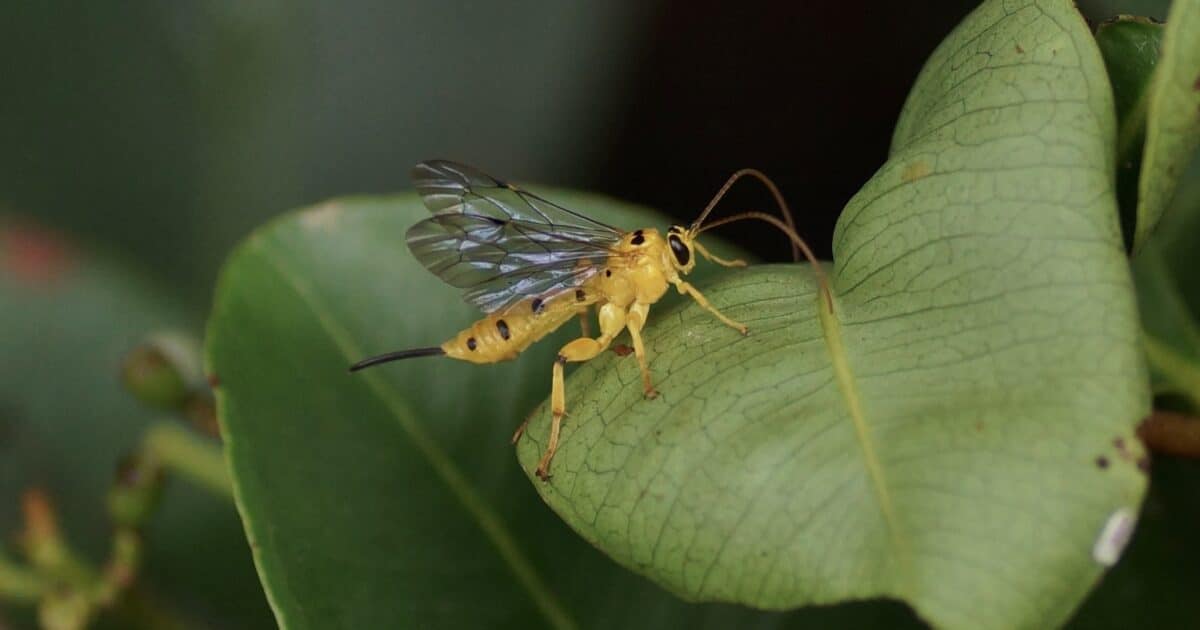
ichneumon wasp
Photo: An ichneumon wasp, aka Darwin wasp, by Vengolis, CC BY-SA 3.0 <https://creativecommons.org/licenses/by-sa/3.0>, via Wikimedia Commons.

A Debate on the “Randomness” of Mutation 

The historical wellspring of randomness in evolutionary theory is Darwin’s own insistence on “chance” at the causal foundations of life. Read More ›

© Discovery Institute