
Science and Culture Today Discovering Design in Nature
Topic

genotype

PlaceJean-Rostandplaque
Photo credit: Benoît Prieur, CC0, via Wikimedia Commons.

The “Three Cardinal Problems of Biology,” Revisited
In the last 70 years it was expected by many that all three of Jean Rostand's "cardinal problems of biology" would be solved without design. Read More ›
sperm cells
Photo credit: videomediaart, via Pixabay.

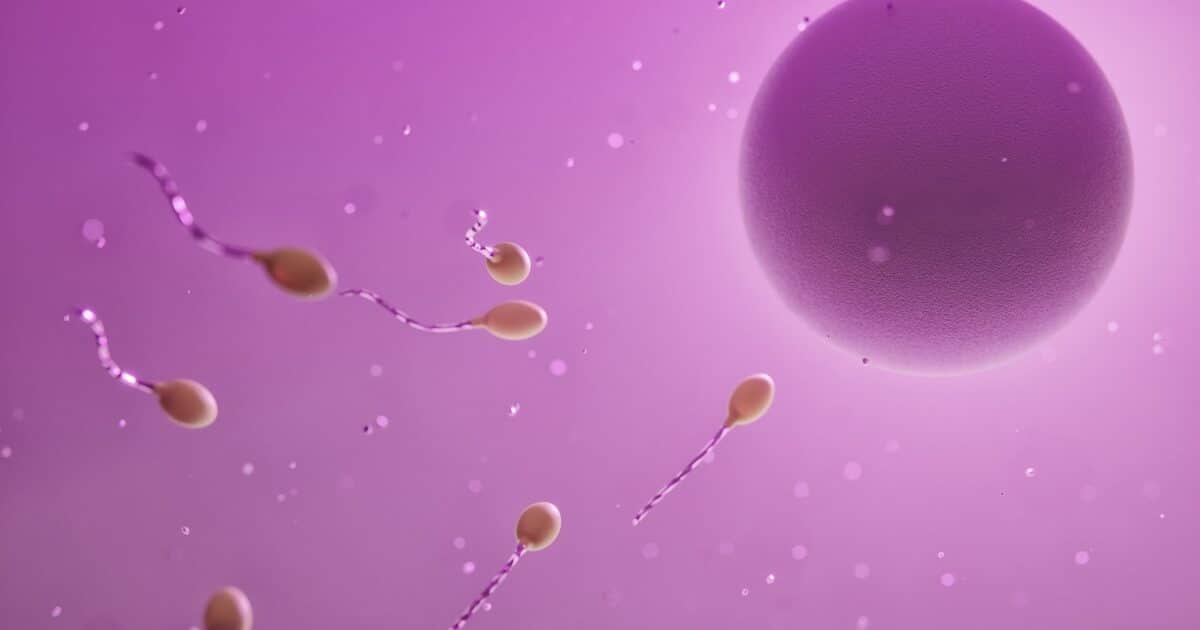
Sex Is a Spicy Problem for Evolutionary Theory
Could sex be the product of a gradual evolutionary process, one dictated by “numerous, successive, slight, modifications,” as Darwin himself put it? Read More ›
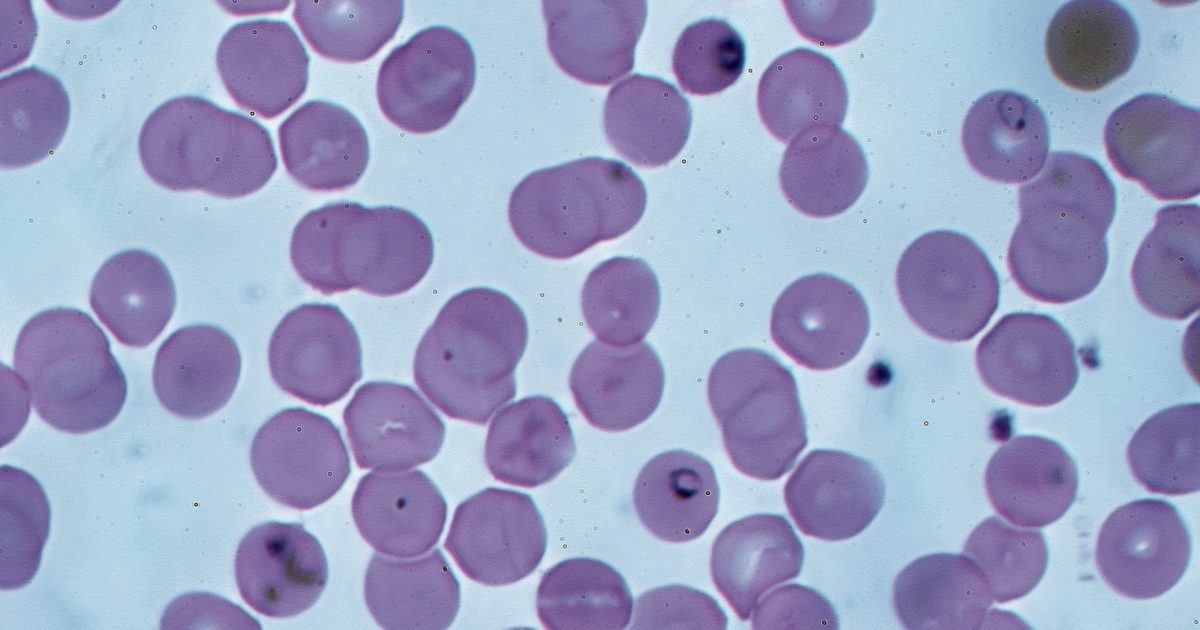
Plasmodium falciparum
Photo: Plasmodium falciparum, by Dr Graham Beards, CC BY-SA 4.0 <https://creativecommons.org/licenses/by-sa/4.0>, via Wikimedia Commons.

Answering Farina on Behe’s Work: The Edge of Evolution

I wonder whether Farina has in fact read Behe’s book for himself, or whether he is relying upon others, such as Nathan Lents. Read More ›
Flamingo
Photo credit: Alfonsopazphoto, CC BY-SA 3.0 <https://creativecommons.org/licenses/by-sa/3.0>, via Wikimedia Commons.

For Beauty, Pleasure, and More, Intelligent Design Expects Non-Essential Genes
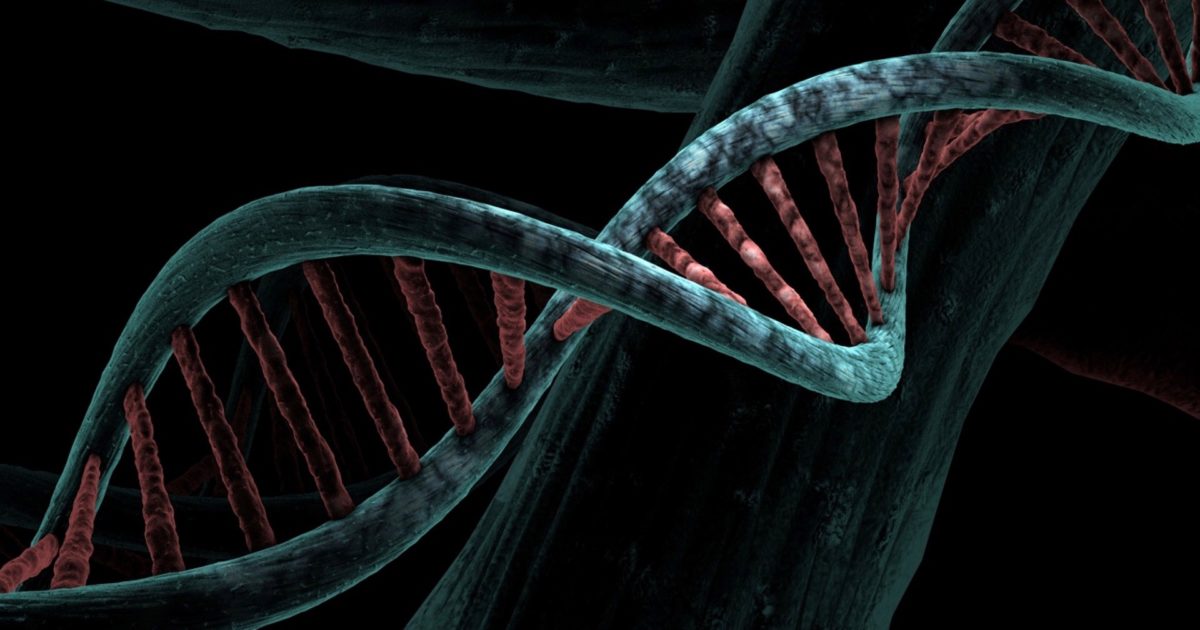
In past years, papers have tried to identify the subset of all genes in a genome that are essential for viability. Read More ›
DNA
Image credit: Miroslaw Miras, via Pixabay.

No More Confusion: Three Categories of Biological Redundancy, Simplified
Rewriting the categories of biological redundancy in terms of function clarifies their purpose and contribution. Read More ›
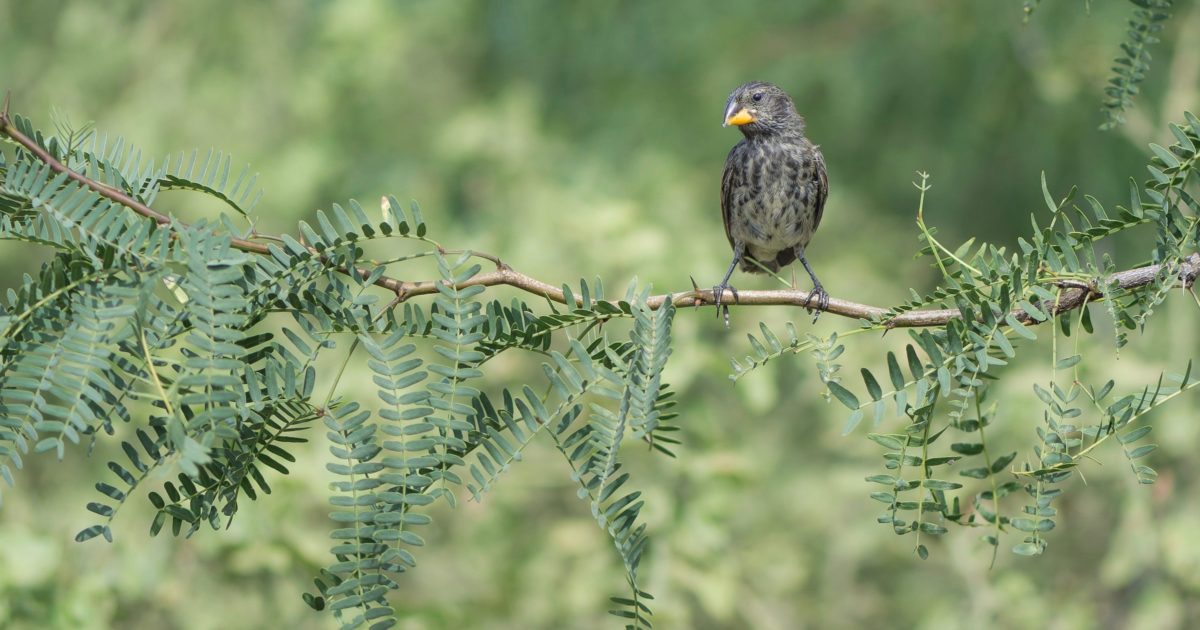
Galápagos finch
Photo: Galápagos finch, by kuhnmi, via Flickr.

Engineering Better Explains Adaptation than Evolutionary Theory
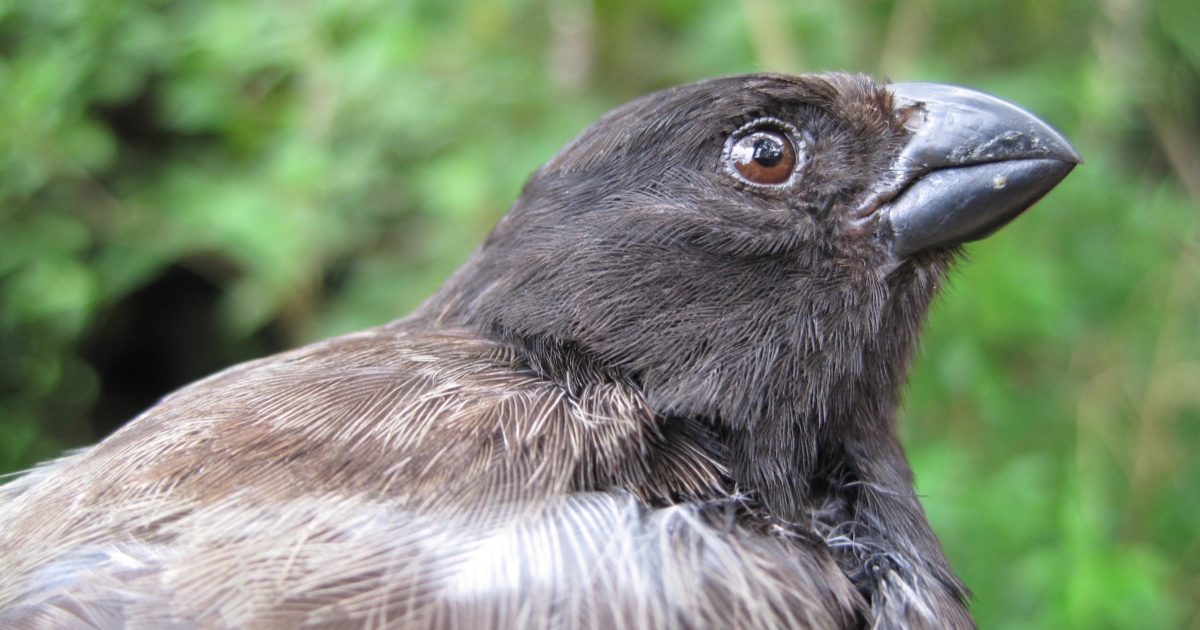
The genetic variation in any species is confined to a limited set of variables such as a finch beak’s thickness. Read More ›
medium tree finch
Photo: Medium tree finch, by Jody O'Connor, Public domain, via Wikimedia Commons.

“Darwin’s Finches”: Galápagos Islands as an Evolutionary Model

Taking the facts and arguments presented together, it appears to be clear that no macroevolution is happening in “Darwin’s finches.” Read More ›
Geospiza fortis
Photo: Geospiza fortis, by putneymark via Wikimedia Commons (cropped).

Galápagos Finches — A Paradigm of the Limits of Natural Selection?

They are not, per the National Academy of Sciences, a “particularly convincing example for speciation.” Read More ›
topiary-animals

Blurring the Line Between Natural and Artificial

As technology mimics nature, at what point might future investigators be unsure about natural versus intelligent causes? Read More ›
Jean-Rostand

The “Three Cardinal Problems of Biology”

We still are not close to designing any self-replicating machine. That is still pure science fiction. Read More ›

© Discovery Institute