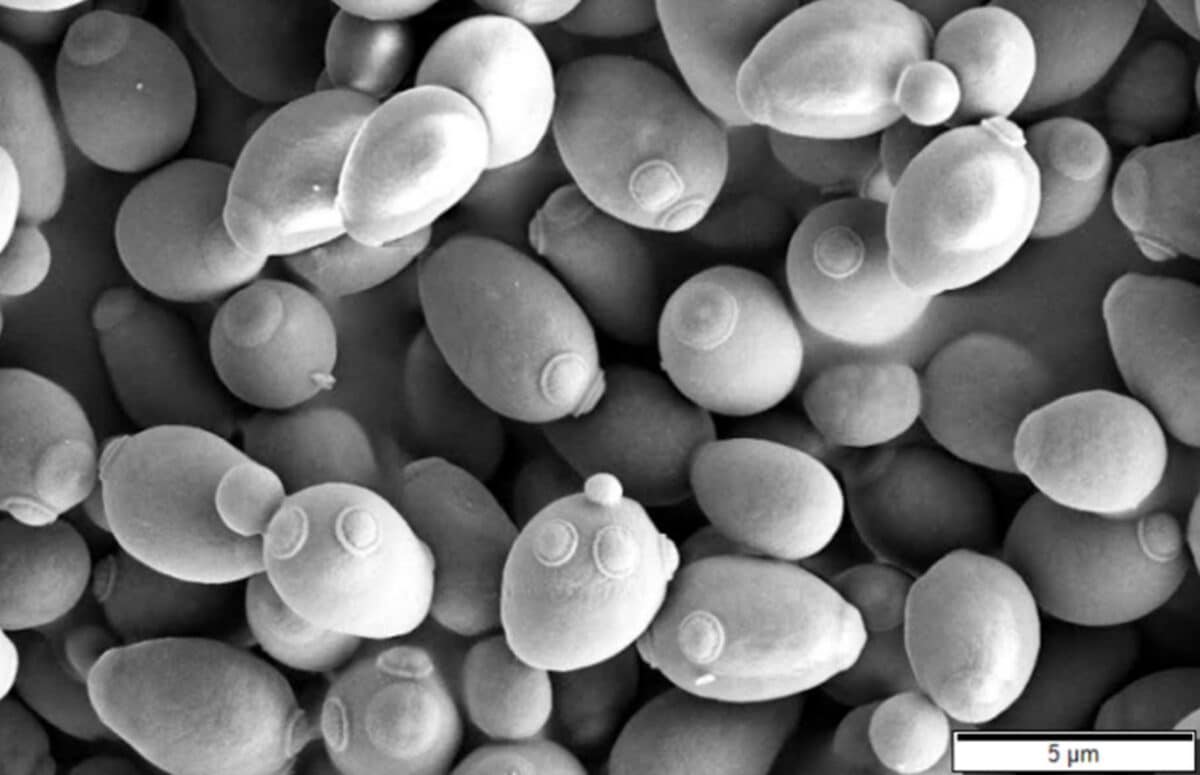
SaccharomycescerevisiaeSEM Type post Author Rob Stadler Date February 4, 2026 CategoriesBiologyEvolutionGenetics Tagged , adenine, biochemists, E. coli, First Rule of Adaptive Evolution, fitness, fossil record, gene, gene transcription, genes, genetics, genotype, homology, information, James Tour, lactose, Michael Behe, natural selection, promoter, random mutations, regulatory control, researchers, Rice University, S. cerevisiae, tryptophan, W303, When Can I Trust What Scientists Say? (series), yeast, YouTube videos On Evolution, Here Is What We Can Believe with High Confidence Rob Stadler February 4, 2026 Biology, Evolution, Genetics 9 In a pair of YouTube videos, Rice University chemist James Tour and I reviewed more than ten recent studies of experimental evolution. Read More ›
LeopardPantheraparduspardusyoungfemaleKruger2 Type post Author Rob Stadler Date February 3, 2026 CategoriesBiologyEvolution Tagged , assumptions, Bill Nye, common ancestor, common ancestry, confidence, designers, evidence, evolution, fossil record, hedging, homology, intelligent design, lifeforms, phylogenetic trees, prospective study, repeatability, Richard Dawkins, The Greatest Show on Earth, Undeniable: Evolution and the Science of Creation, vertebrate skeleton, vertebrates, When Can I Trust What Scientists Say? (series) When Can I Trust Scientists About Evolution? Rob Stadler February 3, 2026 Biology, Evolution 4 The most commonly cited areas of evidence in favor of common ancestry include the fossil record and homology. Read More ›
diverse-group-of-professional-scientists-talking-at-the-lab-152181252-stockpack-adobestock Type post Author Rob Stadler Date February 2, 2026 CategoriesMedicineScientific ReasoningScientific Trustworthiness Tagged , amplification, assumptions, atrial fibrillation, bias, claims, clinical trials, confidence, doctors, evidence, evolution, extrapolation, heart rhythm, medical guidelines, medication, medicine, outcomes, patients, proof, prospective study, regulatory bodies, repeatability, retrospective observational study, When Can I Trust What Scientists Say? (series) When Can I Trust What Scientists Say? Rob Stadler February 2, 2026 Medicine, Scientific Reasoning, Scientific Trustworthiness 6 Claims are based on evidence, and different kinds and quantities of evidence provide different levels of confidence. Read More ›