






































Science and Culture Today Discovering Design in Nature
Topic

Biomimetics

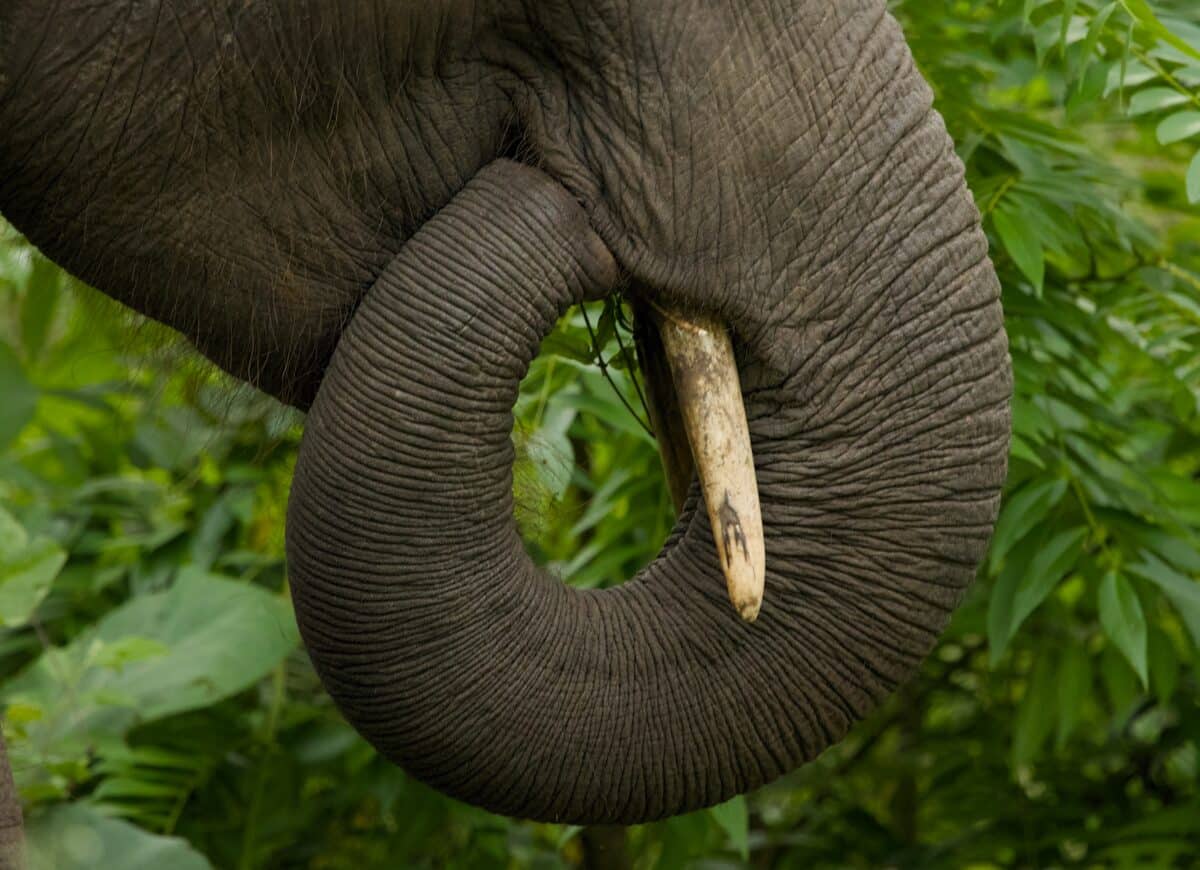
Asiatic-Elephanttrunk
Photo credit: UdayKiran28, via Wikimedia Commons.

Independent Origins of Muscular Hydrostats Are Another Conundrum for Evolution

How does Professor Naughton explain this baffling similarity? He invokes the fallacy that a physical constraint compels natural selection to create a solution. Read More ›
Walkingbyself
Photo credit: Gabecollett, CC BY-SA 4.0 <https://creativecommons.org/licenses/by-sa/4.0>, via Wikimedia Commons.

How to Shift the Gears in Your Legs?

The answer to the question: You don’t have to do anything. You have automatic transmission. Read More ›
modern-white-laboratory-interior-with-scientists-in-lab-coat-1873267675-stockpack-adobestock
Modern white laboratory interior with scientists in lab coats working on computers and test tubes, motion blur effect for dynamic research scene
Image Credit: Carl - Adobe Stock

New Peer-Reviewed Paper Provides a How-To Manual for Using ID to Guide Research

The paper explains what the theory of intelligent design is and how it can be used to generate testable scientific predictions, or “expectations.” Read More ›
business-man-afraid-of-his-own-shadow-monster-concept-stockp-118445958-stockpack-adobestock
Business man afraid of his own shadow monster concept
Image Credit: ra2 studio - Adobe Stock

Darwinists Afflicted by Fear of Validating Outsiders
Fear of validating opposition to materialism diminishes the scholarship of some scientific publications. Their authors need to get a grip. Read More ›
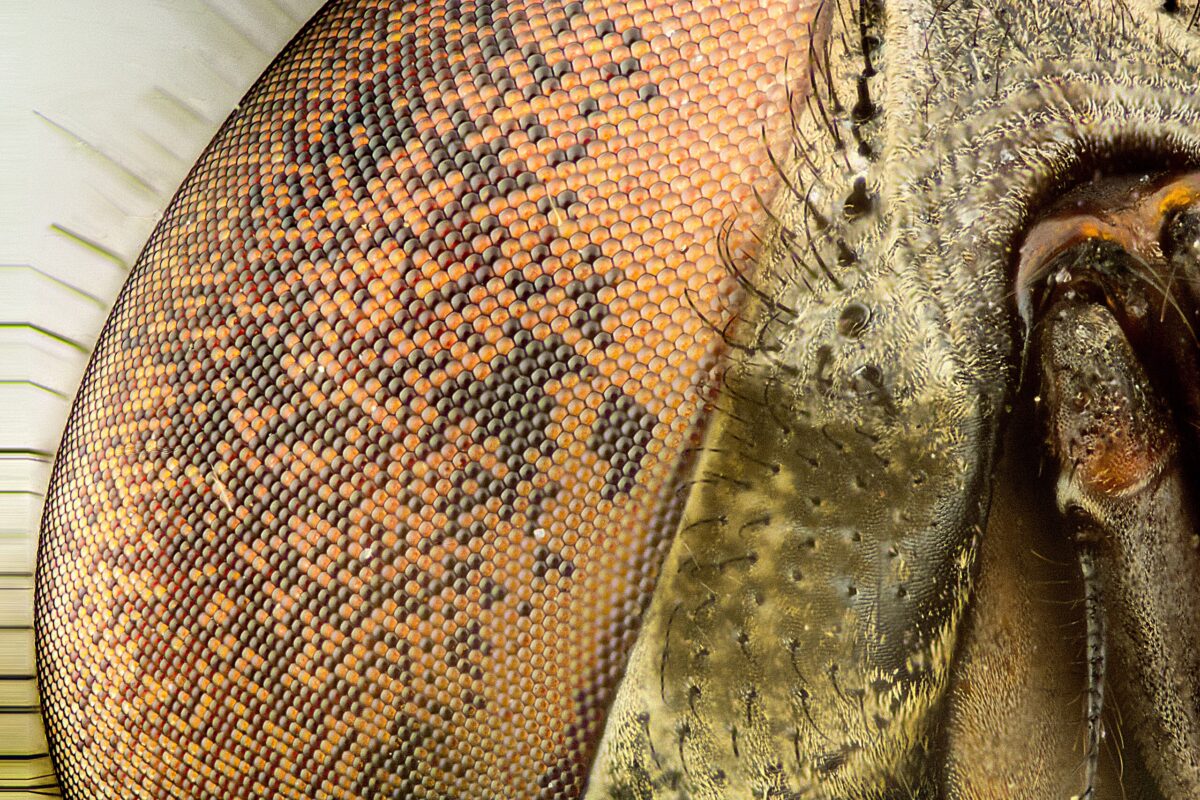
Compound_eye_(34195277211)
Photo credit: Fredrik Andreasson from Sweden, CC BY 2.0 <https://creativecommons.org/licenses/by/2.0>, via Wikimedia Commons.

Tiled Beauty: Functional Aesthetics in Biology
Tessellated patterns are surprisingly prevalent in biology. Are these forms necessary for function, or mere consequences of natural laws?  Read More ›
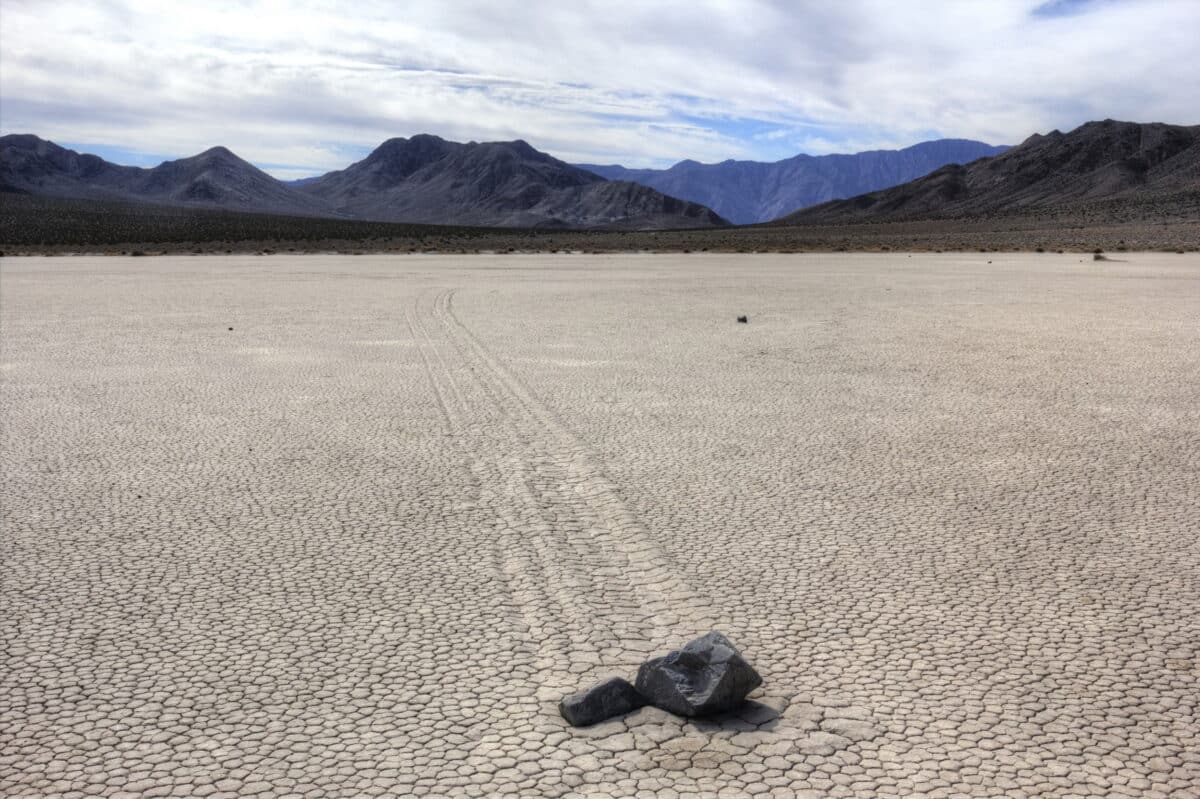
2014-10-DeathValley4x4-209-RacetrackPlaya-pmxsm
Photo credit: David Coppedge.

Is Geomimetics an Intelligent Design Science? Well, Yes and No
Biomimetics, the imitation of nature’s designs, clearly qualifies as an ID science. What about “geomimetics” — the imitation of geophysics? Read More ›
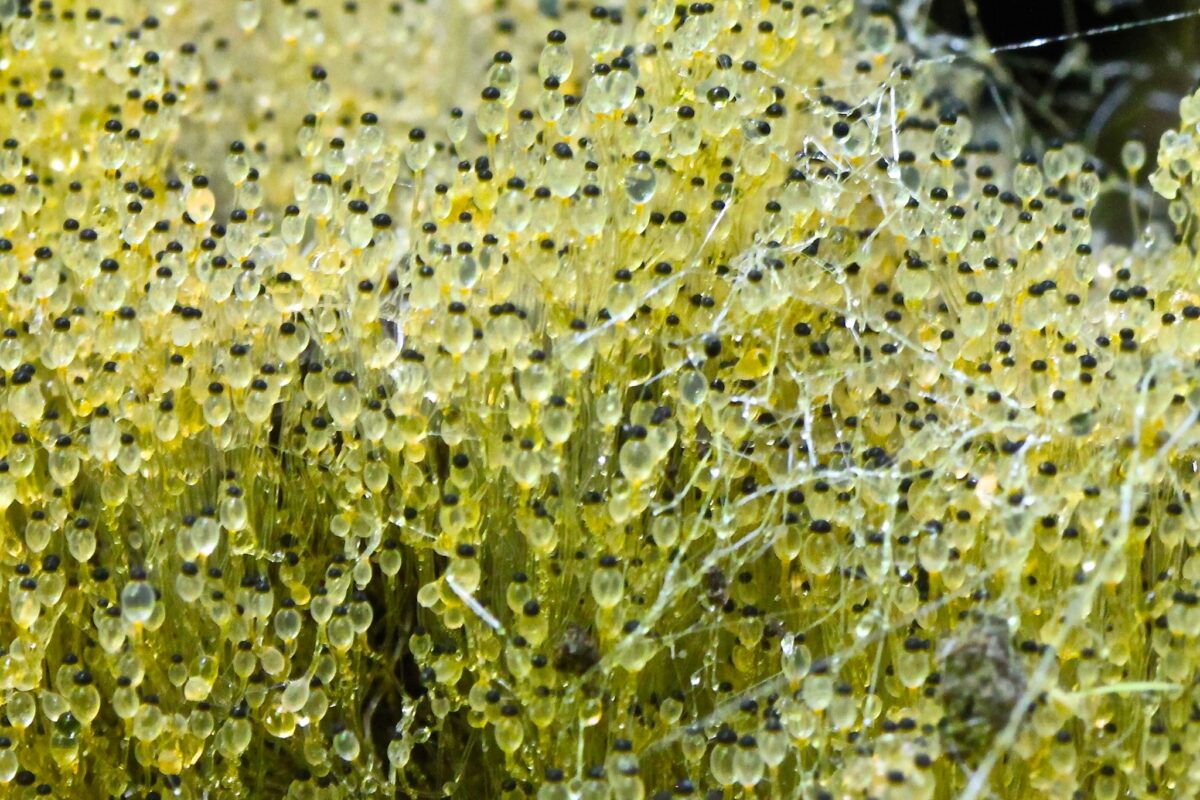
Pilobolus_crystallinus_1963499
Photo credit: Fluff Berger, CC BY-SA 4.0 <https://creativecommons.org/licenses/by-sa/4.0>, via Wikimedia Commons.

Missiles and Jackhammers: How Plants Spread Themselves Far and Wide
I welcome science reporter David Coppedge to explore some fascinating examples of intelligent design in the plant world. Read More ›
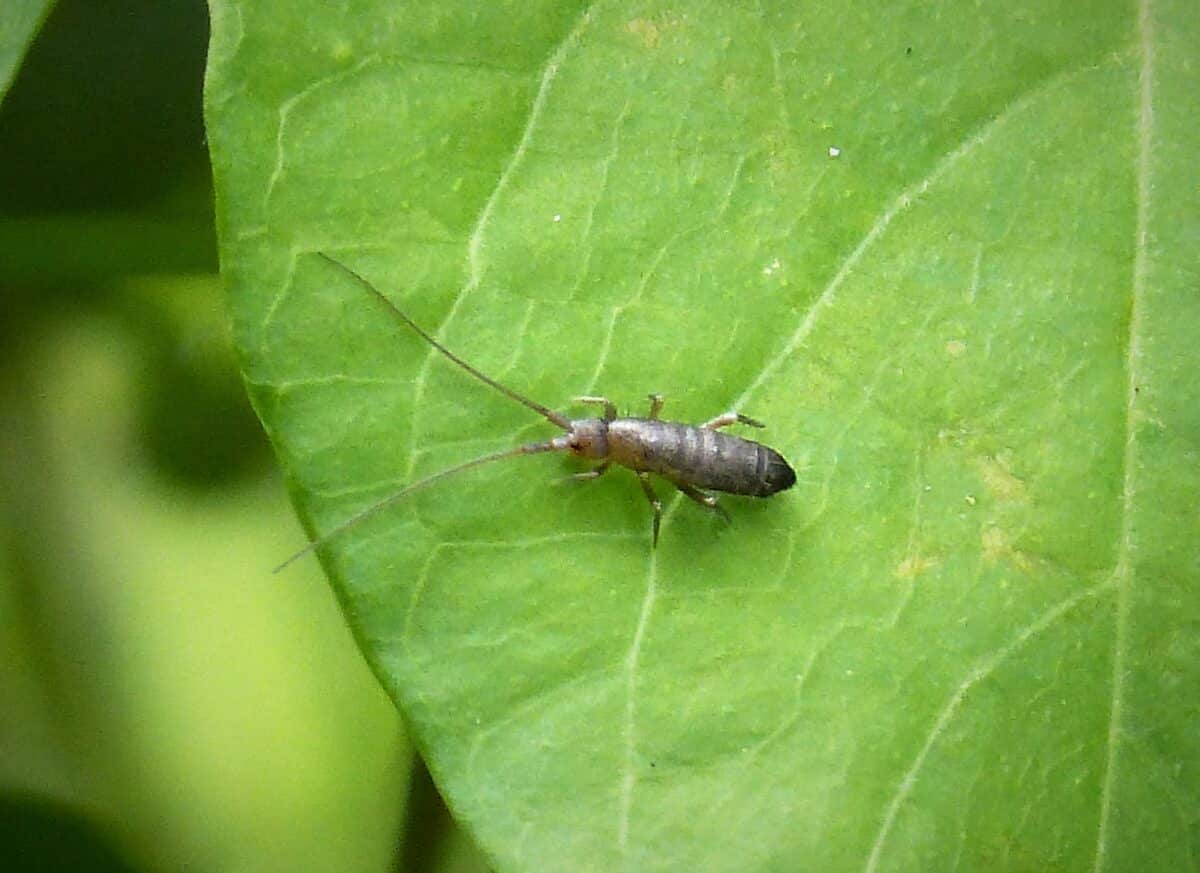
Springtail_Pogonognathellus_longicornis_(24907256347).jpg
Photo: A springtail, by gailhampshire from Cradley, Malvern, U.K, CC BY 2.0 <https://creativecommons.org/licenses/by/2.0>, via Wikimedia Commons.

As Science Observes, Talk of Evolution Fades
Another point worthy of note: the more sophistication that is found in biological engineering, the more scientists want to imitate it.  Read More ›
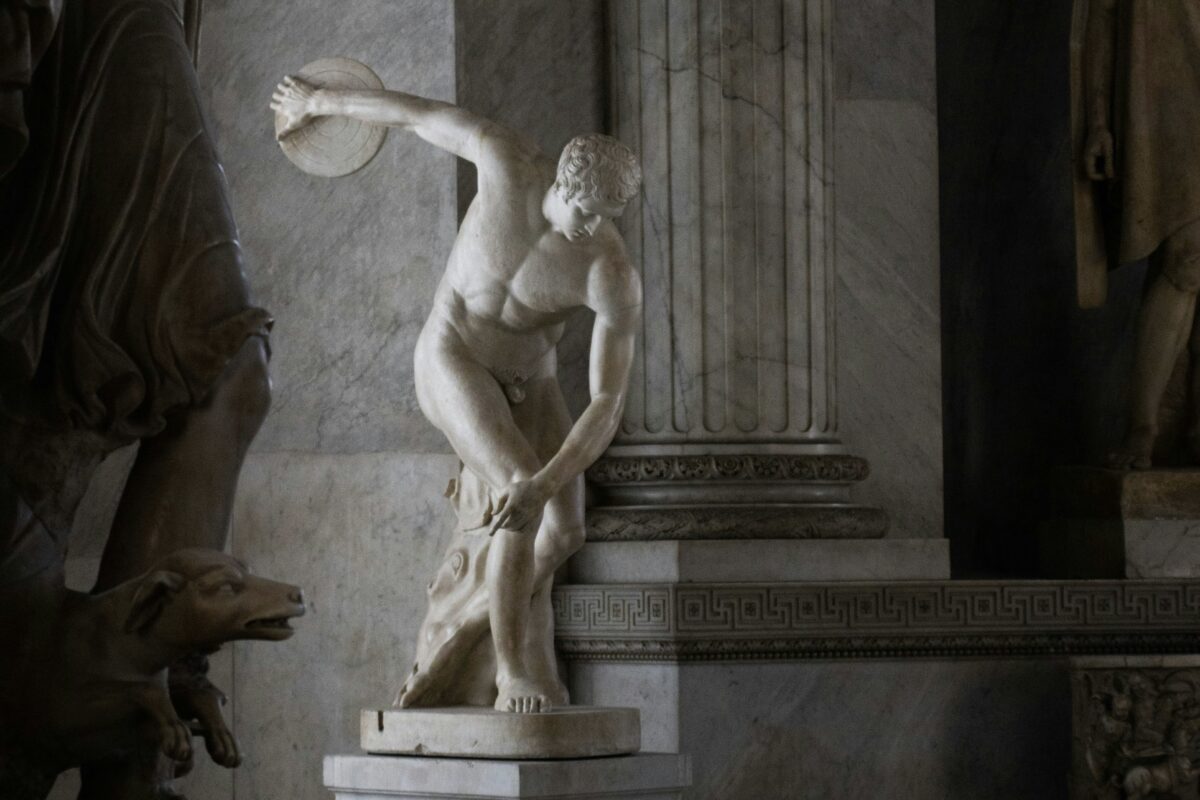
discus
Photo credit: David Bottenberg on Unsplash.

New Research: Stuart Burgess Demonstrates the Exquisite Engineering of Human Limbs
Burgess’s research represents yet another nail in the coffin of the standard evolutionary model. Read More ›
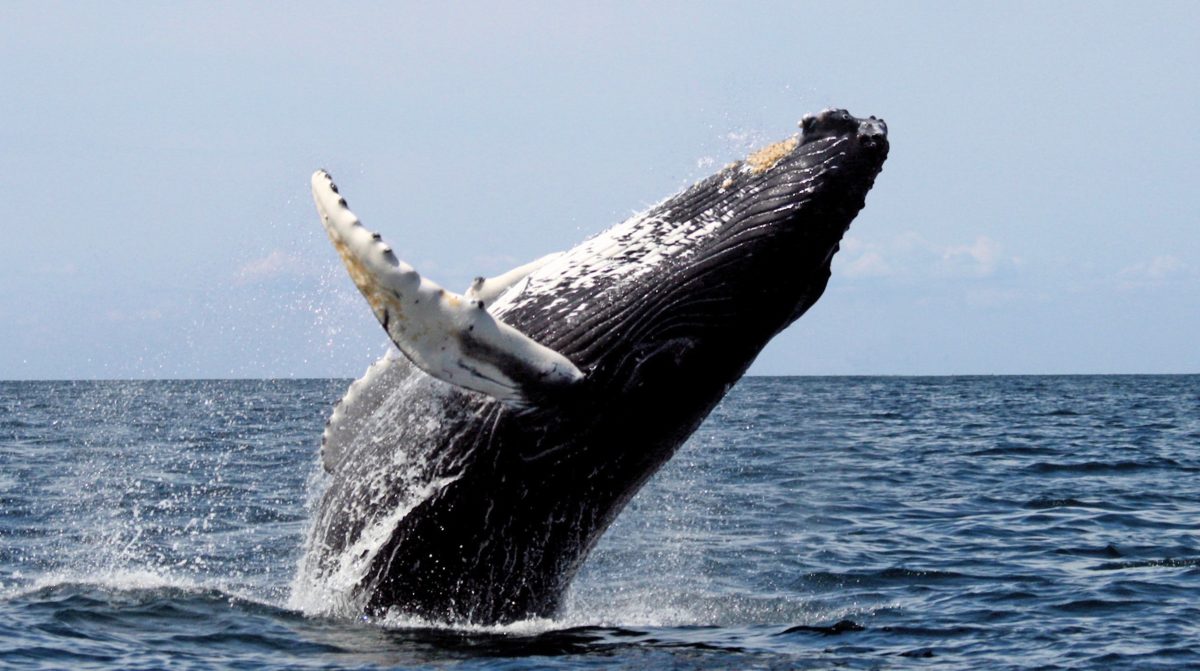
Humpback_stellwagen_edit
Photo: A humpback whale, by Whit Welles Wwelles14 / CC BY (https://creativecommons.org/licenses/by/3.0).

Similarities Between Vertebrate Limbs Are Best Explained Not by Common Ancestry but by Design

The challenge is particularly daunting in the case of whales. The flipper differs in almost every respect from that of its proposed terrestrial ancestor. Read More ›

© Discovery Institute