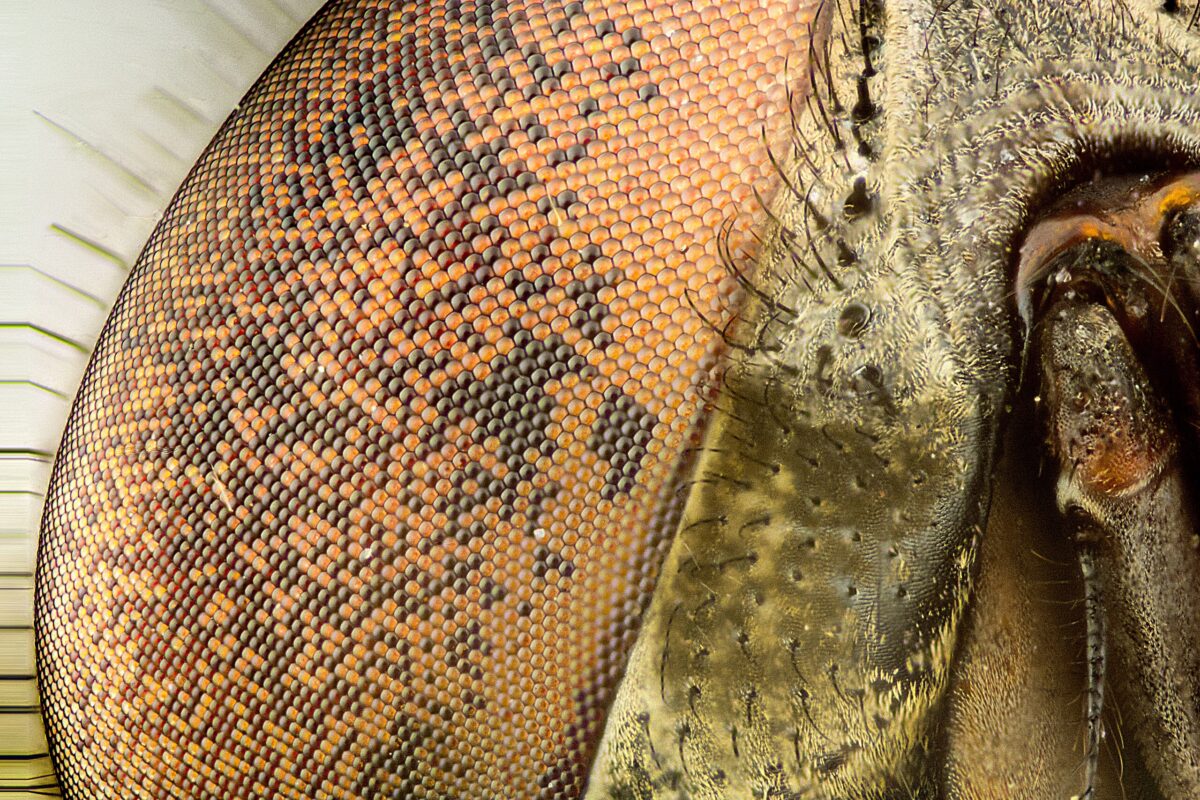
Compound_eye_(34195277211) Type post Author David Coppedge Date December 5, 2025 CategoriesBiologyIntelligent Design Tagged , architecture, armadillos, arthropods, beauty, beehive, biodiversity, biology, Biomimetics, butterfly wings, compound eyes, Darwinism, design, engineering, evolution, False Messiah, function, Gothic cathedrals, honeycomb, intelligent design, multifunctionality, Neil Thomas, phylogeny, reptiles, scales, sunflowers Tiled Beauty: Functional Aesthetics in Biology David Coppedge December 5, 2025 Biology, Intelligent Design 7 Tessellated patterns are surprisingly prevalent in biology. Are these forms necessary for function, or mere consequences of natural laws? Read More ›
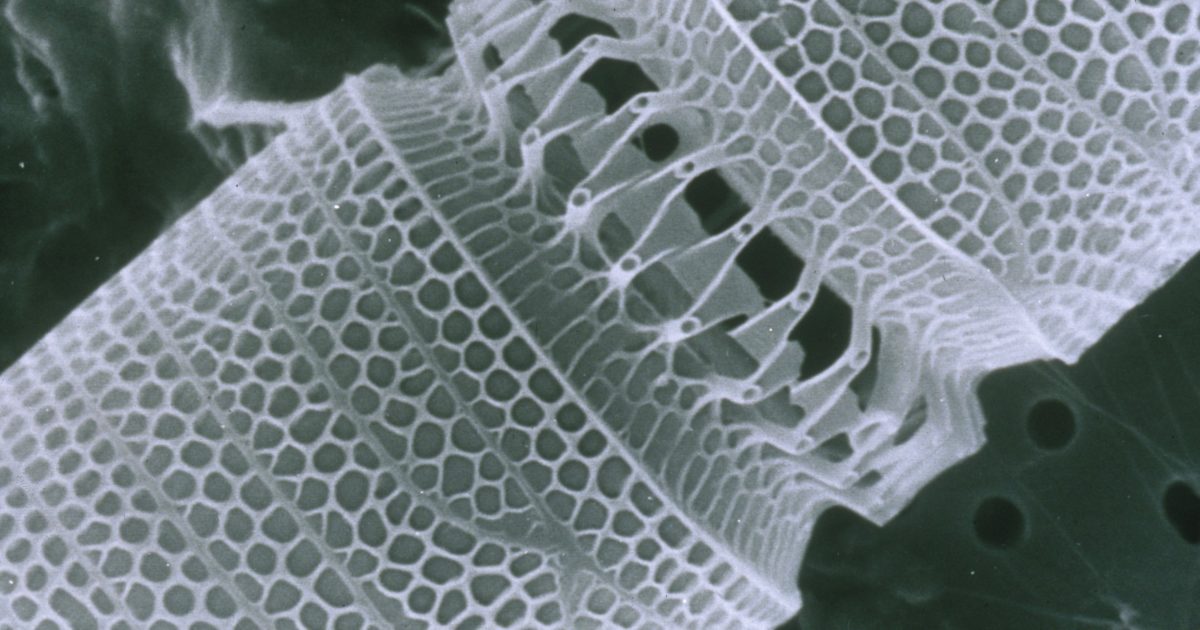
diatom Type post Date August 4, 2021 CategoriesEngineeringIntelligent DesignLife Sciences Tagged , archaea, bacteria, beauty, Blaise Pascal, Caltech, Current Biology, diatoms, electron microscope, eukaryotes, Germany, God Hypothesis, Gothic cathedrals, Michael Gross, microbes, Nature Scientific Reports, Poland, purpose Diatoms, an Evolutionary Mystery, Come into Nano-Focus Science & Culture August 4, 2021 Engineering, Intelligent Design, Life Sciences 9 The jewels of the microbial world, when seen with new nano-scale imaging techniques, look like little modernist cathedrals. Read More ›
pigeon Type post Author Jonathan Witt Date March 17, 2021 CategoriesArtsBioethicsBiologyIntelligent Design Tagged , Abraham Lincoln, Blaise Pascal, Charles Darwin, creator, Darwinian theory, Fyodor Dostoevsky, Gothic cathedrals, H.G. Wells, Hamlet, intelligent design, literature, logical positivism, Marxism, materialism, Middle Ages, narrative, nihilism, pigeons, Pulitzer Prize, The Time Machine, William Shakespeare Intelligent Design and the Restoration of Story Jonathan Witt March 17, 2021 Arts, Bioethics, Biology, Intelligent Design 11 Celebrating the growing evidence of intelligent design can help rescue the arts from the nihilism and ugliness they have descended into in many quarters. Read More ›