

















Science and Culture Today Discovering Design in Nature
Topic

arthropods

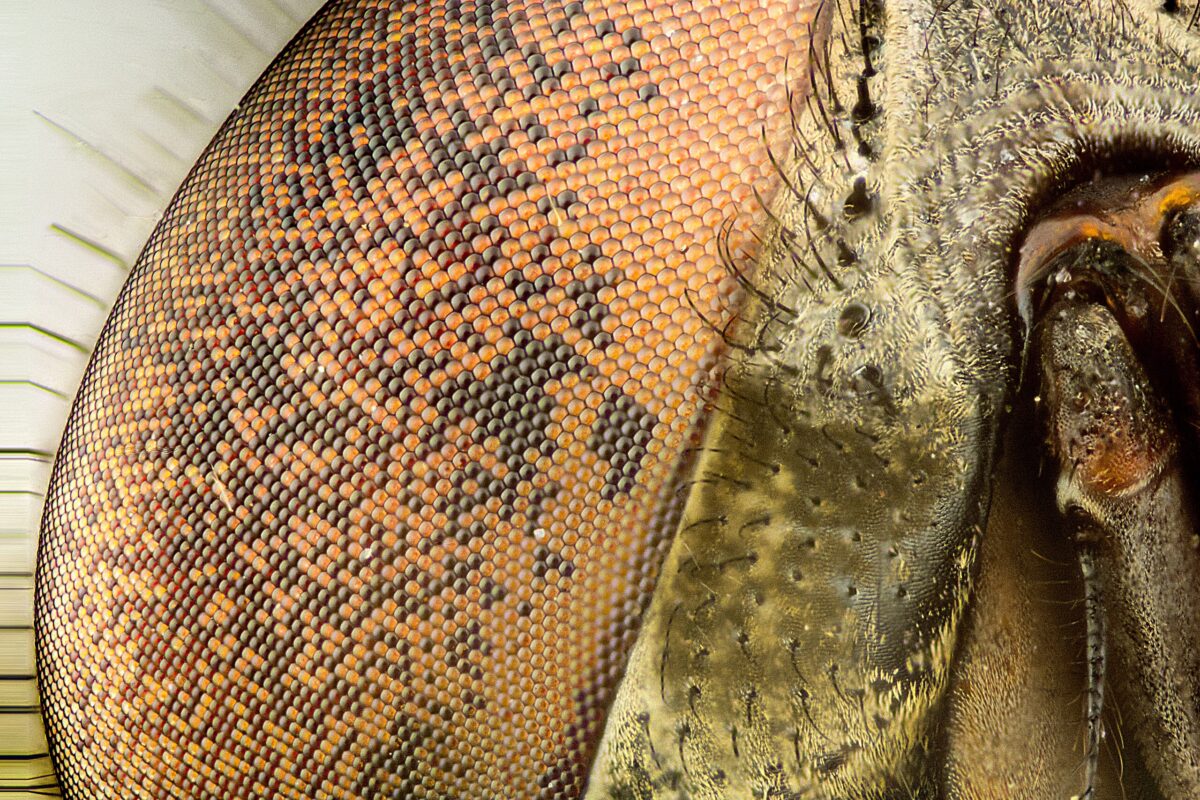
Compound_eye_(34195277211)
Photo credit: Fredrik Andreasson from Sweden, CC BY 2.0 <https://creativecommons.org/licenses/by/2.0>, via Wikimedia Commons.

Tiled Beauty: Functional Aesthetics in Biology
Tessellated patterns are surprisingly prevalent in biology. Are these forms necessary for function, or mere consequences of natural laws?  Read More ›
Aulacopleurakonincki6mm
Photo: Aulacopleura koninckii, by Zavadluk, CC BY-SA 4.0 <https://creativecommons.org/licenses/by-sa/4.0>, via Wikimedia Commons.

Ancient Eyes, Modern Design: The Remarkable Vision of Trilobites
Does this discovery suggest that the principles of compound vision emerged nearly half a billion years ago as the authors concluded? Read More ›
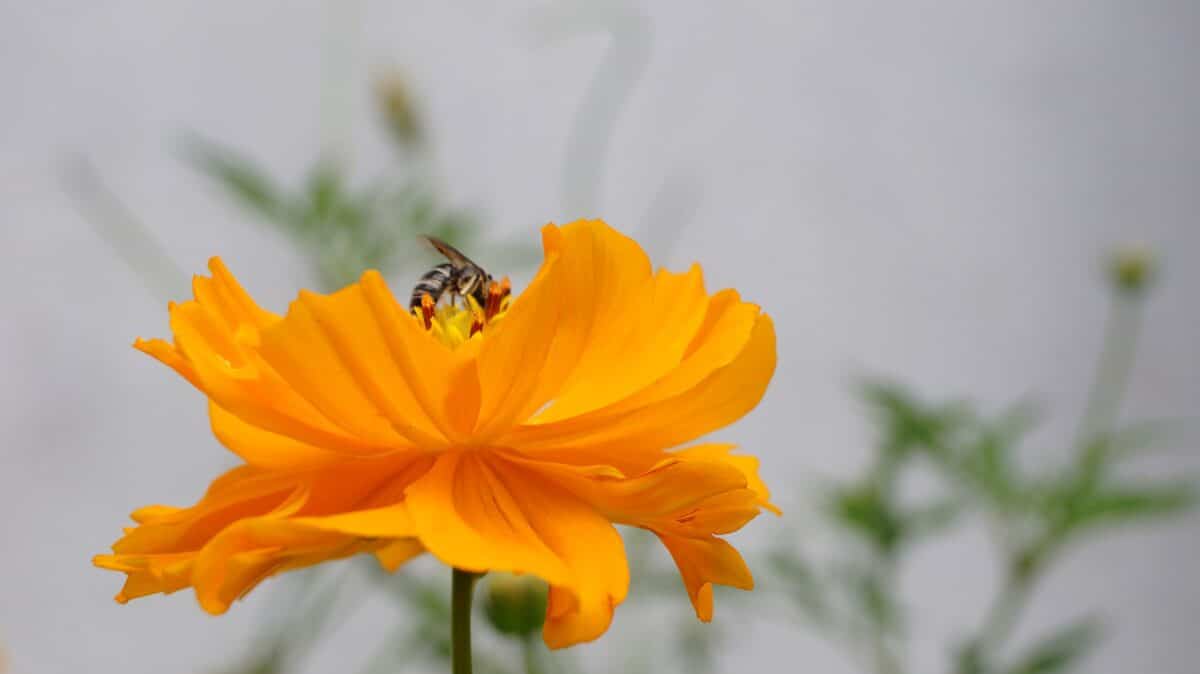
Cosmos_sulphureus_with_bee_Mallika5
Photo credit: Zuhairali, CC BY-SA 4.0 <https://creativecommons.org/licenses/by-sa/4.0>, via Wikimedia Commons.

Biological Information in Static Electricity
The influence of static charge in pollination is one demonstrable case — not only for bees, but for moths and hummingbirds as well. Read More ›
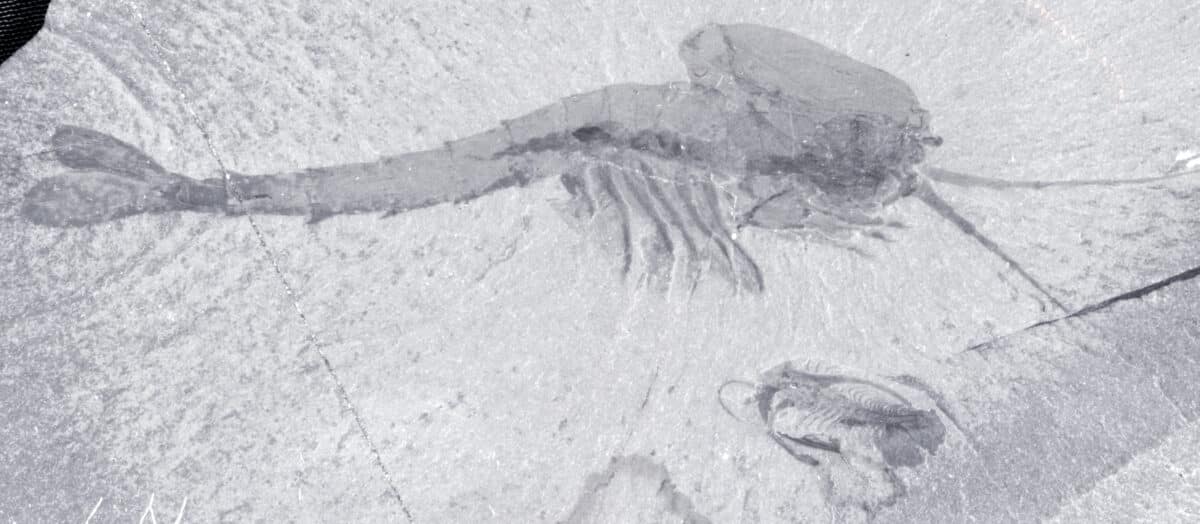
Waptia_fieldensis_(fossil_arthropod)_(Burgess_Shale_Formation,_Middle_Cambrian;_Walcott_Quarry,_above_Field,_British_Columbia,_Canada)_3
Photo credit: James St. John, Public domain, via Wikimedia Commons.

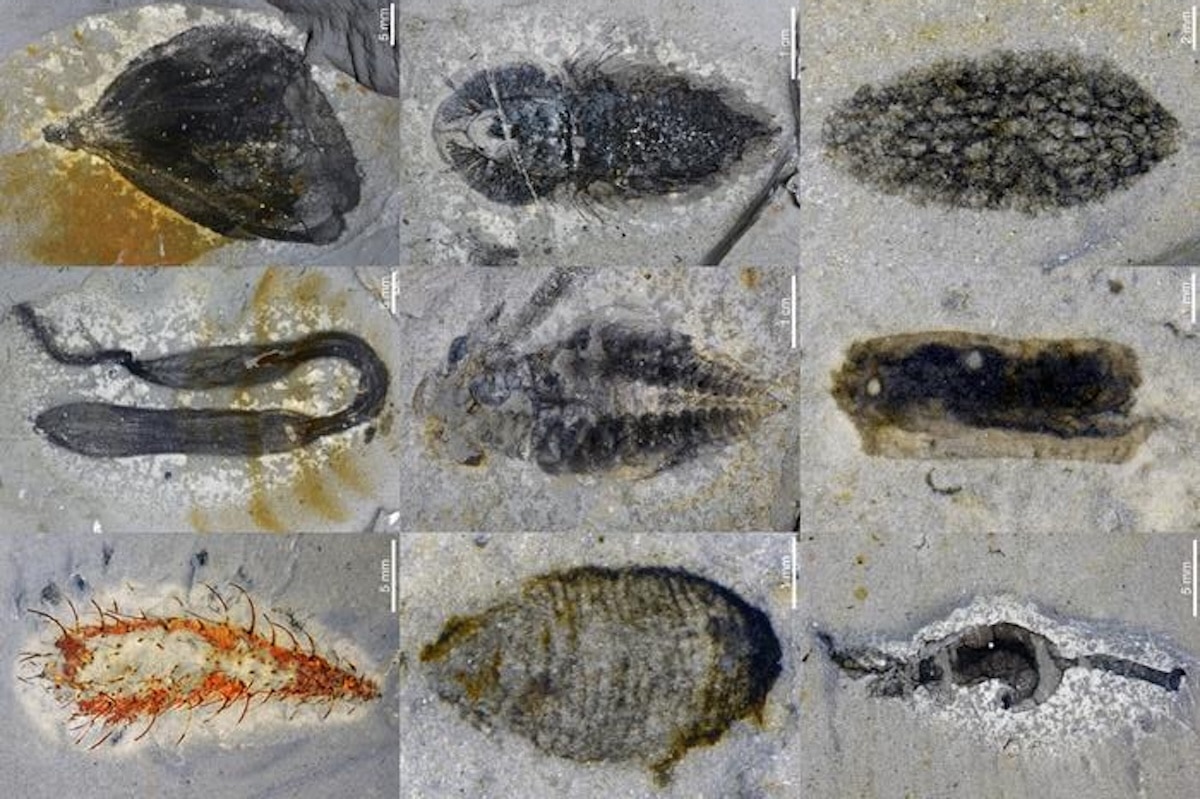
Fossil Friday: New Research on How Delicate Soft-Bodied Organisms Can Be Perfectly Preserved
All the just-so-stories of macroevolution are completely dispensable in real (experimental) biology. Read More ›
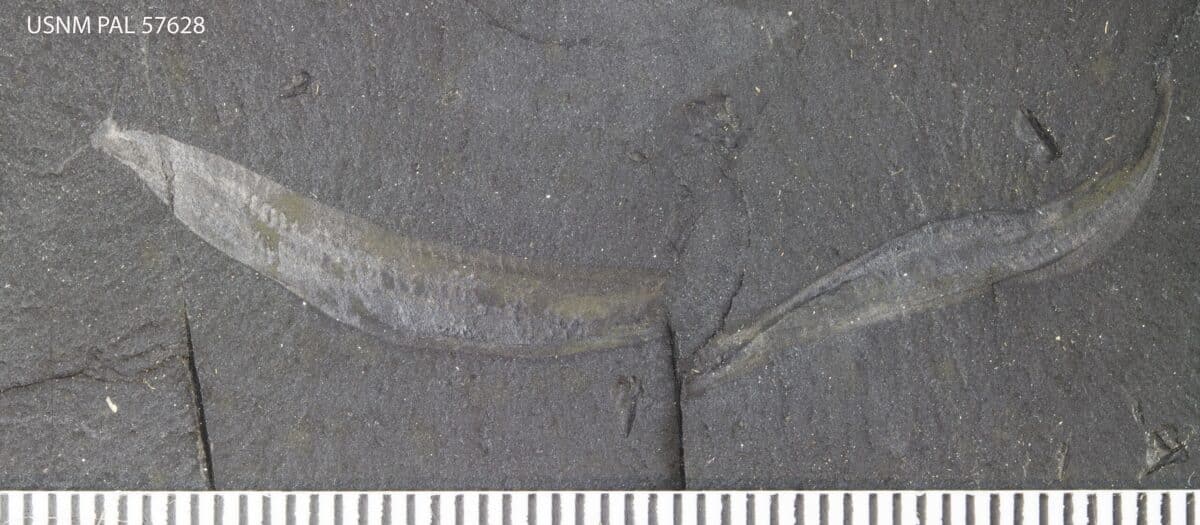
NMNH-USNMPAL57628Pikaia2
Photo credit: Bruce Martin, CC0, via Wikimedia Commons.

Fossil Friday: Cambrian Fossils Turned Upside Down Yet Again
Most of these reconstructions are based on very weak evidence and are highly speculative. Read More ›
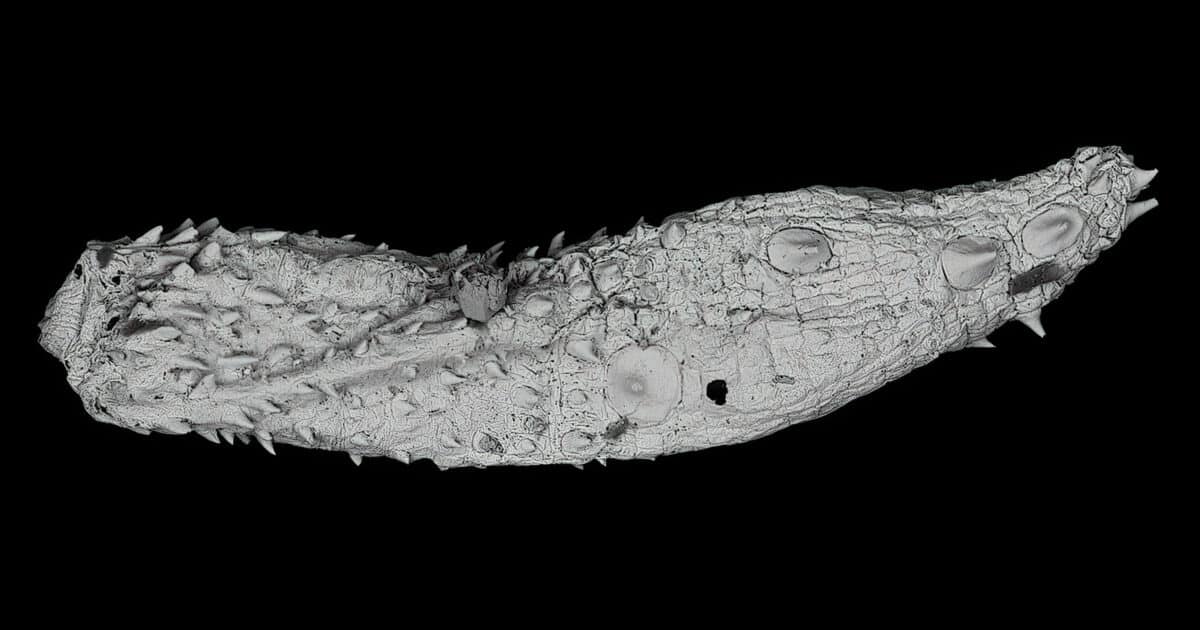
kinorhyncha
Photo: Eokinorhynchus rarus, SEM, Dinghua Yang in Zhang et al. 2015, fair use (Source: http://english.nigpas.cas.cn/ns/RelatedNews/201511/t20151130_156623.html).

Fossil Friday: Kinorhyncha, Yet Another Animal Body Plan from the Cambrian Explosion
The earliest kinorhynchs were more complex than modern ones. So much for the evolutionary narrative from simple to complex. Read More ›
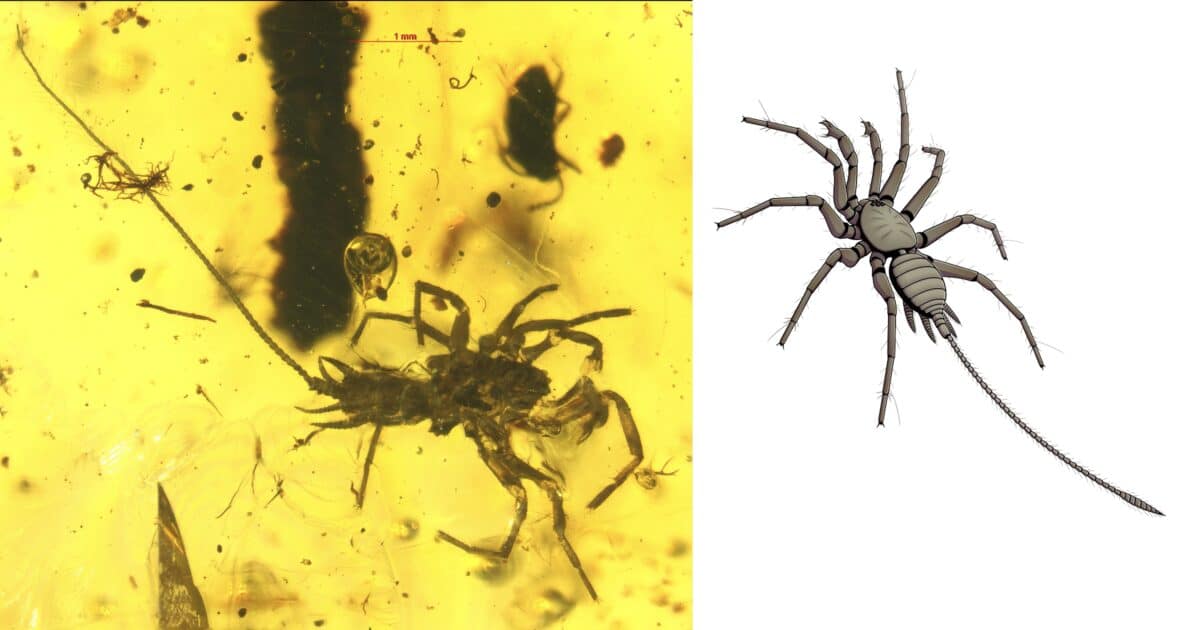
Chimerarachne yingi
Images: Chimerarachne yingi, Gonzalo Giribet and Junnn11 via Wikimedia, CC0 1.0 and CC BY-SA 4.0 DEED Sources: https://commons.wikimedia.org/wiki/File:M466395.jpg https://commons.wikimedia.org/wiki/File:20200828_Chimerarachne_yingi.png.

Fossil Friday: The Mess of Arachnid Phylogeny, and Why I’ve Become More Skeptical of Common Descent
True skeptics should question everything, and not just everything apart from Darwinism and materialism. Read More ›
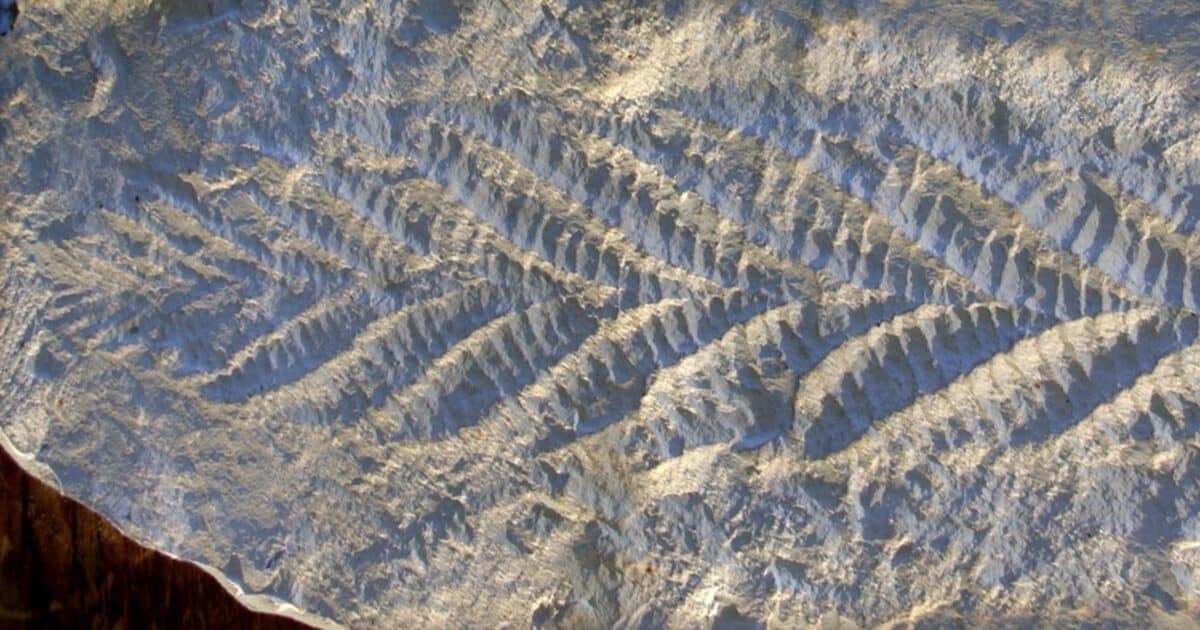
Charnia-masoni
Photo: Charnia masoni, by Verisimilus at English Wikipedia, CC BY-SA 3.0 <http://creativecommons.org/licenses/by-sa/3.0/>, via Wikimedia Commons.

Fact Check: No, Two Teens Did NOT “Accidentally Solve” Darwin’s Dilemma

"It looked like a fern. But as a budding geologist, [UK teenager Tina] Negus knew these 600 million year old rocks were too old to host such a plant." Read More ›
Trilobite_Redlichia
Photo: Trilobite Redlichia, Cambrian of China, Dlloyd via Wikimedia, CC BY-SA 3.0.

Fossil Friday: Did the Cambrian Explosion Really Happen?

The deniers of the well-established scientific consensus rest their argument on the recent publications of a few maverick paleontologists. Read More ›
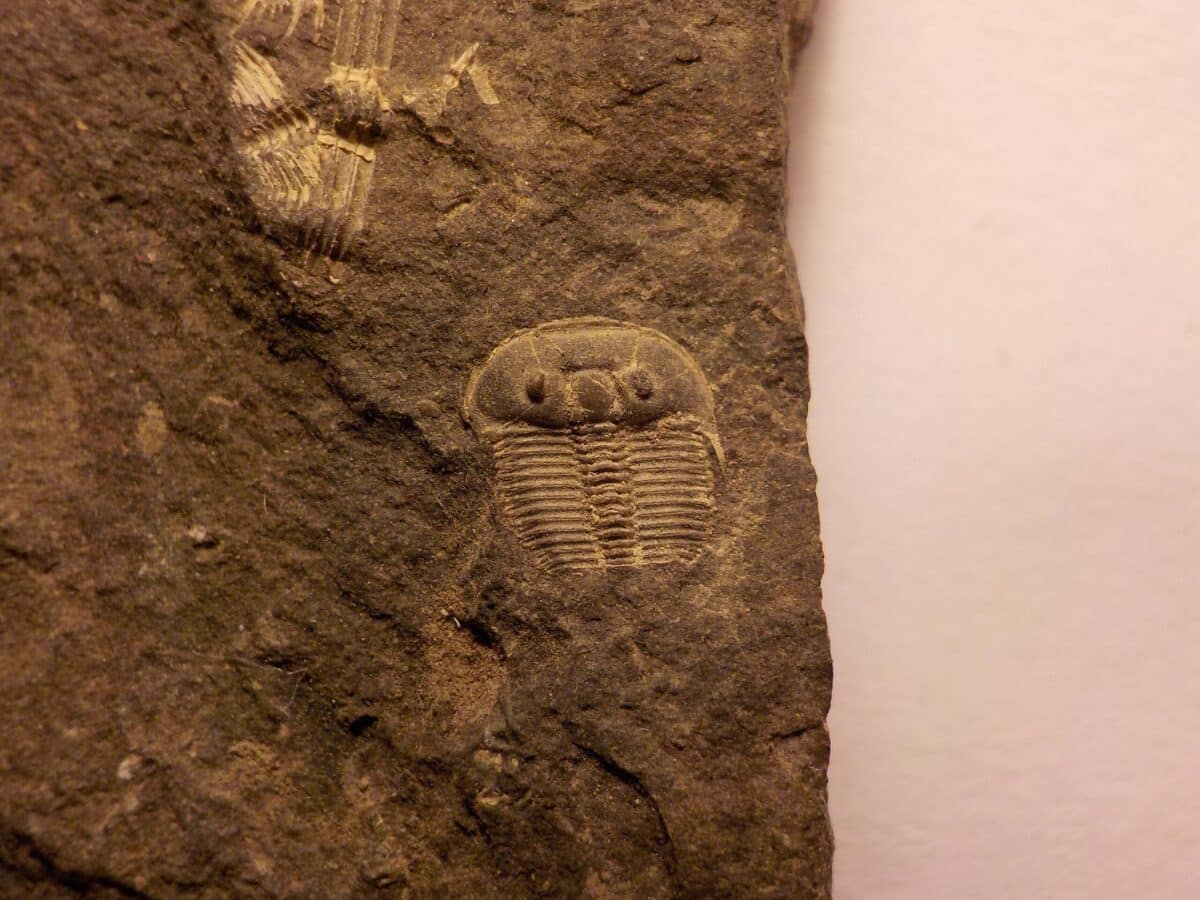
trilobite
Photo credit: Günter Bechly.

Fossil Friday: The Explosive Origin of Complex Eyes in Trilobites

The theory has been made immune to empirical falsification because it is simply assumed to be true by default as the only viable option for materialists. Read More ›

© Discovery Institute