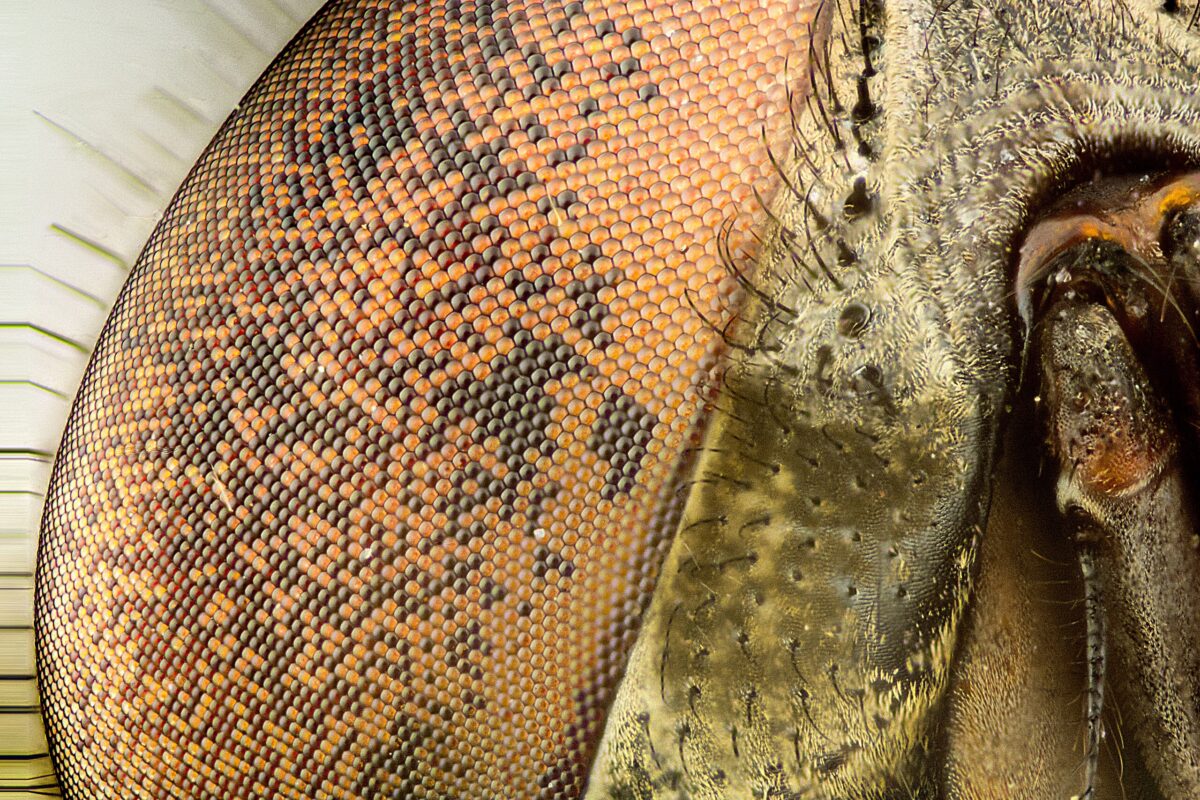
Compound_eye_(34195277211) Type post Author David Coppedge Date December 5, 2025 CategoriesBiologyIntelligent Design Tagged , architecture, armadillos, arthropods, beauty, beehive, biodiversity, biology, Biomimetics, butterfly wings, compound eyes, Darwinism, design, engineering, evolution, False Messiah, function, Gothic cathedrals, honeycomb, intelligent design, multifunctionality, Neil Thomas, phylogeny, reptiles, scales, sunflowers Tiled Beauty: Functional Aesthetics in Biology David Coppedge December 5, 2025 Biology, Intelligent Design 7 Tessellated patterns are surprisingly prevalent in biology. Are these forms necessary for function, or mere consequences of natural laws? Read More ›
sunflowers 2 Type post Date July 30, 2020 CategoriesEvolution Tagged , adaptive mutations, biologists, bioRxiv, E. coli, evolution, hybridization, intelligent design, natural selection, Nature (journal), Neo-Darwinism, paleobiology, peer review, Proceedings of the National Academy of Sciences, punctuated equilibrium, random mutations, redundancy, Scopes Monkey Trial, stem cells, Stephen Jay Gould, sunflowers, University of British Columbia, University of Southern California Five New Biology Papers Show Cracks in Darwin’s Foundation Science & Culture July 30, 2020 Evolution 8 Are there rumblings of discontent? Is it getting safer to question the claims of conventional neo-Darwinism? Read More ›
honeybee Type post Date December 3, 2019 CategoriesIntelligent Design Tagged , __edited, bacterial flagella, Biomimetics, cars, computers, enzymes, evolution, fungi, intelligent design, Nature (journal), Nature Communications, Research, spider silk, spores, sunflowers, University of California ID-Friendly Biomimetic Research Continues Apace Science & Culture December 3, 2019 Intelligent Design 4 The word “biomimetics” entered the dictionary in 1974. In the 45 years since, scientists have found design inspiration in everything biological from molecules to mammals. Read More ›