football-scene-at-night-match-with-close-up-of-a-soccer-shoe-276612450-stockpack-adobestock Type post Author David Klinghoffer Date June 20, 2026 CategoriesBiologyIntelligent Design Tagged , American flag, Ari Hoffman, Australia, Belgium, biologists, bones, cadaver, Christian Pulisic, connective tissue, crowds, Diego Maradona, Egypt, FIFA, goalkeeper, human foot, inconvenience, intelligent design, ligaments, movement, multifunctionality, pedestrian area, Seattle, shock, soccer, Sports, tendons, terrorism, Townhall, trains, unguided evolution, United States, World Cup Real Star of the World Cup: The Human Foot David Klinghoffer June 20, 2026 Biology, Intelligent Design 3 In few sports, perhaps, does the foot stand out more. Emily Reeves offers an appreciation. Read More ›
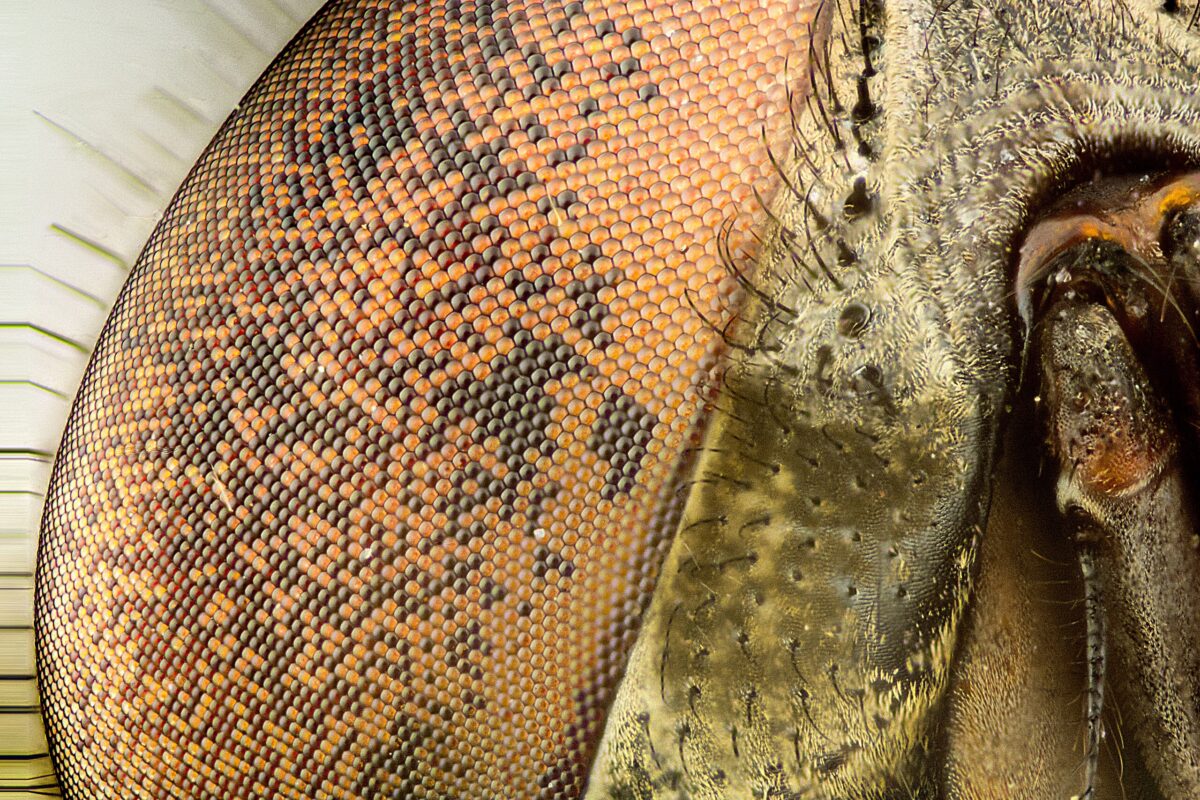
Compound_eye_(34195277211) Type post Author David Coppedge Date December 5, 2025 CategoriesBiologyIntelligent Design Tagged , architecture, armadillos, arthropods, beauty, beehive, biodiversity, biology, Biomimetics, butterfly wings, compound eyes, Darwinism, design, engineering, evolution, False Messiah, function, Gothic cathedrals, honeycomb, intelligent design, multifunctionality, Neil Thomas, phylogeny, reptiles, scales, sunflowers Tiled Beauty: Functional Aesthetics in Biology David Coppedge December 5, 2025 Biology, Intelligent Design 7 Tessellated patterns are surprisingly prevalent in biology. Are these forms necessary for function, or mere consequences of natural laws? Read More ›
discus Type post Author Brian Miller Date October 10, 2024 CategoriesAnatomyEngineeringIntelligent Design Tagged , "poor design", Biomimetics, common ancestry, constraints, engineers, evolution, evolutionary biologists, humans, integration, intelligent design, Irreducible Complexity, miniaturization, movement, multifunctionality, Research, robotics, vertebrate limbs, wrist New Research: Stuart Burgess Demonstrates the Exquisite Engineering of Human Limbs Brian Miller October 10, 2024 Anatomy, Engineering, Intelligent Design 4 Burgess’s research represents yet another nail in the coffin of the standard evolutionary model. Read More ›
pine trees in snow Type post Author Emily Reeves Date January 25, 2024 CategoriesBiologyIntelligent DesignLife Sciences Tagged , branches, equations, hierarchy, intelligent design, methodology, multifunctionality, Paper Digest, reverse-engineering, roots, Stuart Burgess, trees, trunks, wind Paper Digest: Are Trees Well Designed? Emily Reeves January 25, 2024 Biology, Intelligent Design, Life Sciences 7 Consistent with Stuart Burgess’s general strategy, this paper is an excellent example of how ID research can be applied in a scientific discipline. Read More ›