Science and Culture Today Discovering Design in Nature
Topic

Irreducible Complexity
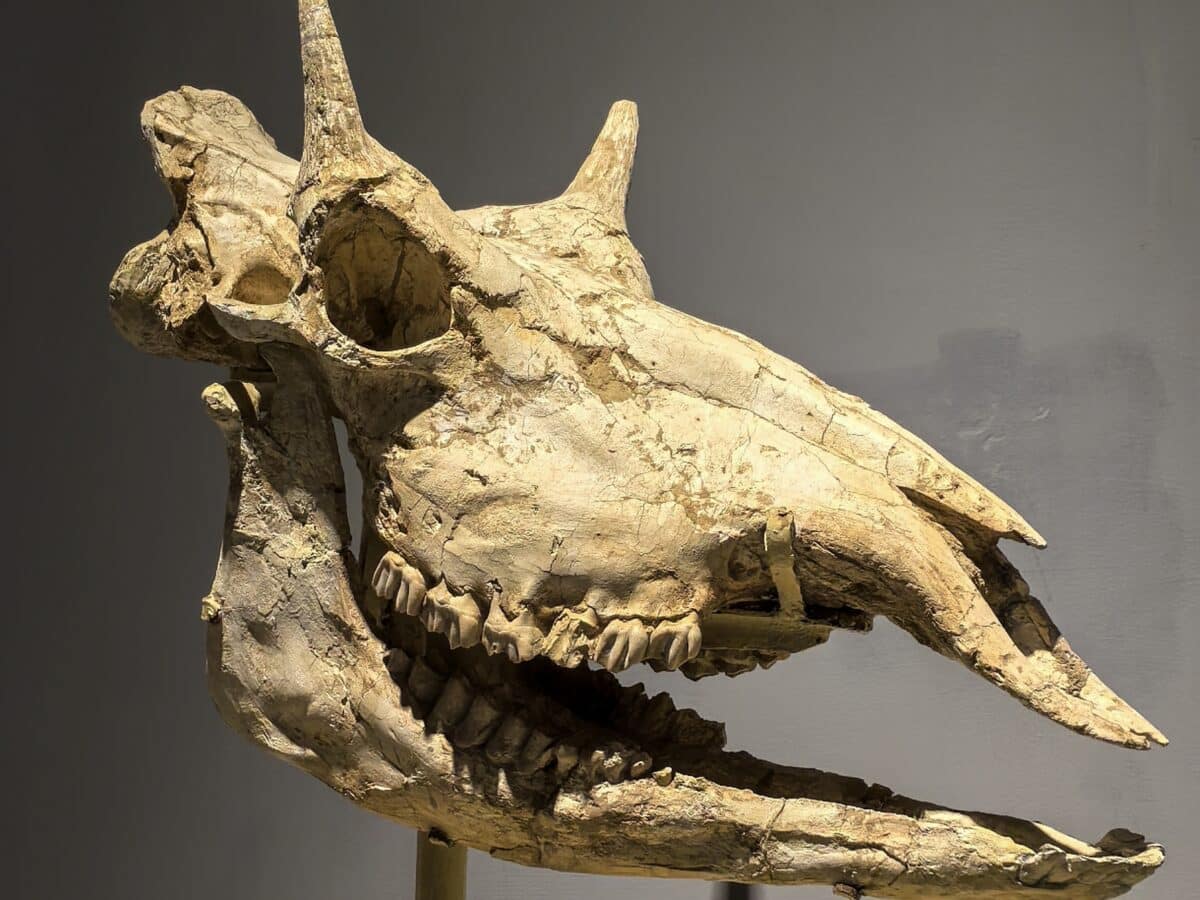
fossil_croc
Photo credit: Dallas Krentzel, CC BY 2.0 <https://creativecommons.org/licenses/by/2.0>, via Wikimedia Commons.

Fossil Explosions Persist, and Other Confirmations of Intelligent Design

From 2016 until his tragic death in 2025, Bechly made many important contributions to ID literature on the topic of fossil explosions in the history of life. Read More ›
mousetrap-with-cheese-1753117324-stockpack-adobestock
mousetrap with cheese
Image Credit: olaa - Adobe Stock

Darwin’s Black Box, 30 Years On: A Seminal Contribution to Biology

It makes sense to think that the T3SS didn’t evolve into the bacterial flagellum, but that the bacterial flagellum shed some protein parts to become a T3SS.  Read More ›
woman-stretching-hands-in-bed-after-wake-up-in-the-morning-c-391181239-stockpack-adobestock
Woman stretching hands in bed after wake up in the morning, Concept of a new day and joyful weekend.
Image Credit: oatawa - Adobe Stock

The Intelligent Design of Sleep

We’re asleep an average of about 26 years of our life! Most people have a sense that sleep is important. Read More ›
ELEPHANTEYEEMOTION
Photo credit: Anmol Waychal, CC BY-SA 4.0 <https://creativecommons.org/licenses/by-sa/4.0>, via Wikimedia Commons.

Restoring Our Vision: Michael Behe and Darwin’s Black Box

What has always stirred me with a deep set of conflicting emotions is his reference to the “elephant in the room.”  Read More ›
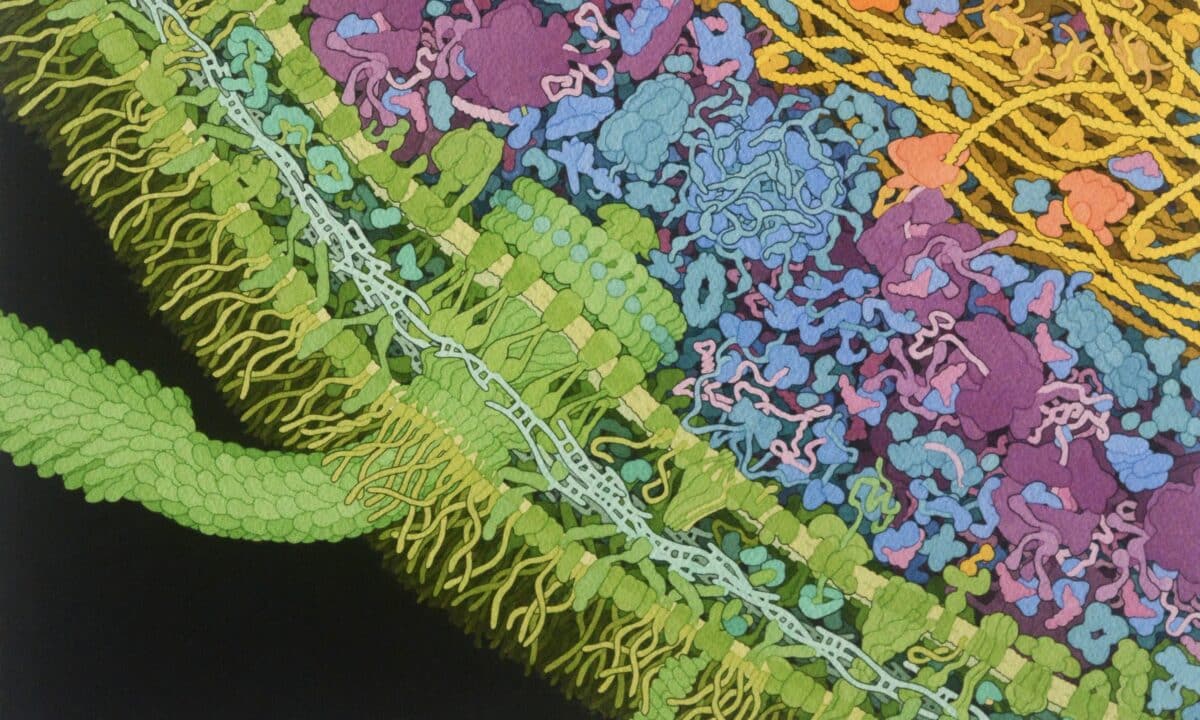
bacterial-flagellar-motor-proton-driven-rotary-nanomachine-2107298604-stockpack-adobestock
Bacterial Flagellar Motor Proton-Driven Rotary Nanomachine
Image Credit: 岐岭 刘 - Adobe Stock

Mighty and Meek: Behe’s Great Work at Age 30

The sheer amount of research that has gone into trying to find alternative explanations to what Behe has proposed is mind-boggling. Read More ›
Ultrastructureofciliatedcellwithregularcilia
Photo credit; Aunapuu, M.; Kibur, P.; Järveots, T.; Arend, A., CC BY 4.0 <https://creativecommons.org/licenses/by/4.0>, via Wikimedia Commons.

Galloping Flagella and Cilia Railroads — Celebrating Darwin’s Black Box

These organelles, protruding from the cell into the environment, could not be built by a Darwinian mechanism. Read More ›
glowing-flagellar-motor-at-the-base-of-a-bacterial-flagellum-1251695756-stockpack-adobestock
Glowing flagellar motor at the base of a bacterial flagellum visualizing the rotary motion and its energy source
Image Credit: EtherealArt - Adobe Stock

Irreducible Behe: The Shy Revolutionary Who Took Down Darwin

The cell for Darwin was a black box. He was, in that sense, blind — and the blindness was the condition in which he formulated his theory. Read More ›
close-up-of-a-mouses-nose-stockpack-adobe-stock-856678805-stockpack-adobestock
Close-up of a mouse's nose
Image Credit: Gayan - Adobe Stock

Nose Knows Better than Darwinism; Design Logic Explains Why

"By mapping millions of neurons in mice, researchers discovered that smell receptors in the nose aren’t random at all." Read More ›
NASAsUAPIndependentStudyTeamMeetingNHQ202305310014
Photo source: NASA Headquarters / NASA/Joel Kowsky, Public domain, via Wikimedia Commons.

Luskin: If Aliens Exist, They Were Designed Just Like We Were

I’m an agnostic on these purported technologically super-advanced creatures with their physics-defying crafts. Read More ›
sloth
Photo: Brown-headed sloth, by Rhododendrites, CC BY-SA 4.0 <https://creativecommons.org/licenses/by-sa/4.0>, via Wikimedia Commons.

The Spine, Human and Otherwise: A Miracle of Embryological Development
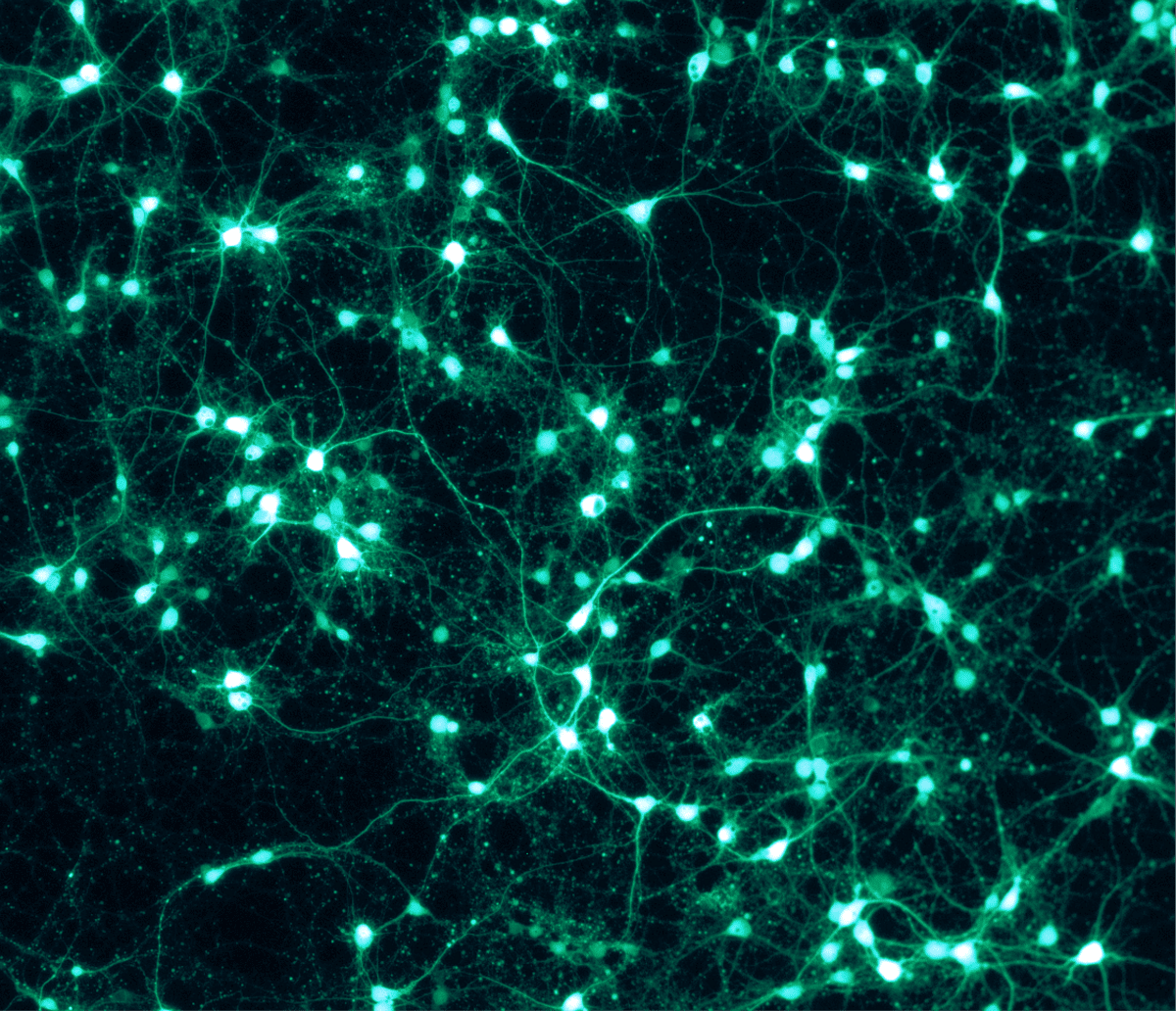
The sloth has ten neck vertebrae whereas almost all other mammals have seven. The sloth’s extra vertebrae allow it to swivel its neck almost all the way around Read More ›

© Discovery Institute