Science and Culture Today Discovering Design in Nature
Topic

brain

CuriousLizard167959851
Photo credit: Gerard Stańczak, CC BY 3.0 <https://creativecommons.org/licenses/by/3.0>, via Wikimedia Commons.

Return of the Lizard Brain? It Seems Not

It’s easy to see why people might latch onto the idea of a reptilian brain as an explainer, or an explainaway, for complex topics. Read More ›
9/11
Photo credit: Michael Foran, CC BY 2.0 <https://creativecommons.org/licenses/by/2.0>, via Wikimedia Commons.

Oppenheimer’s Demon Is “9/11 Times a Thousand”

For the 25th anniversary of 9/11 you may be wondering what to read or watch for the occasion. I have a few suggestions. Read More ›
120117-N-MH561-116
Photo source: U.S. Navy, by Capt. Jaime A. Quejada, Public domain, via Wikimedia Commons.

This Is Your Brain Under Anesthesia

Even with lighter anesthesia, the stuff of nightmares is unlikely. Your mind is still there, just not taking calls. Read More ›
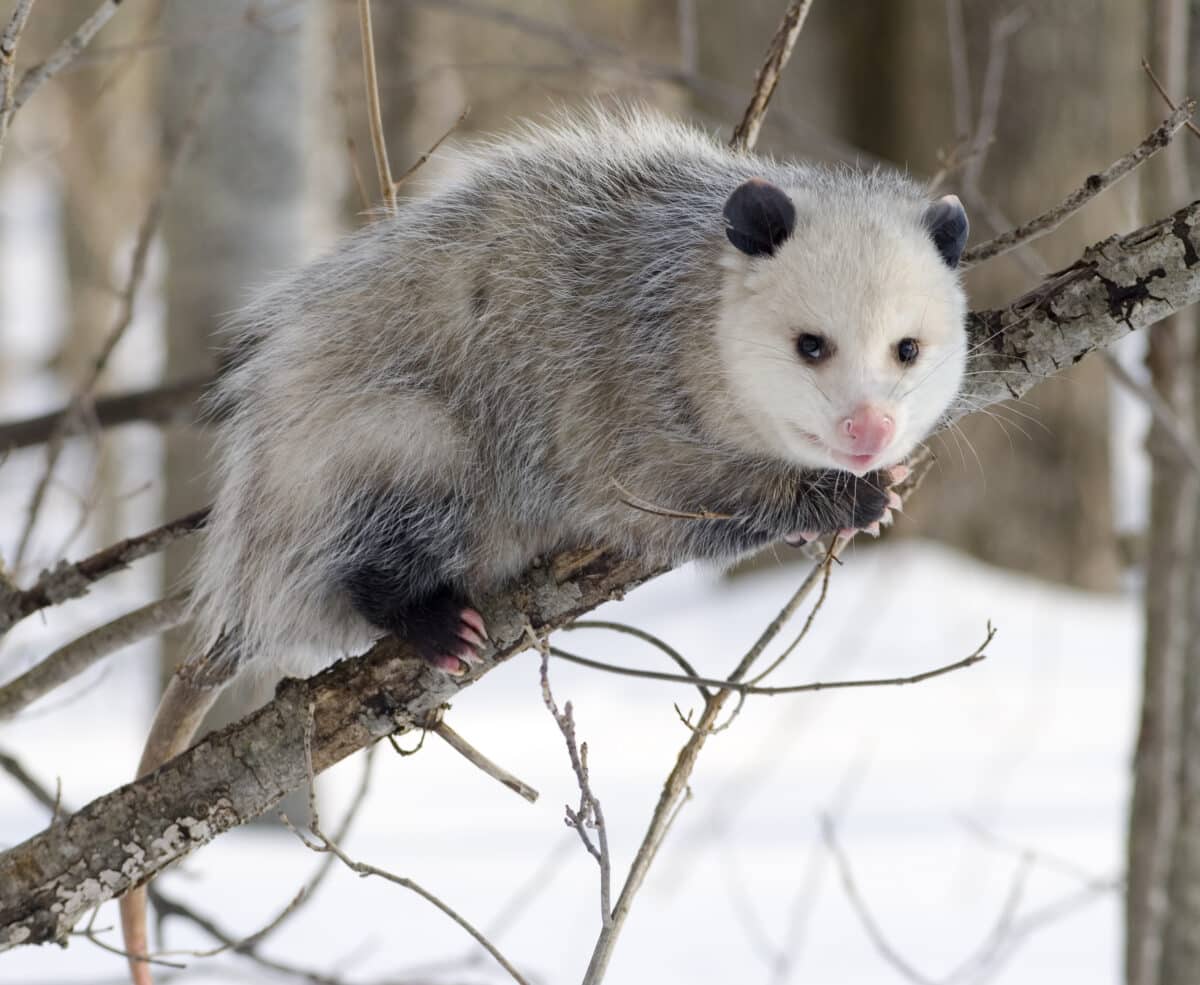
possum
Photo: A possum, by Cody Pope, CC BY-SA 2.5 <https://creativecommons.org/licenses/by-sa/2.5>, via Wikimedia Commons.

What’s an Explainaway? Here Is an Example from the Debate on Near-Death Experiences
Explainaways, whether possum tales or optical illusions, exist to protect a system from unwanted evidence by ignoring or dismissing it. Read More ›
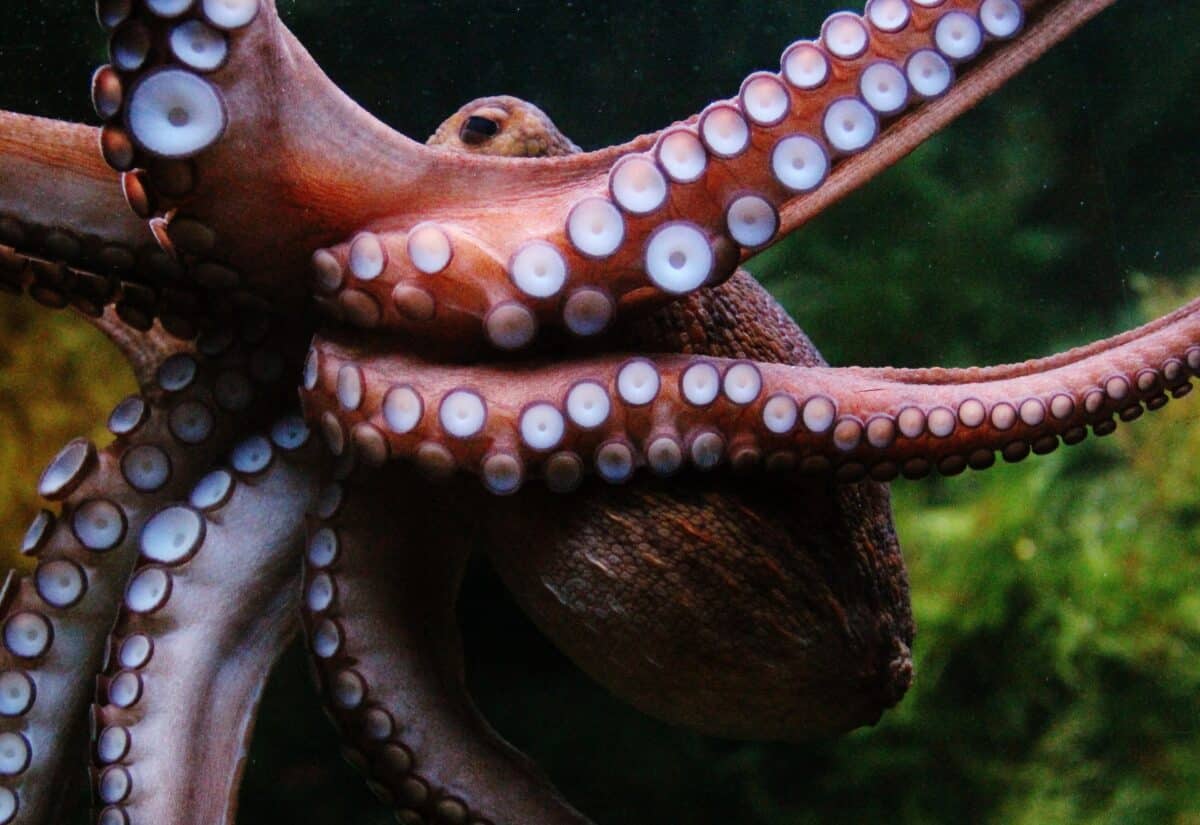
Octopustentacles
Photo credit: damn_unique, CC BY-SA 2.0 <https://creativecommons.org/licenses/by-sa/2.0>, via Wikimedia Commons.

Hey Octopus, How Did You Get to Be So Smart?
With the asocial brain hypothesis, researchers ask us to think beyond traditional explanations for why some animals display unexpected intelligence. Read More ›
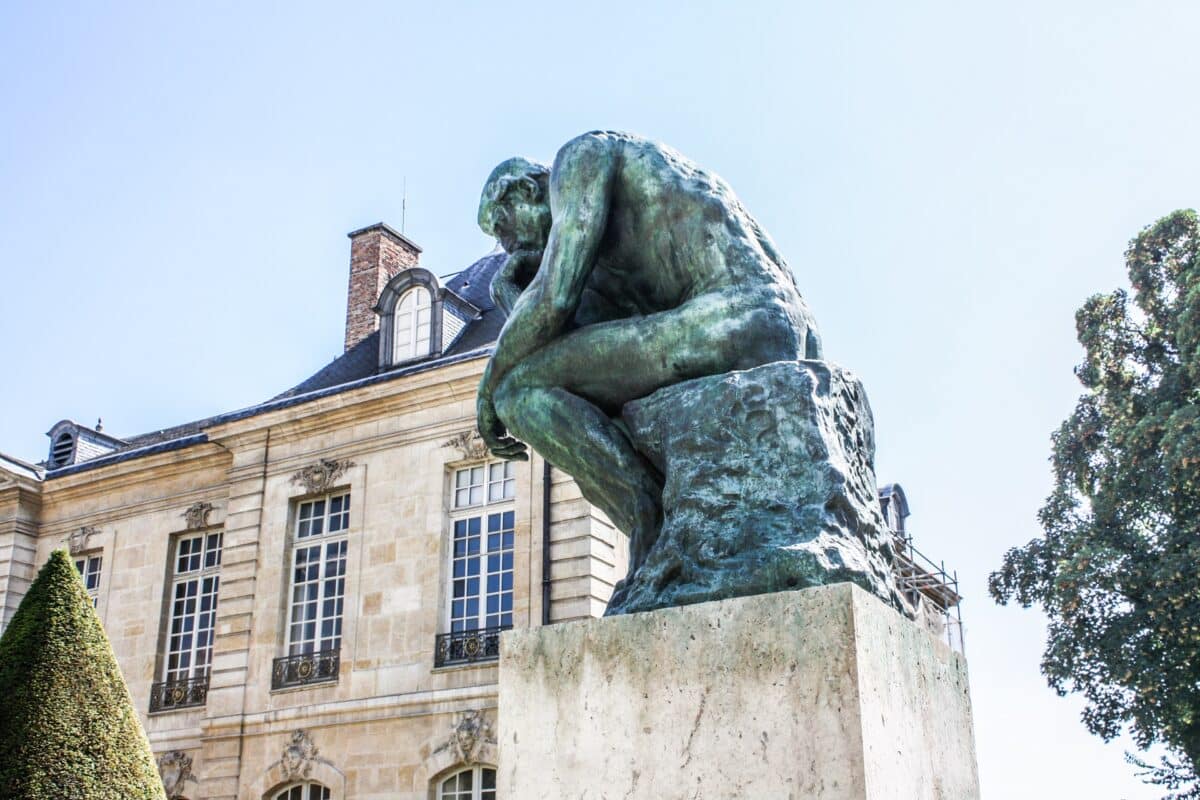
LePenseurintheJardinduMuseeRodinParisAugust2013
Photo: The Thinker, by Shadowgate from Novara, ITALY, CC BY 2.0 <https://creativecommons.org/licenses/by/2.0>, via Wikimedia Commons.

Can You Trust Your Thoughts? The Argument from Reason and Its Implications for Darwinism
If human thoughts are merely the result of blind physical processes, then there is no logical basis for trusting our own minds. Read More ›
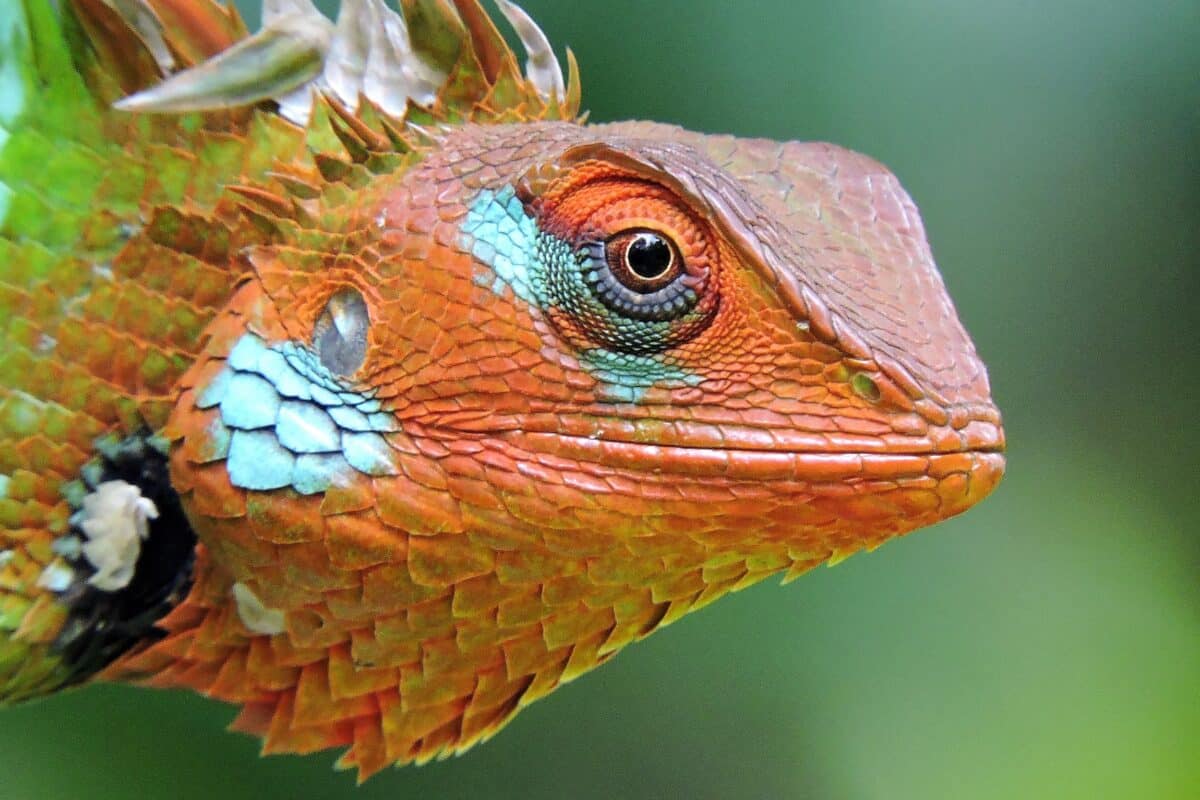
ThelizardofLizard
Photo credit: BGK Gayashan, CC BY-SA 4.0 <https://creativecommons.org/licenses/by-sa/4.0>, via Wikimedia Commons.

McGill University Refutes Pop-Psychology Claim that Humans Have a “Lizard Brain”

The false belief traces back to the fact that Carl Sagan was one of its strongest proponents. Read More ›
MindcharityshopChaseSideSouthgate
Photo credit: Philafrenzy, CC BY-SA 4.0 <https://creativecommons.org/licenses/by-sa/4.0>, via Wikimedia Commons.

“Mind as an Illusion” Makes No Sense

Philosophers of mind using their minds to prove that there is no mind do not help the credibility of their discipline. Read More ›
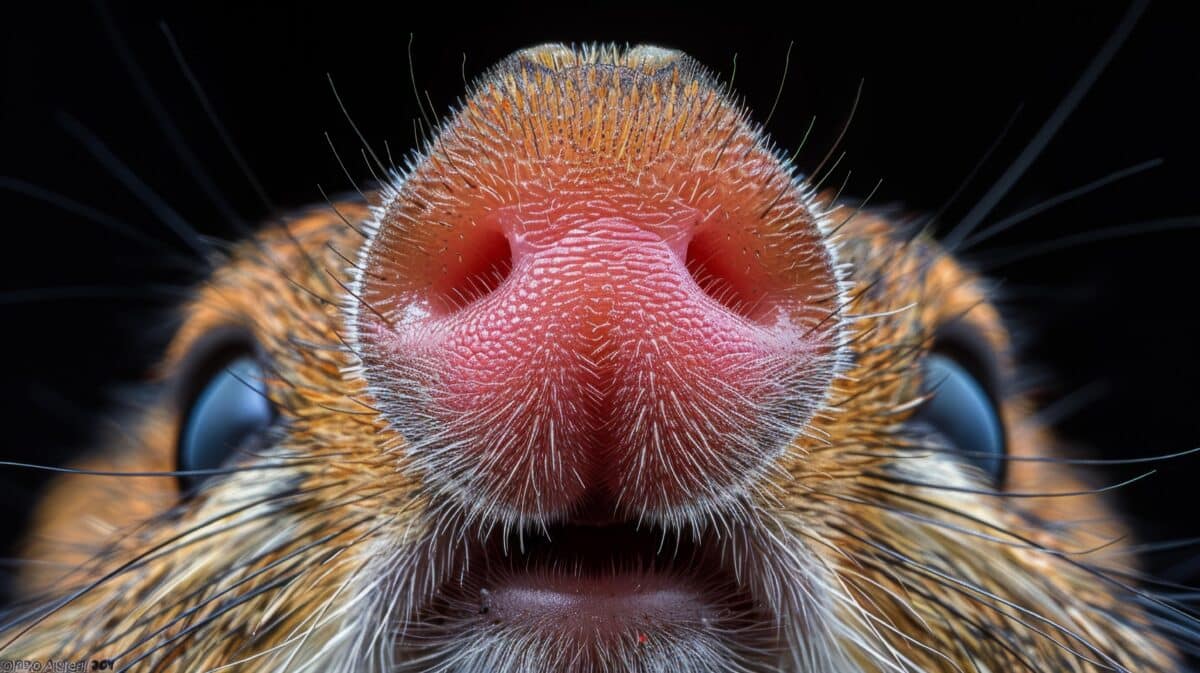
close-up-of-a-mouses-nose-stockpack-adobe-stock-856678805-stockpack-adobestock
Close-up of a mouse's nose
Image Credit: Gayan - Adobe Stock

Nose Knows Better than Darwinism; Design Logic Explains Why

"By mapping millions of neurons in mice, researchers discovered that smell receptors in the nose aren’t random at all." Read More ›
group-of-neanderthal-cavemen-hunting-a-mammoth-stone-age-hum-628718036-stockpack-adobestock
group of neanderthal cavemen hunting a mammoth, stone age humans
Image Credit: Alan - Adobe Stock

Let’s Catch Up with the Neanderthals!

Remember the famous Neanderthal brain that was supposed to be inferior to the modern one, rendering them the big, dumb brutes of legend? Read More ›

© Discovery Institute