





































Science and Culture Today Discovering Design in Nature
Topic

nervous system

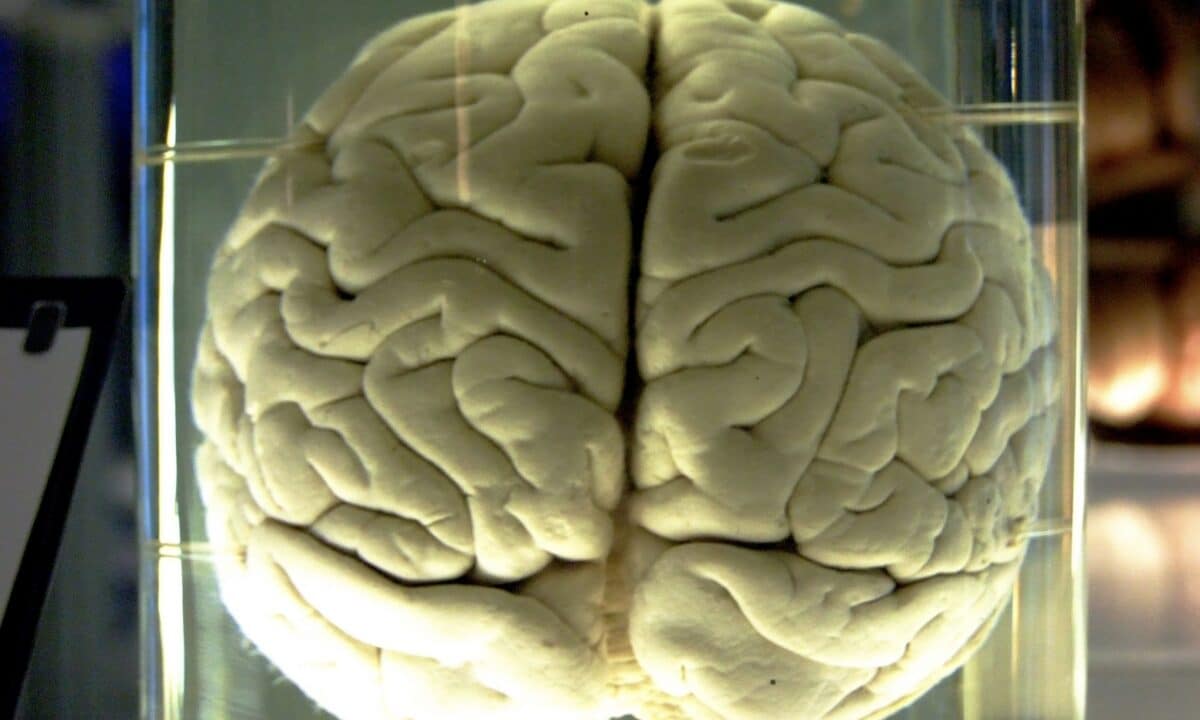
ChimpBraininajar
Photo credit: Gaetan Lee, tilt corrected by Kaldari., CC BY 2.0 <https://creativecommons.org/licenses/by/2.0>, via Wikimedia Commons.

Remarkable Engineering and the “Two Brains” Myth

Did two brains evolve into one? This is not a left brain/right brain thing. It is more like claims for a reptilian brain underlying our mammalian one. Read More ›
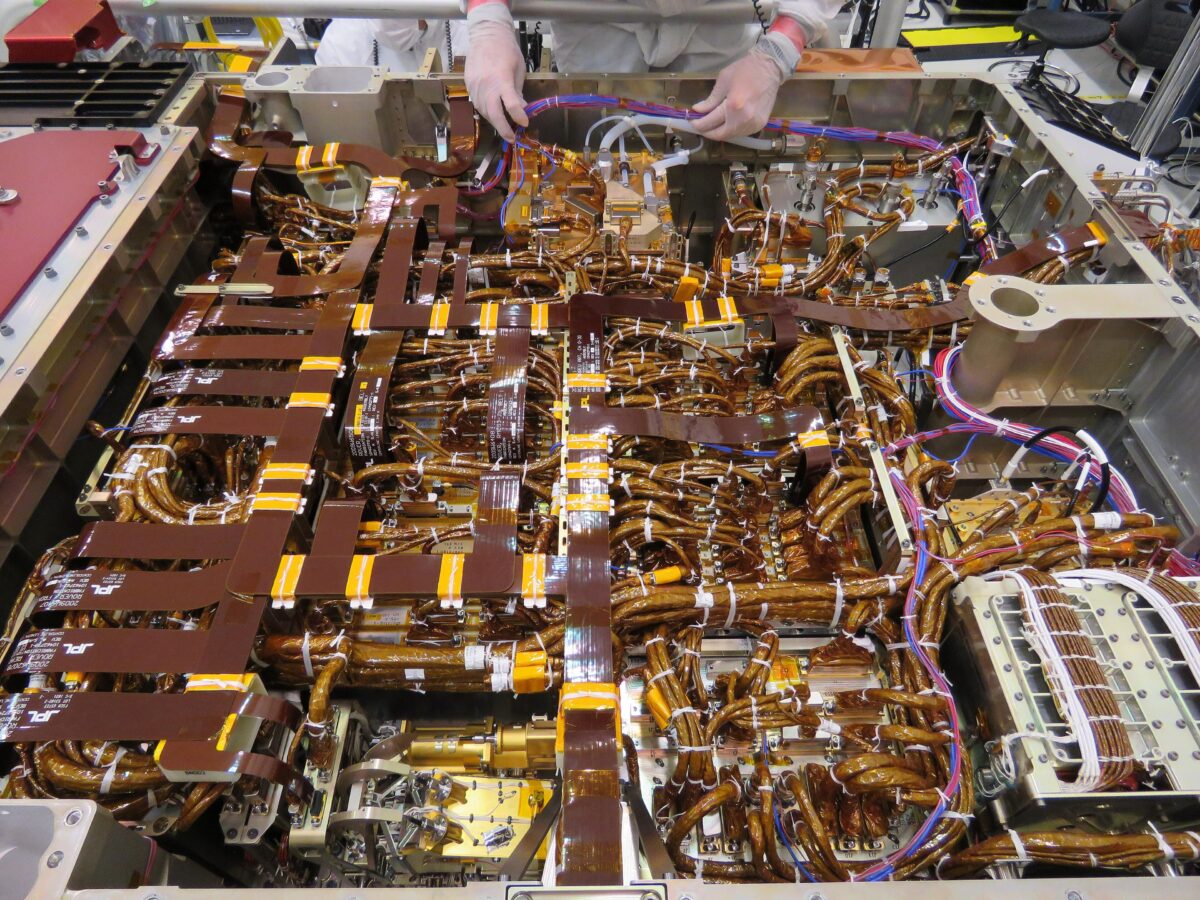
PIA23312-Mars2020-Rover-InvertedBodyWiring-20190601
Photo: Wiring for Mars 2020 rover, courtesy of NASA/JPL-Caltech, Attribution, via Wikimedia Commons.

Ultimate Wiring: Design Approach Explains the Recurrent Laryngeal Nerve
Think of a spacecraft. It might have 50 miles of wiring. In contrast, the human body has an incredible 50,000 miles of wiring. Read More ›
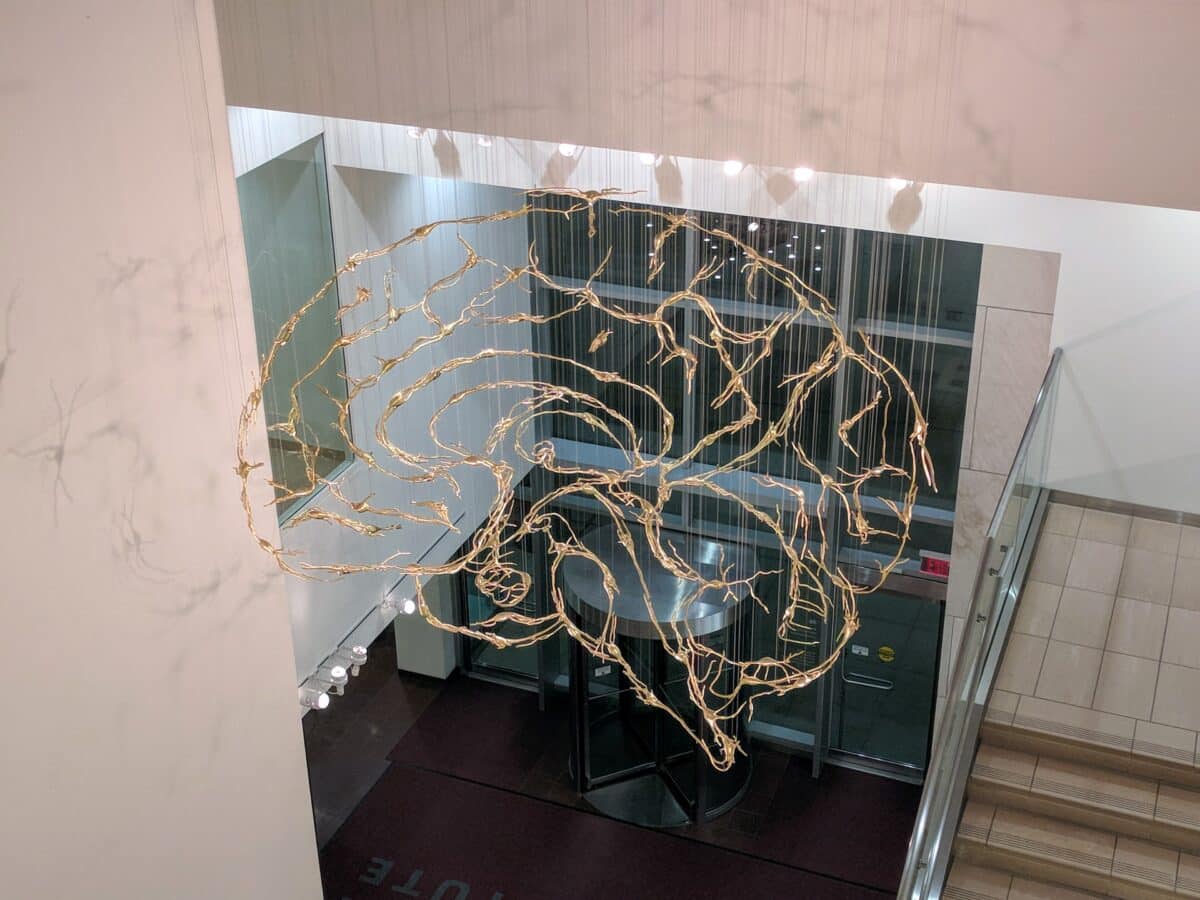
McGovernInstituteforBrainResearchSchwerpunkt
Photo credit: BXu99, CC BY-SA 4.0 <https://creativecommons.org/licenses/by-sa/4.0>, via Wikimedia Commons.

Precision Design Logic Explains Neural Wiring Guidance Better than Darwinism Does
This is why Darwinists can easily incorporate new discoveries into their origin narrative. It is because they never really address the true causal implications. Read More ›
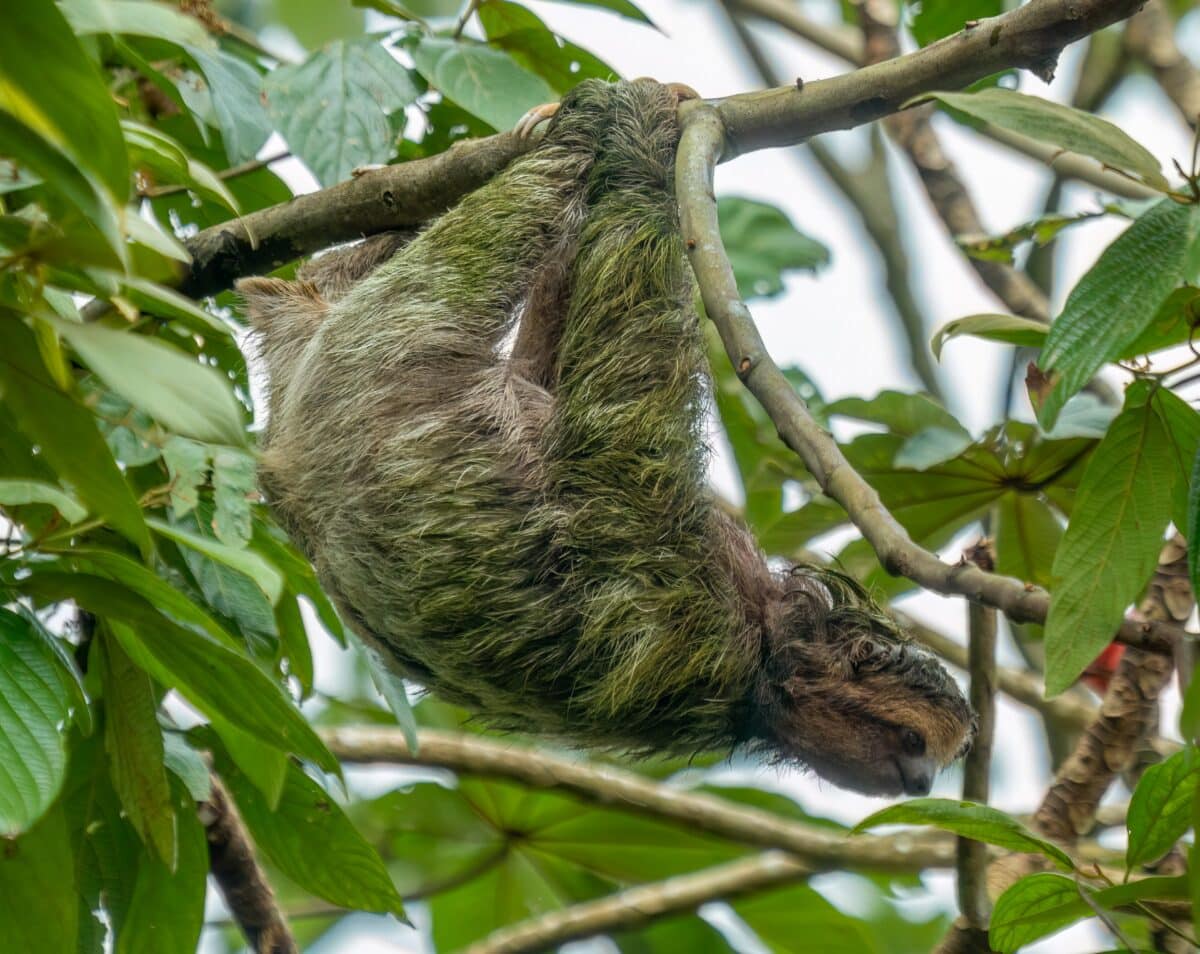
sloth
Photo: Brown-headed sloth, by Rhododendrites, CC BY-SA 4.0 <https://creativecommons.org/licenses/by-sa/4.0>, via Wikimedia Commons.

The Spine, Human and Otherwise: A Miracle of Embryological Development

The sloth has ten neck vertebrae whereas almost all other mammals have seven. The sloth’s extra vertebrae allow it to swivel its neck almost all the way around Read More ›
muscular-male-athlete-sprinter-running-fastexercising-outdoo-249047016-stockpack-adobestock
Muscular Male athlete sprinter running fast,exercising outdoors,jogging outside against gray concret background with copy space area for text message or ad content.Side view,full length
Image Credit: KleverLevel - Adobe Stock

Listen: Stuart Burgess Details Examples of Your Body’s Ultimate Engineering

He’ll relate the time he and famed biologist Richard Dawkins debated, and he’ll remind us why we are all qualified to evaluate scientific theories of origins. Read More ›
PteridiniumsimplexNamibia
Photo: Pteridinium simplex, an Ediacaran creature from Namibia, by Ghedoghedo, CC BY-SA 3.0 <https://creativecommons.org/licenses/by-sa/3.0>, via Wikimedia Commons.

Despite Exceptionally Well-Preserved Namibian Fossils, Ediacaran Mystery Remains

Simon Conway Morris described the Ediacaran ecology as a “sleepy” world of simple, passive creatures bearing no resemblance to what was to come. Read More ›
BrucodiSfingedellEuforbia3
Photo credit: Maurizio Carlini, CC BY-SA 4.0 <https://creativecommons.org/licenses/by-sa/4.0>, via Wikimedia Commons.

Physicist Eric Hedin: Information Processing as a Hallmark of Life

I begin a two-part conversation with Dr. Eric Hedin, a physicist and author who’s been asking bold questions about the hidden patterns of life. Read More ›
Cyclomedusa_Muséum_Grenoble_03082017
Photo credit: Vassil, CC0, via Wikimedia Commons.

Fossil Friday: An Ediacaran Animal with a Question Mark
To claim that such undefinable blobs in sandstone represent fossils of the oldest motile animals is massively overselling the evidence to say the least. Read More ›
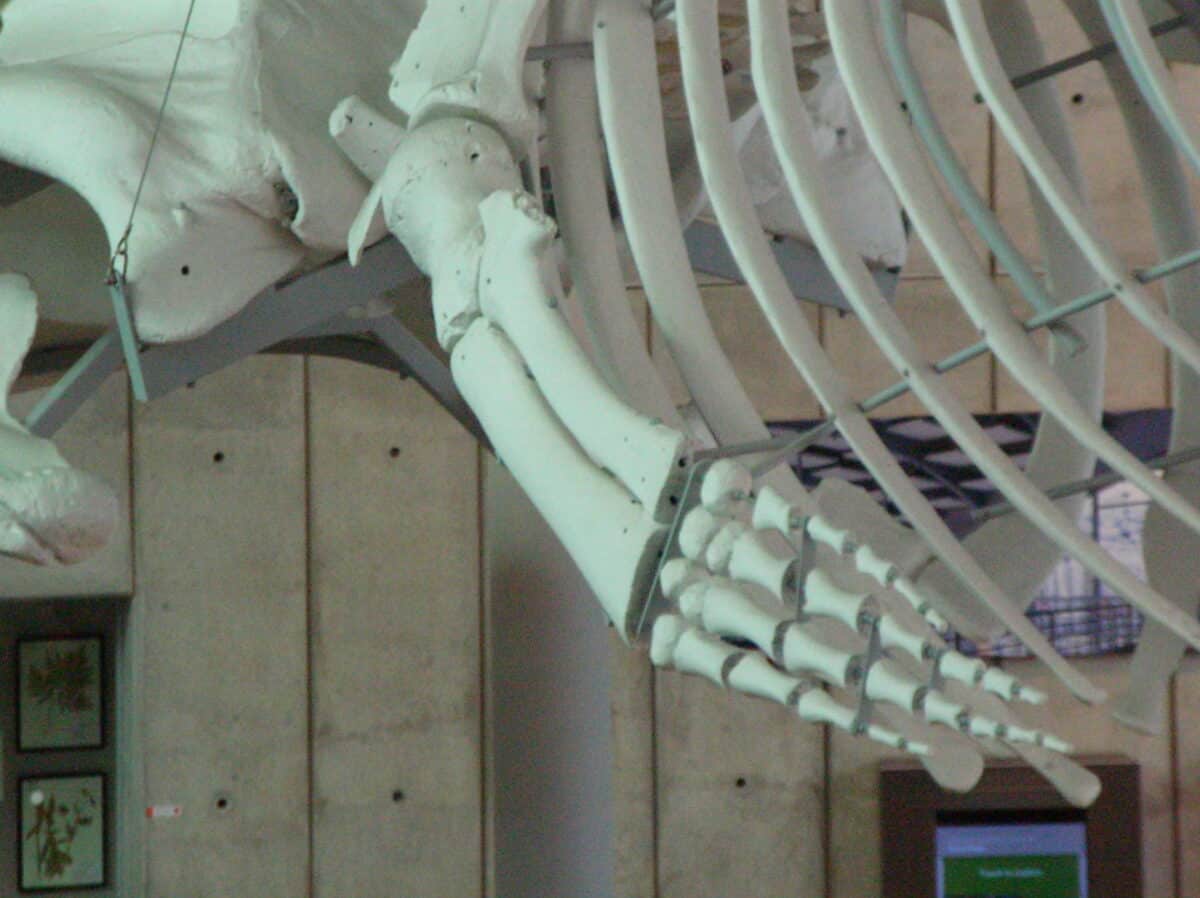
Blue_Whale_skeleton_CAS_left_lateral_flipper
Photo: Blue Whale flipper, by BrokenSphere, CC BY-SA 3.0 <https://creativecommons.org/licenses/by-sa/3.0>, via Wikimedia Commons.

Control Systems in Vertebrate Limbs Further Demonstrate that They Were Designed

Even if one limb suddenly transformed into another, the new limb would prove useless until its control system was entirely reengineered. Read More ›
Noon,_rest_from_work_-_Van_Gogh.jpeg
Image credit: Vincent van Gogh, Public domain, via Wikimedia Commons.

Consciousness — At Odds with the Flesh

The inescapable conclusion from studying the need for sleep is that the body cannot survive without a regular reprieve from effects of this system on the body. Read More ›

© Discovery Institute