Science and Culture Today Discovering Design in Nature
Topic

Africa

Knowles-Meyer
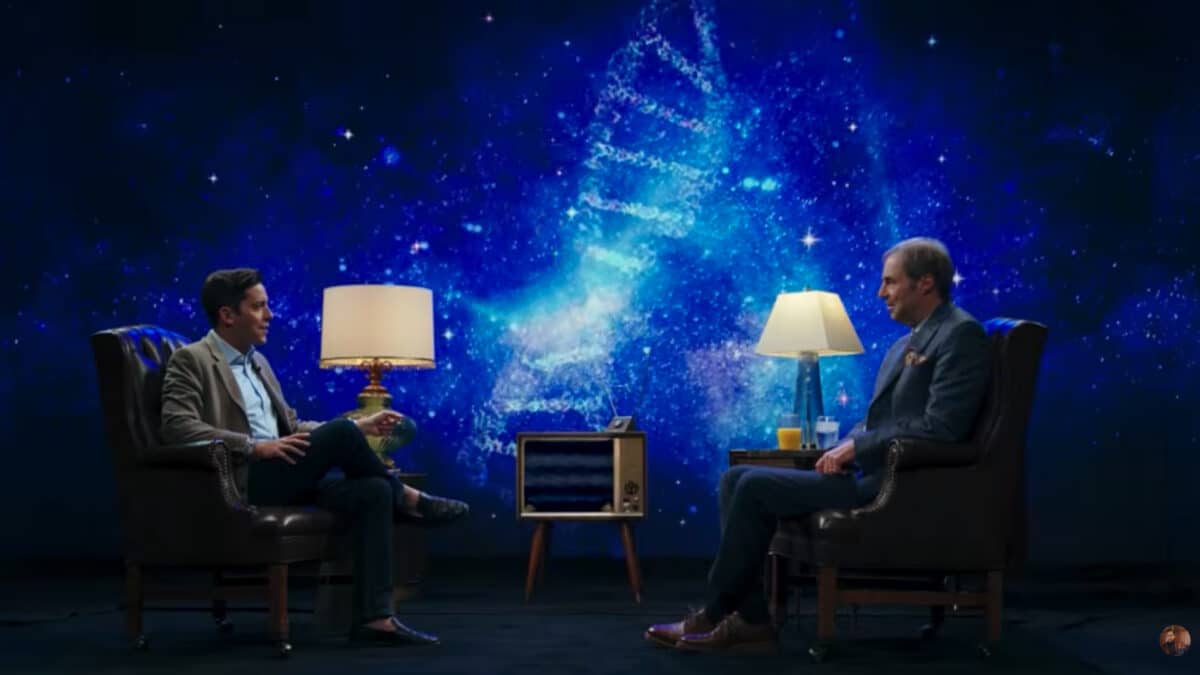
Photo source: The Michael Knowles Show, via YouTube (screenshot).

Meyer, Knowles: The Evolutionary Mystery of Language
If languages evolve in the familiar Darwinian manner, you would expect there to be a range of sophistication levels across the spectrum of human languages. Read More ›
HomoneanderthalensisTheNaturalHistoryMuseumVienna20
Photo credit: Jakub Hałun, CC BY-SA 4.0 <https://creativecommons.org/licenses/by-sa/4.0>, via Wikimedia Commons.

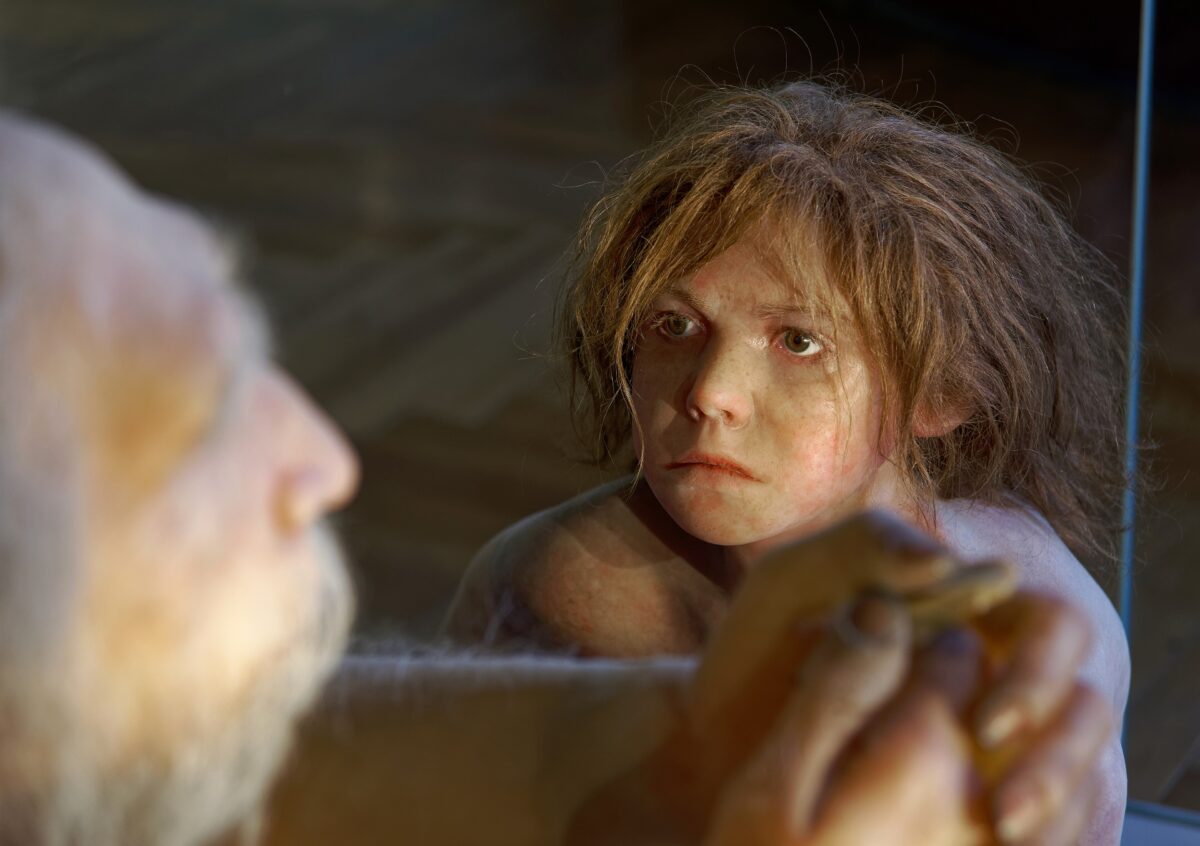
Harvard Geneticist Proposes Neanderthals Are Descended from Humans   
Humans and Neanderthals are so similar that Neanderthals provide no evidence we are closely related to some type of primitive non-human. Read More ›
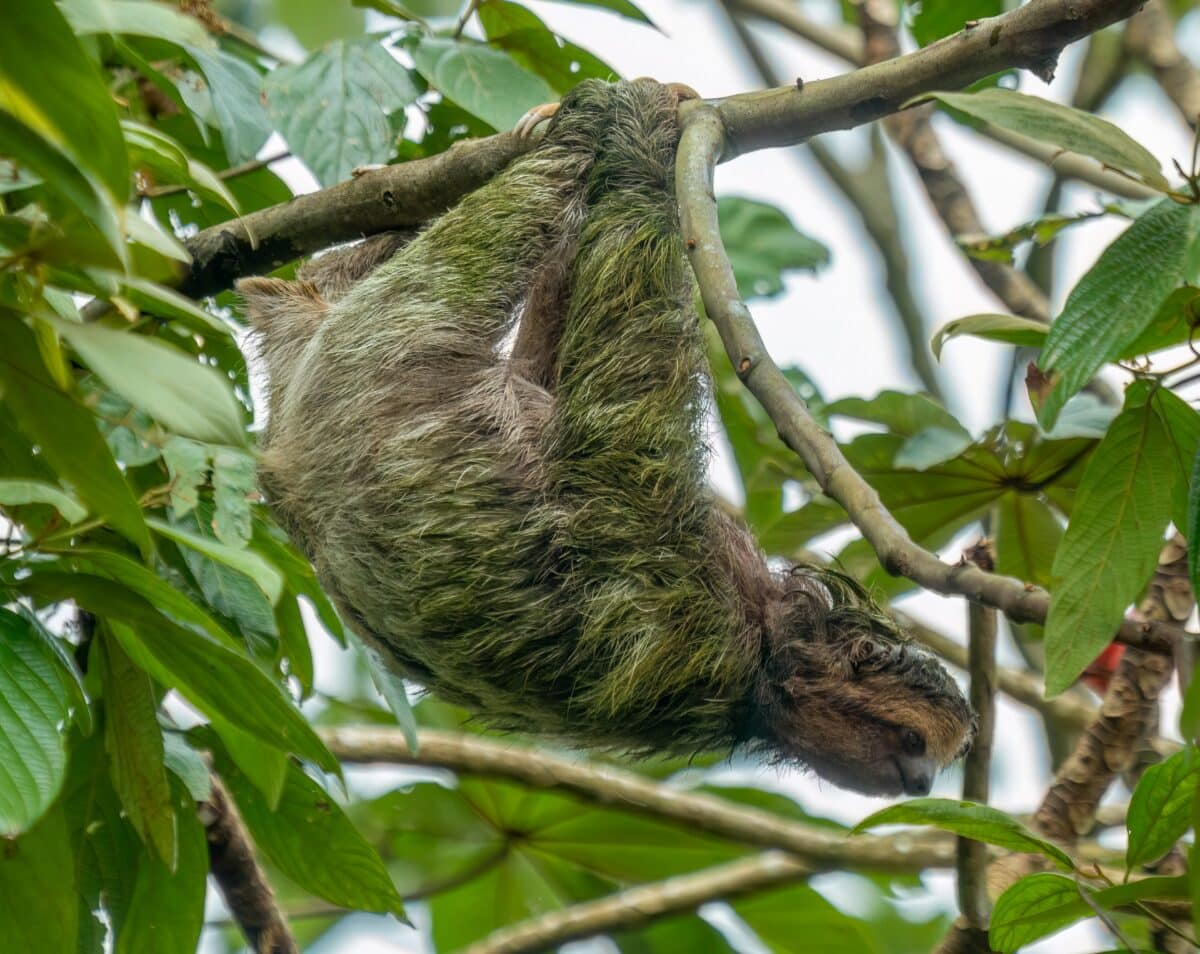
sloth
Photo: Brown-headed sloth, by Rhododendrites, CC BY-SA 4.0 <https://creativecommons.org/licenses/by-sa/4.0>, via Wikimedia Commons.

The Spine, Human and Otherwise: A Miracle of Embryological Development
The sloth has ten neck vertebrae whereas almost all other mammals have seven. The sloth’s extra vertebrae allow it to swivel its neck almost all the way around Read More ›
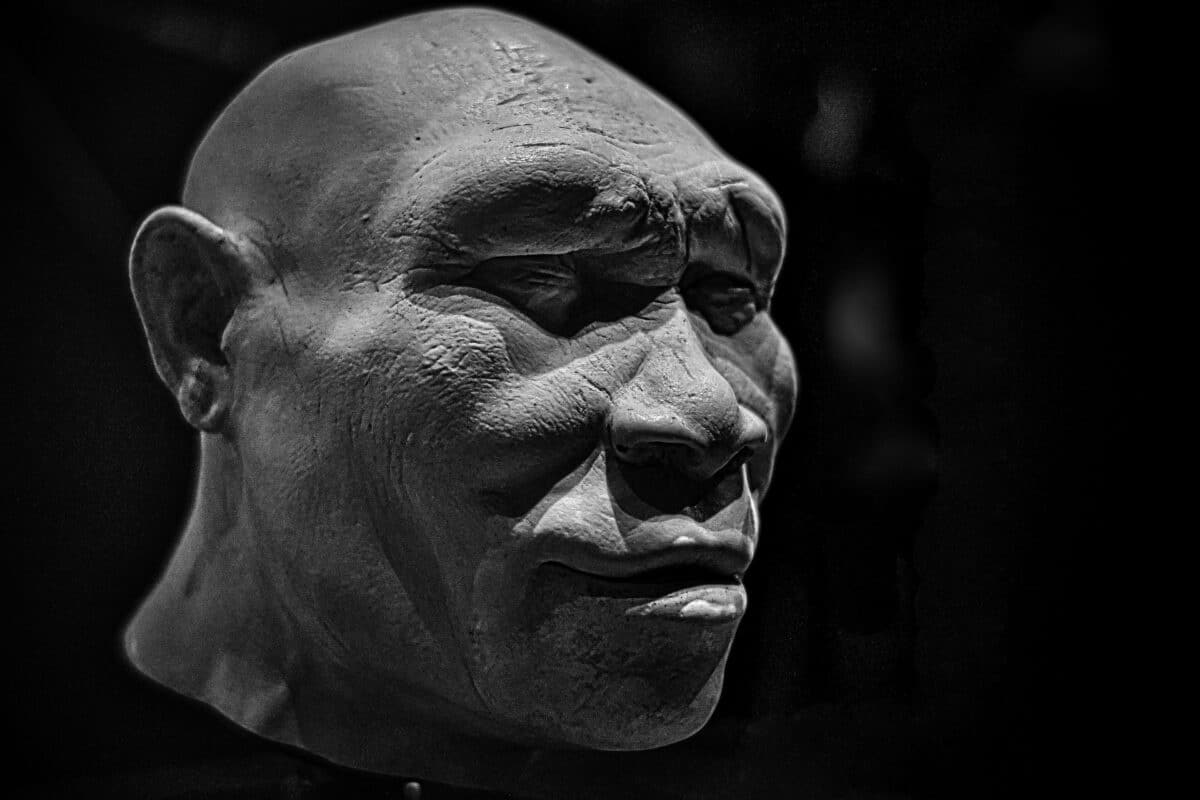
HomoerectusreconstructionNaturalHistoryMuseumLondon
Phot credti: Werner Ustorf], CC BY-SA 2.0 <https://creativecommons.org/licenses/by-sa/2.0>, via Wikimedia Commons.

Paper Defends Spoken Language in Homo erectus
The first thing that comes to mind in the context of intellectual capabilities is brain size. Read More ›
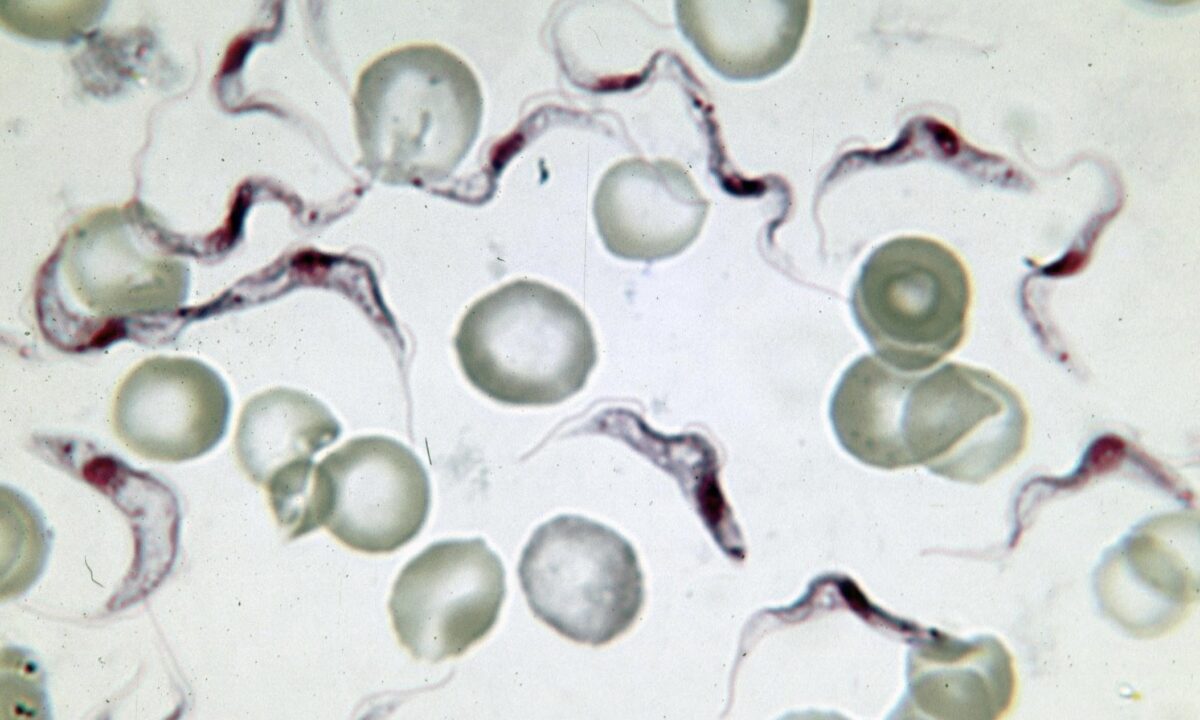
Trypanosoma-brucei
Photo: Trypanosoma brucei, by Alan R Walker, CC BY-SA 3.0 <https://creativecommons.org/licenses/by-sa/3.0>, via Wikimedia Commons.

Could Genetic Mutations Be Non-Random? New Evidence for Mutational Bias
The researchers examined the emergence of a mutation in the human APOL1 gene that confers protection from African sleeping sickness. Read More ›
Casablanca
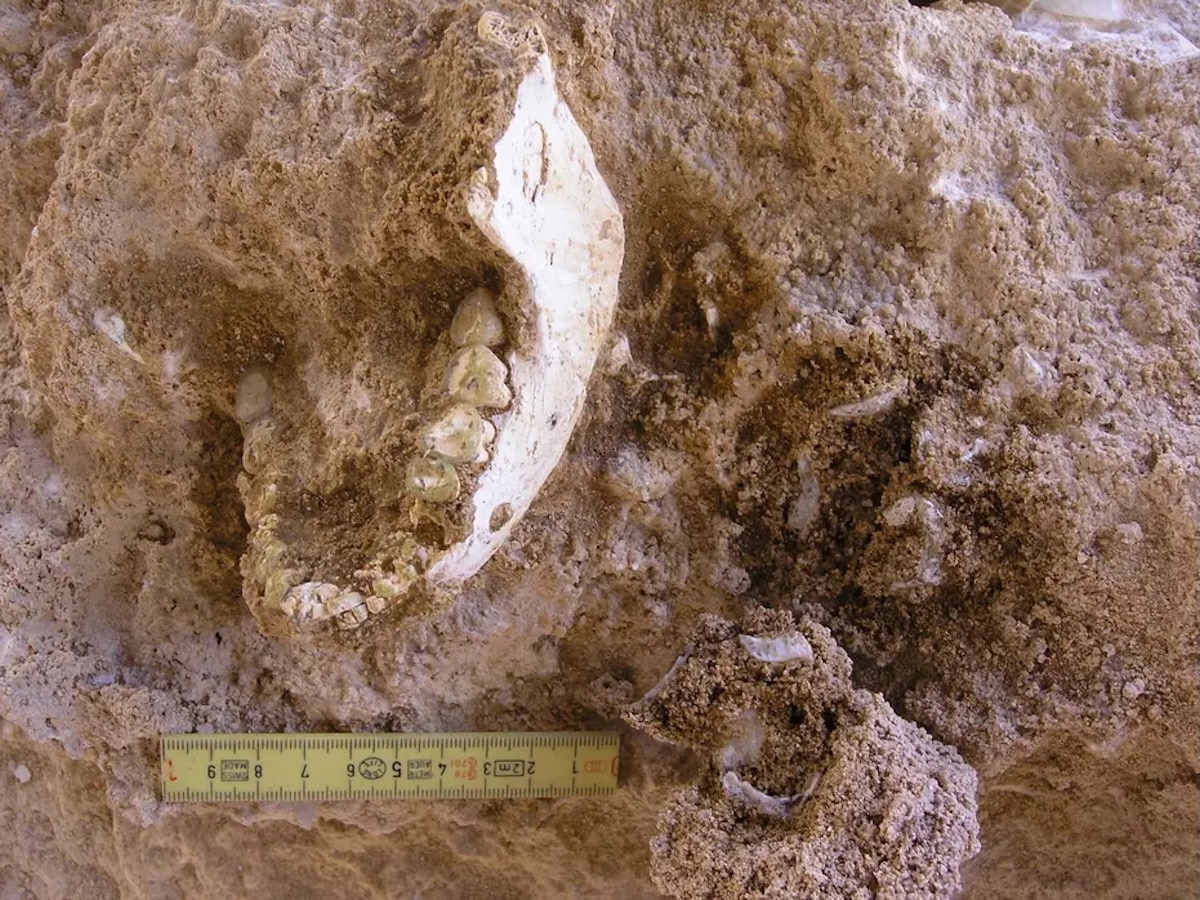
Photo credit: © Hamza Mehimdate, Programme Préhistoire de Casablanca.

Teeth, Jawbones, and Vertebrae Fuel Overblown Media Claims of a “Missing Link”
So we’re talking about fossils that are very humanlike, if not essentially completely human. Read More ›
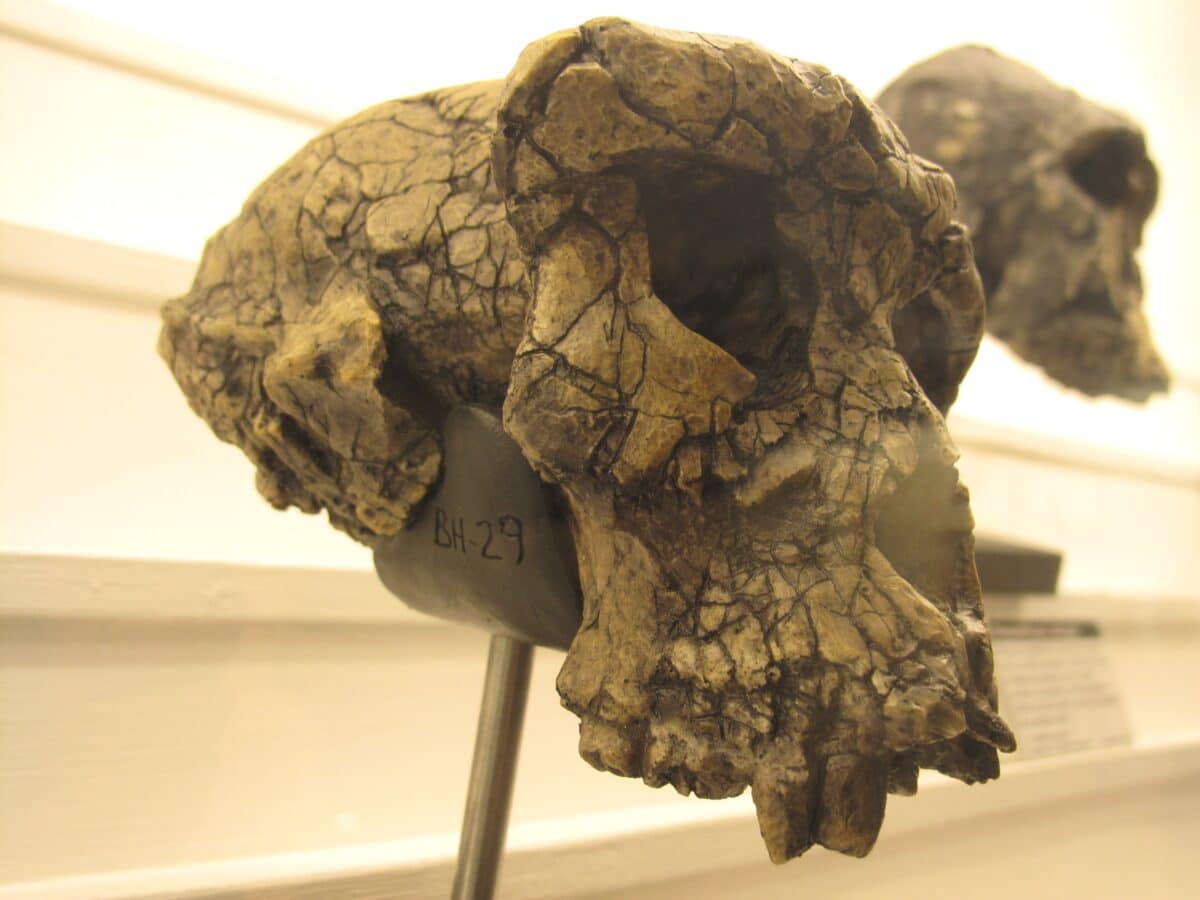
SahelanthropustchadensisIMG2949
Photo credit: Rama, CC BY-SA 3.0 FR <https://creativecommons.org/licenses/by-sa/3.0/fr/deed.en>, via Wikimedia Commons.

“Competition and Politics” Complicate Debate Over Sahelanthropus tchadensis

It seemed like lots of people wanted to forget about the femur, because years went by and nothing was published about the bone. Read More ›
a-group-of-monkeys-on-a-raft-in-a-river-carrying-bunches-of-1079923389-stockpack-adobestock
A group of monkeys on a raft in a river, carrying bunches of bananas.
Image Credit: aritha - Adobe Stock

In Evolution, Explaining vs. Explaining Away: Rafting Monkeys and More

Says Casey Luskin, "If you're an evolutionist, you have a serious problem. Where do South American monkeys come from?" Read More ›
JamesWatson2012TTChaoSymposium
Photo credit: Science History Institute, CC BY-SA 3.0 <https://creativecommons.org/licenses/by-sa/3.0>, via Wikimedia Commons.

For Good or Evil: The Contradictory Legacy of James D. Watson

Let’s hope that whoever writes the future history of science will, like the bidder for that Nobel medal, be merciful to him. Read More ›
Walter-Bradley
Photo credit: Nathan Jacobson.

Walter Bradley’s Wonderful Life — Scientist, Humanitarian, ID Proponent

Bradley changed many, many lives, and the world is a much better place because of him. Read More ›

© Discovery Institute