Science and Culture Today Discovering Design in Nature
Topic

interbreeding

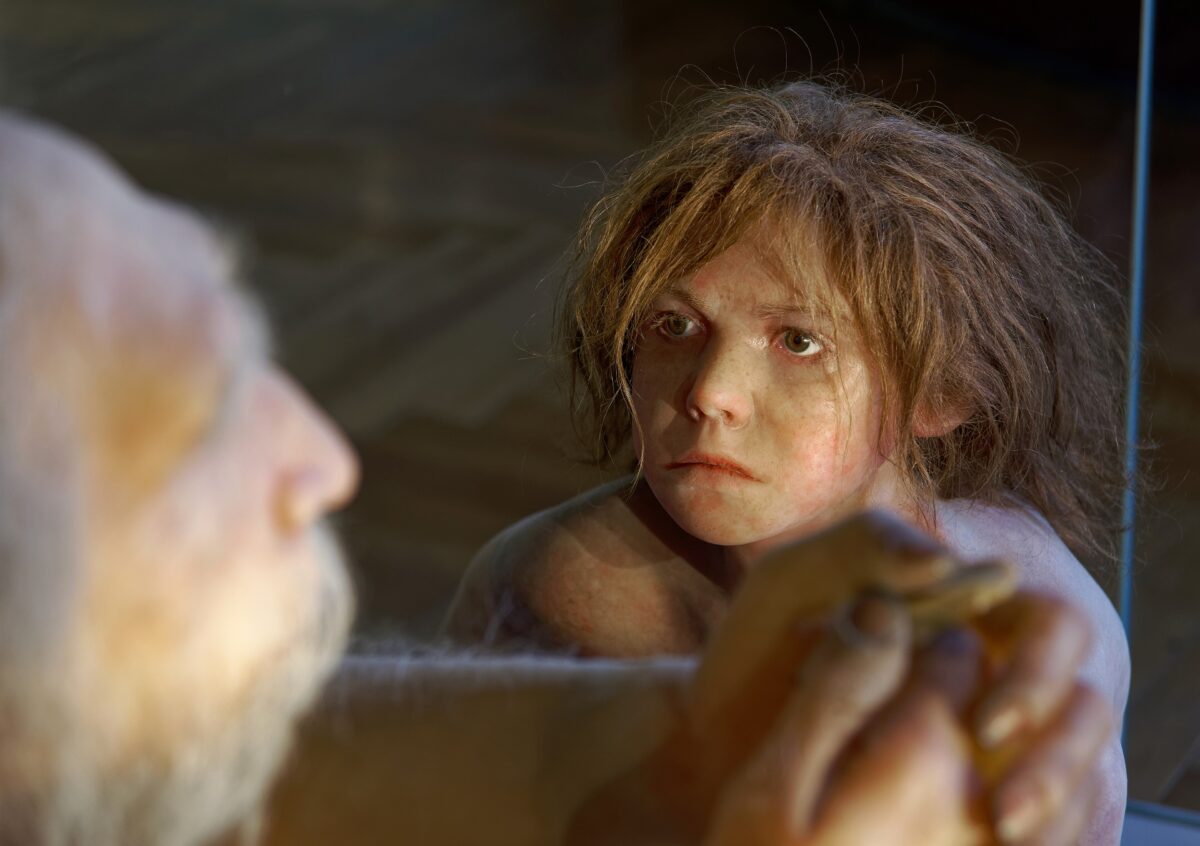
HomoneanderthalensisTheNaturalHistoryMuseumVienna20
Photo credit: Jakub Hałun, CC BY-SA 4.0 <https://creativecommons.org/licenses/by-sa/4.0>, via Wikimedia Commons.

Harvard Geneticist Proposes Neanderthals Are Descended from Humans   

Humans and Neanderthals are so similar that Neanderthals provide no evidence we are closely related to some type of primitive non-human. Read More ›
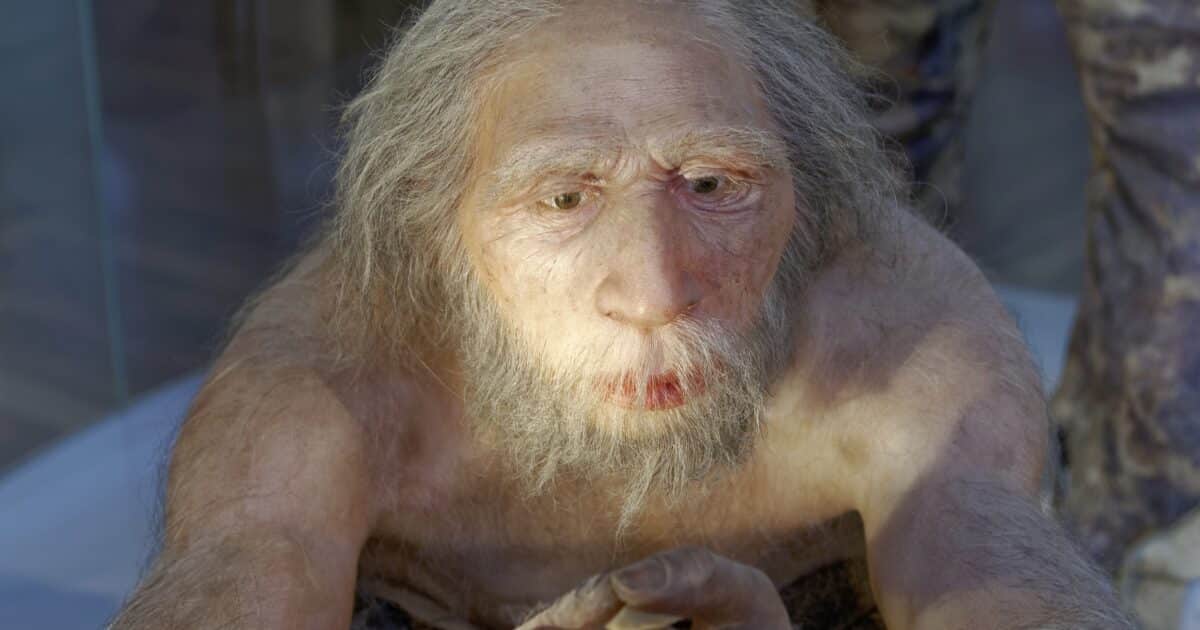
Homo_neanderthalensis,_The_Natural_History_Museum_Vienna,_20210730_1225_1277
Photo credit: Jakub Hałun, CC BY-SA 4.0 <https://creativecommons.org/licenses/by-sa/4.0>, via Wikimedia Commons.

Neanderthals Were a Lot More Like Humans than We Realize
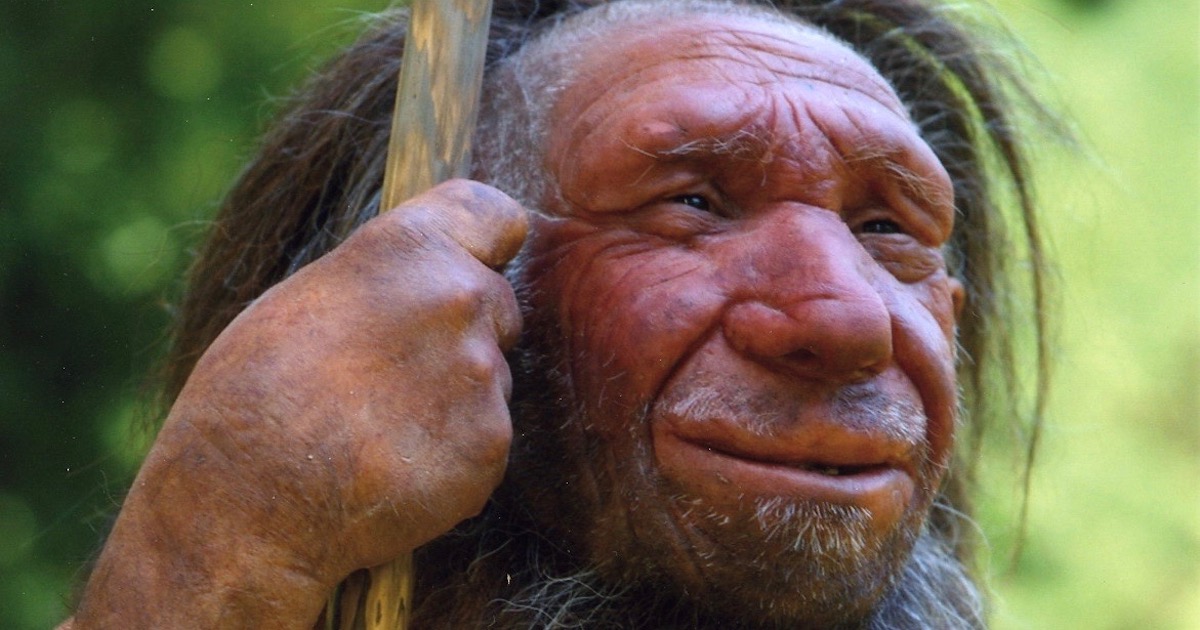
There’s still much we don’t know and the evidence is sparse — due in part to the fact that Neanderthals probably had a relatively small overall population size. Read More ›
Homo_sapiens_neanderthalensis-Mr._N
Image credit: Neanderthal-Museum, Mettmann, CC BY-SA 4.0 <https://creativecommons.org/licenses/by-sa/4.0>, via Wikimedia Commons.

Were Neanderthals and Humans the Same Species?

The evidence does not demonstrate that humans evolved from some kind of humanlike yet intellectually primitive precursor.  Read More ›
cave-painting

Dabar Postscript

A participant did not like that I called his origins model “idiosyncratic,” or that I characterized the reaction to it as “cautious.” Oh well. Read More ›
Snowshoe Hares
Photo credit: Snowshoe hares, via National Park Service.

Peppered Hares — An Emerging Evolutionary Icon
Some hares turn white in winter where it’s snowy, but remain brown in winter where it’s mild. What does that have to do with Darwinian evolution? Read More ›
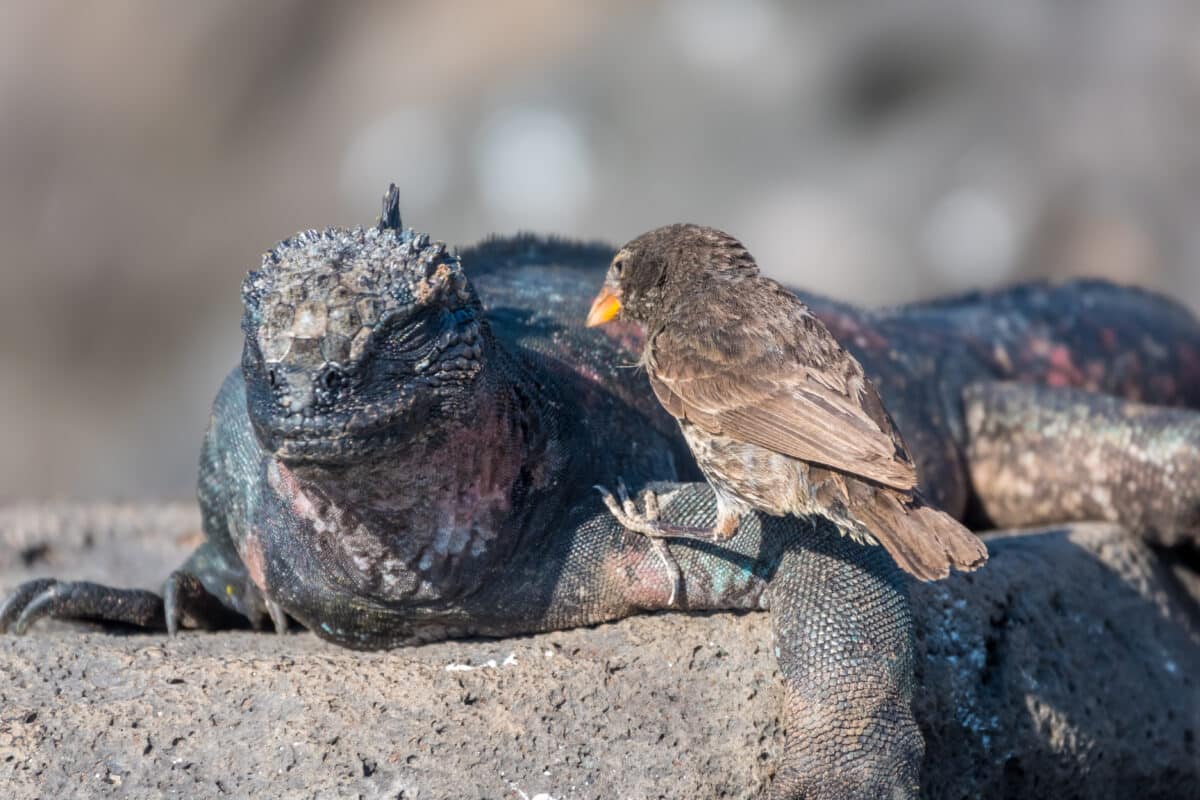
a-darwin-finch-eating-the-shading-skin-from-a-marine-iguana-326710988-stockpack-adobestock
A Darwin finch eating the shading skin from a marine iguana on Espanola Island, Galapagos Islands, Ecuador
Image Credit: Luis - Adobe Stock

Wired Science: One Long Bluff

According to a recent online report from Wired Science, “On one of the Galápagos islands whose finches shaped the theories of a young Charles Darwin, biologists have witnessed that elusive moment when a single species splits in two.” If it were true, this would be very important news. Evolutionary biologists have long recognized that Charles Darwin (despite the title of his most famous book) failed to solve what he called “the mystery of mysteries,” — the origin of species. Darwin argued that it happens by natural selection acting on small variations, but no one has ever observed the origin of a new species (“speciation”) by this process. Evolutionary biologist Keith Stewart Thomson wrote in 1997 that “a matter of unfinished Read More ›

© Discovery Institute