Science and Culture Today Discovering Design in Nature
Topic

Phys.org

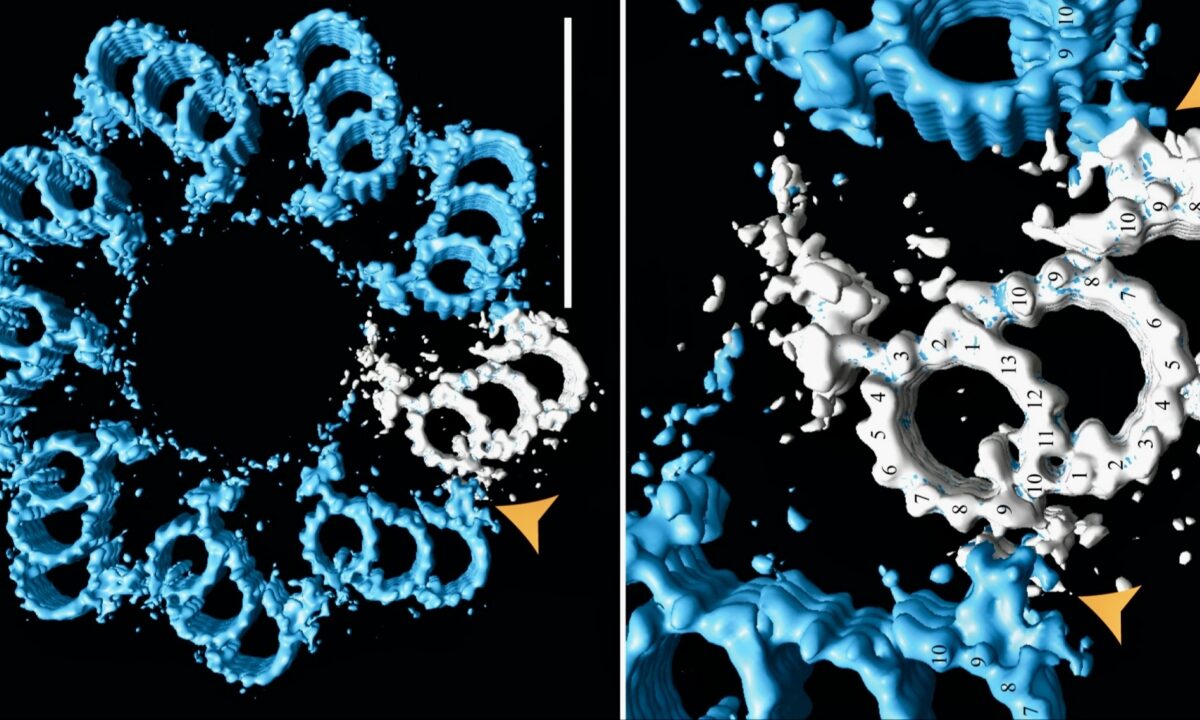
C-basalProximalTriplete-3
Image credit: Garrett A Greenan, Bettina Keszthelyi, Ronald D Vale, David A Agard,, CC BY 4.0 <https://creativecommons.org/licenses/by/4.0>, via Wikimedia Commons.

Centrioles Revealed as Part of a Large Signaling Network 

What molecular structure forms cartwheels, is architecturally beautiful, and is vital for cell division? Read More ›
Mezmaiskaya-Cave
Photo: Mezmaiskaya Cave, by Zurab dip, CC BY-SA 4.0 <https://creativecommons.org/licenses/by-sa/4.0>, via Wikimedia Commons.

Slow-Witted? Neanderthals Invented Their Own Tech — Didn’t Copy
Neanderthals cannot be the missing link that many paleontologists are looking for. But if the human mind has no history, there is no missing link. Read More ›
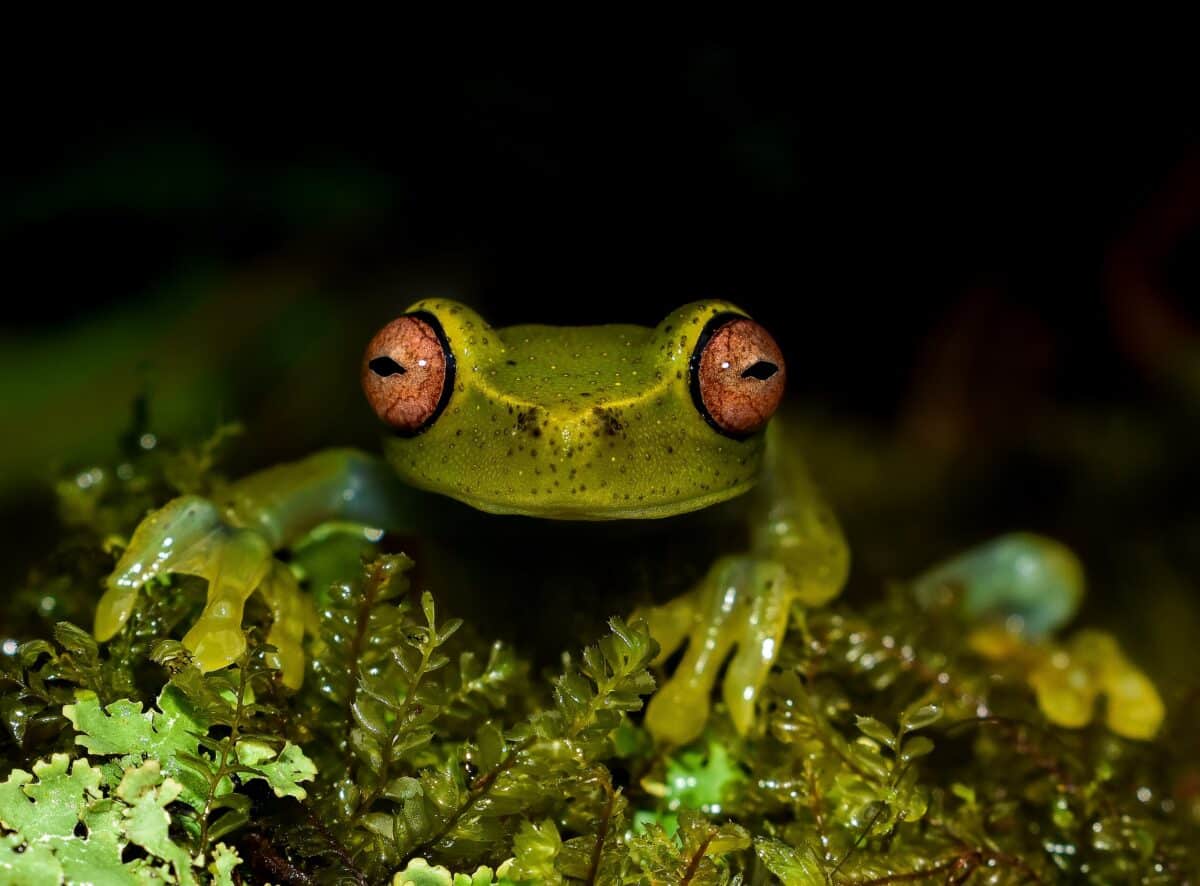
Aplastodiscus_arildae_no_Parque_Estadual_de_Caparao_por_Lucas_Rosado_(03)
Photo credit: Lucas Rosado Mendonça, CC BY-SA 4.0 <https://creativecommons.org/licenses/by-sa/4.0>, via Wikimedia Commons.

Circular Reasoning in Origin of Life Research: Insights from a Recent Study on the Genetic Code
This study compared sequences of proteins in modern organisms to reconstruct ancestral proteins believed to reside in the last universal common ancestor (LUCA). Read More ›
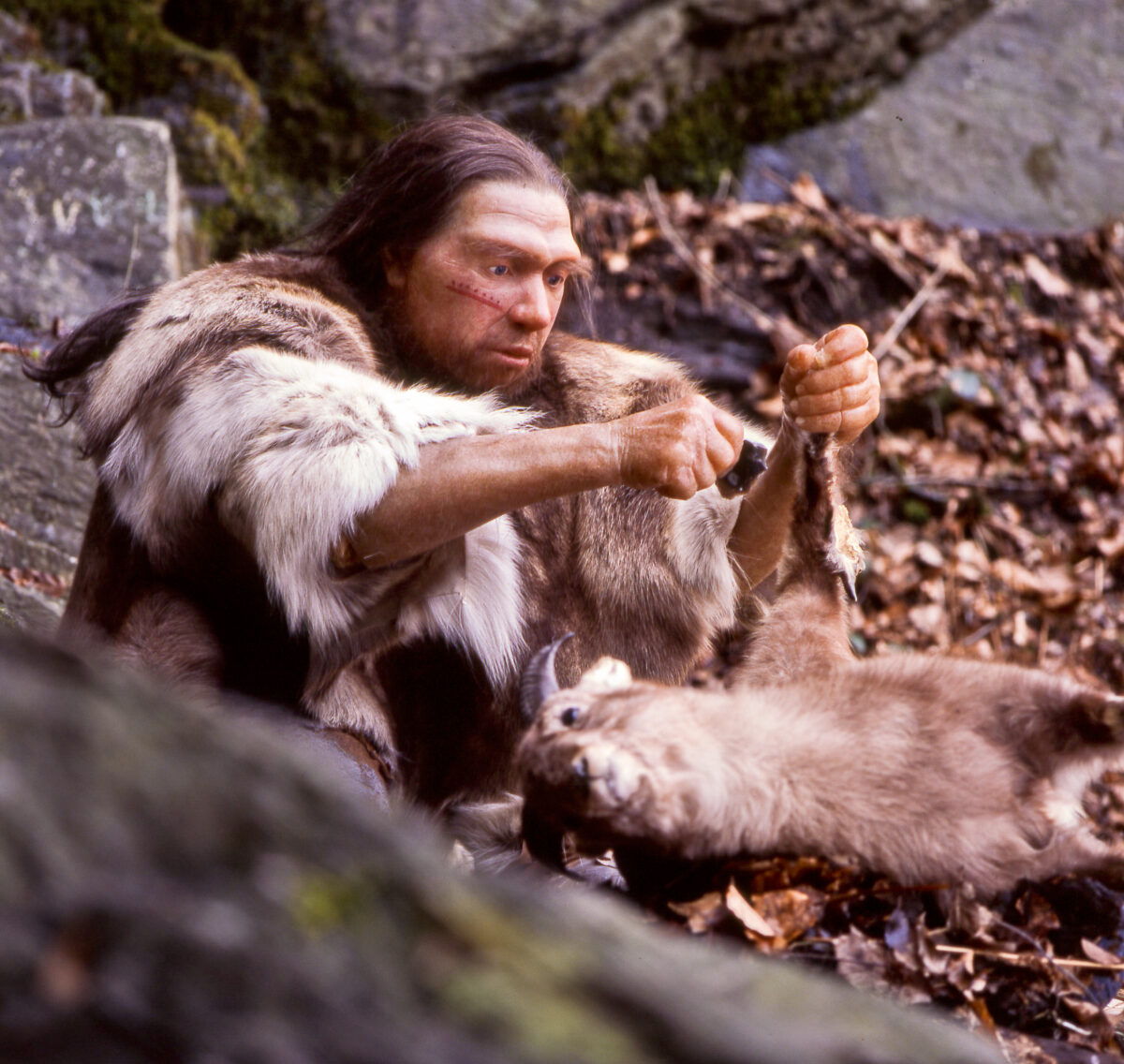
Homo_sapiens_neanderthalensis-Jäger
Photo credit: Neanderthal-Museum, Mettmann, CC BY-SA 4.0 <https://creativecommons.org/licenses/by-sa/4.0>, via Wikimedia Commons.

Neanderthals May Be “Same Species” As Us

Using coalescence analyses and molecular clock assessments, the researchers reconstructed a timeline of genetic events. Read More ›
mathematics
Photo credit: Benjamin Lizardo via Unsplash.

Let’s Throw Mathematical Light on the Origin of Life

If researchers really were making progress, wouldn’t that mean they would be converging on the same truth? Yet they are not. Read More ›
wet-dog-shake
Photo credit: Tadeusz Lakota on Unsplash.

Non-Evolution of the Wet Dog Shake

Common things can become extraordinary when examined by science. In this research, evolutionists need not apply. Read More ›
Homo_neanderthalensis,_The_Natural_History_Museum_Vienna,_20210730_1225_1277
Photo credit: Jakub Hałun, CC BY-SA 4.0 <https://creativecommons.org/licenses/by-sa/4.0>, via Wikimedia Commons.

Neanderthals Were a Lot More Like Humans than We Realize

There’s still much we don’t know and the evidence is sparse — due in part to the fact that Neanderthals probably had a relatively small overall population size. Read More ›
lobster
Photo credit: David Clode via Unsplash.

What Does It Mean to Say “Lobsters Are Conscious”?

Much will be learned from a more careful analysis of the behavior of life forms, which will likely turn up many more instances of unexpected sentience. Read More ›
Venus_Flytrap_showing_trigger_hairs
Photo: Venus flytrap, by Noah Elhardt, CC BY-SA 2.5 <https://creativecommons.org/licenses/by-sa/2.5>, via Wikimedia Commons.

Bioelectricity Gives Biologists a Jolt

We’ve explored bioelectricity in cells. We’ve looked at it within the human body. Now, electrical engineering is being found in the realms between. Read More ›
Homo naledi
Photo credit: Lee Roger Berger research team, CC BY 4.0 <https://creativecommons.org/licenses/by/4.0>, via Wikimedia Commons.

Scientists Are Skeptical that Intelligence in Homo naledi “Erases Human Exceptionalism”

Berger et al.’s claims about the species have been disputed and their idea that it lived 2-3 million years ago was exaggerated by a factor of 10. Read More ›

© Discovery Institute