Science and Culture Today Discovering Design in Nature
Topic

neuroscience

CuriousLizard167959851
Photo credit: Gerard Stańczak, CC BY 3.0 <https://creativecommons.org/licenses/by/3.0>, via Wikimedia Commons.

Return of the Lizard Brain? It Seems Not

It’s easy to see why people might latch onto the idea of a reptilian brain as an explainer, or an explainaway, for complex topics. Read More ›
LeonardsleeGardensAntonSmitWalkofLifeExhibition
Photo credit: Leonardslee Gardens, Anton Smit 'Walk of Life' Exhibition: 'Stream of Consciousness' 2019 by Michael Garlick, CC BY-SA 2.0 <https://creativecommons.org/licenses/by-sa/2.0>, via Wikimedia Commons.

What if the Brain Is a Filter?

The idea would provides insight into one of the most significant characteristics of near-death experiences, the extraordinary lucidity that experiencers report. Read More ›
Wilhelmine's_eye
Photo credit: © El Grafo / CC-BY-SA-4.0, CC BY-SA 4.0 <https://creativecommons.org/licenses/by-sa/4.0>, via Wikimedia Commons.

“Design Strength on Multiple Levels”: More Ultimate Wiring with Stuart Burgess
The eye is one of the most striking embarrassing examples of claimed bad design by evolutionists. Read More ›
possum
Photo: A possum, by Cody Pope, CC BY-SA 2.5 <https://creativecommons.org/licenses/by-sa/2.5>, via Wikimedia Commons.

What’s an Explainaway? Here Is an Example from the Debate on Near-Death Experiences
Explainaways, whether possum tales or optical illusions, exist to protect a system from unwanted evidence by ignoring or dismissing it. Read More ›
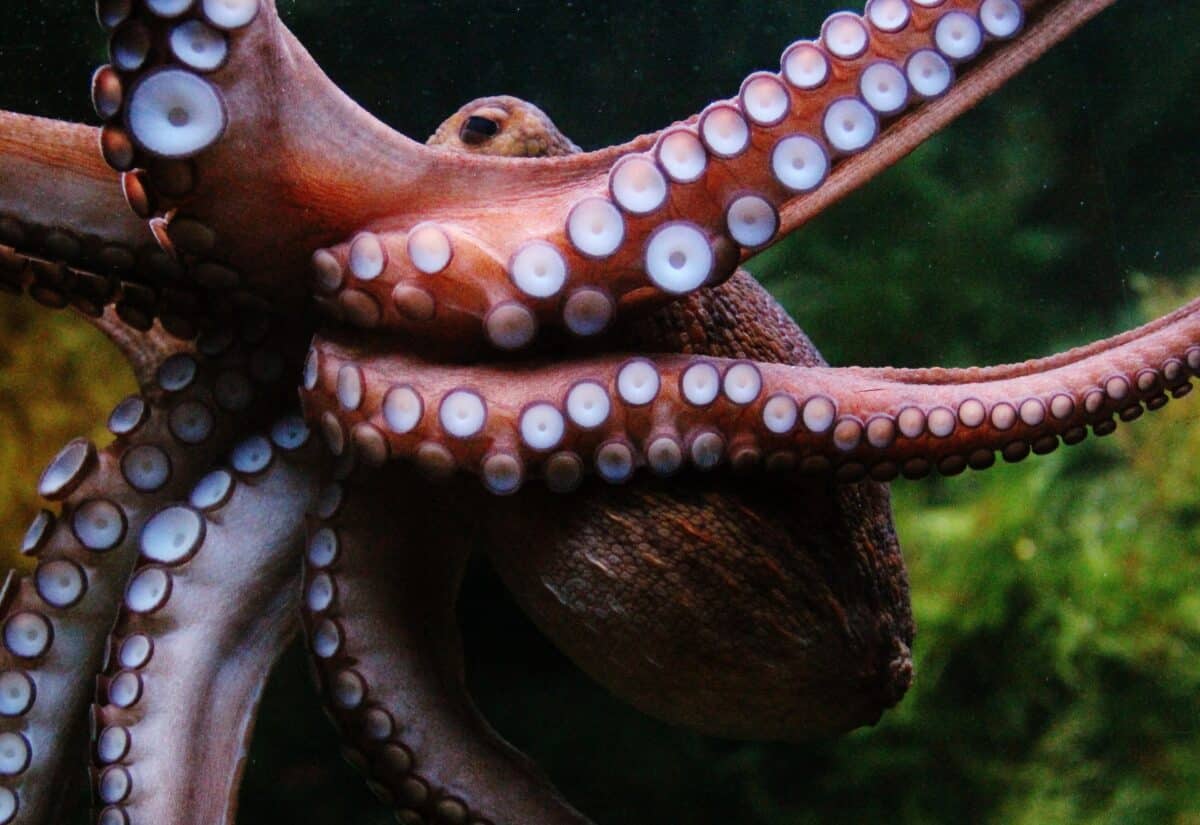
Octopustentacles
Photo credit: damn_unique, CC BY-SA 2.0 <https://creativecommons.org/licenses/by-sa/2.0>, via Wikimedia Commons.

Hey Octopus, How Did You Get to Be So Smart?
With the asocial brain hypothesis, researchers ask us to think beyond traditional explanations for why some animals display unexpected intelligence. Read More ›
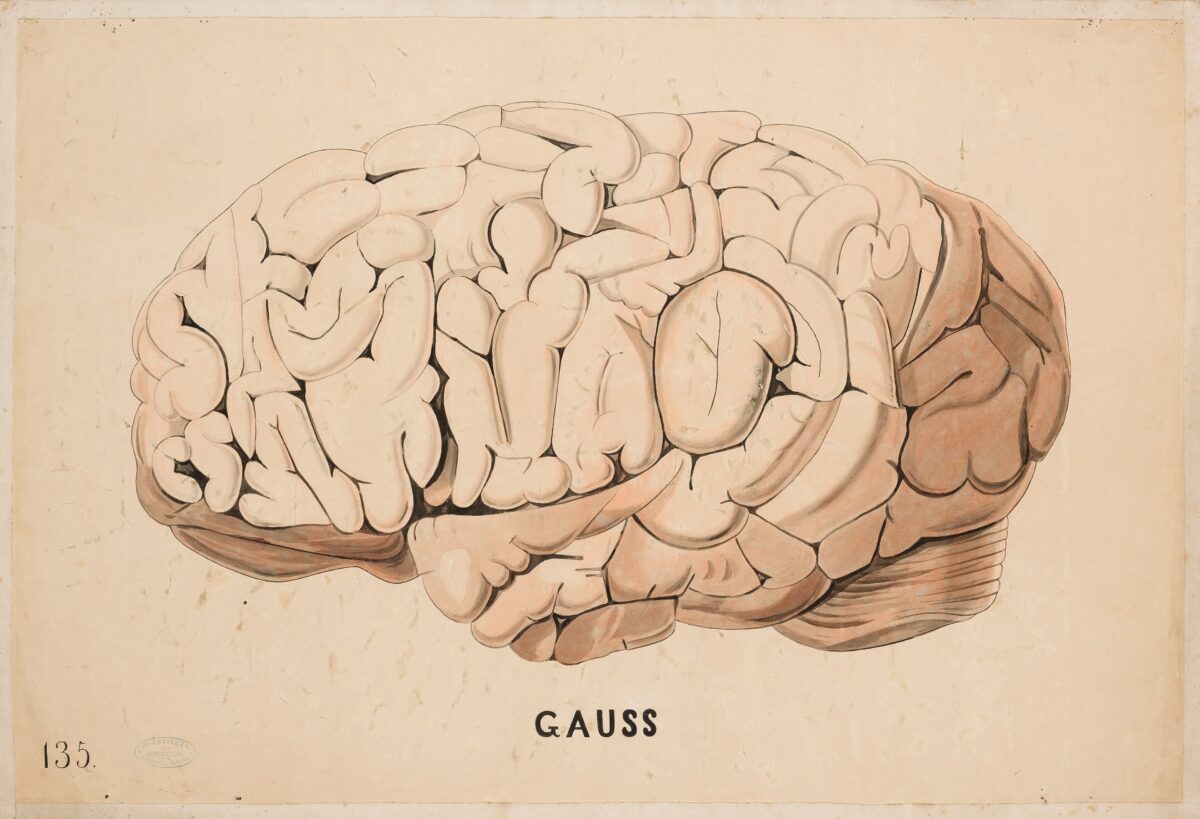
MACTAV0028aTavolaparietaleGauss
Image source: Museo di Anatomia comparata Giovanni Battista Grassi, Public domain, via Wikimedia Commons.

Science Journal: Humanity’s Big Brains Evolved “For No Particular Reason”
This is tantamount to saying the human brain, chief marvel in the cosmos as far as we can tell, evolved because, well, why the heck not? Read More ›
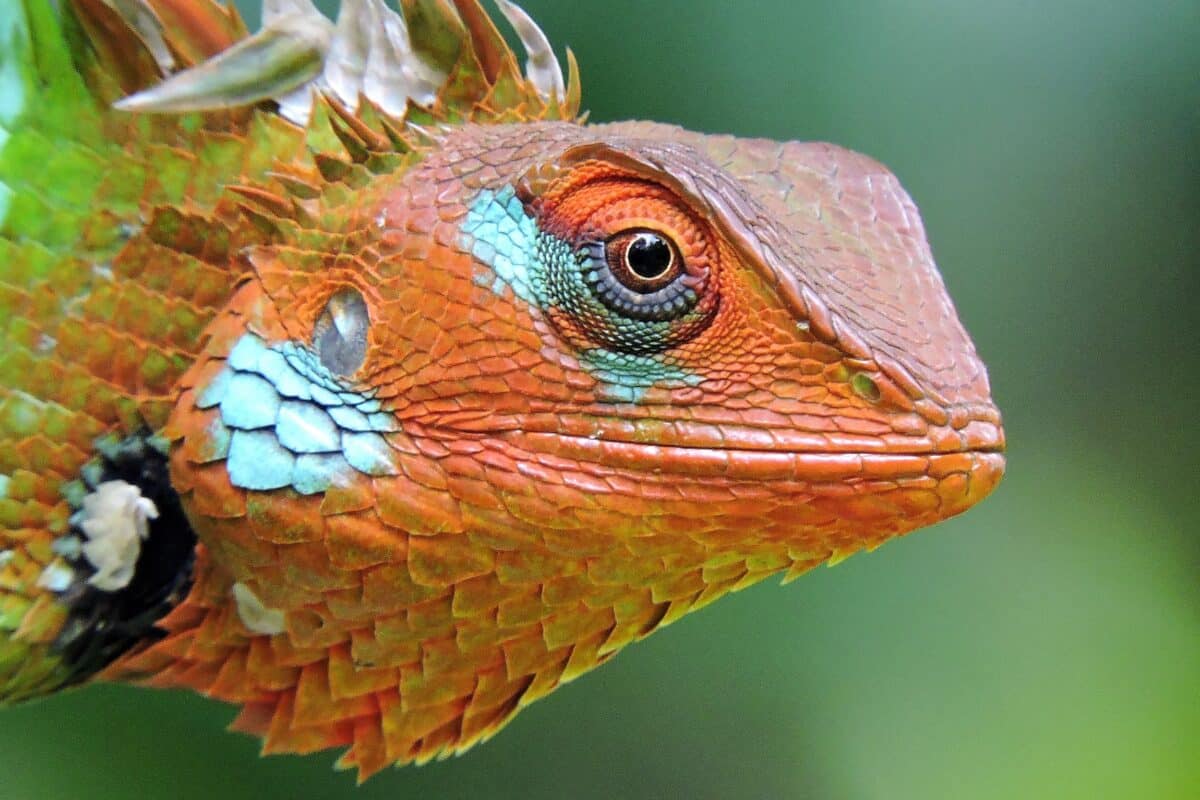
ThelizardofLizard
Photo credit: BGK Gayashan, CC BY-SA 4.0 <https://creativecommons.org/licenses/by-sa/4.0>, via Wikimedia Commons.

McGill University Refutes Pop-Psychology Claim that Humans Have a “Lizard Brain”
The false belief traces back to the fact that Carl Sagan was one of its strongest proponents. Read More ›
Screenshot-2026-06-18-at-122352PM-2
Photo source: Michael Egnor / Discovery Institute, via YouTube (screenshot).

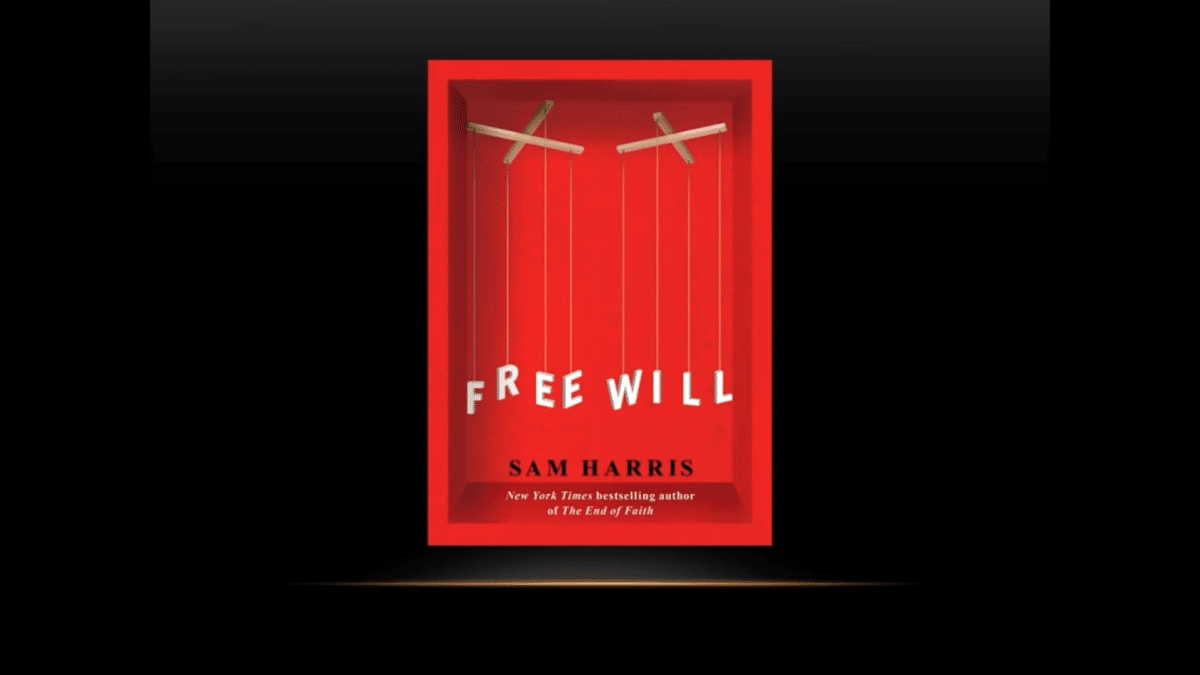
Michael Egnor: Three Atheist Scientists Walk into a Book

In the absence of free will, “morality” can make no claims about anything. It's only an illusion projected by the meatware of our brains. Read More ›
MindcharityshopChaseSideSouthgate
Photo credit: Philafrenzy, CC BY-SA 4.0 <https://creativecommons.org/licenses/by-sa/4.0>, via Wikimedia Commons.

“Mind as an Illusion” Makes No Sense

Philosophers of mind using their minds to prove that there is no mind do not help the credibility of their discipline. Read More ›
Aristotle
Photo: Bust of Aristotle, Acropolis Museum, Athens, by Deiadameian, CC BY-SA 4.0 <https://creativecommons.org/licenses/by-sa/4.0>, via Wikimedia Commons.

Of Bee Brains, ChatGPT, and Fists of Ham

Happily, a recent philosopher has provided some intellectual tools for avoiding the sort of ham-fisted either/or approach to consciousness. Read More ›

© Discovery Institute