Science and Culture Today Discovering Design in Nature
Topic

William James

Sanzio01cropped
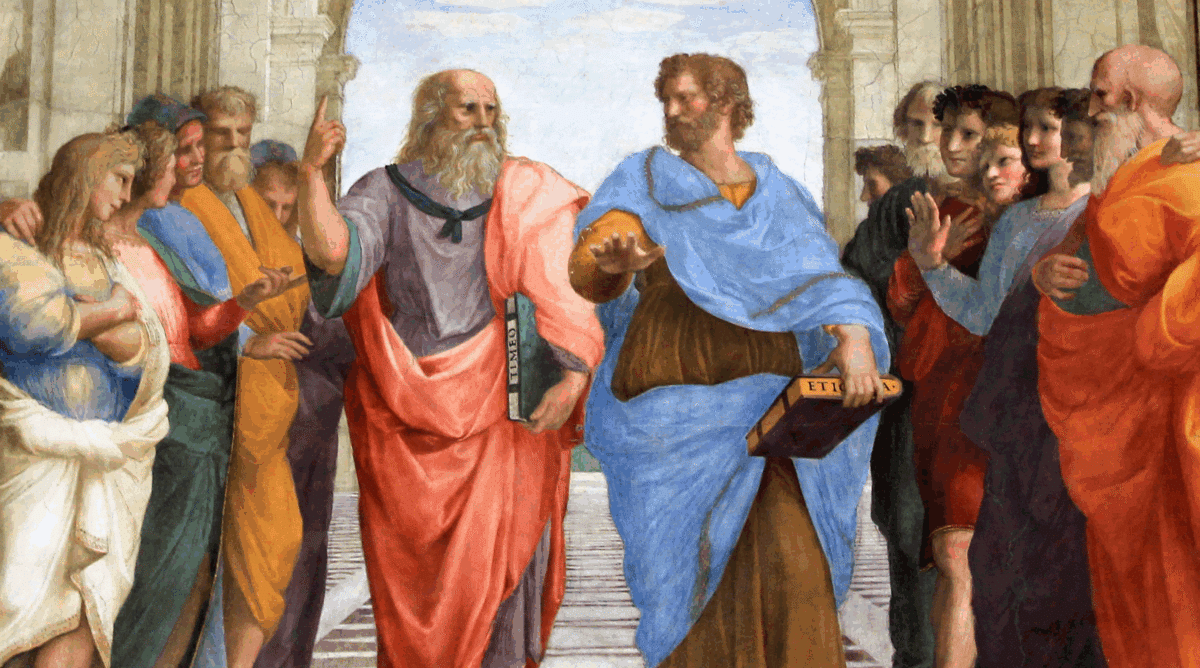
Image: Plato and Aristotle, by Raphael, Public domain, via Wikimedia Commons.

A Reviewer Assesses Dr. Egnor on the Mind: Science Is “Catching Up” to Philosophy

In two different areas of research — the nature of the mind, and the nature of genome — science points us to the existence of an immaterial reality. Read More ›
NortheastPortlandhomelesscamptents
Photo credit: Graywalls, CC BY-SA 4.0 <https://creativecommons.org/licenses/by-sa/4.0>, via Wikimedia Commons.

Homelessness, Intelligent Design, and the Unseen Realm
Compared with previous approaches, the new Executive Order reflects a fundamentally different picture of reality. What should we call it? Read More ›
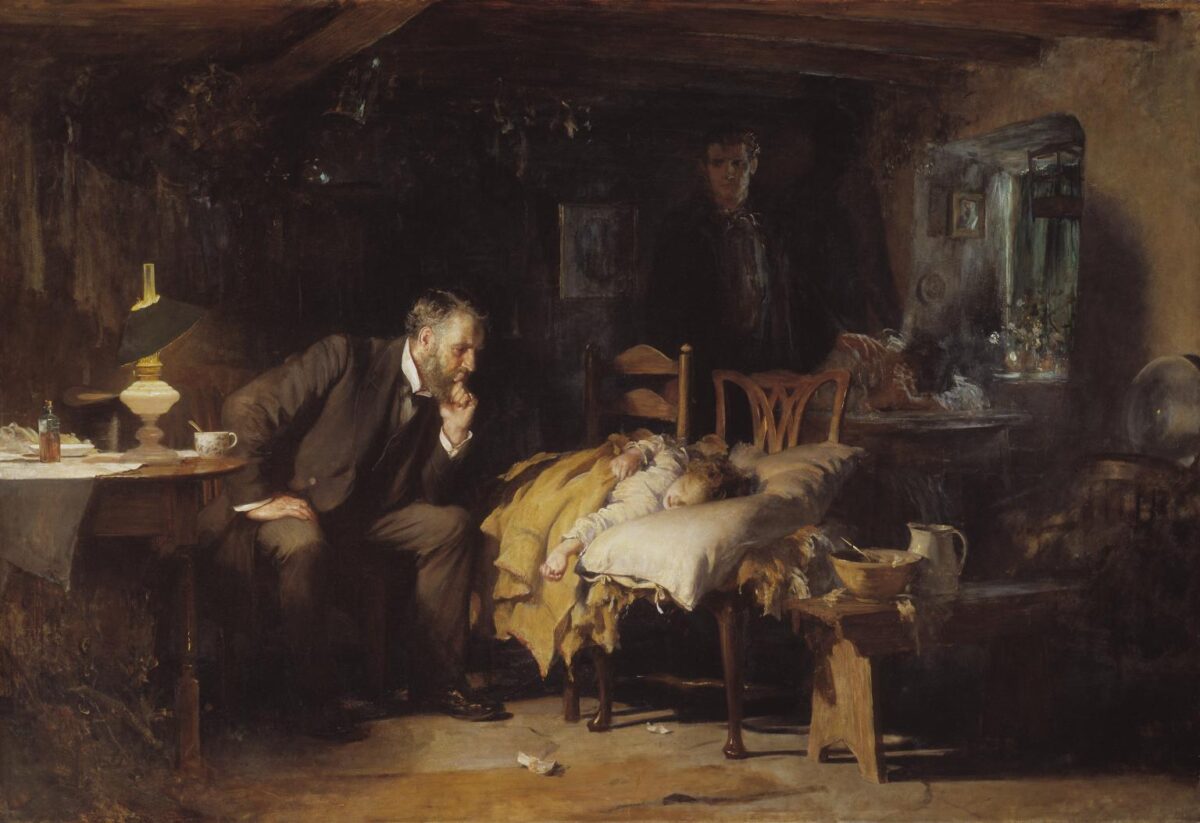
The_Doctor
Image: The Doctor, by Luke Fildes, Public domain, via Wikimedia Commons.

Medicine’s “Sacred Space” — Grossly Violated
When my dad was dying, I saw both sides of the healthcare world, one that fought to save a life and the other that was coldly indifferent, even eager to end it.  Read More ›
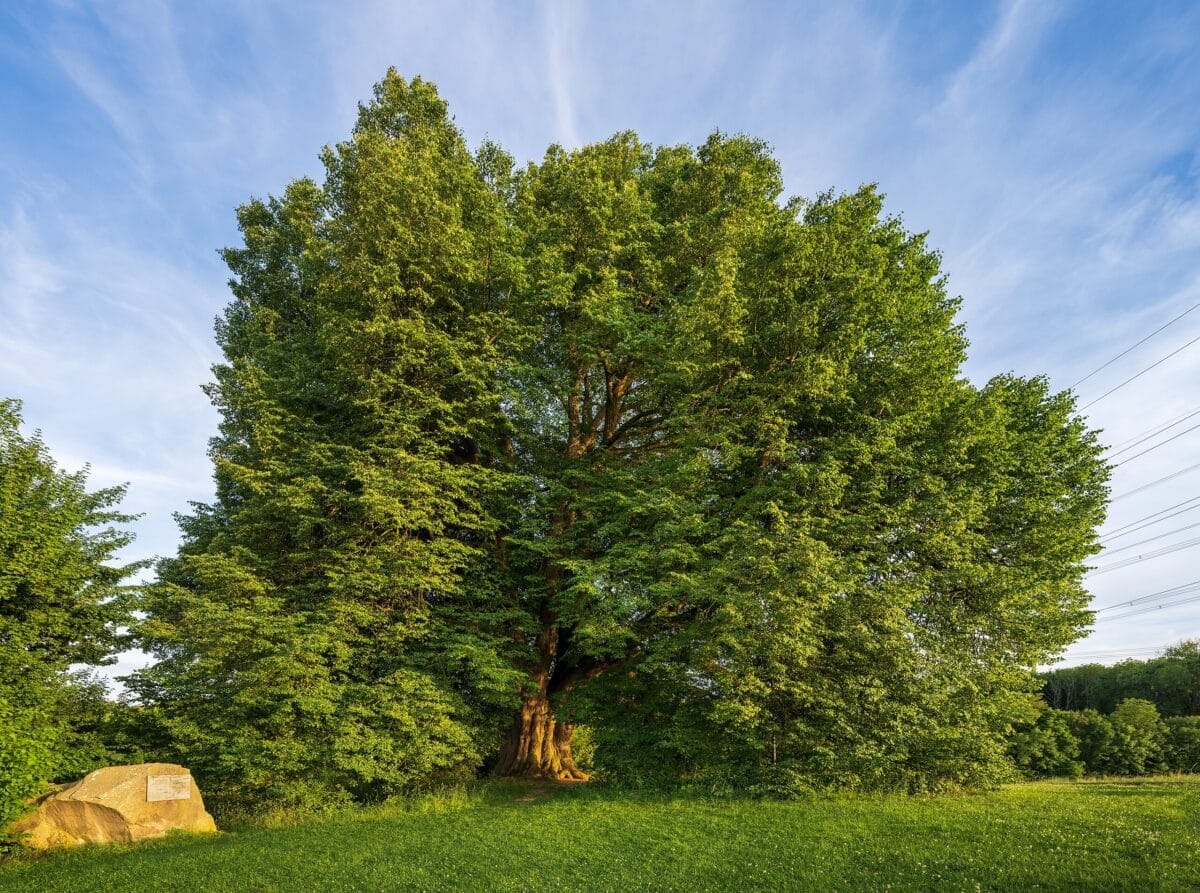
Heilbronn_-_Kirchhausen_-_St.-Anna-Linde_-_Ansicht_von_NNW_im_Juni
Photo credit: Roman Eisele, CC BY-SA 4.0 <https://creativecommons.org/licenses/by-sa/4.0>, via Wikimedia Commons.

Some Biologists Take “Plant Minds” Seriously

What would surely puzzle other observers is the considerable current effort — at the same time — to portray human intelligence as some sort of illusion. Read More ›
Percy Bysshe Shelley
Image: Percy Bysshe Shelley, by Alfred Clint, via Wikimedia Commons.

Shelley, Darwin, and the 19th-Century God Debate
The poet Percy Bysshe Shelley threw down the gauntlet for what was effectively to become the great Victorian dispute about religious faith. Read More ›
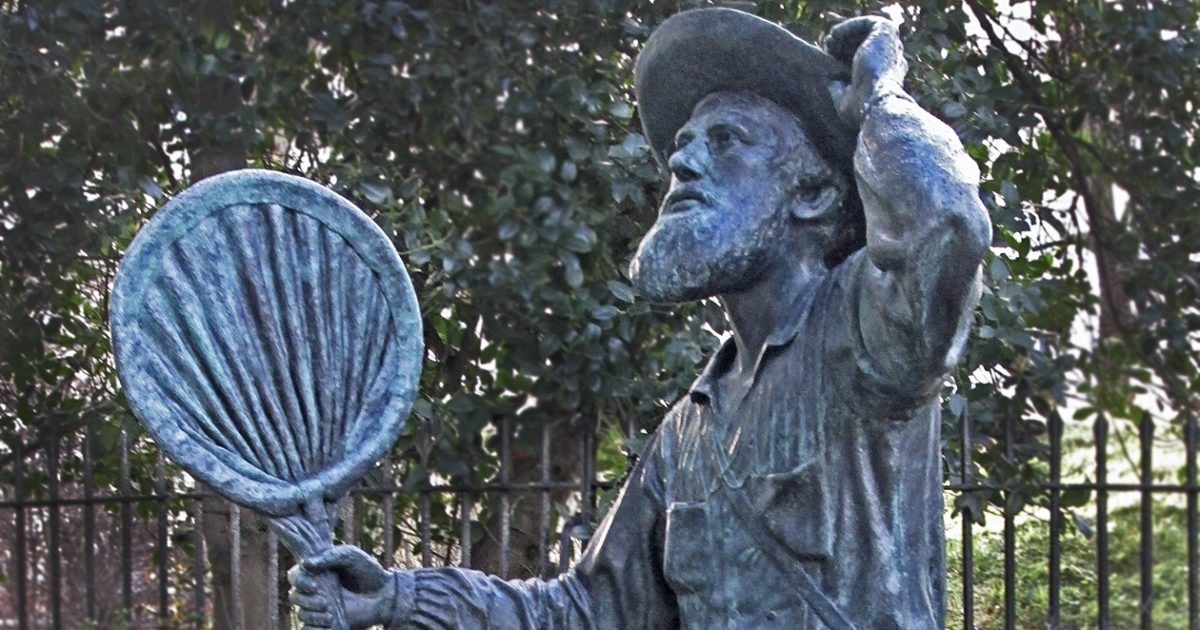
Statue of Alfred Russel Wallace
Photo: Statue of Alfred Russel Wallace, by George Beccaloni / CC BY-SA (https://creativecommons.org/licenses/by-sa/3.0).

Alfred Russel Wallace’s Bicentennial Year: A Cause for Celebration and for Sadness
All the hyperbole shows the fix is in — Wallace has been made safe for scientism and Darwinian reductionism. The academy can breathe easy. Read More ›
Alfred Russel Wallace, attributed to John William Beaufort (1864-1943)
Image: Alfred Russel Wallace, attributed to John William Beaufort (1864-1943) [Public domain], via Wikimedia Commons.

The Outsider: Alfred Russel Wallace’s Reputation in the Darwinian Era

Was Alfred Wallace a “crazy” crank? Was he an undisciplined “dilettante” bemused by every fringe belief he encountered? Read More ›
Alfred Russel Wallace
Image: Alfred Russel Wallace, by London Stereoscopic and Photographic Company (active 1855-1922) / Public domain.

Correcting a Cartoon Version of Alfred Russel Wallace

Was Darwin a Nazi? Of course not. But did his ideas form a causal nexus via Galton to ideas that would be integrated into Nazi policy? Yes. Read More ›
Charles_Bradlaugh_Statue_Northampton
Photo: Statue of Charles Bradlaugh, Northampton, England, by en:User:Cj1340, CC BY-SA 3.0 <https://creativecommons.org/licenses/by-sa/3.0>, via Wikimedia Commons.

Wordsworth and the Faith of the Victorians

Even Charles Bradlaugh, the first atheist member of Parliament, was haunted by the psalmist’s reproach, “The fool hath said in his heart, There is no God.” Read More ›
Ralph Waldo Emerson
Photo: Ralph Waldo Emerson, by Josiah Johnson Hawes, Public domain, via Wikimedia Commons.

Wordsworth: Disciples at Home and Abroad

In 1848 Ralph Waldo Emerson is on record as having paid a return visit to the then aged Wordsworth. Read More ›

© Discovery Institute