Science and Culture Today Discovering Design in Nature
Topic

calculus

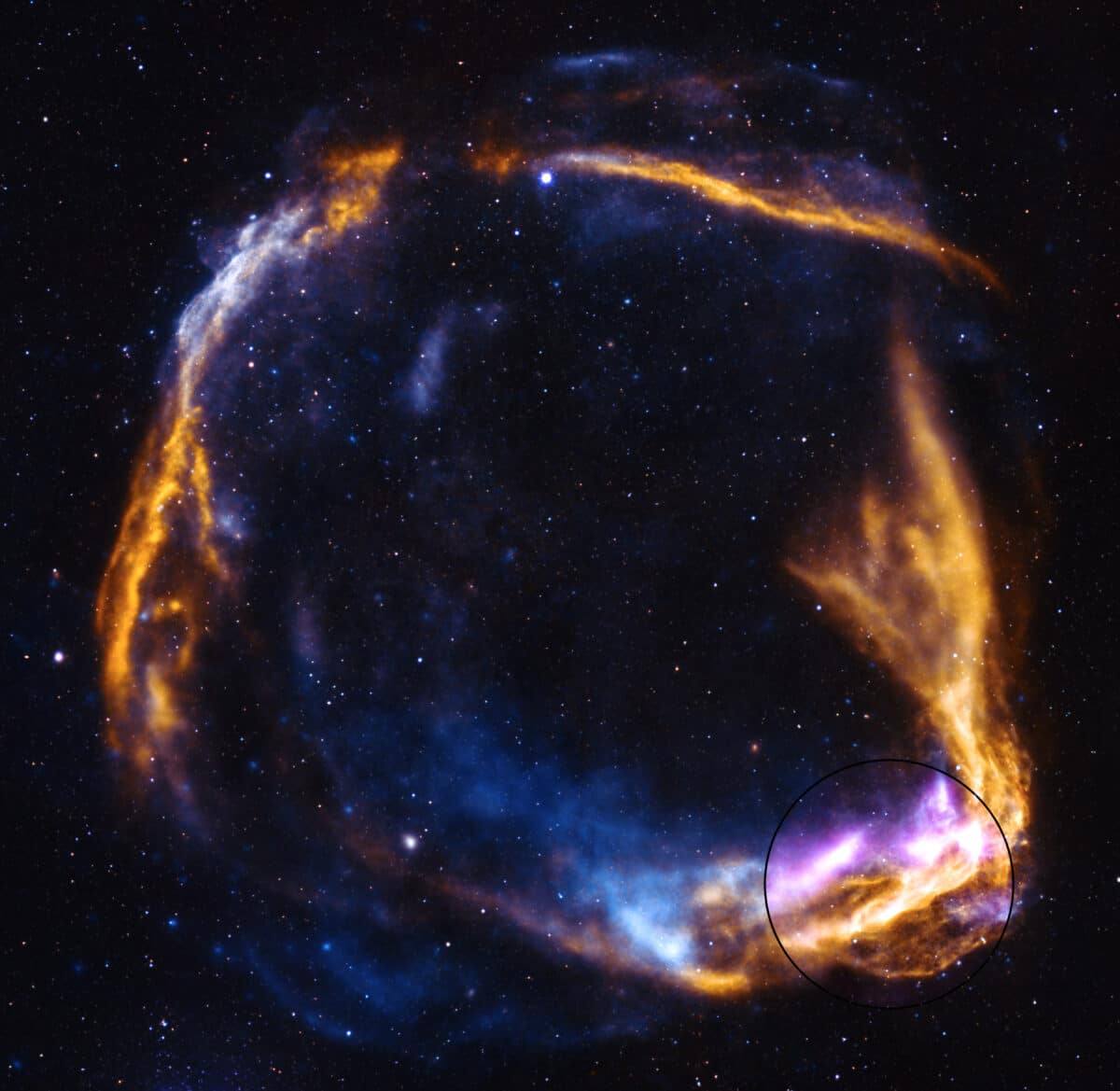
rcw86-xray-ixpe-optical-f2bd3a
Photo: X-ray: Chandra: NASA/CXC/SAO, XMM: ESA/XMM-NEWTON, IXPE:NASA/MSFC; Optical: NSF/NOIRLab; Image Processing: NASA/CXC/SAO/J. Schmidt.

The Objective Probability of the Fine-Tuning Evidence

Science and philosophy aim to explain aspects of the world and of our experience, and both offer judgments about what is correct or incorrect. Read More ›
Jaime-Escalante-mural
Photo credit: Wally Gobetz, via Flickr, https://creativecommons.org/licenses/by-nc-nd/2.0/deed.en.

Jaime Escalante: Why a Heroic Teacher Matters to Intelligent Design
Anyone who has studied the history of IQ testing and eugenics will recognize the weaponization of low expectations against people deemed inferior. Read More ›
Big Bang
Image credit: Rick Bolin, via Flickr (cropped).

The Big Bang Simplified

Since very few people understand Einstein’s General Theory of Relativity, for most of us the Big Bang seems very mysterious and counterintuitive. Read More ›
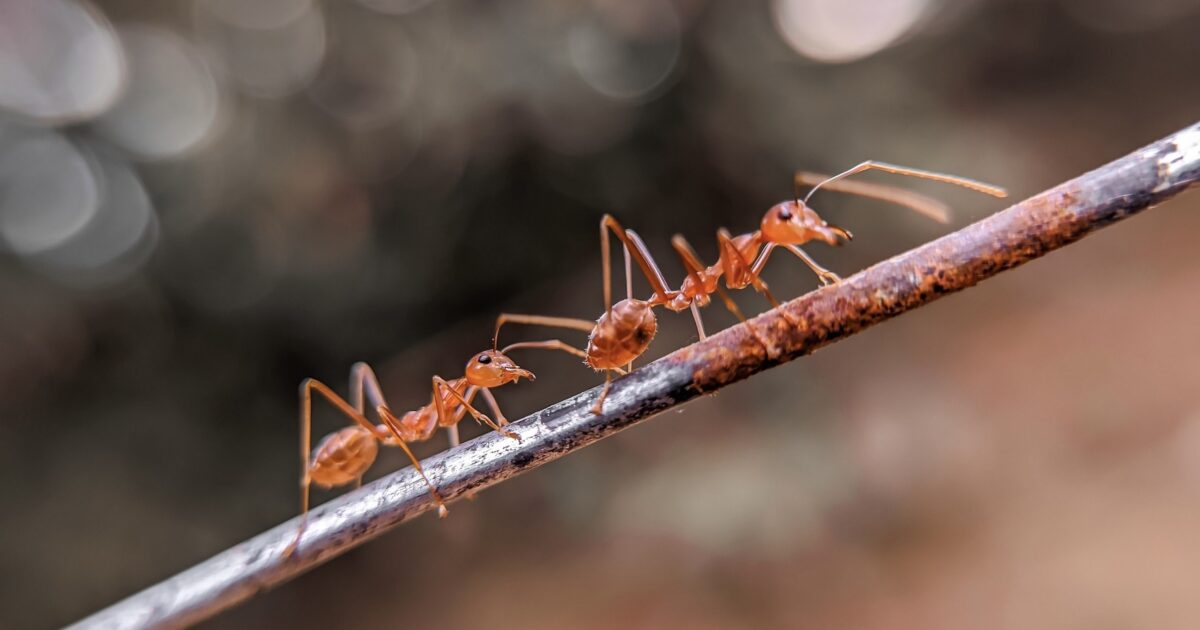
ants
Photo credit: Rommel1999, CC BY-SA 4.0 <https://creativecommons.org/licenses/by-sa/4.0>, via Wikimedia Commons.

Can Algorithms Designed by Humans Catch Up with the Genius of Biological Systems?
While humans invented algorithms only within the last century, enabling the development of AI, animals exhibit behavioral algorithms that long predate humans. Read More ›
math
Photo credit: John Moeses Bauan via Unsplash.

Is Mathematics Discovered or Invented?
Some think that math is invented. Evidence, though, points towards its discovery. Read More ›
DNA
Image credit: PublicDomainPictures from Pixabay.

Iterations of Immortality

The calculus made modern science possible, but it was the algorithm that made possible the modern world. Read More ›
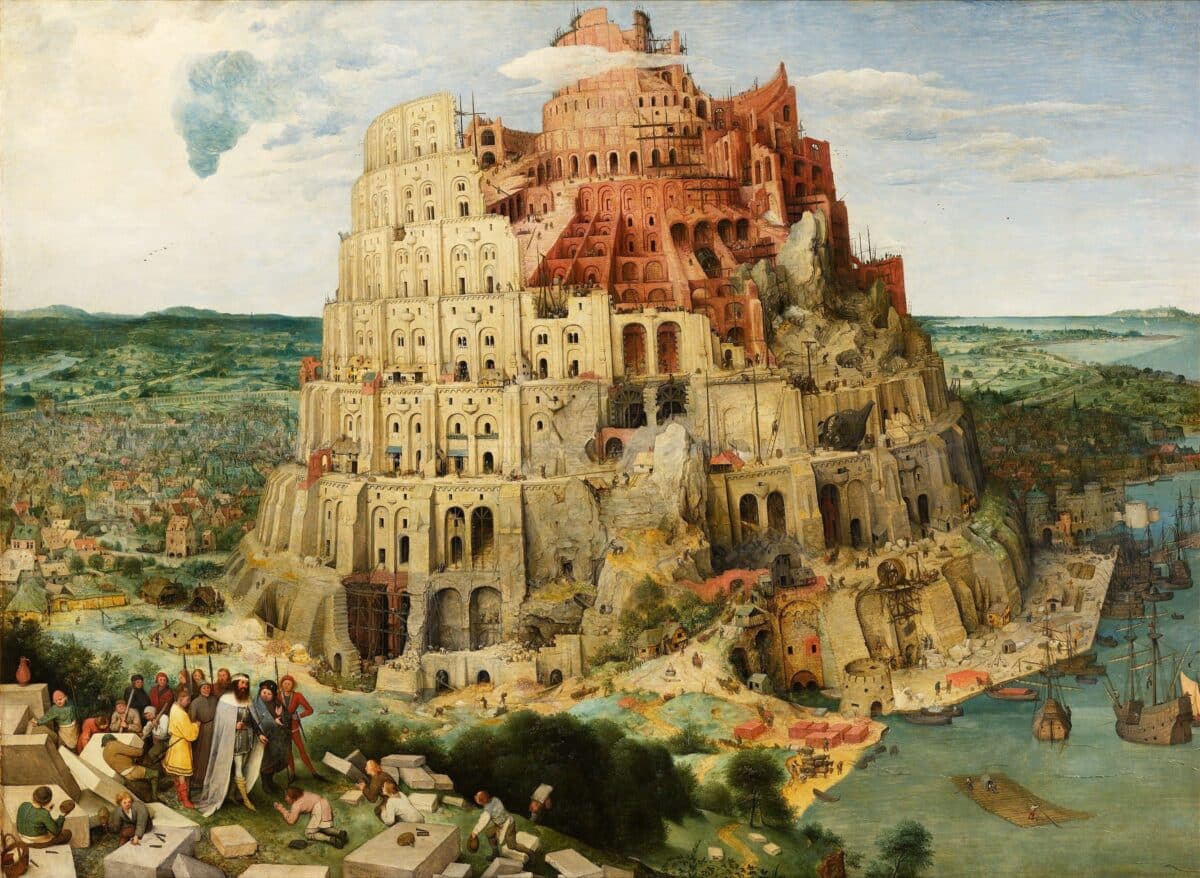
Bruegel’s Tower of Babel
The Tower of Babel, by Pieter Bruegel the Elder, via Wikimedia Commons.

Science After Babel: An Exercise in Self-Criticism
Until the day before yesterday, the imperial architects of the scientific revolution were well satisfied and sleek as seals. Read More ›
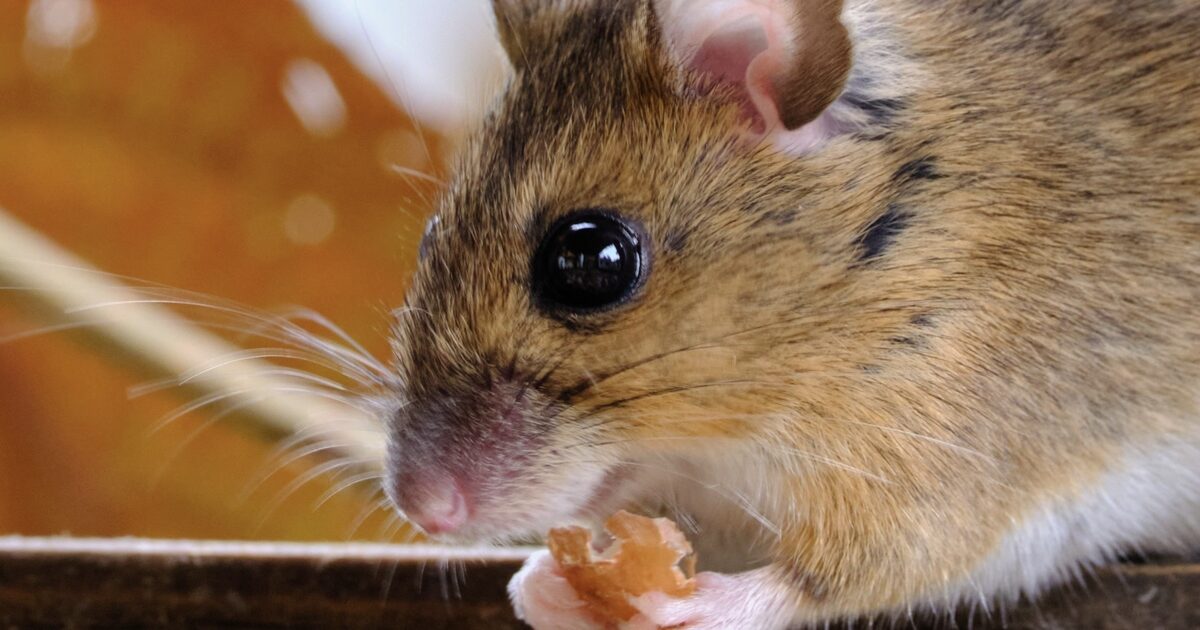
mouse
Photo credit: Marcus Ganahl via Unsplash.

Mice Can’t Do Calculus but Their Brains Can

Neuroimaging and mathematics showed that a simple Stop! signal in the brain would not allow a mouse to stop as quickly as it in fact did. Read More ›
túngara frog
Photo: A túngara frog, by Brian Gratwicke, CC BY 2.0 <https://creativecommons.org/licenses/by/2.0>, via Wikimedia Commons.

How Frogs and Fish “Count”

We’re beginning to find out more about how animals that don’t really “think” much can keep track of numbers, when needed. Read More ›
goldfish
Photo credit: josullivan.59 @ Flickr

Navigation Ability Crosses Phylum Lines — And That’s a Problem for Evolution

Yes, that is kind of adorable. It took only a few days for the fish to learn to drive. Read More ›

© Discovery Institute