Science and Culture Today Discovering Design in Nature
Topic

pheromones

fruit-fly
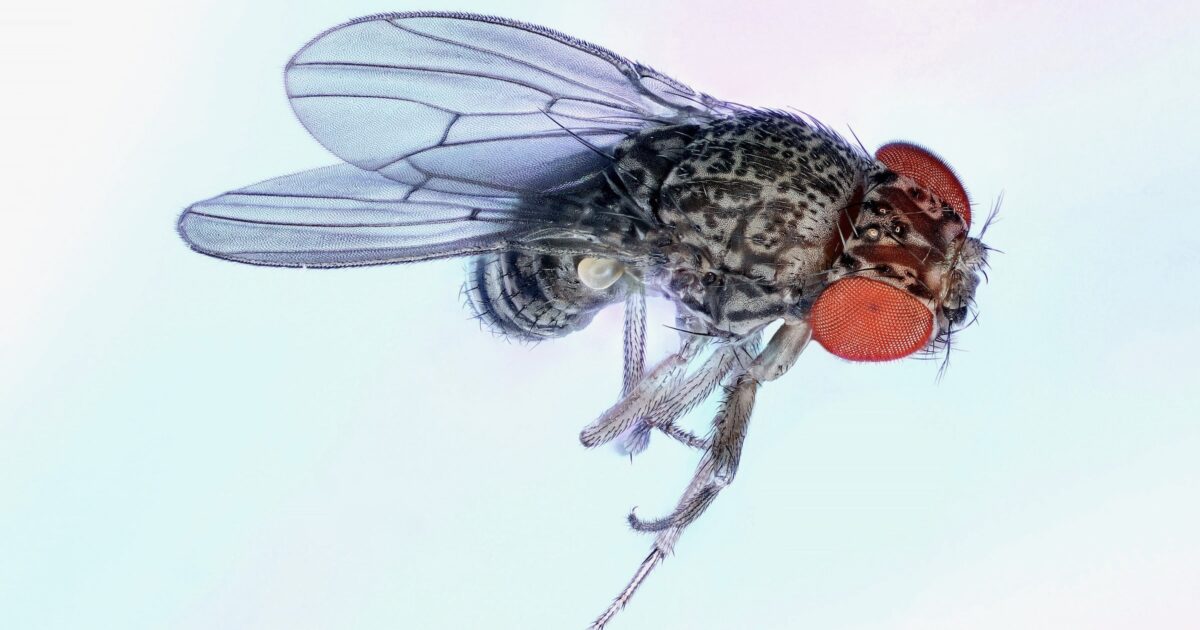
Photo: A fruit fly, by Macroscopic Solutions, via Flickr (cropped).

Design, Engineering, Specified Complexity: Appreciating the Fruit Fly Brain

Groundbreaking new research has documented the complexity and design of the brains of fruit flies. Read More ›
leafcutter ants
Photo: Leafcutter ants, by Pjt56, CC BY-SA 4.0 <https://creativecommons.org/licenses/by-sa/4.0>, via Wikimedia Commons.

Ants “Think” Differently from Humans

There are some 20 quadrillion ants living in the world today. All species of ants are social; there are no known solitary ants. Read More ›
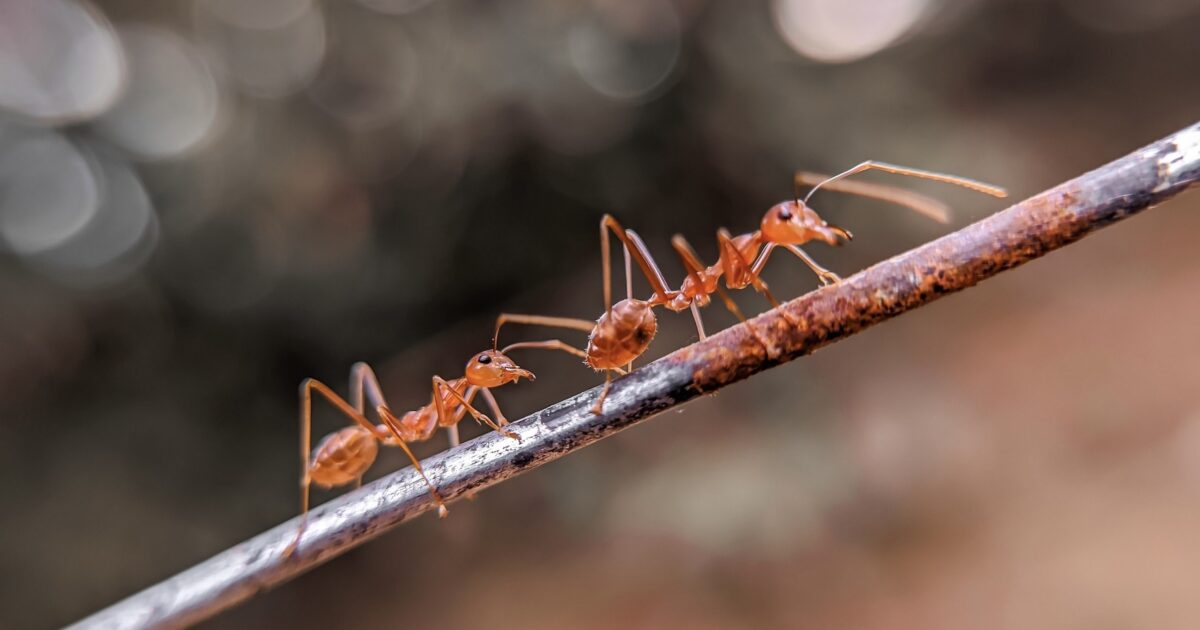
ants
Photo credit: Rommel1999, CC BY-SA 4.0 <https://creativecommons.org/licenses/by-sa/4.0>, via Wikimedia Commons.

Can Algorithms Designed by Humans Catch Up with the Genius of Biological Systems?

While humans invented algorithms only within the last century, enabling the development of AI, animals exhibit behavioral algorithms that long predate humans. Read More ›
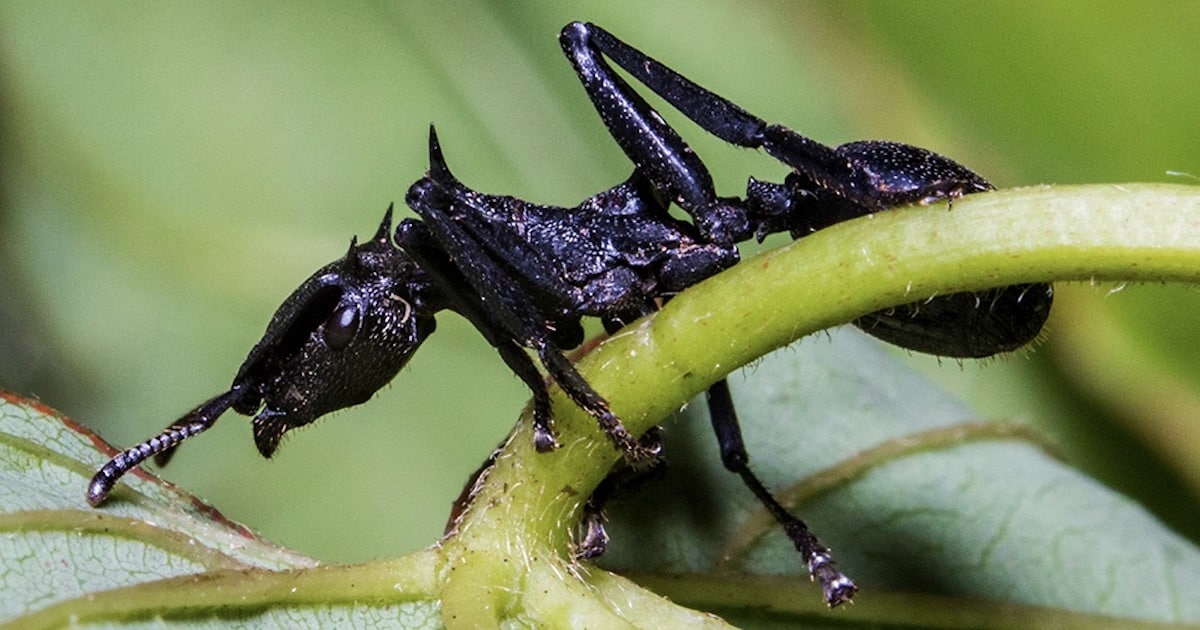
turtle ant
Photo: Cephalotes atratus, a turtle ant, by Eduardo Estrada, Wildlife & Conservation Photography, CC BY-SA 4.0 <https://creativecommons.org/licenses/by-sa/4.0>, via Wikimedia Commons.

Ant Navigation Fascinates Engineers

Eric Cassell asks, “How did these complex programmed behaviors originate?” The question deserves a better answer than, “They evolved.” Read More ›
leafcutter ants
Photo: Leafcutter ants, by Pjt56, CC BY-SA 4.0 <https://creativecommons.org/licenses/by-sa/4.0>, via Wikimedia Commons.

Yes, Ants Think — Like Computers

Computer programmers have adapted some ant problem-solving methods to software programs (but without the need for complex chemical scents). Read More ›
Living Waters
Image source: Living Waters, via Illustra Media.

Sense of Smell Requires Optimized, Scalable Network Circuitry

The ability to smell is one of the most complex of our senses. It requires sorting, analyzing, and sifting a torrent of input data quickly. Read More ›
© Discovery Institute