Science and Culture Today Discovering Design in Nature
Topic

antennae

CaptiveRed-tailedHawkatBacara
Photo credit: Steve Jurvetson, CC BY 2.0 <https://creativecommons.org/licenses/by/2.0>, via Wikimedia Commons.

Emergence and Irreducible Complexity: A Unified Theory

We are all familiar with the duality — structure and function — from both technology and biology. Read More ›
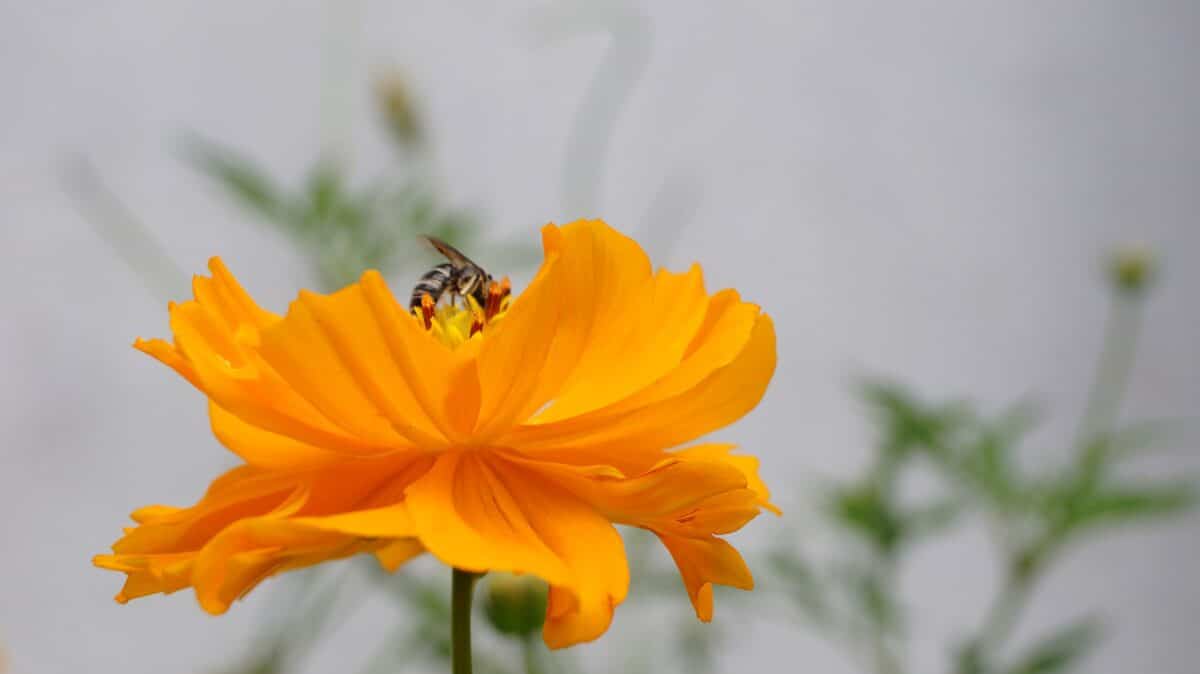
Cosmos_sulphureus_with_bee_Mallika5
Photo credit: Zuhairali, CC BY-SA 4.0 <https://creativecommons.org/licenses/by-sa/4.0>, via Wikimedia Commons.

Biological Information in Static Electricity
The influence of static charge in pollination is one demonstrable case — not only for bees, but for moths and hummingbirds as well. Read More ›
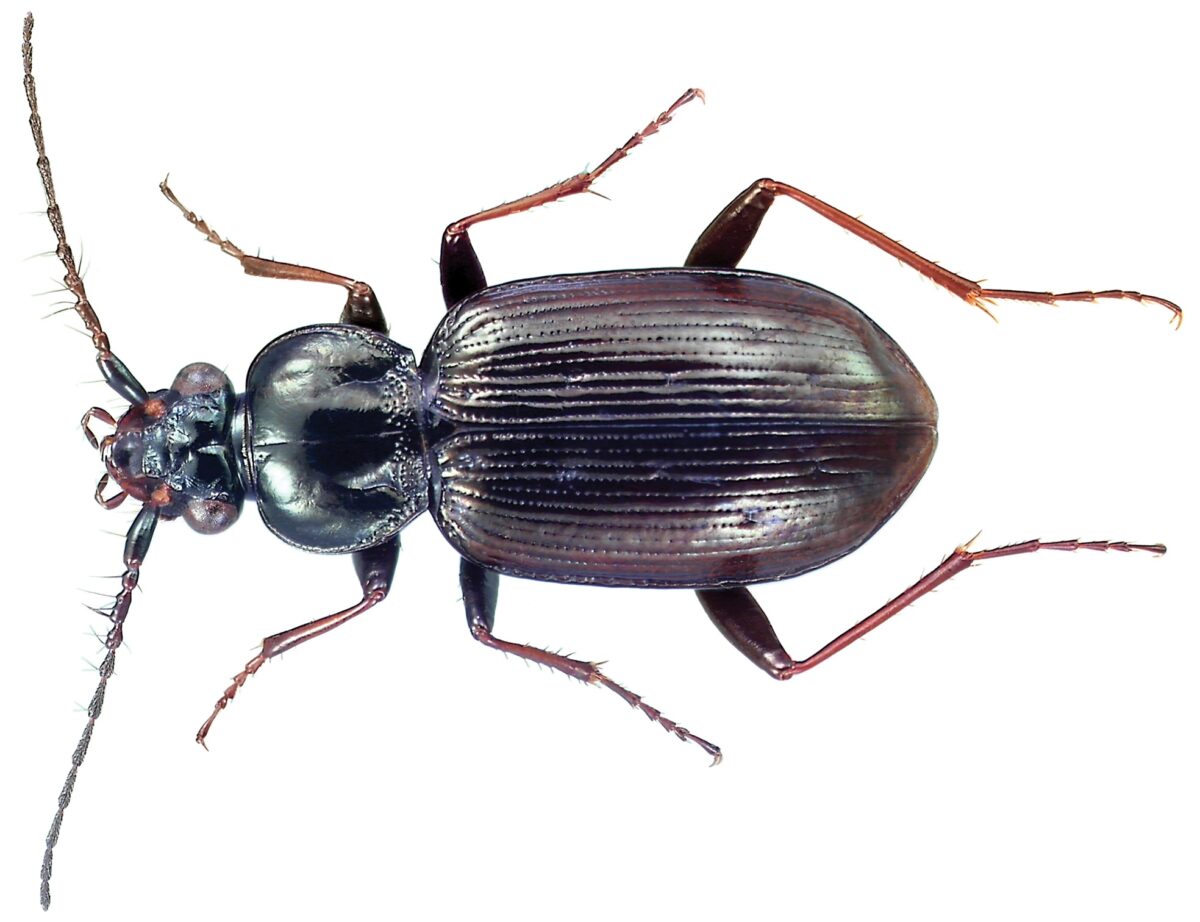
Loricera_pilicornis_(Fabricius)_-_ZooKeys-245-001-g013
Photo credit: Yves Bousquet, CC BY 3.0 <https://creativecommons.org/licenses/by/3.0>, via Wikimedia Commons.

Fossil Friday: Evolutionary Stasis in Beetles
Natural selection is the great magician in evolutionary fantasy land, where it explains rapid change in explosive radiations as well as no change at all. Read More ›
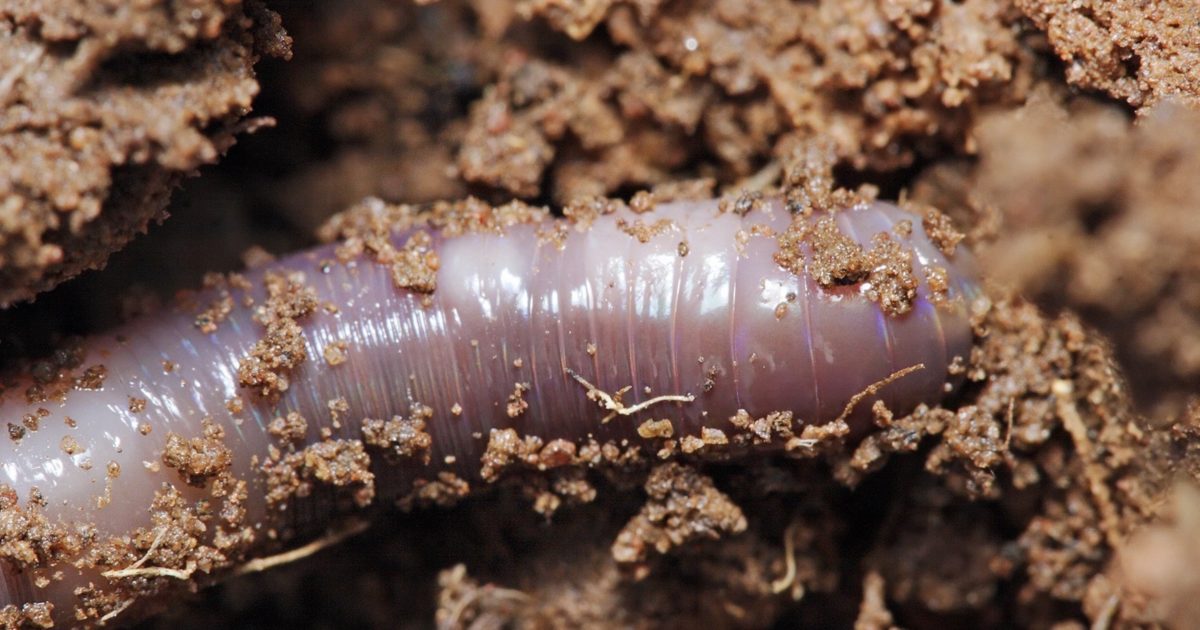
earthworm
Photo: An earthworm, Swifts Creek, Victoria, by Fir0002/Flagstaffotos.

Hidden Service Animals: Earthworms Are Only the Beginning
Soil biodiversity is still a black box. Some scientists are beginning to explore the global underground that services the health of plants and animals. Read More ›
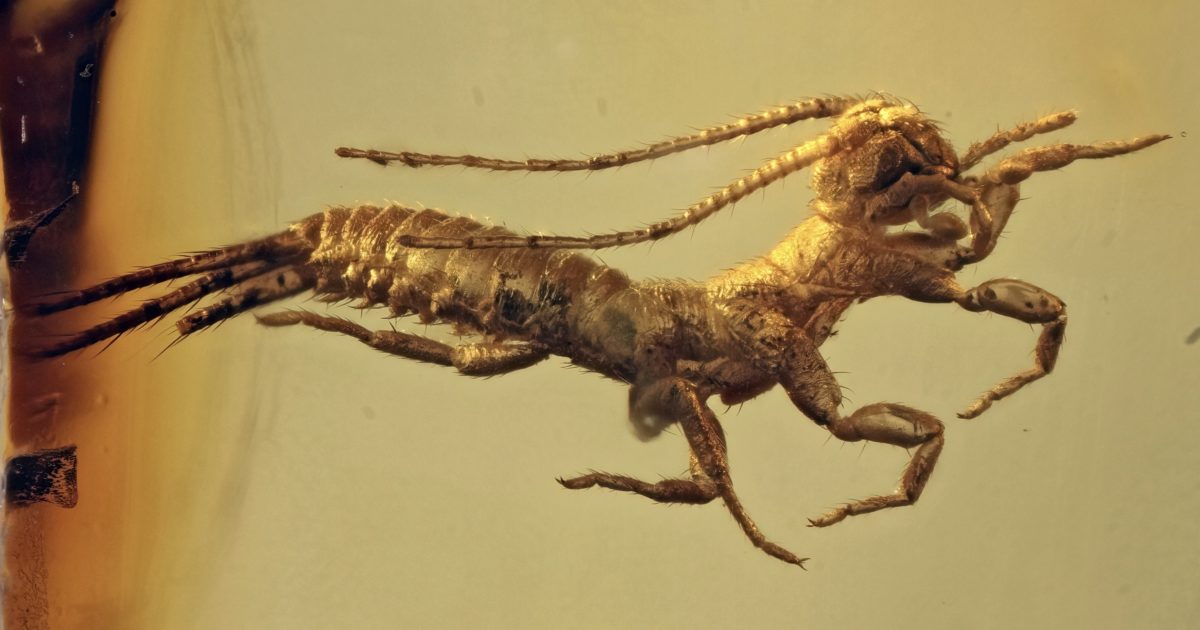
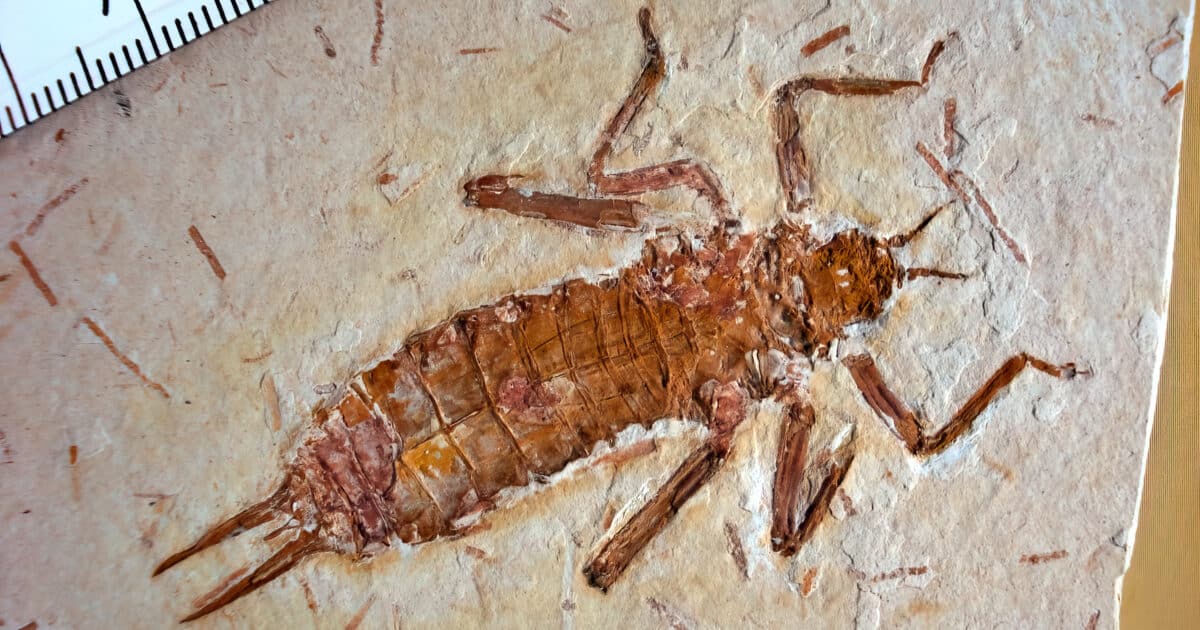
silverfish
Photo credit: Günter Bechly.

Fossil Friday: New Kind of Silverfish Trapped in Sticky Resin
These incongruent or homoplastic characters are a notorious problem for phylogenetics and contradict the evolutionary prediction of a nested hierarchy. Read More ›
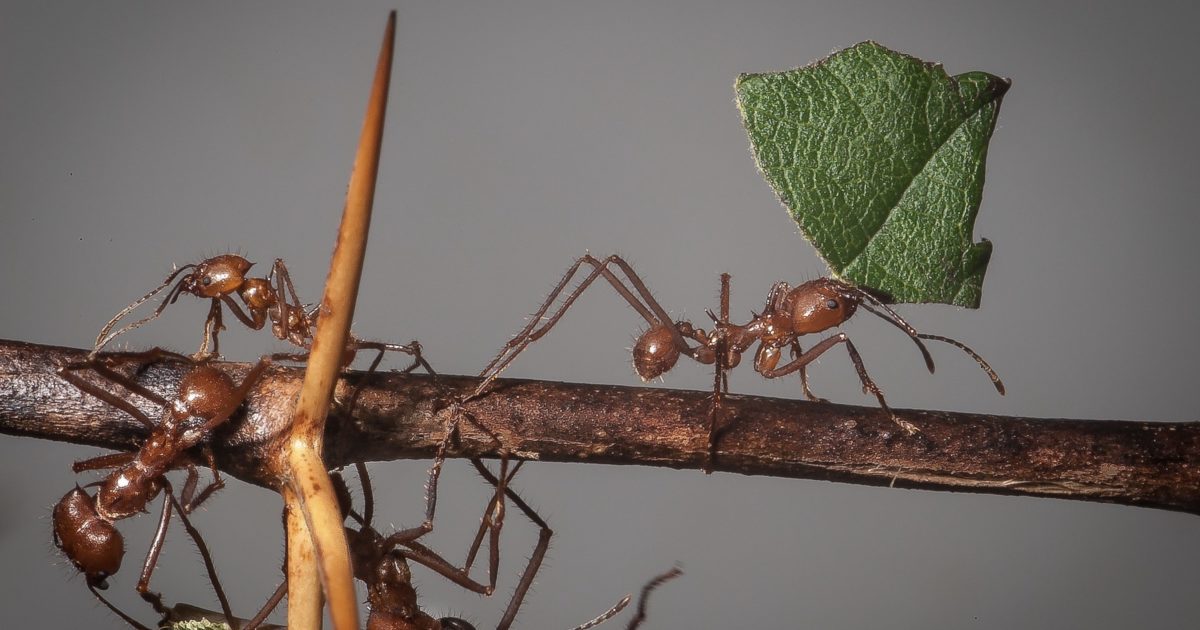
leafcutter ants
Photo: Leafcutter ants, by Pjt56, CC BY-SA 4.0 <https://creativecommons.org/licenses/by-sa/4.0>, via Wikimedia Commons.

Yes, Ants Think — Like Computers

Computer programmers have adapted some ant problem-solving methods to software programs (but without the need for complex chemical scents). Read More ›
Monarch butterfly
Photo: Monarch butterfly, by liz west from Boxborough, MA [CC BY 2.0 ], via Wikimedia Commons.

For Evolution, Monarch Butterfly Migration Is a Mystery
It typically takes up to three generations of butterflies to make the complete journey. This means that the navigation information is genetically programmed. Read More ›
Living Waters
Image source: Living Waters, via Illustra Media.

Sense of Smell Requires Optimized, Scalable Network Circuitry
The ability to smell is one of the most complex of our senses. It requires sorting, analyzing, and sifting a torrent of input data quickly. Read More ›
Fuxianhuiafossil

Meet the Fuxianhuiids: Exploding Cambrian Arthropods

True arthropods are among the most sophisticated animals that appeared without ancestors in the Cambrian explosion. Read More ›

© Discovery Institute