






































Science and Culture Today Discovering Design in Nature
Topic

migration

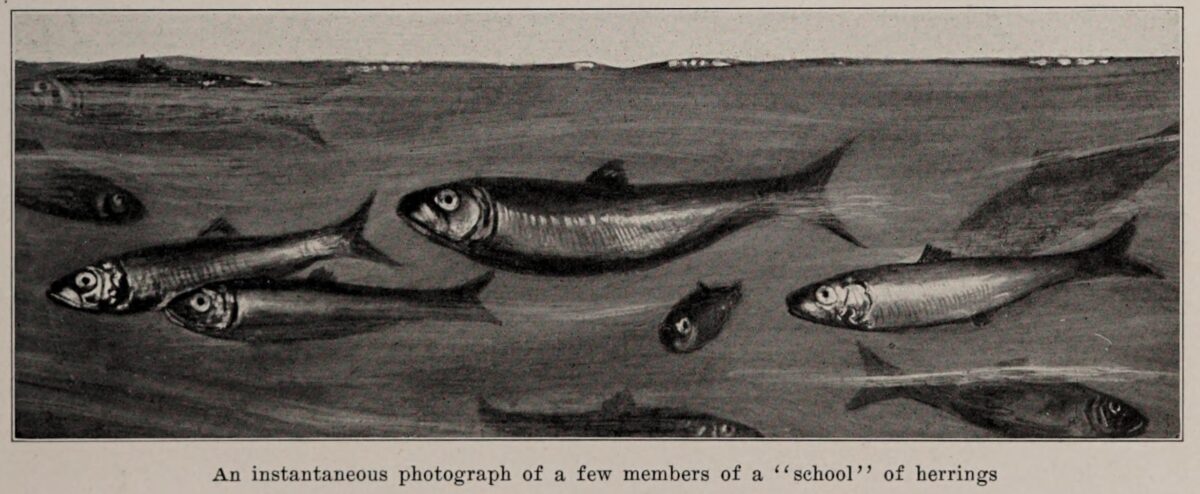
Aninstantaneousphotographofafewmembersofa22school
Image credit: Artemas Ward, Public domain, via Wikimedia Commons.

When Schools of Fish Lose Their Memories
Because we don’t tend to think of fish as being very smart, we don’t think they could have memories that matter. Read More ›
NeanderthalValley3
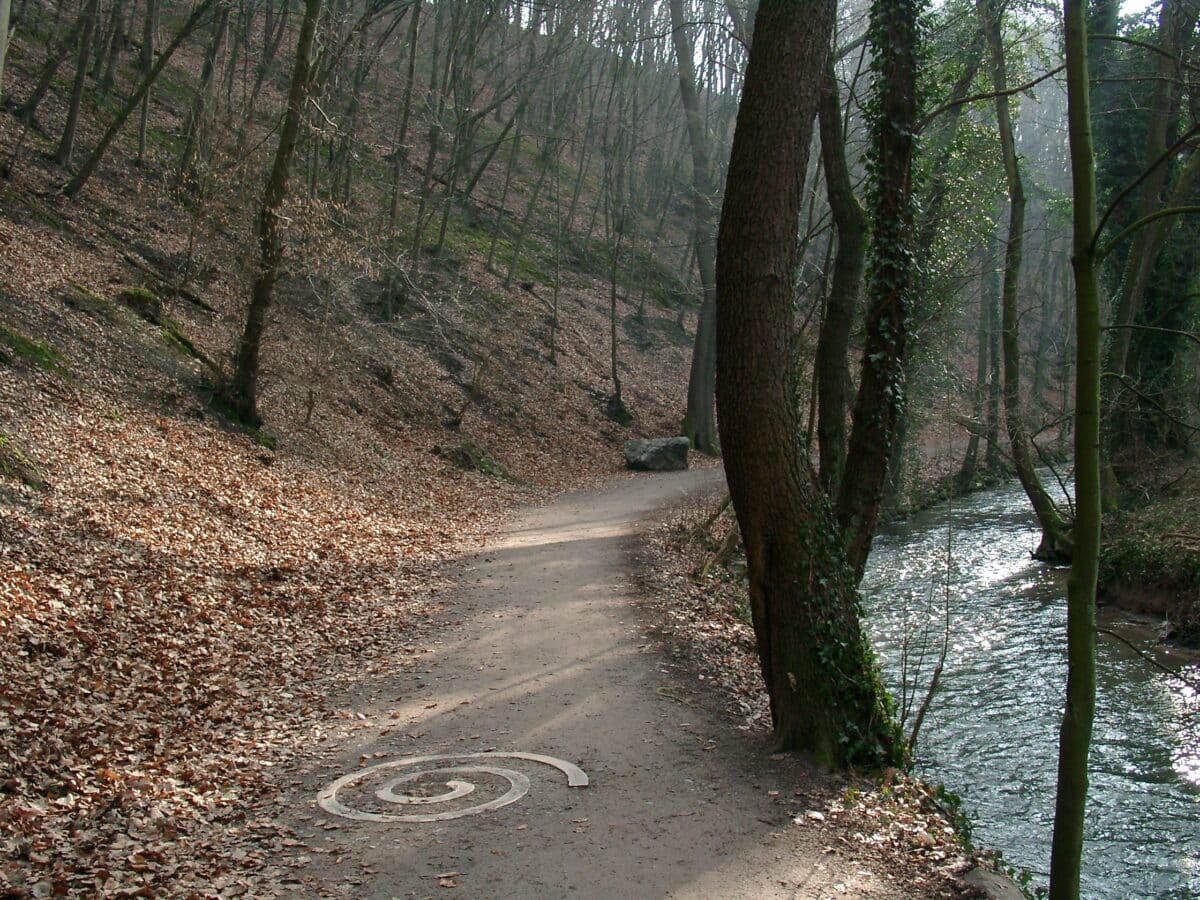
Photo: Düssel River, through Neanderthal Valley, Germany, by Cordula, CC BY-SA 2.5 <https://creativecommons.org/licenses/by-sa/2.5>, via Wikimedia Commons.

For Migration, Neanderthals Followed Rivers
Of course, if they followed river systems, they were assured of sources of food and water along the way. Read More ›
honeybee
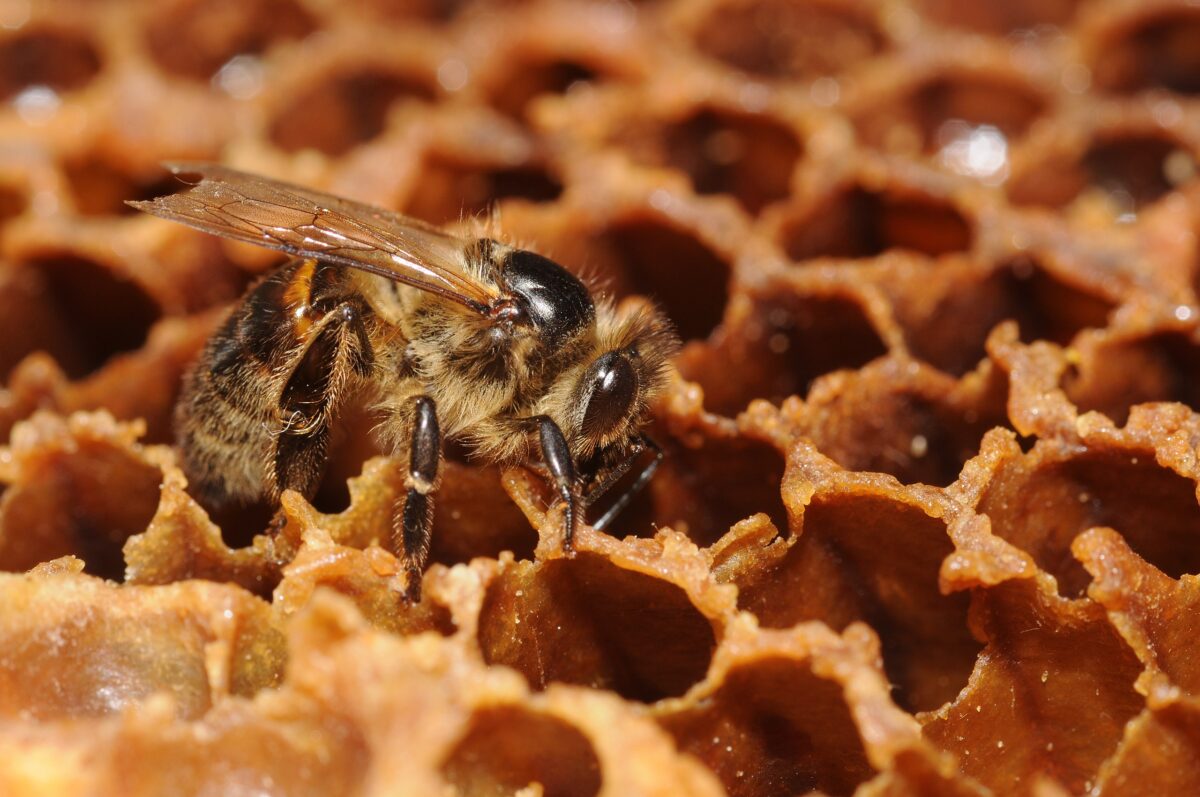
Photo credit: Thomas Bresson, CC BY 2.0 <https://creativecommons.org/licenses/by/2.0>, via Wikimedia Commons.

Honeybees, Traffic Accidents, and the Immaterial Genome

An RV strangely burst into explosive flames yesterday afternoon in a traffic accident in the Mount Baker tunnel that leads from Seattle across Lake Washington. Read More ›
Green_sea_turtle_(Chelonia_mydas)_Moorea
Photo credit: Charles J. Sharp, CC BY-SA 4.0 <https://creativecommons.org/licenses/by-sa/4.0>, via Wikimedia Commons.

Sea Turtles and Their Trusty Magnetic Compass

All of these elements exhibit specified complexity that is indicative of intelligent design. Read More ›
071_Wild_marmot_at_Grand_Muveran_Nature_Reserve_Photo_by_Giles_Laurent
Photo credit: Giles Laurent, CC BY-SA 4.0 <https://creativecommons.org/licenses/by-sa/4.0>, via Wikimedia Commons.

Intentionality in Living Systems: What Does It Mean?
One historically dominant position on intentionality has been the Brentano thesis, proffered by 19th-century German philosopher and psychologist Franz Brentano. Read More ›
bacterial flagellum
Image credit: Illustra Media.

Powers Ontology: Overcoming the Limits of Reductionist Materialism
Reductionism is a method for understanding something by minimizing it to a very simple level that can be restricted to abstract language. Read More ›
bacteria
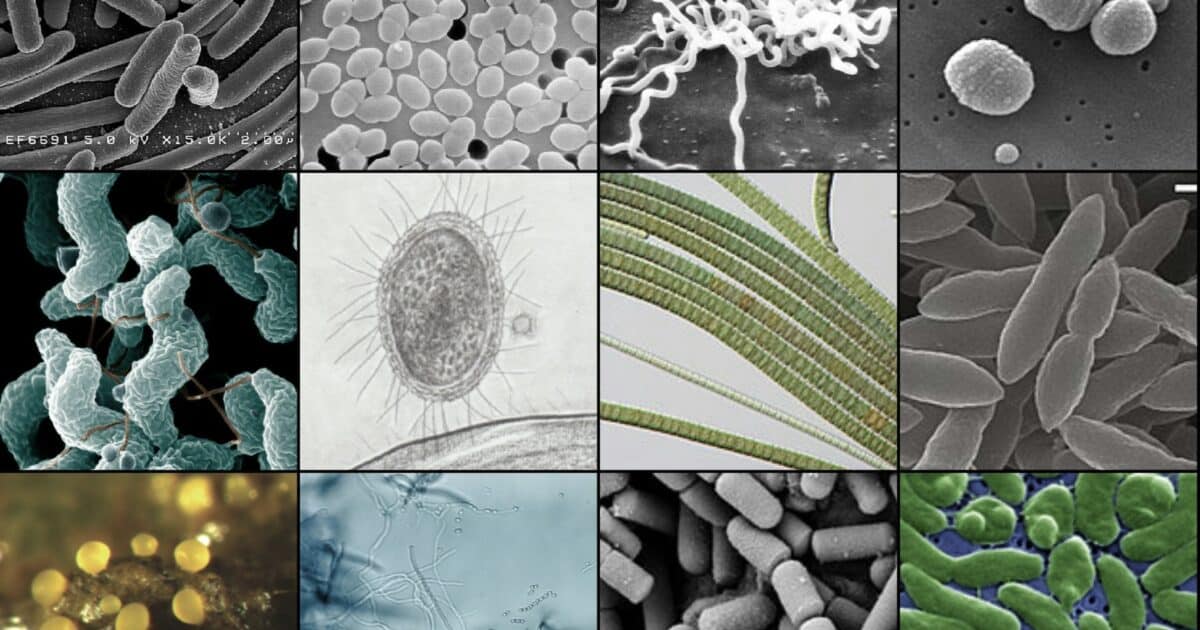
Photo: Assorted bacteria, by 148LENIN, CC BY-SA 4.0 <https://creativecommons.org/licenses/by-sa/4.0>, via Wikimedia Commons.

Quorum Sensing: A Clever Trick by Microbes
Robot designers are learning tricks from bacteria: how to communicate with and respond to other unseen members of a swarm. Read More ›
lovebirds
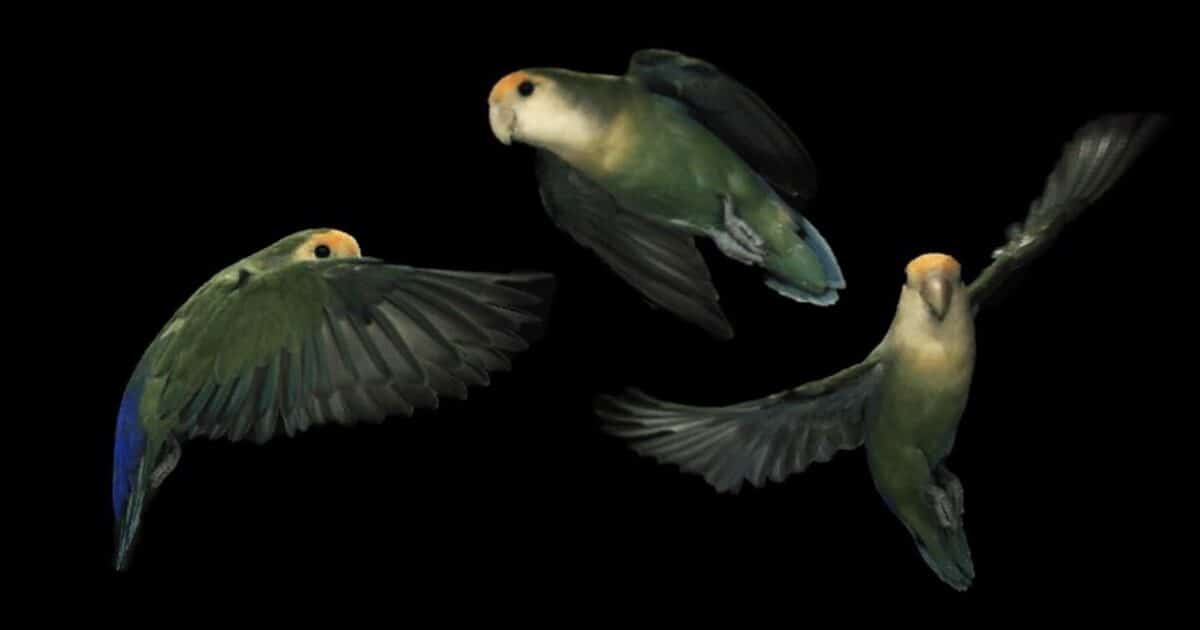
Photo credit: Daniel Kress et al., via EurekAlert!

Appreciating Bird Mimicry and the Other Exceptional, Designed Talents
Let the reader enjoy the 350+ word vocabulary of Clover, alleged to be the best talking parrot in the world.  Read More ›
eastern towhee
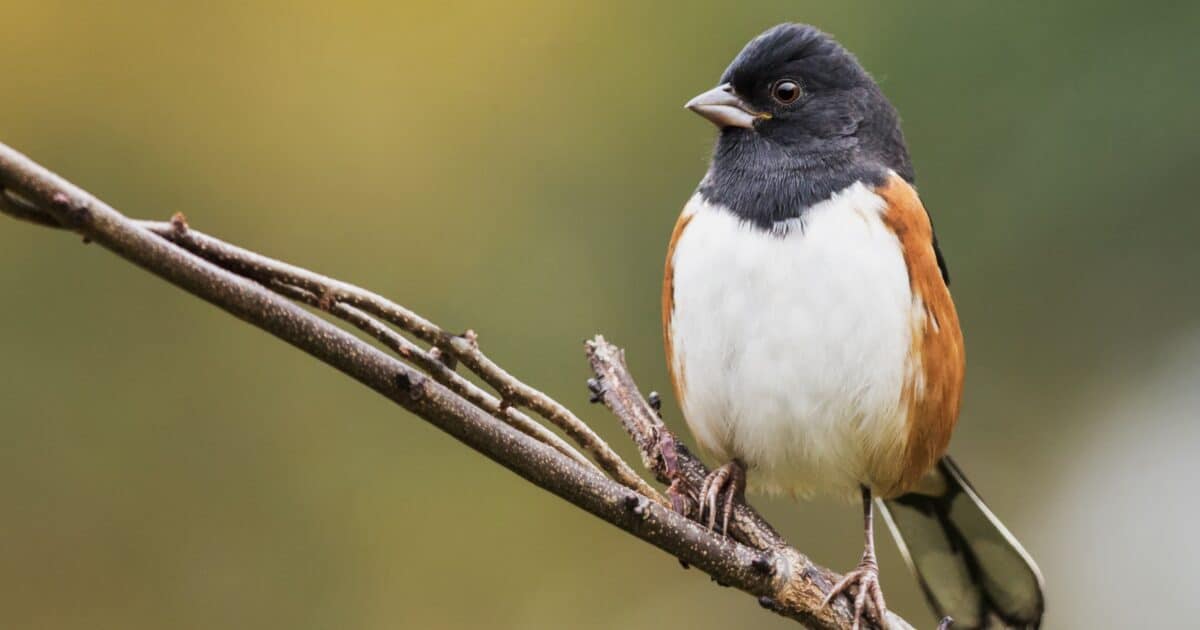
Photo: An eastern towhee, by Shenandoah National Park, via Flickr.

Birds, Bats, Insects: Field Work on Animal Flight Reveals Wonders of Intelligent Design

The capabilities of flying animals continue to amaze scientists, and explanations challenge their best efforts. Does evolutionary theory help? Read More ›
Erika1
Image source: YouTube (cropped).

Why Their Separate Ancestry Model Is “Wildly Unrealistic”

On Monday, I will look at the consistency of the phylogenetically informative sites for the Baum et al. (2016) paper. Spoiler alert: It looks like design. Read More ›

© Discovery Institute