Pigeons Type post Author Eric Cassell Date December 8, 2025 CategoriesIntelligent DesignZoology Tagged , amphibians, bacteria, birds, complexity, cryptochromes, electrons, fish, insects, intelligent design, magnetic compass, magnetic field, magnetite, magnetoreception, mammals, Monarch butterflies, navigation, reptiles, Science (journal), vertebrates, zoology Three Animal Magnetic Compass Mechanisms, All by Design Eric Cassell December 8, 2025 Intelligent Design, Zoology 8 It appears likely that different animals are designed to detect the geomagnetic field using different mechanisms. Read More ›
Green_sea_turtle_(Chelonia_mydas)_Moorea Type post Author Eric Cassell Date April 23, 2025 CategoriesIntelligent DesignNeuroscience & MindZoology Tagged , Animal Algorithms, birds, compass, intelligent design, magnetic field, magnetoreception, memory, migration, Nature (journal), navigation, sea turtles Sea Turtles and Their Trusty Magnetic Compass Eric Cassell April 23, 2025 Intelligent Design, Neuroscience & Mind, Zoology 5 All of these elements exhibit specified complexity that is indicative of intelligent design. Read More ›
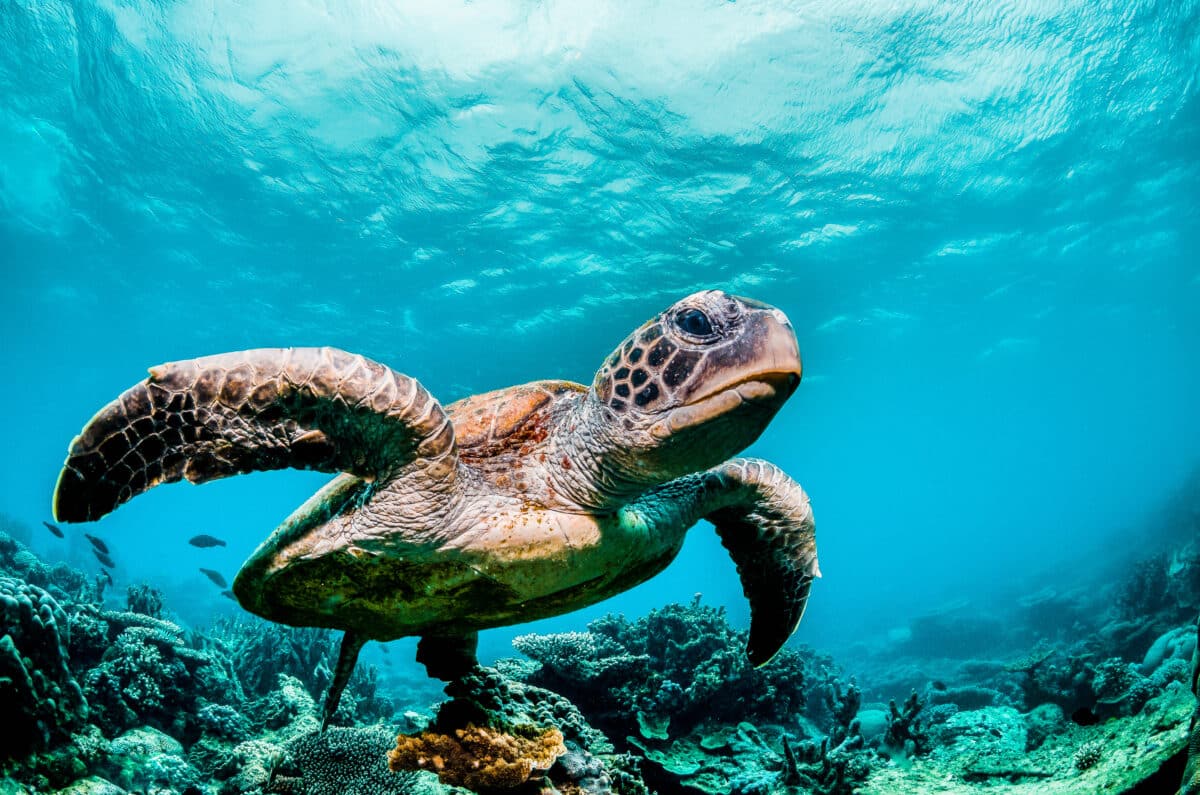
green-sea-turtle-swimming-among-colorful-coral-reef-in-beaut-339487509-stockpack-adobestock Type post Date November 20, 2015 CategoriesBiochemistryZoology Tagged , __nedited, Biomimetics, butterflies, compass, convergent evolution, ethology, herpetology, Living Waters, magnetic field, magnetoreception, natural intelligence, navigation, pigeons, Research, salmon, sea turtles, whales Animal Magnetism Comes to Light Science & Culture November 20, 2015 Biochemistry, Zoology 5 What does it take to sense a physical force and use it to navigate thousands of miles? Answer: informational systems. Read More ›