Pigeons Type post Author Eric Cassell Date December 8, 2025 CategoriesIntelligent DesignZoology Tagged , amphibians, bacteria, birds, complexity, cryptochromes, electrons, fish, insects, intelligent design, magnetic compass, magnetic field, magnetite, magnetoreception, mammals, Monarch butterflies, navigation, reptiles, Science (journal), vertebrates, zoology Three Animal Magnetic Compass Mechanisms, All by Design Eric Cassell December 8, 2025 Intelligent Design, Zoology 8 It appears likely that different animals are designed to detect the geomagnetic field using different mechanisms. Read More ›
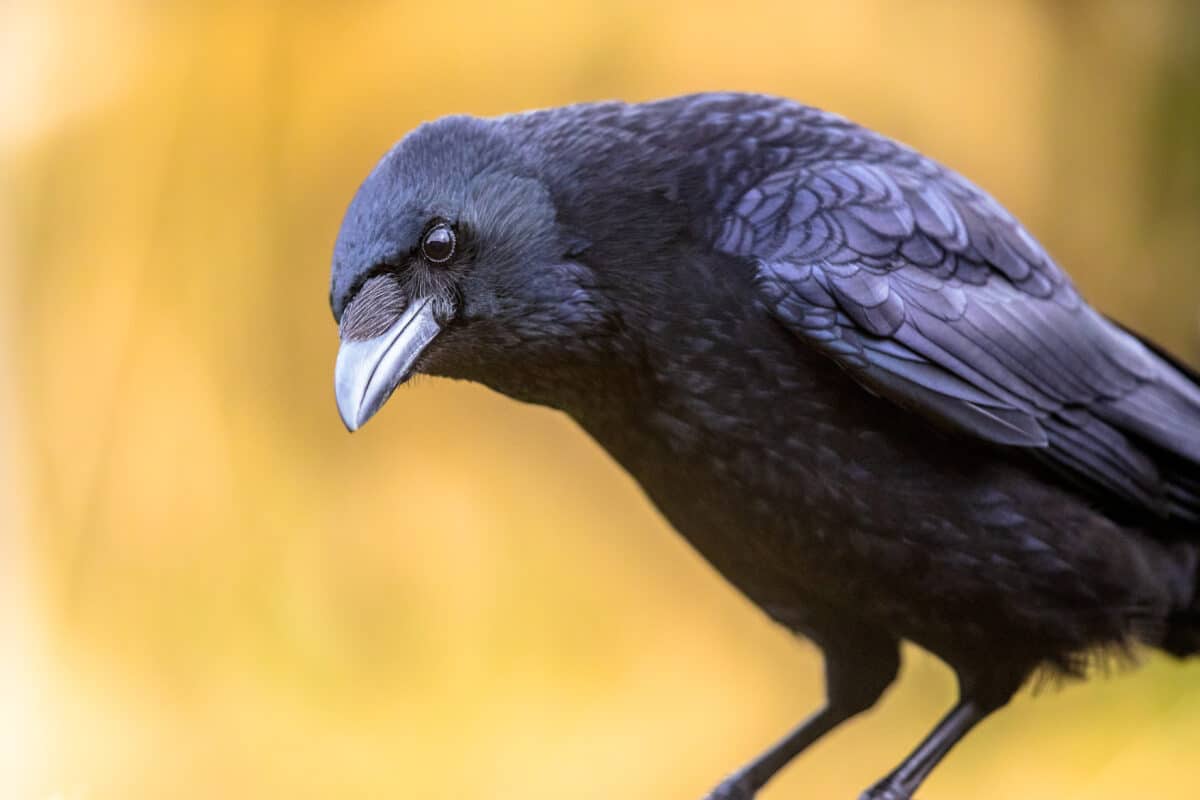
carrion-crow-portrait-of-head-stockpack-adobe-stock-431630931-stockpack-adobestock Type post Author Denyse O’Leary Date December 22, 2015 CategoriesNeuroscience & MindZoology Tagged , __nedited, animal behavior, animal intelligence, bird vocalizations, birds, cave art, Continuing Series, crows, death, ethology, horses, instinct, intelligence, magnetite, mammals, migration, mourning, nature, nest-building, ornithology, parrots, pets, pigs, presuppositions, ravens, science Furry, Feathery, and Finny Animals Speak Their Minds Denyse O’Leary December 22, 2015 Neuroscience & Mind, Zoology 11 Recent findings suggest that crows fear death -- many purposefully avoid places where other crows have died. Read More ›