Pigeons Type post Author Eric Cassell Date December 8, 2025 CategoriesIntelligent DesignZoology Tagged , amphibians, bacteria, birds, complexity, cryptochromes, electrons, fish, insects, intelligent design, magnetic compass, magnetic field, magnetite, magnetoreception, mammals, Monarch butterflies, navigation, reptiles, Science (journal), vertebrates, zoology Three Animal Magnetic Compass Mechanisms, All by Design Eric Cassell December 8, 2025 Intelligent Design, Zoology 8 It appears likely that different animals are designed to detect the geomagnetic field using different mechanisms. Read More ›
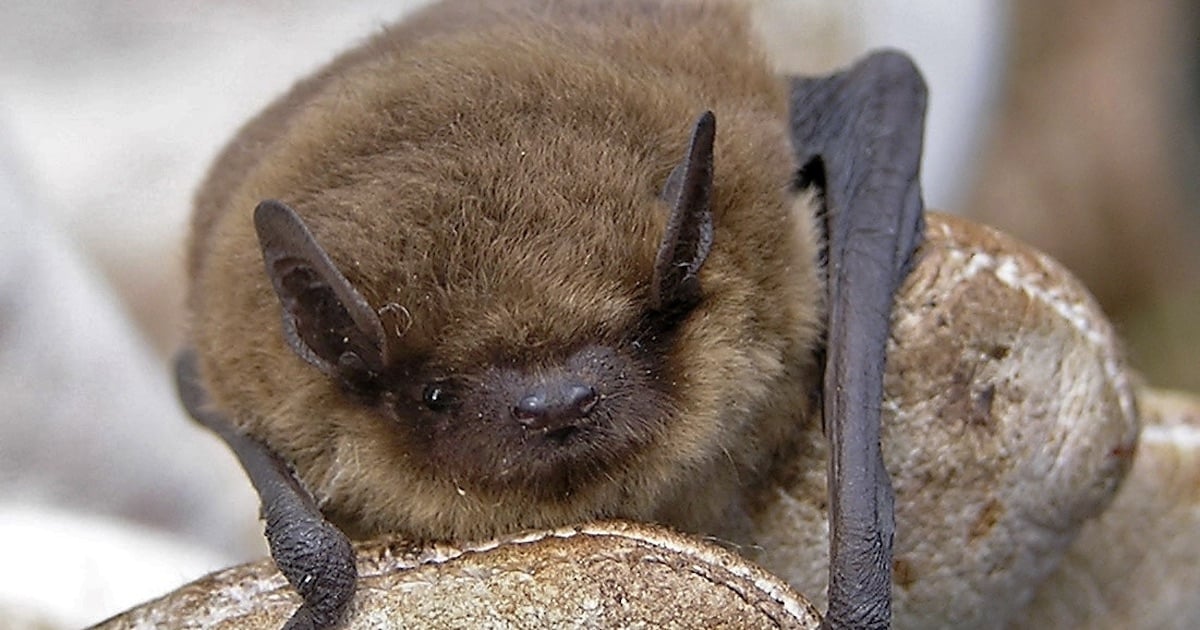
pipistrelle Type post Author Eric Cassell Date January 15, 2024 CategoriesEvolutionIntelligent Design Tagged , algorithms, Animal Algorithms, bats, birds, common design, convergent evolution, Darwinian evolution, Emily Reeves, Europe, intelligent agents, magnetic compass, mammals, navigation, paleontologists, polarization, Royal Society, sunlight In Bats and Other Animals, Evidence of Common Design in a Magnetic Compass Eric Cassell January 15, 2024 Evolution, Intelligent Design 4 There has been little data previously to confirm that mammals navigate long distances using the earth’s geomagnetic field. Read More ›
Monarch butterfly Type post Author Eric Cassell Date November 22, 2021 CategoriesBiologyEvolutionIntelligent Design Tagged , animal behavior, antennae, butterflies, Canada, circadian clock, compound eyes, evolution, genomes, intelligent design, magnetic compass, Mexico, migration, monarch butterfly, navigation, neurobiology, Stonehenge, United States For Evolution, Monarch Butterfly Migration Is a Mystery Eric Cassell November 22, 2021 Biology, Evolution, Intelligent Design 6 It typically takes up to three generations of butterflies to make the complete journey. This means that the navigation information is genetically programmed. Read More ›