






































Science and Culture Today Discovering Design in Nature
Topic

common design

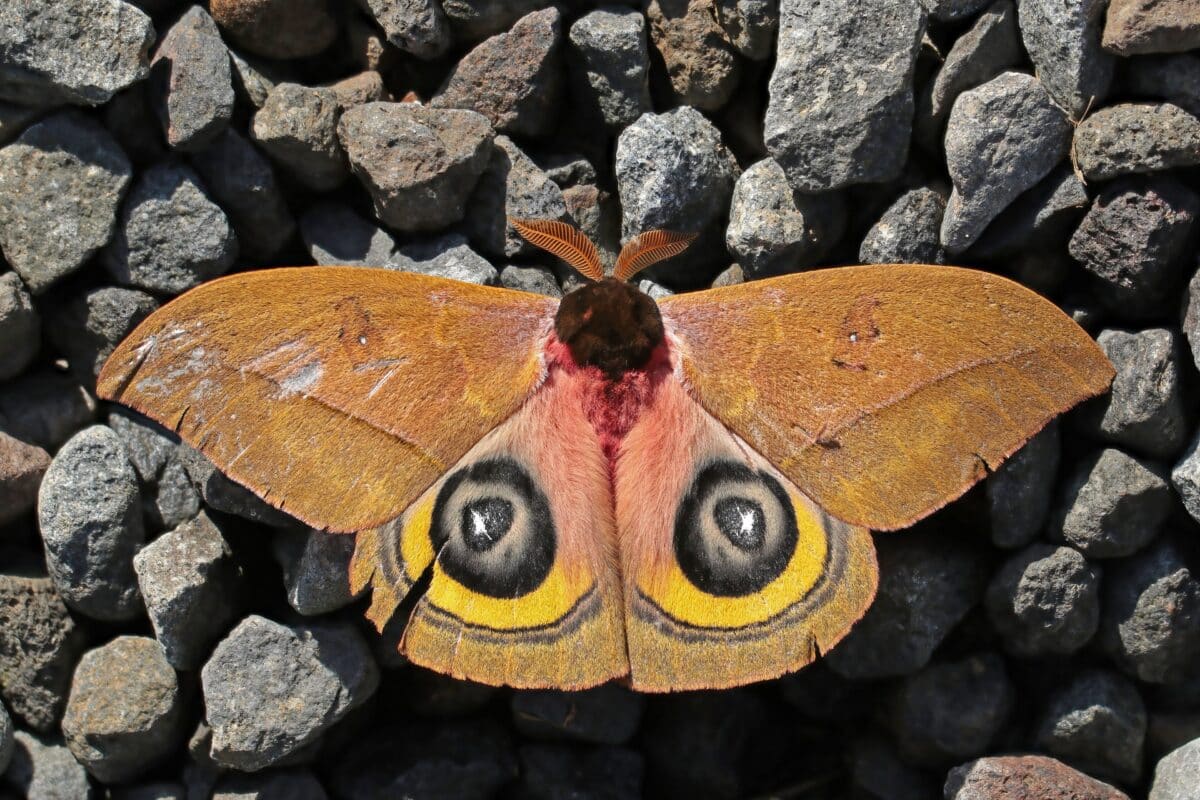
OwlmothAutomerisbeltibelti
Photo: Owl moth, by Charles J. Sharp, CC BY-SA 4.0 <https://creativecommons.org/licenses/by-sa/4.0>, via Wikimedia Commons.

Extraordinary Genetic Convergent Evolution in Moths and Butterflies

The practice of re-usage of functional parts in different systems is “ubiquitous” in human-designed technology just as convergence is “ubiquitous” in biology. Read More ›
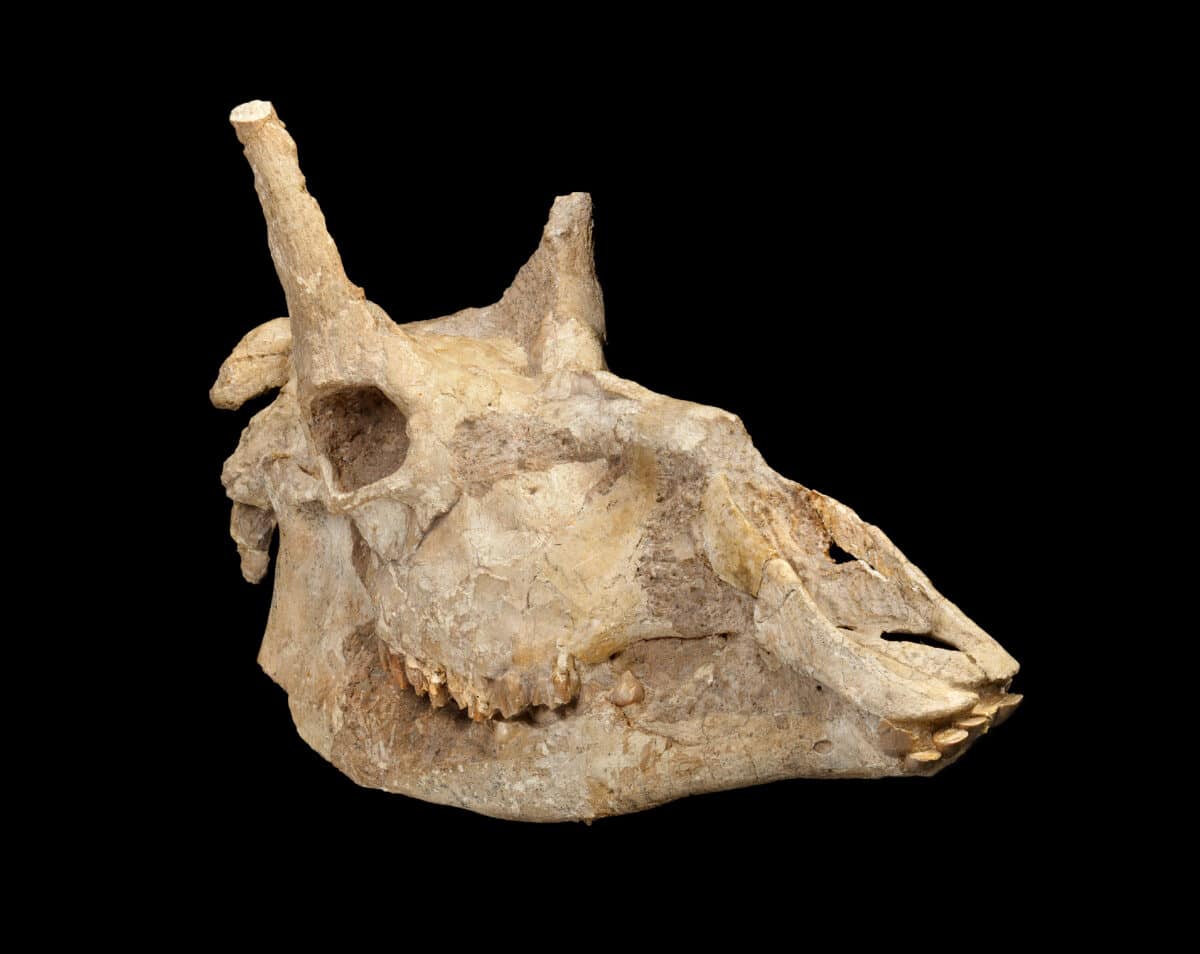
SamotheriumskullangledviewfromtheNaturalHistoryMuseu
Photo: Samotherium, not a true intermediate of the giraffe, © The Trustees of the Natural History Museum, London, CC BY 4.0 <https://creativecommons.org/licenses/by/4.0>, via Wikimedia Commons.

Giraffes and the Fossil Record: Bad News for Neo-Darwinism

Dr. Wolf-Ekkehard Lönnig highlights the discrepancies in the fossil record that cause the traditional Darwinian narrative to unravel. Read More ›
2001-chimp-obelisk-2400x1345
Image credit: Nathan Jacobson.

On Human-Chimp Genetic Differences, the Critics Misstate My Arguments 

Evolution defenders generally accept the new evidence showing that humans and chimps are 15 percent genetically different but downplay the new number. Read More ›
SmithsonianNationalMuseumofNaturalHistory27722293661
Photo credit: Tony Hisgett from Birmingham, UK, CC BY 2.0 <https://creativecommons.org/licenses/by/2.0>, via Wikimedia Commons.

Challenged on the “1 Percent” Myth, Smithsonian Gives a Meaningless Non-Answer

Note to President Trump: I find this pretty disrespectful to the people who pay the bills at the Smithsonian. Read More ›
Humpback_stellwagen_edit
Photo: A humpback whale, by Whit Welles Wwelles14 / CC BY (https://creativecommons.org/licenses/by/3.0).

Similarities Between Vertebrate Limbs Are Best Explained Not by Common Ancestry but by Design
The challenge is particularly daunting in the case of whales. The flipper differs in almost every respect from that of its proposed terrestrial ancestor. Read More ›
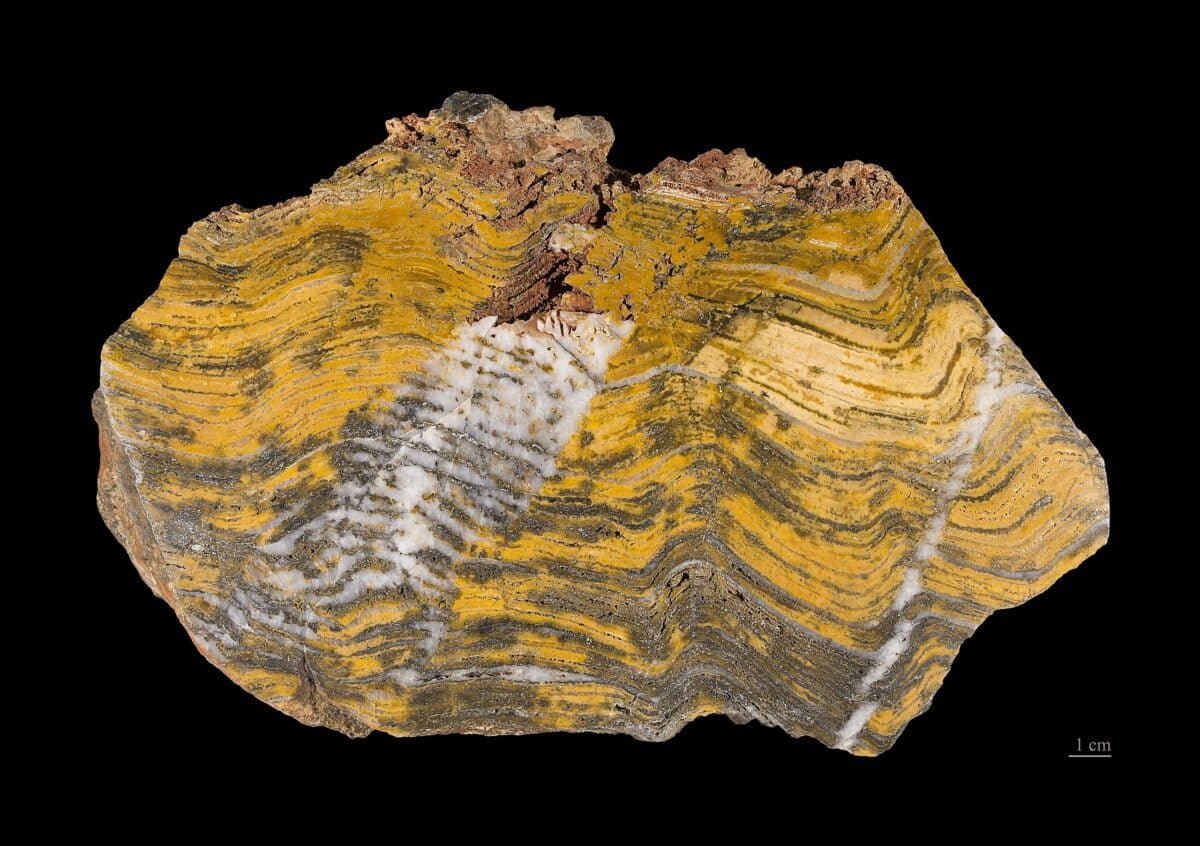
Stromatolithe - MNHT
Photo: Stromatolithe fossil, dated to about 3.4 Ga, by Muséum de Toulouse, CC BY-SA 4.0 <https://creativecommons.org/licenses/by-sa/4.0>, via Wikimedia Commons.

Study Finds Life’s Origin “Required a Surprisingly Short Interval of Geologic Time”
It’s certainly not impossible that life was already present on Earth at 4.2 Ga. And if it were true it would have intriguing implications. Read More ›
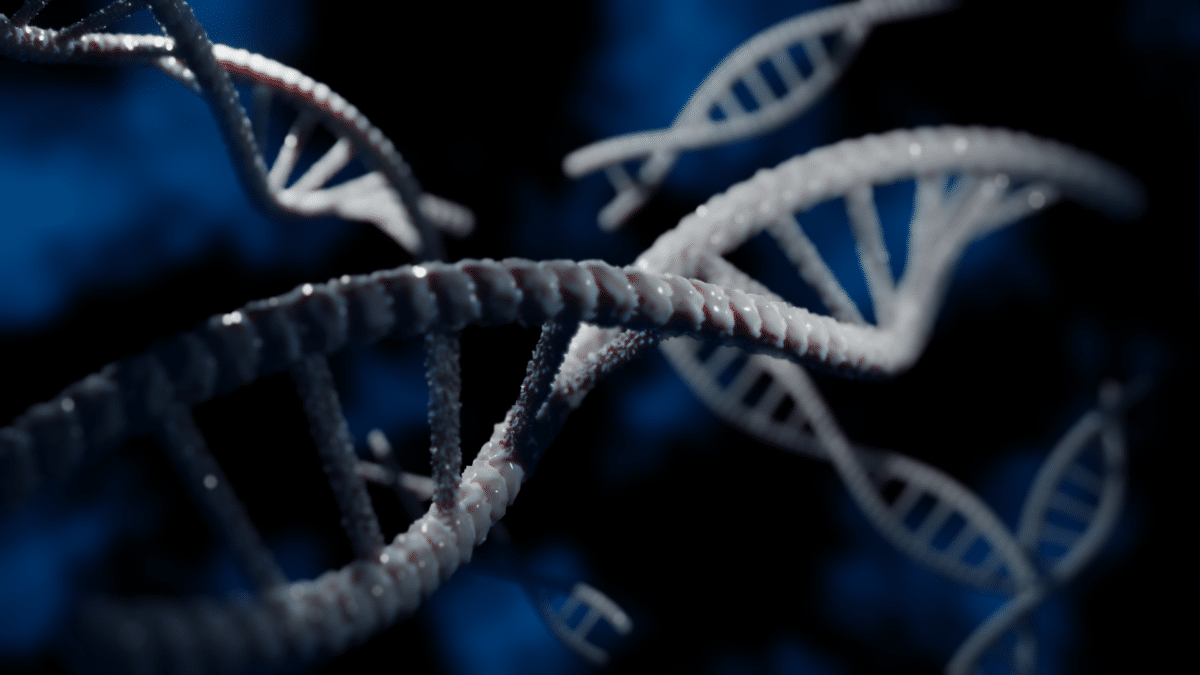
3D_DNA_High_contrast
Image credit: Tim Tim (VD fr), CC BY-SA 4.0 <https://creativecommons.org/licenses/by-sa/4.0>, via Wikimedia Commons.

New Paper Argues that Variant Genetic Codes Are Best Explained by Common Design

A popular argument for a universal common ancestor is the near-universality of the conventional genetic code. Read More ›
work colleagues
Photo credit: krakenimages, via Unsplash.

Can Evolution and Intelligent Design Work Together in Harmony?
Or is that wishful thinking? Casey Luskin concludes his conversation with philosopher Stephen Dilley about a recent proposal. Read More ›
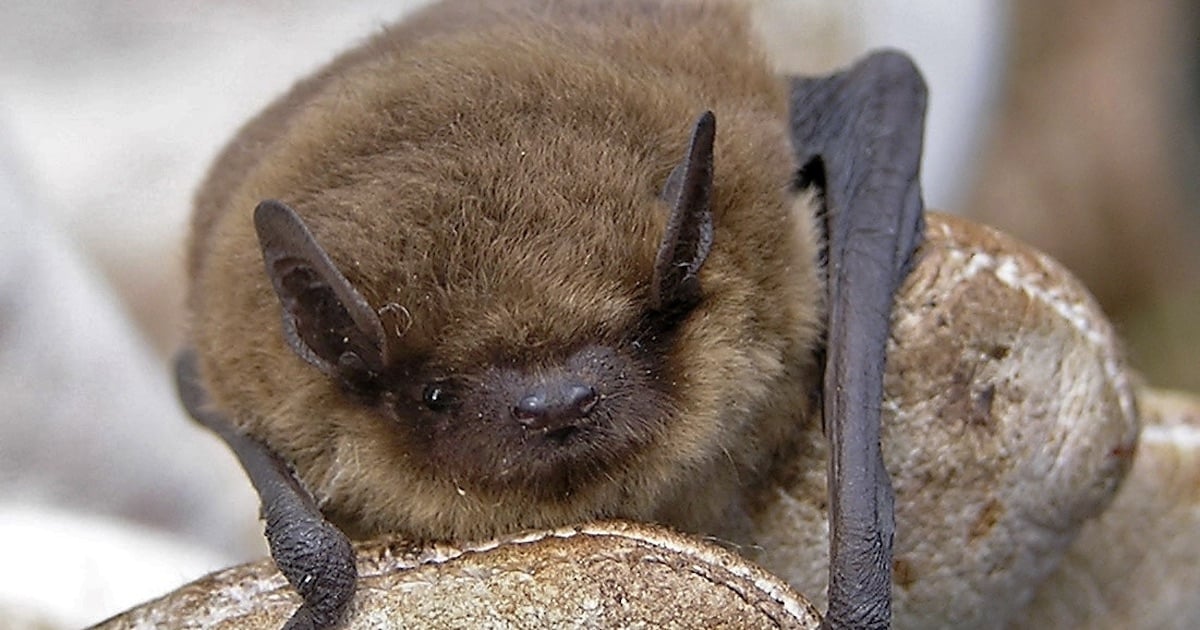
pipistrelle
Photo credit: Dave, via Flickr (cropped).

In Bats and Other Animals, Evidence of Common Design in a Magnetic Compass
There has been little data previously to confirm that mammals navigate long distances using the earth’s geomagnetic field. Read More ›
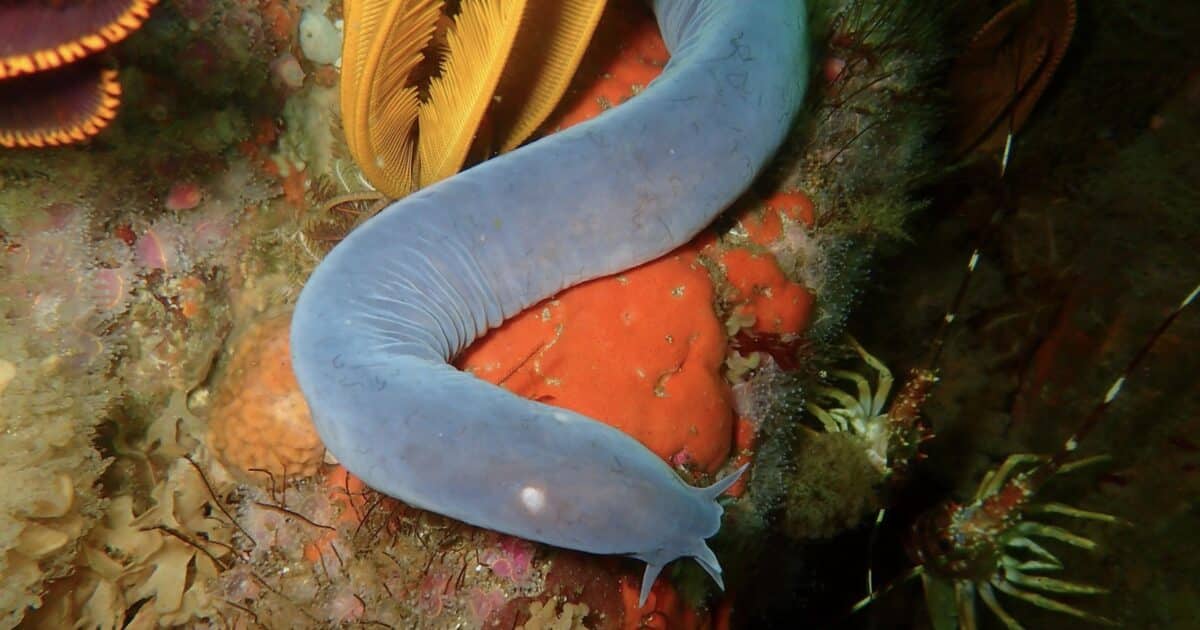
hagfish
Photo: A hagfish, by Peter Southwood, CC BY-SA 4.0 <https://creativecommons.org/licenses/by-sa/4.0>, via Wikimedia Commons.

Has Russell Doolittle Provided an Evolutionary Explanation of the Blood Clotting Cascade?

Doolittle predicts, from an evolutionary framework, that jawless vertebrates would have a simpler blood clotting cascade than the human system. Read More ›

© Discovery Institute