3D_DNA_High_contrast Type post Author Jonathan McLatchie Date June 25, 2024 CategoriesEvolutionIntelligent Design Tagged , BIO-Complexity, common ancestry, common design, evolution, evolutionary theory, genetic code, genomes, green algae, intelligent design, mitochondria, mutations, phylogeny, Winston Ewert New Paper Argues that Variant Genetic Codes Are Best Explained by Common Design Jonathan McLatchie June 25, 2024 Evolution, Intelligent Design 6 A popular argument for a universal common ancestor is the near-universality of the conventional genetic code. Read More ›
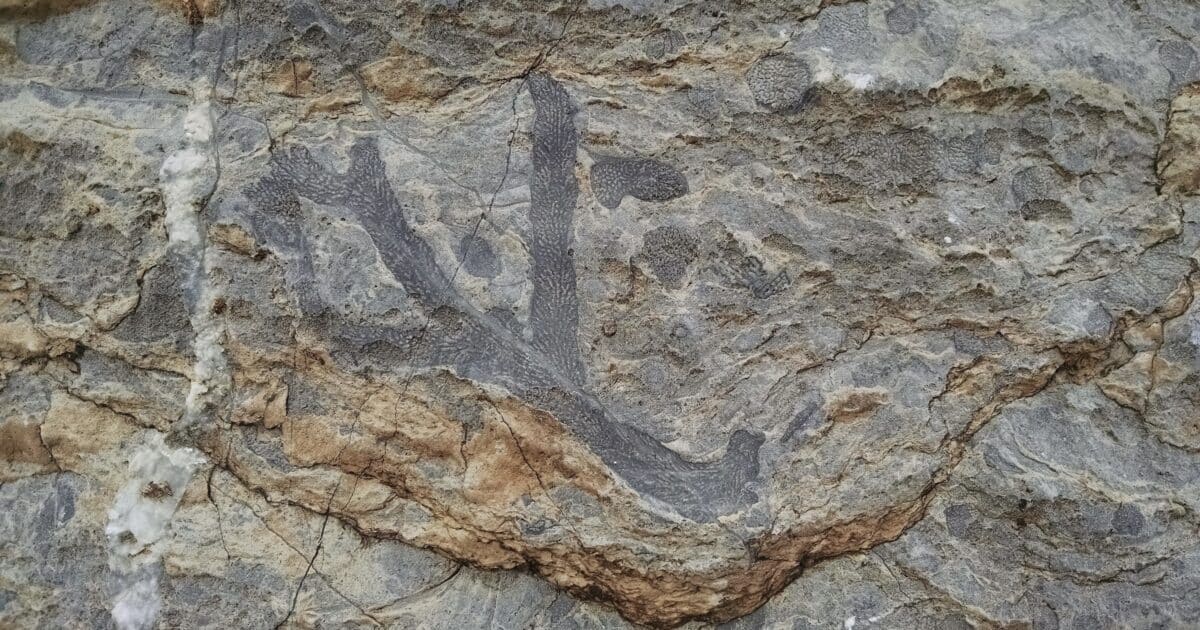
Branching_archaeocyath Type post Author Günter Bechly Date January 12, 2024 CategoriesEvolutionPaleontology Tagged , Australia, bioRxiv, Bryozoa, bryozoans, Cambrian Explosion, Darwin's Doubt, Darwinists, evolution, evolutionary biologists, Fossil Friday (series), fossil record, great Ordovician biodiversification event, green algae, Metazoa, ontogeny, paleontology, Porifera, sponges, Stephen Meyer Fossil Friday: Update on Cambrian Bryozoans Günter Bechly January 12, 2024 Evolution, Paleontology 3 The authors emphasize that “the origin of the bryozoans remains a mystery” but explicitly confirm the reality of the Cambrian Explosion. Read More ›
Cambrian Bryozoa Type post Author Günter Bechly Date November 24, 2023 CategoriesEvolutionPaleontology Tagged , bilaterians, body plans, Bryozoa, Cambrian animals, Cambrian Explosion, chordates, evolution, evolutionary biology, Fossil Friday (series), fossil record, great Ordovician biodiversification event, green algae, invertebrates, Lower Cambrian, metazoans, molecular clock studies, Nevada, Ohio, paleontology, South China, tentacles Fossil Friday: Cambrian Bryozoa Come and Go Günter Bechly November 24, 2023 Evolution, Paleontology 10 This is a field that often has more in common with the interpretation of inkblots in Rorschach tests than with hard science. Read More ›
eye Type post Author Otangelo Grasso Date February 24, 2020 CategoriesEvolutionIntelligent Design Tagged , __edited, complexity, Darwinists, enzymes, evolution, green algae, human brain, human eye, intelligent design, Irreducible Complexity, Jonathan Wells, lipid bilayer, Michael Behe, natural selection, Nature Communications, proteins The Evolution of the Eye, Demystified Otangelo Grasso February 24, 2020 Evolution, Intelligent Design 8 Michael Behe in 2006 and Jonathan Wells in 2017 wrote about the irreducible complexity of the light-sensing cascade that makes vision possible. Read More ›