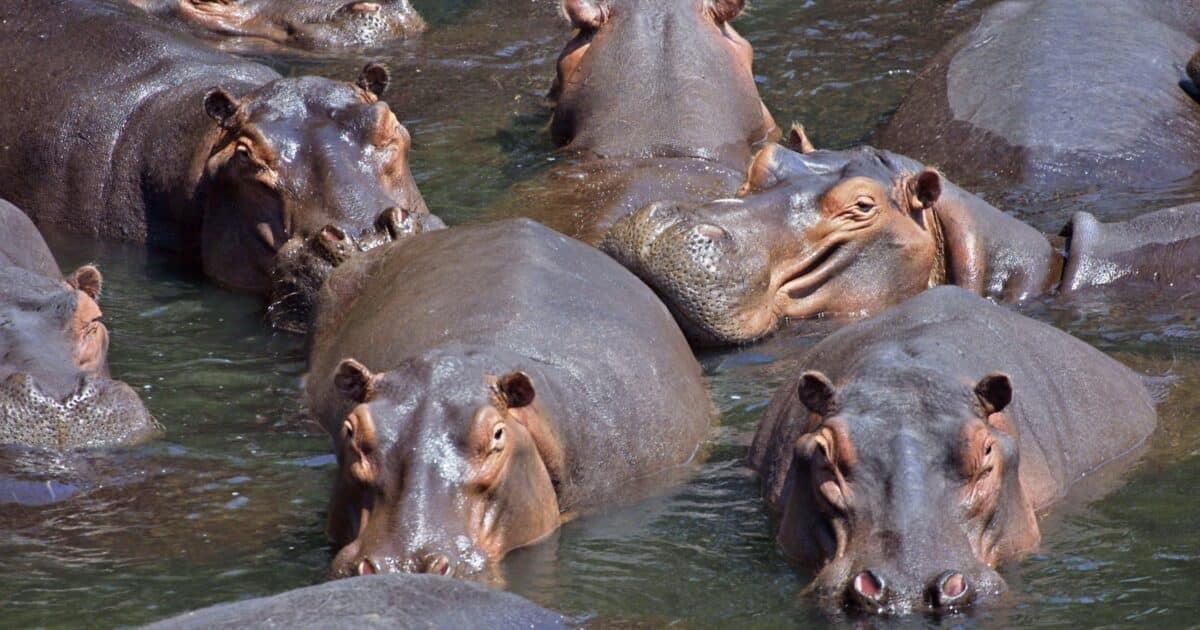
Hippo_pod_edit Type post Author Wolf-Ekkehard Lönnig Date March 15, 2024 CategoriesBiologyEvolutionIntelligent DesignPaleontology Tagged , Africa, brachiopods, bryozoans, cephalopods, Charles Darwin, corals, Ernst Mayr, evolution, fossil record, genera, Georges Cuvier, ghost lineages, hippos, intelligent design, Louis Agassiz, Martin Pickford, National Geographic, natural selection, species, stasis, trilobites Notes on the Mysterious Origin of Hippos Wolf-Ekkehard Lönnig March 15, 2024 Biology, Evolution, Intelligent Design, Paleontology 3 The family Hippopotamidae appears abruptly in the fossil record — like all the other groups that I have so far investigated in detail. Read More ›
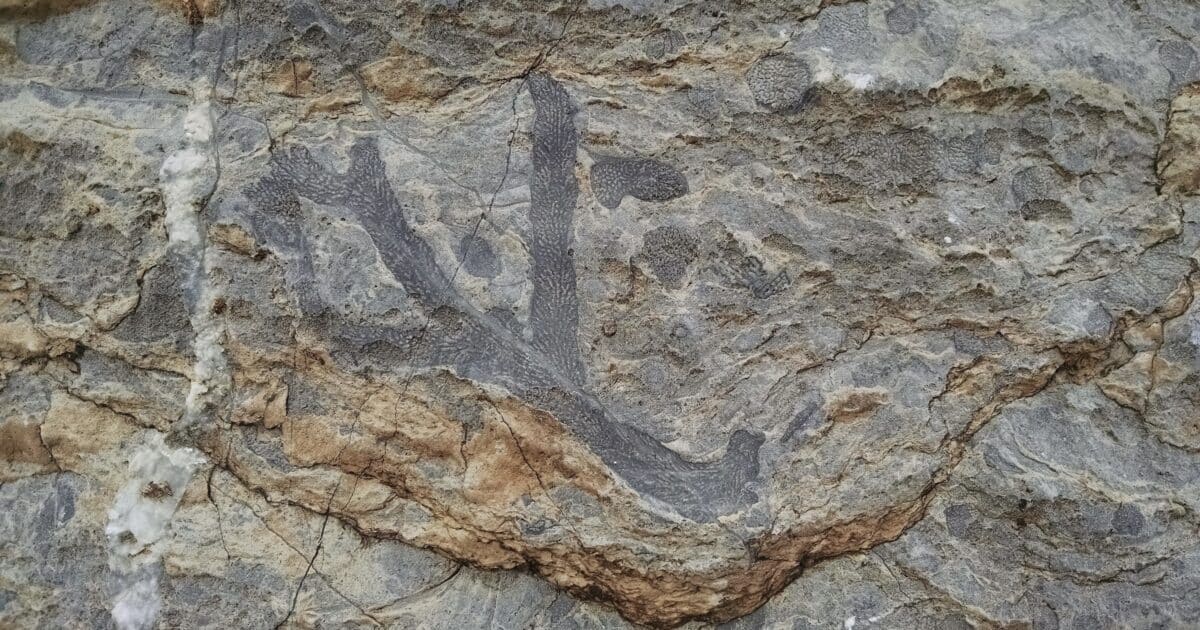
Branching_archaeocyath Type post Author Günter Bechly Date January 12, 2024 CategoriesEvolutionPaleontology Tagged , Australia, bioRxiv, Bryozoa, bryozoans, Cambrian Explosion, Darwin's Doubt, Darwinists, evolution, evolutionary biologists, Fossil Friday (series), fossil record, great Ordovician biodiversification event, green algae, Metazoa, ontogeny, paleontology, Porifera, sponges, Stephen Meyer Fossil Friday: Update on Cambrian Bryozoans Günter Bechly January 12, 2024 Evolution, Paleontology 3 The authors emphasize that “the origin of the bryozoans remains a mystery” but explicitly confirm the reality of the Cambrian Explosion. Read More ›
Turtle_Solnhofen Type post Author Günter Bechly Date December 5, 2022 CategoriesEvolutionIntelligent DesignPaleontology Tagged , amniotes, bryozoans, Cambrian Explosion, cephalopods, Cloudina, common descent, creationism, Darwin's Doubt, Dave Farina, dependency graph, dinosaurs, Donald Prothero, Ediacaran Period, evolution, fossil record, genes, intelligent design, Nature Communications, New Scientist, SETI, Stephen Meyer, turtles, Winston Ewert Dave Farina Criticizes Intelligent Design but Doesn’t Understand It Günter Bechly December 5, 2022 Evolution, Intelligent Design, Paleontology 23 Boom! There goes the “exquisitely documented” evolution of turtles. Sorry, Professor Dave. Read More ›
Sand_from_Gobi_Desert Type post Author David Coppedge Date April 18, 2022 CategoriesBiologyIntelligent DesignLife Sciences Tagged , brains, bryozoans, corals, crystals, Design Inference, diatoms, erosion, intelligent design, Live Science, minds, natural law, Quartz, sea urchins, shells, sponges, TED talk, William Blake, wind Applying the Design Filter to Biological Sands David Coppedge April 18, 2022 Biology, Intelligent Design, Life Sciences 6 If you look closely at beach sand, you may find some grains that stand out. They are shaped like spirals, stars, or striated cones. Read More ›
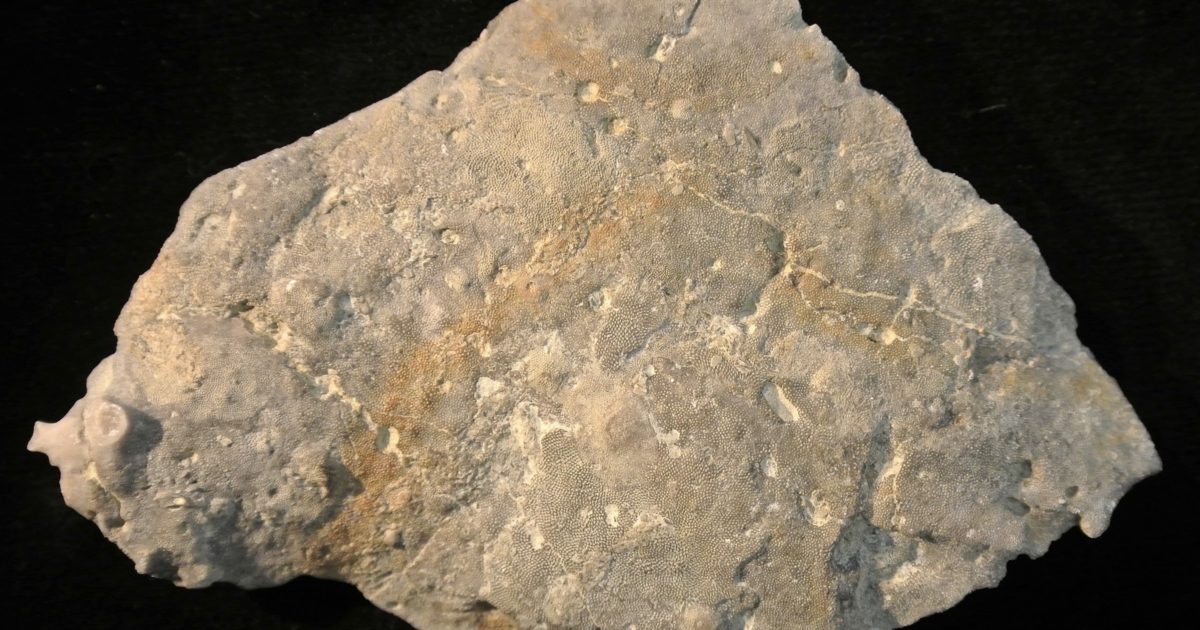
Bryozoa Type post Date December 6, 2021 CategoriesBiologyEvolutionPaleontology Tagged , Bryozoa, bryozoans, budding, Cambrian Explosion, Cambrian News, China, climate change, evolution, fossil record, information, intelligent design, Nature (journal), Nature News and Views, Ordovician Period, Stephen Meyer, UC San Diego, University of Alberta More Cambrian Woes for Evolution Science & Culture December 6, 2021 Biology, Evolution, Paleontology 8 New fossils continue to put pressure on the evolutionary narrative of gradualism. Read More ›
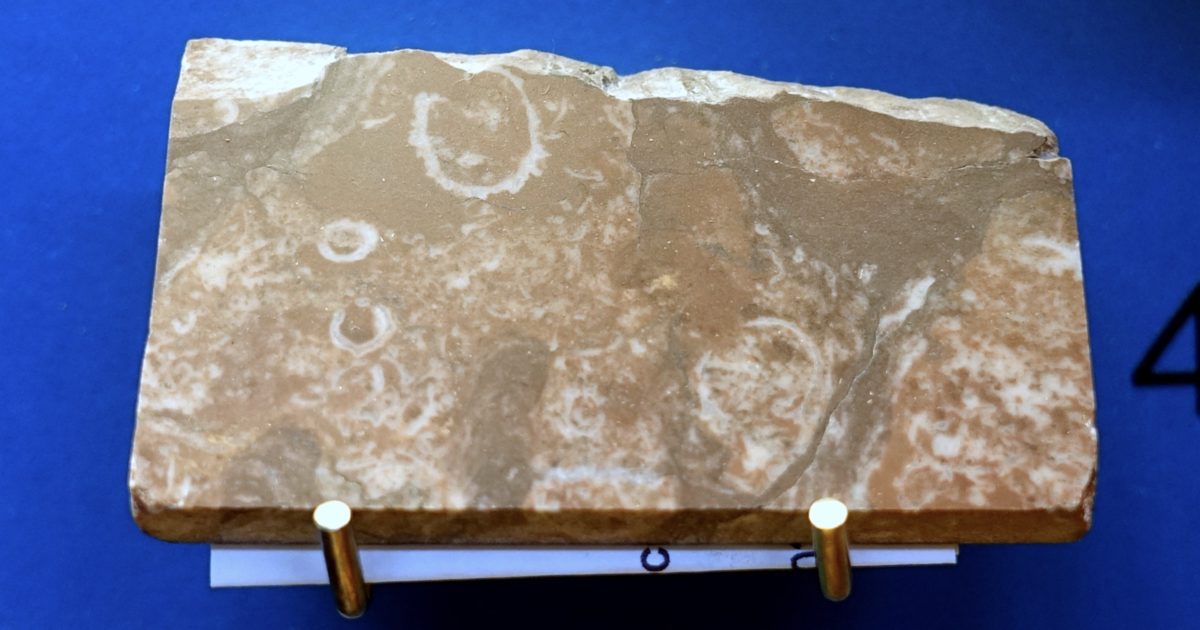
Namacalathus and Cloudina Type post Author Günter Bechly Date January 19, 2021 CategoriesEvolutionIntelligent Design Tagged , bilateral symmetry, brachiopods, bryozoans, Cambrian Explosion, Cambrian News, Chengjiang fossils, cnidarians, Ediacaran animals, homology, Lophotrochozoa, lophotrochozoans, Namacalathus Namacalathus Revisited — Not Much to See Günter Bechly January 19, 2021 Evolution, Intelligent Design 11 The new evidence is very ambiguous and totally inconclusive. No far-reaching conclusions should be drawn from such dubious material. Read More ›