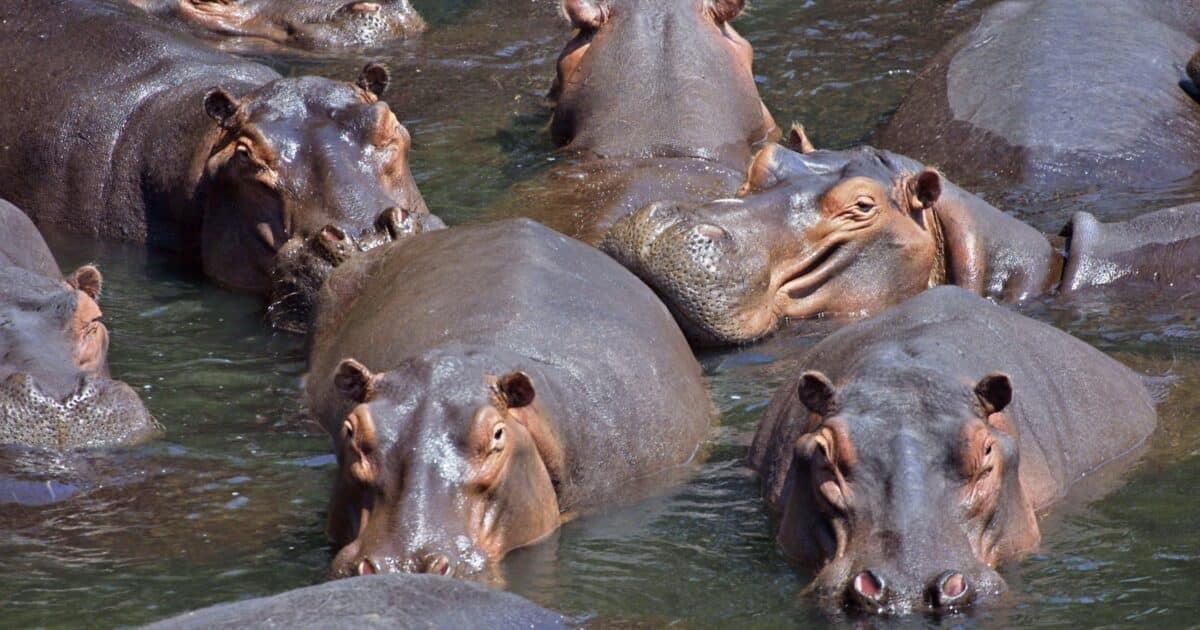
Hippo_pod_edit Type post Author Wolf-Ekkehard Lönnig Date March 15, 2024 CategoriesBiologyEvolutionIntelligent DesignPaleontology Tagged , Africa, brachiopods, bryozoans, cephalopods, Charles Darwin, corals, Ernst Mayr, evolution, fossil record, genera, Georges Cuvier, ghost lineages, hippos, intelligent design, Louis Agassiz, Martin Pickford, National Geographic, natural selection, species, stasis, trilobites Notes on the Mysterious Origin of Hippos Wolf-Ekkehard Lönnig March 15, 2024 Biology, Evolution, Intelligent Design, Paleontology 3 The family Hippopotamidae appears abruptly in the fossil record — like all the other groups that I have so far investigated in detail. Read More ›
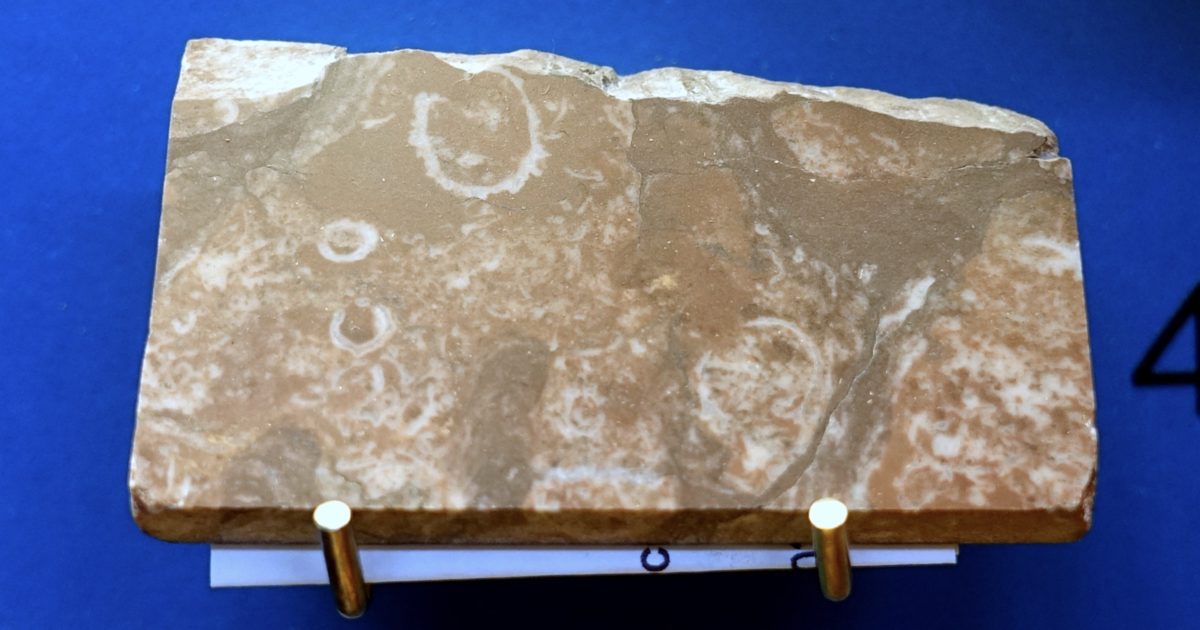
Namacalathus and Cloudina Type post Author Günter Bechly Date January 19, 2021 CategoriesEvolutionIntelligent Design Tagged , bilateral symmetry, brachiopods, bryozoans, Cambrian Explosion, Cambrian News, Chengjiang fossils, cnidarians, Ediacaran animals, homology, Lophotrochozoa, lophotrochozoans, Namacalathus Namacalathus Revisited — Not Much to See Günter Bechly January 19, 2021 Evolution, Intelligent Design 11 The new evidence is very ambiguous and totally inconclusive. No far-reaching conclusions should be drawn from such dubious material. Read More ›
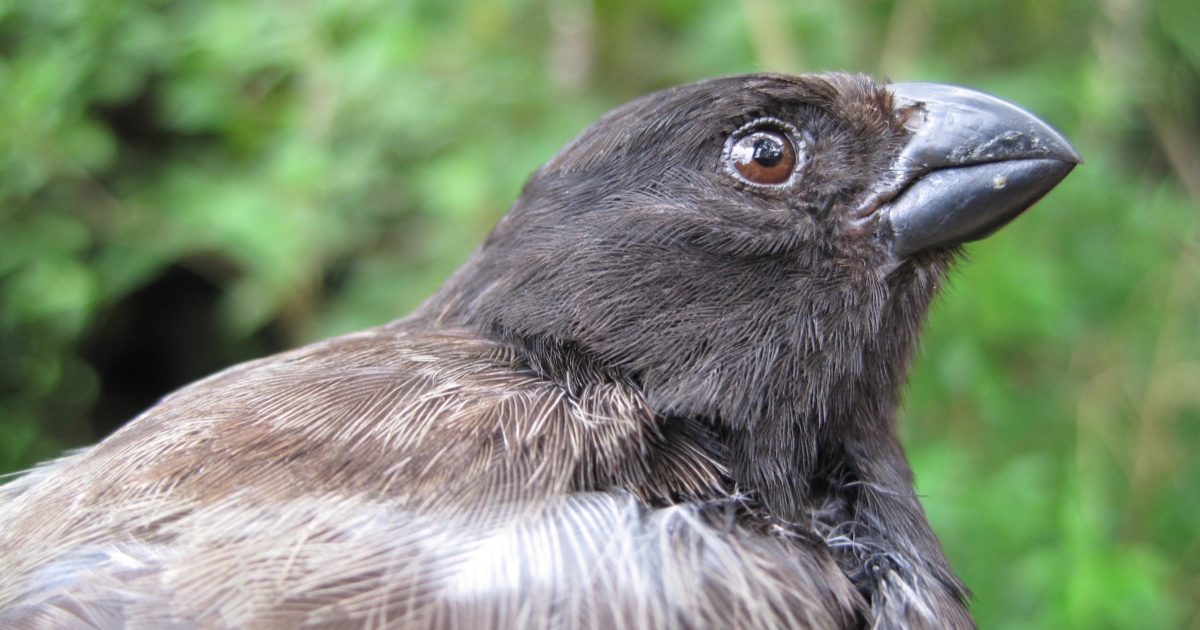
medium tree finch Type post Author Wolf-Ekkehard Lönnig Date November 30, 2020 CategoriesEvolution Tagged , amphibians, brachiopods, Cambrian Explosion, cephalopods, corals, Darwin's Finches, endangered species, evolution, fossilization, Galápagos finches, Galápagos Finches series, Galápagos Islands, genotype, macroevolution, North America, ornithology, population size, South America, speciation, women “Darwin’s Finches”: Galápagos Islands as an Evolutionary Model Wolf-Ekkehard Lönnig November 30, 2020 Evolution 13 Taking the facts and arguments presented together, it appears to be clear that no macroevolution is happening in “Darwin’s finches.” Read More ›
Paleontologist examines Ediacaran fossils Type post Author Günter Bechly Date July 10, 2020 CategoriesEvolution Tagged , algae, bilateral symmetry, brachiopods, Bryozoa, Cambrian Explosion, Ediacaran biota, Namacalathus, Paleobiology Database, protists, sponges, Utah Namacalathus, Alleged Ediacaran “Animal,” Fails to Refute Abrupt Cambrian Explosion Günter Bechly July 10, 2020 Evolution 13 It could be anything, from a coelenterate-grade or sponge-grade organism to even a protist or an alga. Read More ›