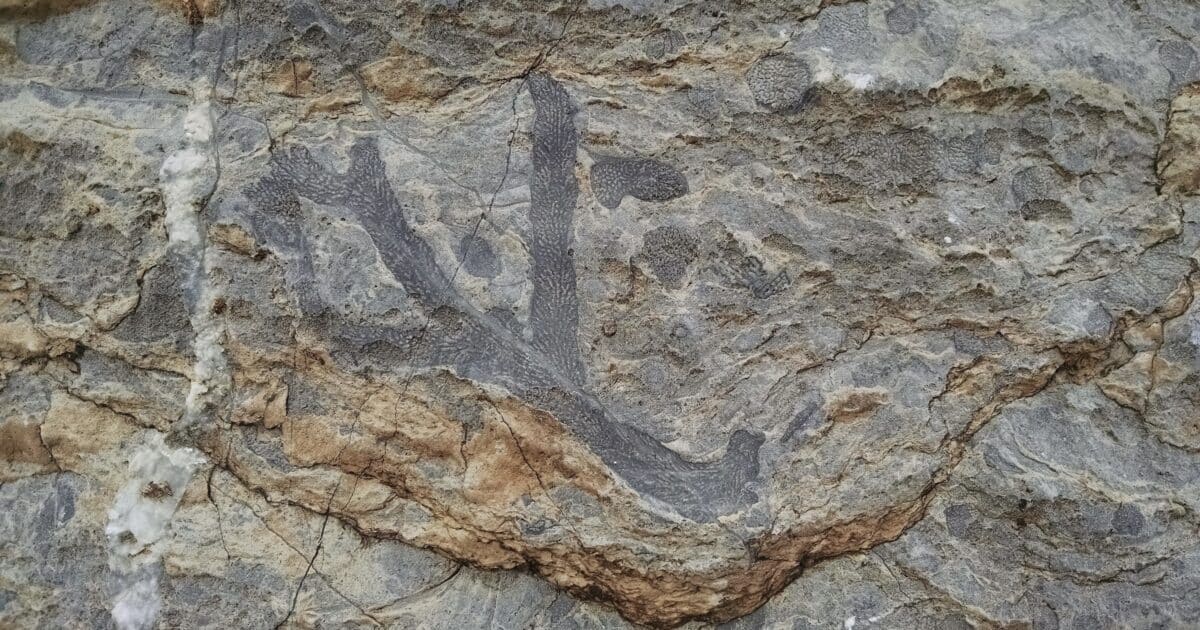
Branching_archaeocyath Type post Author Günter Bechly Date January 12, 2024 CategoriesEvolutionPaleontology Tagged , Australia, bioRxiv, Bryozoa, bryozoans, Cambrian Explosion, Darwin's Doubt, Darwinists, evolution, evolutionary biologists, Fossil Friday (series), fossil record, great Ordovician biodiversification event, green algae, Metazoa, ontogeny, paleontology, Porifera, sponges, Stephen Meyer Fossil Friday: Update on Cambrian Bryozoans Günter Bechly January 12, 2024 Evolution, Paleontology 3 The authors emphasize that “the origin of the bryozoans remains a mystery” but explicitly confirm the reality of the Cambrian Explosion. Read More ›
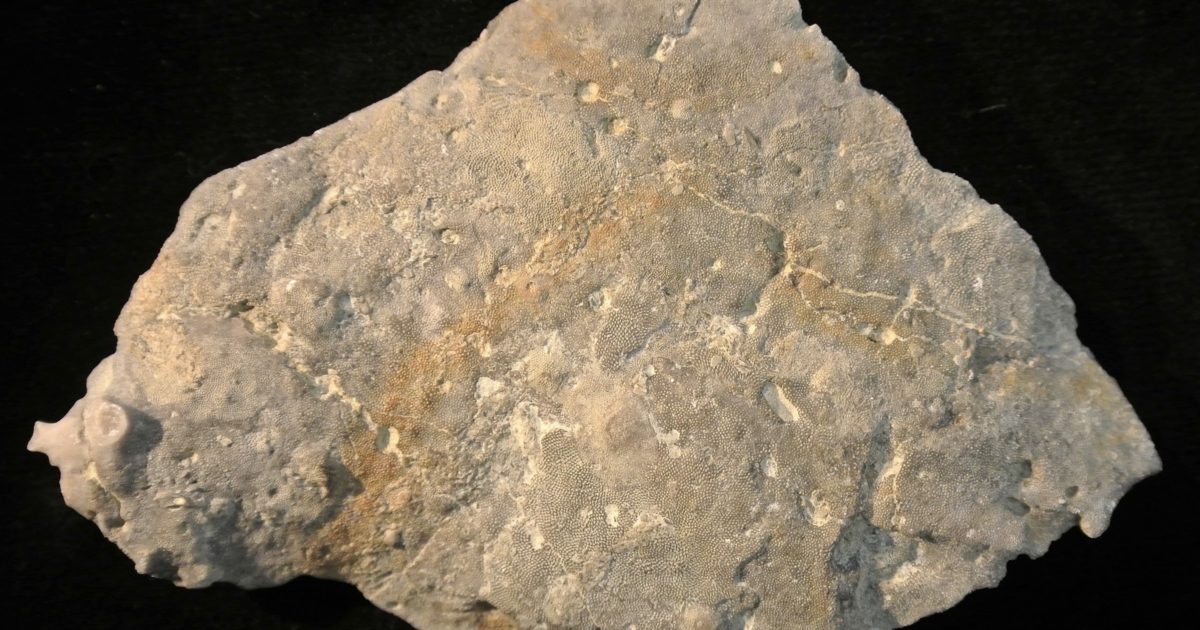
Cambrian Bryozoa Type post Author Günter Bechly Date November 24, 2023 CategoriesEvolutionPaleontology Tagged , bilaterians, body plans, Bryozoa, Cambrian animals, Cambrian Explosion, chordates, evolution, evolutionary biology, Fossil Friday (series), fossil record, great Ordovician biodiversification event, green algae, invertebrates, Lower Cambrian, metazoans, molecular clock studies, Nevada, Ohio, paleontology, South China, tentacles Fossil Friday: Cambrian Bryozoa Come and Go Günter Bechly November 24, 2023 Evolution, Paleontology 10 This is a field that often has more in common with the interpretation of inkblots in Rorschach tests than with hard science. Read More ›
Bryozoa Type post Date December 6, 2021 CategoriesBiologyEvolutionPaleontology Tagged , Bryozoa, bryozoans, budding, Cambrian Explosion, Cambrian News, China, climate change, evolution, fossil record, information, intelligent design, Nature (journal), Nature News and Views, Ordovician Period, Stephen Meyer, UC San Diego, University of Alberta More Cambrian Woes for Evolution Science & Culture December 6, 2021 Biology, Evolution, Paleontology 8 New fossils continue to put pressure on the evolutionary narrative of gradualism. Read More ›
Paleontologist examines Ediacaran fossils Type post Author Günter Bechly Date July 10, 2020 CategoriesEvolution Tagged , algae, bilateral symmetry, brachiopods, Bryozoa, Cambrian Explosion, Ediacaran biota, Namacalathus, Paleobiology Database, protists, sponges, Utah Namacalathus, Alleged Ediacaran “Animal,” Fails to Refute Abrupt Cambrian Explosion Günter Bechly July 10, 2020 Evolution 13 It could be anything, from a coelenterate-grade or sponge-grade organism to even a protist or an alga. Read More ›