







































Science and Culture Today Discovering Design in Nature
Topic

bioRxiv

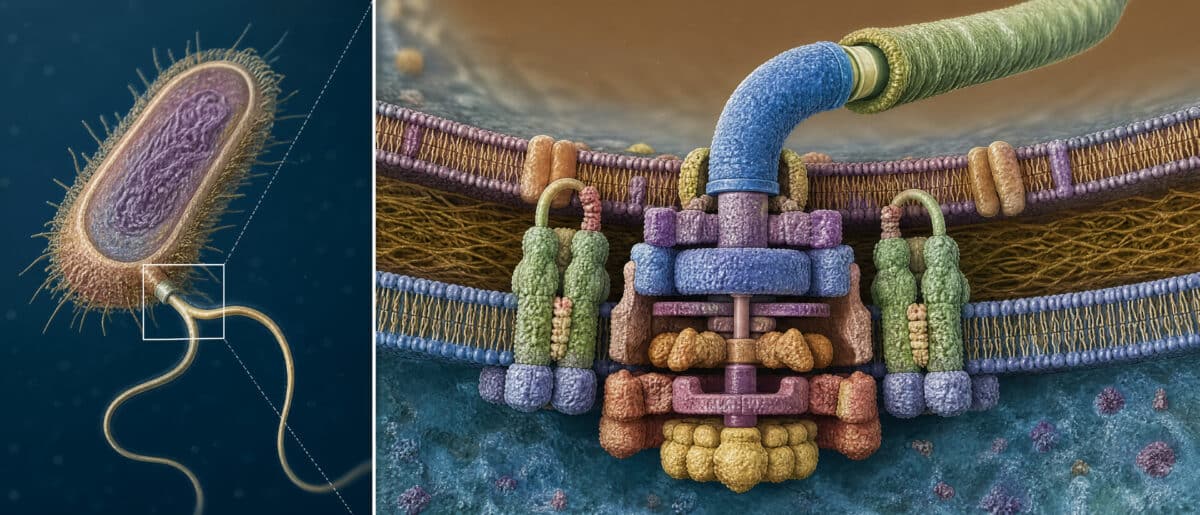
bacterial-flagellar-motor-proton-driven-rotary-nanomachine-2107298604-stockpack-adobestock
Bacterial Flagellar Motor Proton-Driven Rotary Nanomachine
Image Credit: 岐岭 刘 - Adobe Stock

Mighty and Meek: Behe’s Great Work at Age 30

The sheer amount of research that has gone into trying to find alternative explanations to what Behe has proposed is mind-boggling. Read More ›
RyanZimmerman51188103986
Photo credit: All-Pro Reels, CC BY-SA 2.0 <https://creativecommons.org/licenses/by-sa/2.0>, via Wikimedia Commons.

Mighty Darwin Has Struck Out: Thirty Years of Darwin’s Black Box

Most iconically of all, Behe gave us there the irreducibly complex bacterial flagellum. Right away, the flagellum hit the fan. Read More ›
Genebank24330320815
Photo credit: CIAT, CC BY-SA 2.0 <https://creativecommons.org/licenses/by-sa/2.0>, via Wikimedia Commons.

In Science Research, a Plague of Phony Citations Generated by AI
Ironically, the public has been taught to worry that AI is taking over and will do everything better than humans. Read More ›
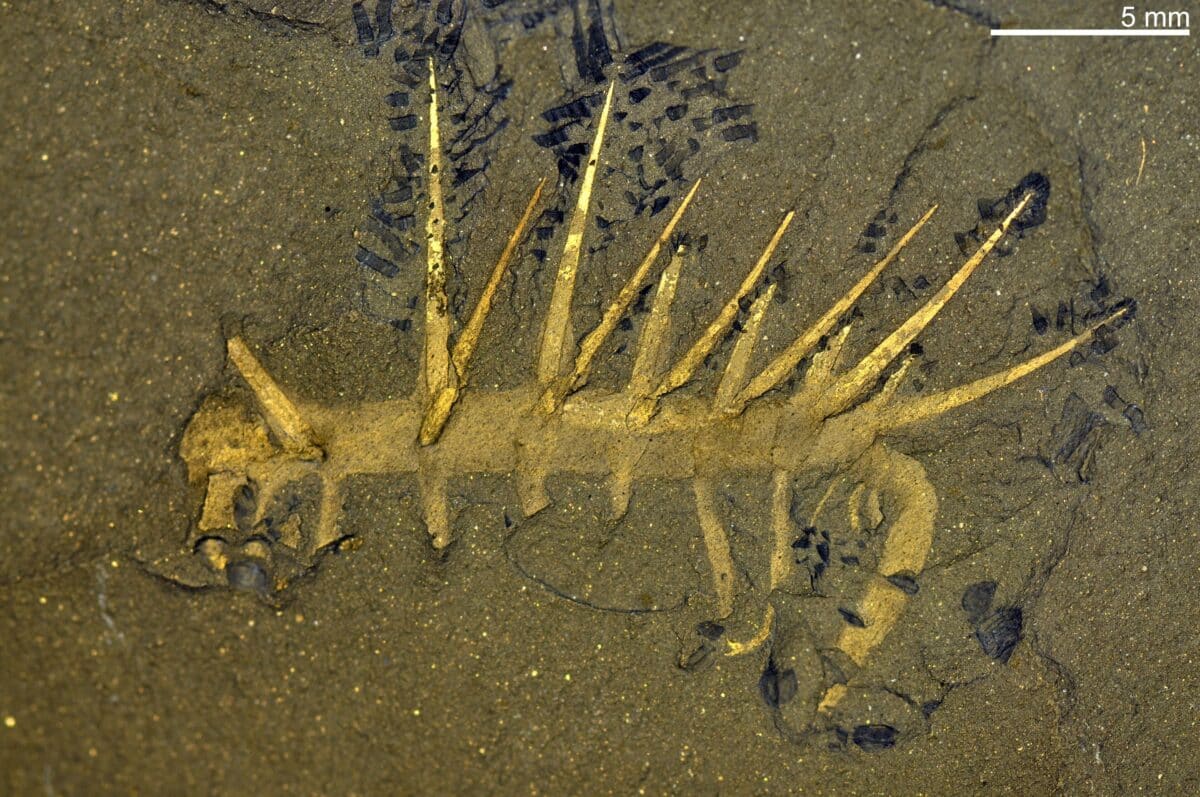
USNMPAL83935HallucigeniasparsaImage2
Photo: Hallucigenia, by Han Zeng, CC0, via Wikimedia Commons.

Cambrian Explosion Remains the Gift that Keeps on Giving

These representative papers show that the Cambrian Explosion remains a huge enigma for evolutionists. Read More ›
HomoneanderthalensisTheNaturalHistoryMuseumVienna20
Photo credit: Jakub Hałun, CC BY-SA 4.0 <https://creativecommons.org/licenses/by-sa/4.0>, via Wikimedia Commons.

Harvard Geneticist Proposes Neanderthals Are Descended from Humans   
Humans and Neanderthals are so similar that Neanderthals provide no evidence we are closely related to some type of primitive non-human. Read More ›
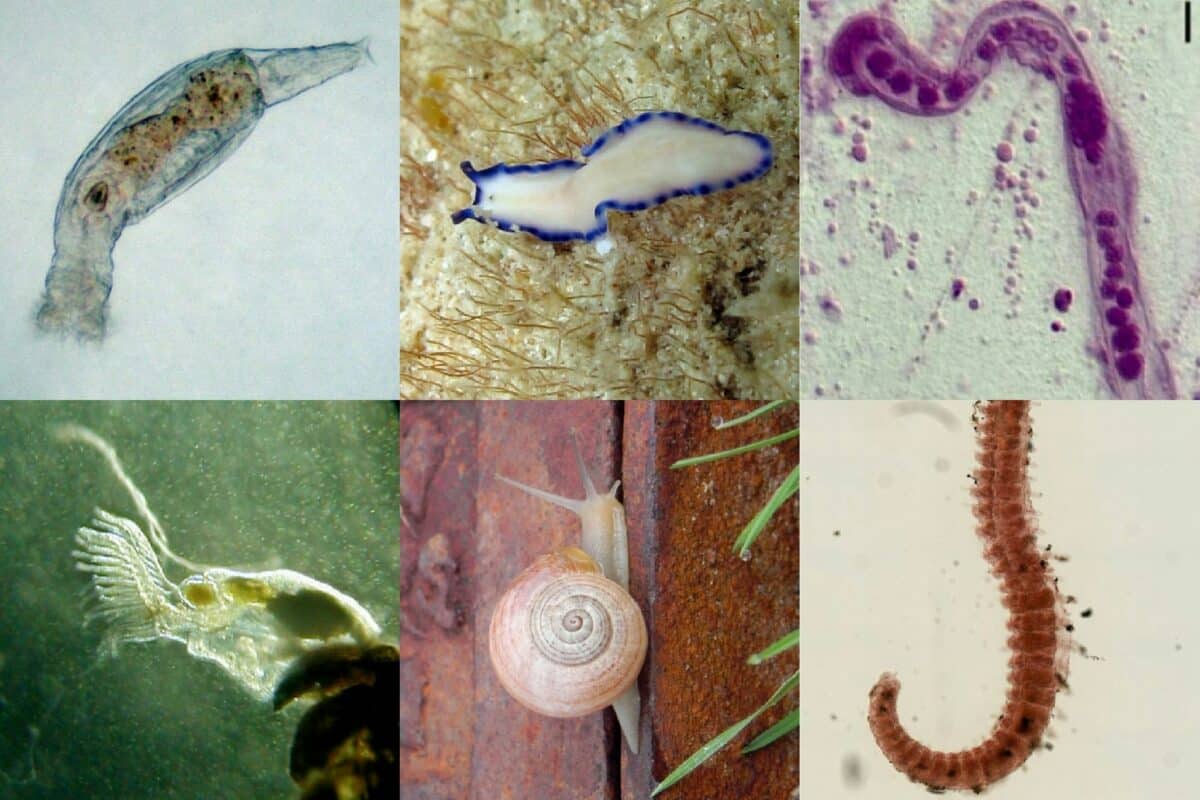
Spiraliaclade
Photo: Spiralia, by Derivate work: 148LENINAuthors:Freshwater_Bryozoan234.JPG: TheAlphaWolfHabrotrocha_rosa_1.jpg: RkitkoBeauty_In_a_Spiral.jpg: Kgredi76Pseudoceros_indicus.jpg: Chaloklum Diving [1], uploaded by Chaloklum DivingMyrianida (YPM IZ 091285).jpeg: Eleanor Handler, uploaded by Christian FerrerDicyema japonicum.png: 古屋秀隆 (Hidetaka Furuya), uploaded by Kingfiser, CC BY-SA 4.0 <https://creativecommons.org/licenses/by-sa/4.0>, via Wikimedia Commons.

Giving Up on the Branching Order of Spiralia: More Findings from Max Telford’s Group
The open agnosticism in this new MS is a short step away from throwing in the towel entirely, at an even more radical level. Read More ›
EscherichiacoliEMB
Photo: Escherichia coli, by Gene Drendel, CC BY 4.0 <https://creativecommons.org/licenses/by/4.0>, via Wikimedia Commons.

“Rewriting Code of Life” Sounds a Lot Like Intelligent Design

Modifying the genetic code is easy. Right? It would have to be, under an evolutionary understanding. Read More ›
The_launch_of_the_MAPHEUS-3_sounding_rocket
Photo credit: DLR, CC-BY 3.0, CC BY 3.0 DE <https://creativecommons.org/licenses/by/3.0/de/deed.en>, via Wikimedia Commons.

Dark Proteome Information Content Skyrockets
There could be a five-fold increase in the number of proteins coded in what was formerly called non-protein-coding DNA. Read More ›
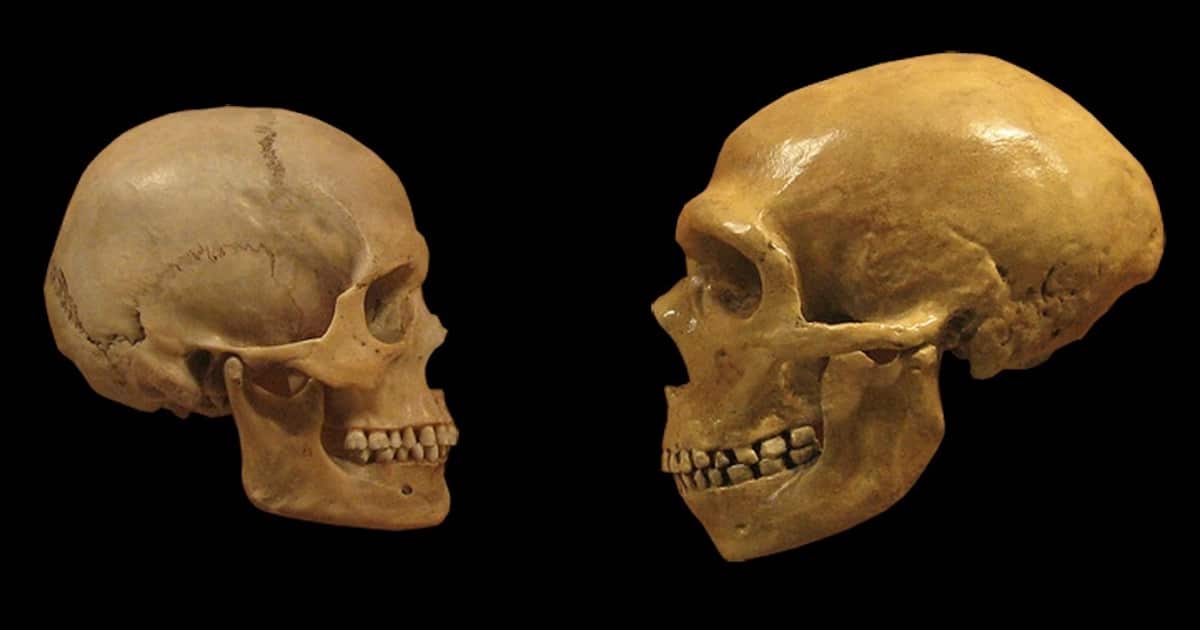
Sapiens_neanderthal_comparison_en_blackbackground
Photo source: Wikimedia Commons.

No. 9 Story of 2024: Suppressed Dissent About Neanderthal DNA in Modern Humans

The case of Professor William Amos represents an interesting parallel with dissenters in the intelligent design community. Read More ›
Sapiens_neanderthal_comparison_en_blackbackground
Photo source: Wikimedia Commons.

Fossil Friday: Suppressed Dissent About Neanderthal DNA in Modern Humans

The case of Professor William Amos represents an interesting parallel with dissenters in the intelligent design community. Read More ›

© Discovery Institute