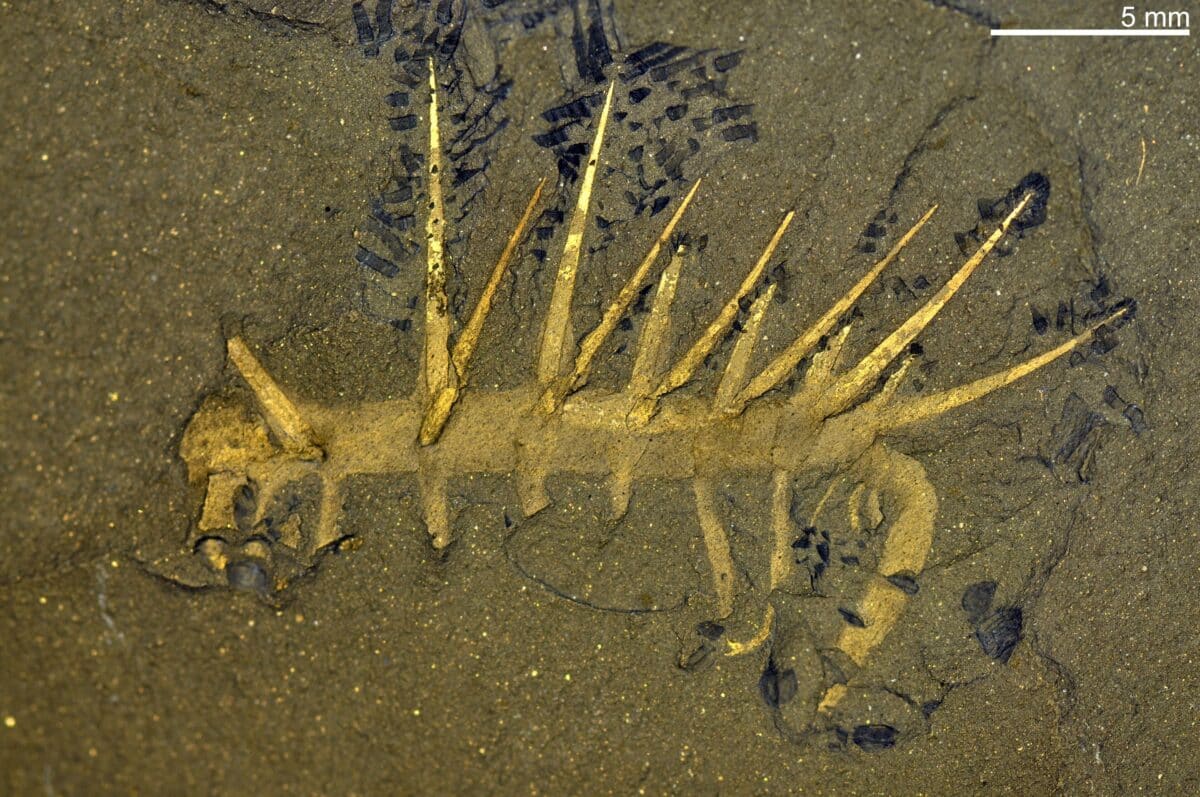
USNMPAL83935HallucigeniasparsaImage2 Type post Author David Coppedge Date June 5, 2026 CategoriesEvolutionIntelligent DesignPaleontology Tagged , bioRxiv, Bright Angel Shale, Burgess Shale, Cambrian Explosion, Cambrian News, Canadian Rockies, chelicerates, China, compound eyes, cosmos, Current Biology, Darwin's Dilemma, Douglas Axe, Ediacaran strata, fossil record, Grand Canyon, Hallucigenia, Illustra Media, Intelligent Design Collection, jellyfish, Jerry Harned, Jonathan Wells, Lad Allen, marine worms, Mark Edward Lewis, mites, Nature (journal), New York Times, olfactory organs, paleontology, Paul Nelson, PNAS, polychaetes, priapulids, Richard Sternberg, salmon, Science Advances, Science and Culture Today, scorpions, South Australia, spiders, stars, Stephen Meyer, The Origin of Species, The Privileged Planet, trilobites, Unlocking the Mystery of Life, Utah Cambrian Explosion Remains the Gift that Keeps on Giving David Coppedge June 5, 2026 Evolution, Intelligent Design, Paleontology 7 These representative papers show that the Cambrian Explosion remains a huge enigma for evolutionists. Read More ›
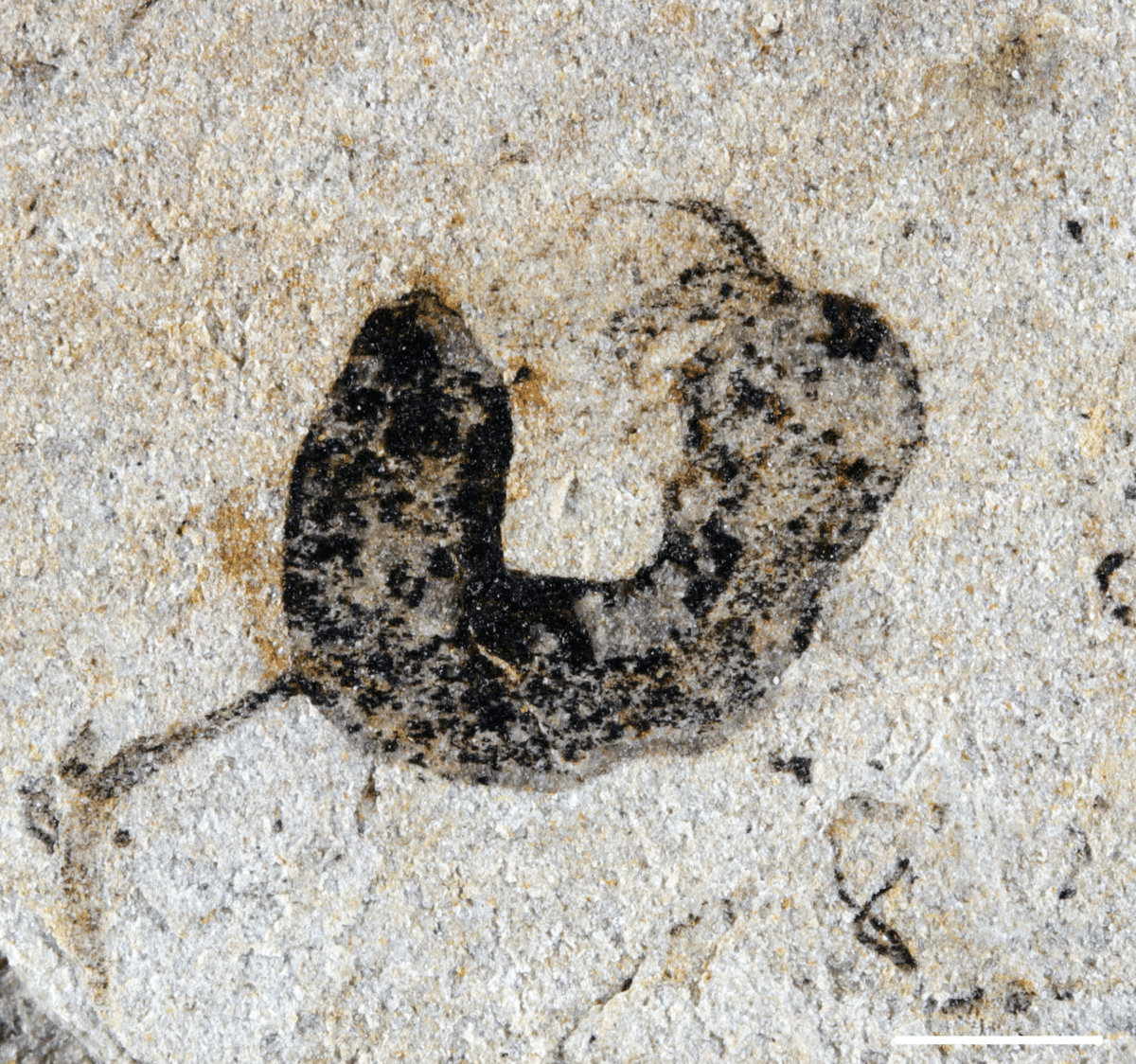
Deuterostome-cambroernid-fossil-Credit-Gaorong-Li Type post Author Casey Luskin Date April 20, 2026 CategoriesEvolutionPaleontology Tagged , ambulacrarians, ancestors, bilaterians, Cambrian Explosion, Cambrian News, cambroernids, Charnia, China, chordates, cladogram, cnidarians, crinoid, ctenophores, Current Biology, Ediacaran strata, fossils, Haootia, holdfast, Jiangchuan Biota, kelp, mackenziid, Margaretia dorus, Precambrian, Profera, Science (journal), Scientific American, The Conversation, vermiform, worms Science Paper Overstates Case for “Diverse Assemblage of Bilaterians” in the Ediacaran Casey Luskin April 20, 2026 Evolution, Paleontology 14 I suspect the bilaterian nature of this “most numerous” fossil will be challenged as more studies come out. Read More ›