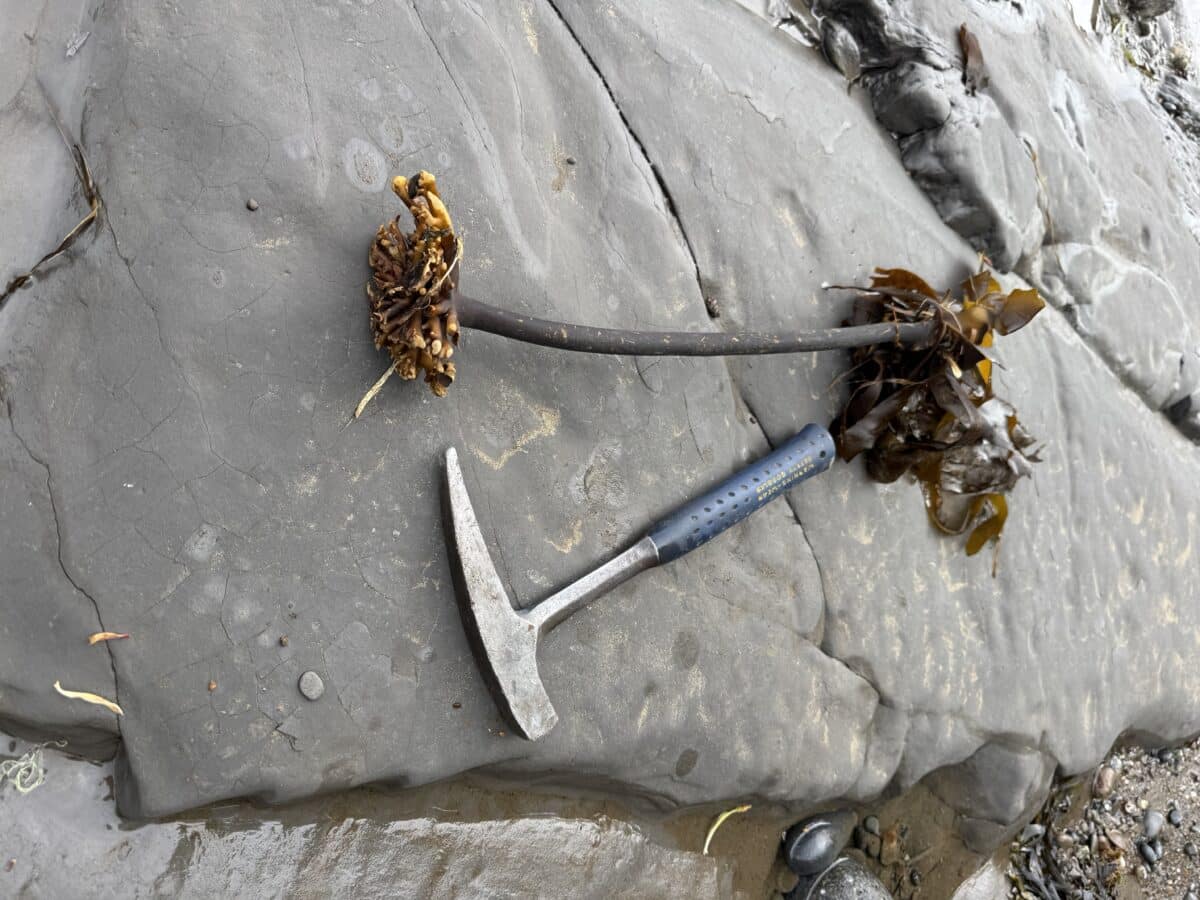
IMG9471 Type post Author Casey Luskin Date April 20, 2026 CategoriesEvolutionPaleontology Tagged , air bladder, animals, beach, beachcombing, bilaterian animals, brown algae, Cambrian Explosion, Cambrian News, convergent evolution, Ediacaran biota, Ediacaran fossils, evolutionary theory, fauna, flora, fossil-hunting, fossils, hemichordate worms, holdfast, kelp, kelp stipe, Kingdom Protista, Margaretia dorus, Pacific Northwest, paleontology, plants, Precambrian strata, protists, rock hammer, Science (journal), tide-pooling, Western Washington Beach Stroll Casts Further Doubt on Some Supposed Ediacaran Bilaterian Fossils Casey Luskin April 20, 2026 Evolution, Paleontology 3 In one instance I found a kelp on the beach with its holdfast still nicely attached. A photo of it is at the top. Read More ›
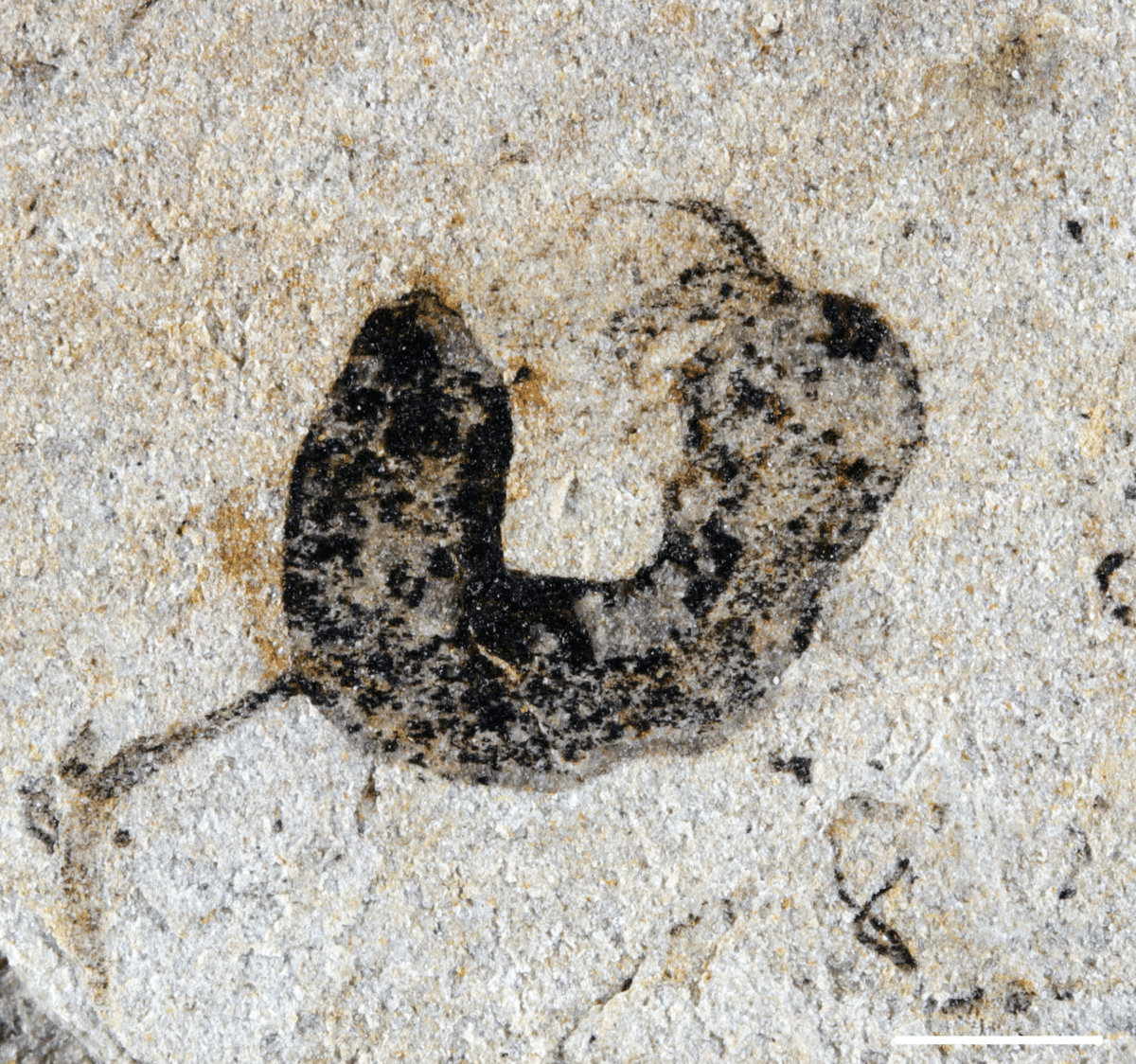
Deuterostome-cambroernid-fossil-Credit-Gaorong-Li Type post Author Casey Luskin Date April 20, 2026 CategoriesEvolutionPaleontology Tagged , ambulacrarians, ancestors, bilaterians, Cambrian Explosion, Cambrian News, cambroernids, Charnia, China, chordates, cladogram, cnidarians, crinoid, ctenophores, Current Biology, Ediacaran strata, fossils, Haootia, holdfast, Jiangchuan Biota, kelp, mackenziid, Margaretia dorus, Precambrian, Profera, Science (journal), Scientific American, The Conversation, vermiform, worms Science Paper Overstates Case for “Diverse Assemblage of Bilaterians” in the Ediacaran Casey Luskin April 20, 2026 Evolution, Paleontology 14 I suspect the bilaterian nature of this “most numerous” fossil will be challenged as more studies come out. Read More ›