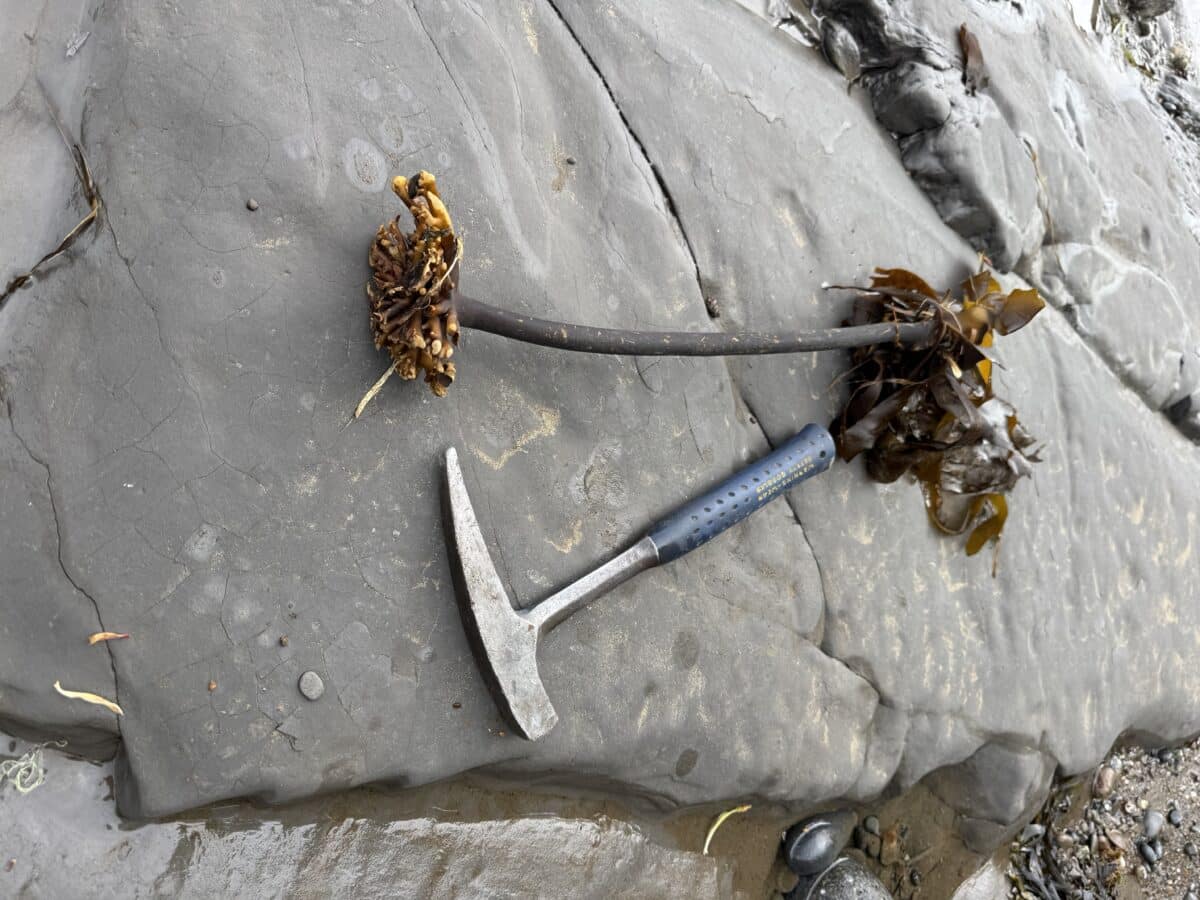
IMG9471 Type post Author Casey Luskin Date April 20, 2026 CategoriesEvolutionPaleontology Tagged , air bladder, animals, beach, beachcombing, bilaterian animals, brown algae, Cambrian Explosion, Cambrian News, convergent evolution, Ediacaran biota, Ediacaran fossils, evolutionary theory, fauna, flora, fossil-hunting, fossils, hemichordate worms, holdfast, kelp, kelp stipe, Kingdom Protista, Margaretia dorus, Pacific Northwest, paleontology, plants, Precambrian strata, protists, rock hammer, Science (journal), tide-pooling, Western Washington Beach Stroll Casts Further Doubt on Some Supposed Ediacaran Bilaterian Fossils Casey Luskin April 20, 2026 Evolution, Paleontology 3 In one instance I found a kelp on the beach with its holdfast still nicely attached. A photo of it is at the top. Read More ›
Redberries46393191962 Type post Author Eric Hedin Date January 2, 2026 CategoriesIntelligent DesignPhysics Tagged , beach, berries, black hole, carbon dioxide, chance, electromagnetic force, forces of nature, fundamental forces, fusion, gravity, hemoglobin, house of cards, matter, mineral salts, oxygen, particles, Periodic Table, physical limitations, physical resources, physics, protostar, stars, statistical interference, strong nuclear force, trajectory, universe, water, weak force What the Forces of Nature Can Do — And What They Can’t Eric Hedin January 2, 2026 Intelligent Design, Physics 7 Our universe not only has limited physical resources, but also informational limits, and the only way to overcome these is by intelligent design. Read More ›