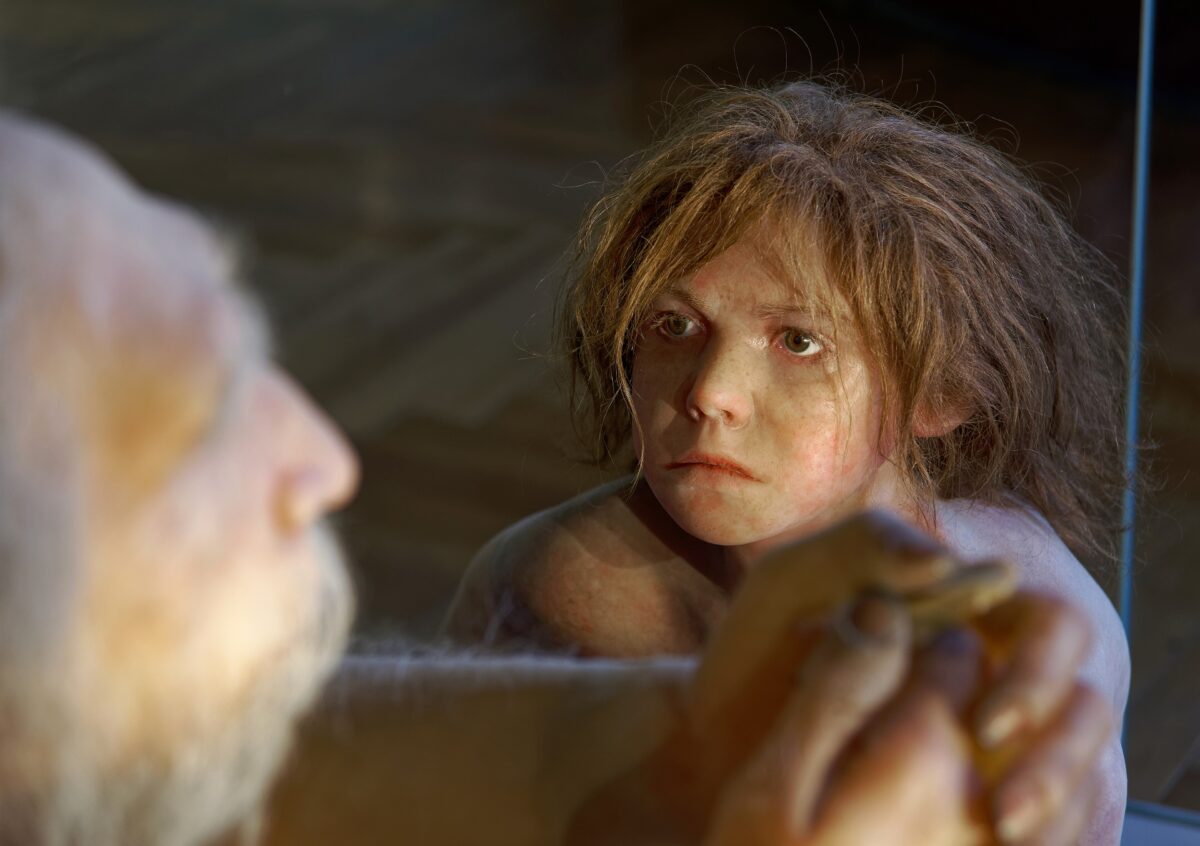
HomoneanderthalensisTheNaturalHistoryMuseumVienna20 Type post Author Casey Luskin Date April 17, 2026 CategoriesGeneticsHuman Origins and Anthropology Tagged , Africa, bioRxiv, Broad Institute, David Reich, Denisovans, DNA, DNA segments, Europe, geneticists, genetics, Germany, Gran Dolina, Harvard University Press, Homo antecessor, Homo erectus, Homo heidelbergensis, Howard Hughes Medical Institute, humans, hybrids, interbreeding, Levallois tools, Michael Marshall, Middle East, mitochondrial DNA, Morocco, Neanderthals, New Scientist, ochre, Spain, stone tools, Y chromosome Harvard Geneticist Proposes Neanderthals Are Descended from Humans Casey Luskin April 17, 2026 Genetics, Human Origins and Anthropology 5 Humans and Neanderthals are so similar that Neanderthals provide no evidence we are closely related to some type of primitive non-human. Read More ›
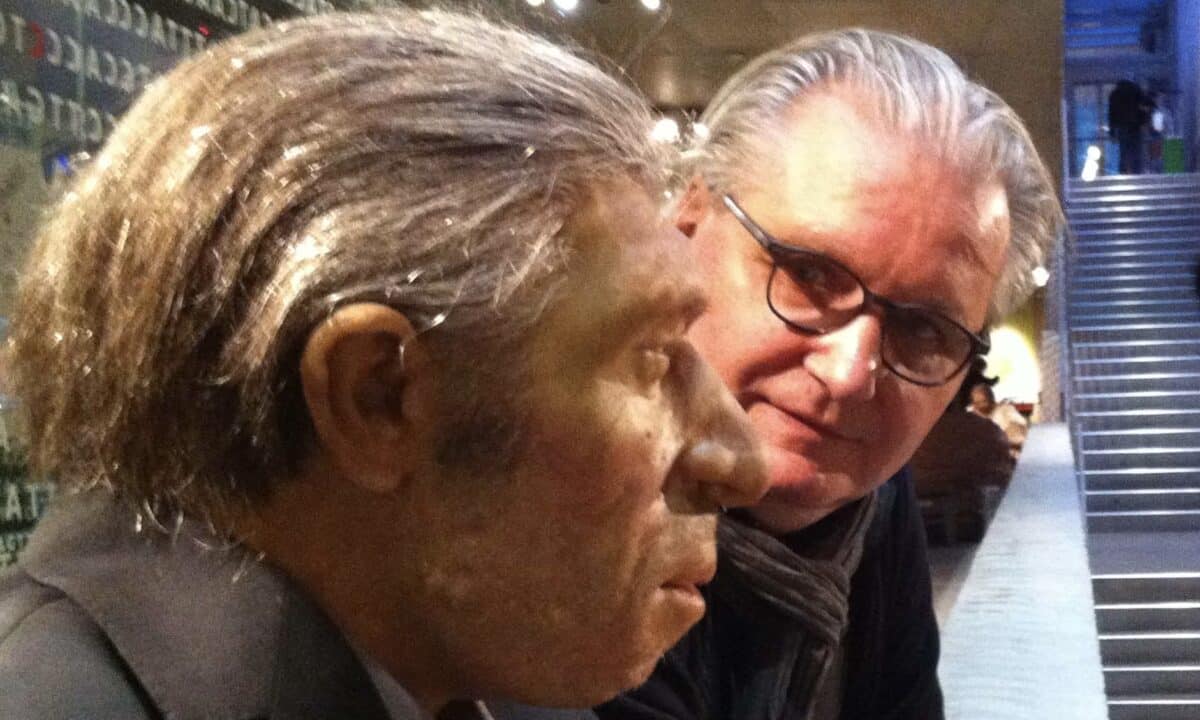
Homo-neanderthalensis-im-Gesprch-mit-sapiens-sapiens Type post Author David Coppedge Date November 18, 2025 CategoriesGeneticsHuman Origins and AnthropologyPaleontology Tagged , Darwinian assumptions, Denisovans, Denyse O’Leary, DNA, Durham University, Europeans, genes, handprints, historical racism, Homo sapiens, human genome, human nature, intelligence, introgression, John Hawks, Michael Gross, modern humans, Neanderthal art, Neanderthals, ochre, Paul Pettitt, PIEZO1, PNAS, Racism, Siberia, skulls, Taiwan, teeth With Neanderthals and Denisovans, We Are All the Same Kind of Being David Coppedge November 18, 2025 Genetics, Human Origins and Anthropology, Paleontology 7 Evolutionary anthropologists need to stop putting people groups into “less evolved” categories. It’s a form of historical racism. Read More ›
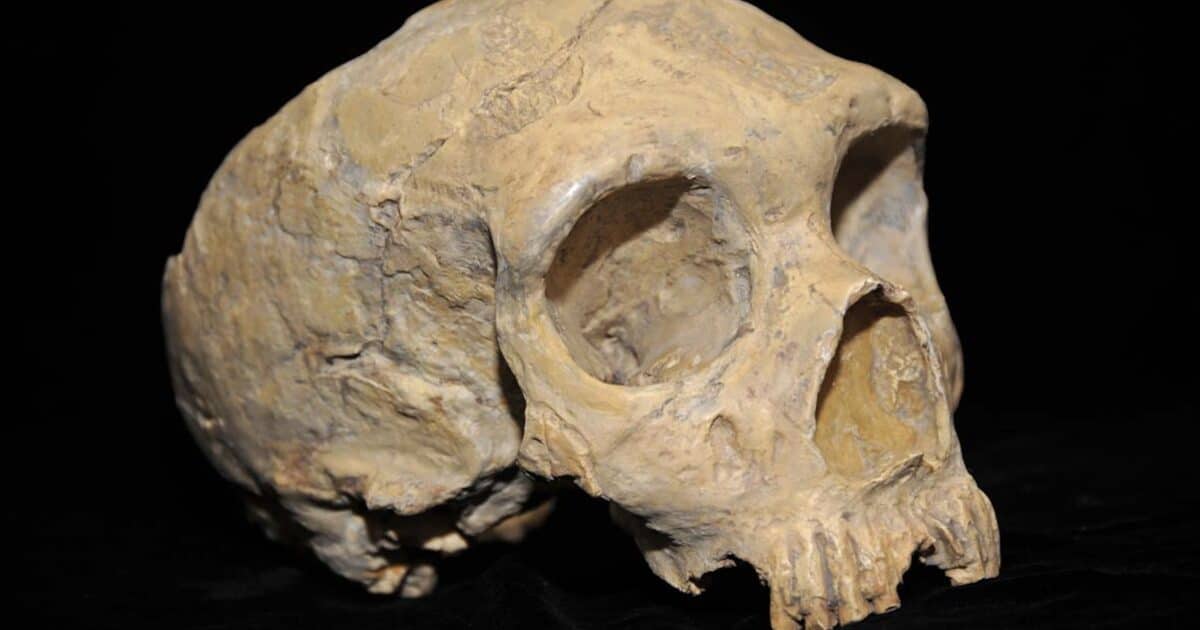
Neanderthal skull Type post Author Günter Bechly Date February 2, 2024 CategoriesAnatomyHuman Origins and AnthropologyPaleontology Tagged , antibiotics, behavior, cave art, Fossil Friday (series), gene pool, genetic admixture, Homo neanderthalensis, Homo sapiens, human nature, human uniqueness, jewelry, Neanderthals, ochre, seafood, Svante Pääbo, Thomas Huxley, University of Toronto Fossil Friday: New Evidence for the Human Nature of Neanderthals Günter Bechly February 2, 2024 Anatomy, Human Origins and Anthropology, Paleontology 17 What is at stake is not just some esoteric species problem in the ivory tower, but the very question of human nature and human uniqueness. Read More ›
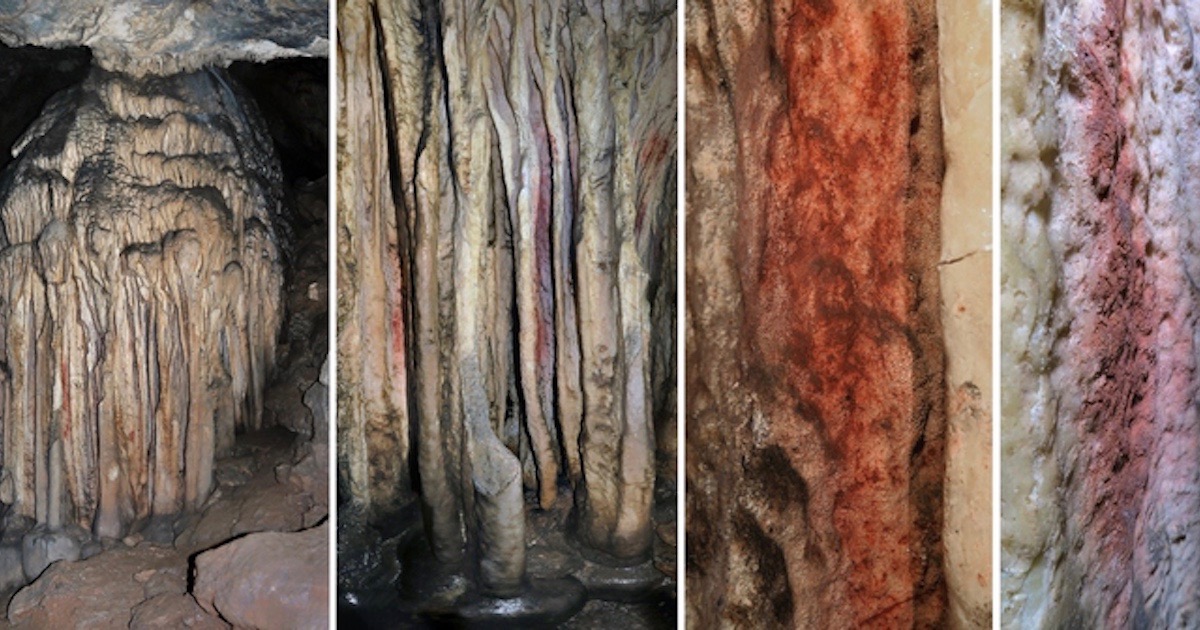
Cueva de Ardales Type post Author Casey Luskin Date August 11, 2021 CategoriesHuman Origins and AnthropologyIntelligent Design Tagged , Design Inference, human origins, intelligent causation, intelligent design, Neanderthals, ochre, Proceedings of the National Academy of Sciences, Spain, water Painting by Neanderthals? Study Makes a Design Inference Casey Luskin August 11, 2021 Human Origins and Anthropology, Intelligent Design 7 An observation that supports a non-natural origin is that the pigment appears only in a small, conspicuous location. Read More ›
180225_web Type post Date September 14, 2018 CategoriesArchaeologyAstronomyIntelligent Design Tagged , __k-review, BBC News, Design Inference, graffiti, intelligent design, John Ioannidis, Nature (journal), ochre, Science Advances, SETI, South Africa “Oldest Known Drawing,” and More Cases of Intelligent Design at Work in Science Science & Culture September 14, 2018 Archaeology, Astronomy, Intelligent Design 6 Some scientists may denounce ID as a movement, but they find its practice very useful. Read More ›