RyanZimmerman51188103986 Type post Author David Klinghoffer Date August 2, 2026 CategoriesBiochemistryEvolutionIntelligent Design Tagged , academia, American Geophysical Union, bacterial flagellum, biochemistry, bioRxiv, Casey Luskin, Charles Thaxton, Darwin Devolves, Darwin’s Black Box:, evolution, George Gilder, Günter Bechly, Howard Glicksman, intelligent design, irreducibly complex systems, Isaac Newton, James A. Shapiro, John West, Michael Behe, microbiologists, National Review, nonfiction books, Onsi Fakhouri, paleontologists, quantum theory, Robert Sheldon, space plasma physics, The Edge of Evolution, The Story of Everything, Time Magazine, University of Alabama, University of Chicago, Voldemort, Your Amazing Body Mighty Darwin Has Struck Out: Thirty Years of Darwin’s Black Box David Klinghoffer August 2, 2026 Biochemistry, Evolution, Intelligent Design 7 Most iconically of all, Behe gave us there the irreducibly complex bacterial flagellum. Right away, the flagellum hit the fan. Read More ›
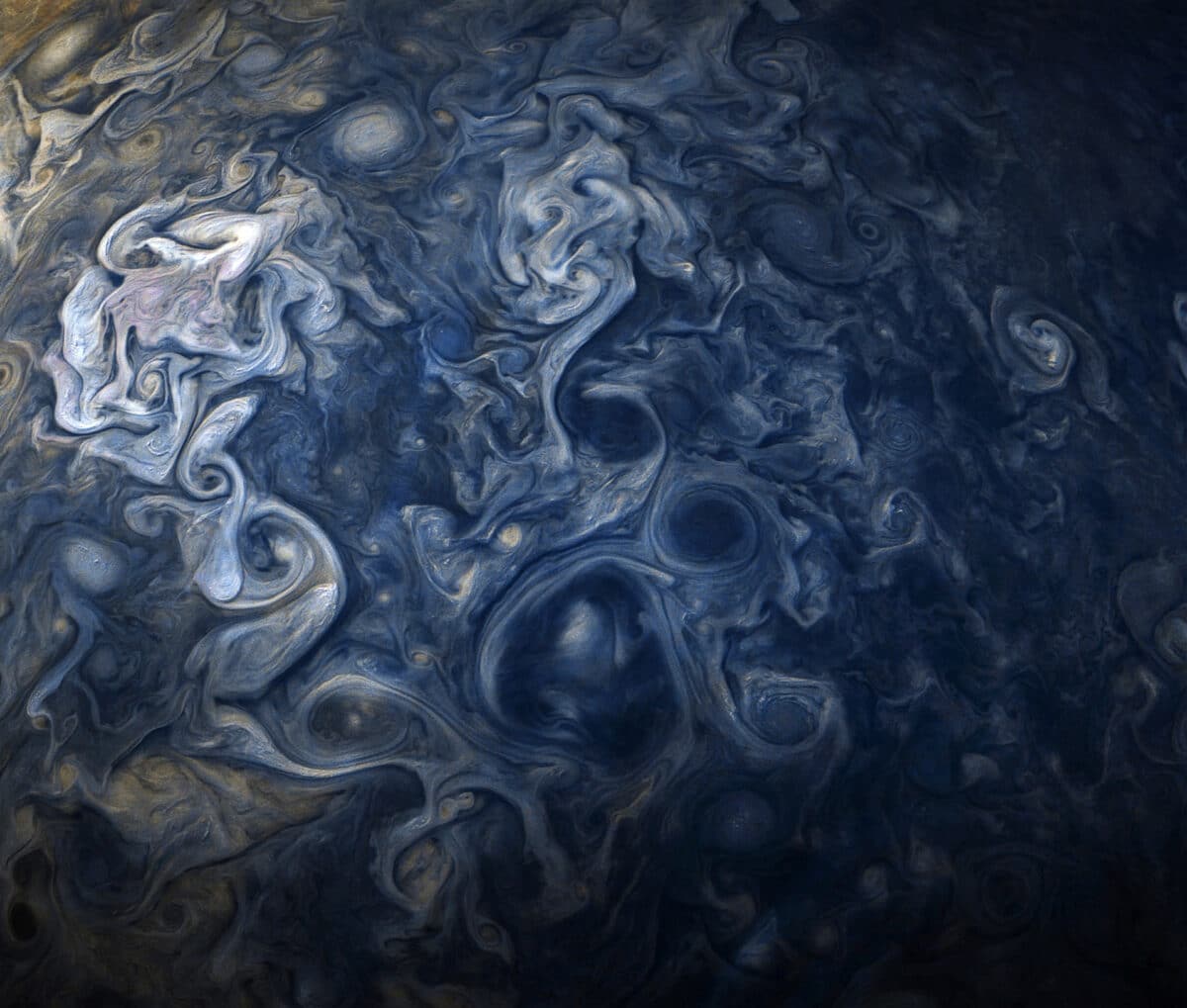
PIA21972JupiterBlues Type post Author David Klinghoffer Date June 26, 2026 CategoriesArtsFaith & ScienceIntelligent Design Tagged , Amazon Prime, Aristotle, Asa Gray, beauty, beauty problem, Charles Darwin, consciousness, cosmos, David Berlinski, Design Inference, documentary, Douglas Axe, flowers, Francis Crick, George MacDonald, George Steiner, Heraclitus, materialism, ocellus, Parts of Animals, peacock, peacock’s tail, peahen, planets, Richard Sternberg, Robert Sheldon, Samuel Taylor Coleridge, Sarah Salviander, sexual selection, solar system, stars, Stephen Meyer, Stratford Caldecott, The Descent of Man, The Flower-Angels, The Story of Everything, Timothy McGrew The Beauty Enigma: It “Seems to Be Reaching Out to Us” David Klinghoffer June 26, 2026 Arts, Faith & Science, Intelligent Design 5 The beauty of the cosmos and of nature generally can't be explained in materialist terms. Or more positively, they prompt an inference to design. Read More ›