witch Type post Author Denyse O’Leary Date January 24, 2024 CategoriesBioethicsFaith & Science Tagged , astrology, Christianity, Christians, Claudine Gay, Davos, feminists, Harvard University, magic, plagiarism, private truth, public truth, spirituality, Switzerland, University of Exeter, Wall Street Journal Will Scientists Now Consider Occult as Science? Denyse O’Leary January 24, 2024 Bioethics, Faith & Science 5 “My truth” or (for grammatical convenience) “private truth” is making serious headway against public truth. Read More ›
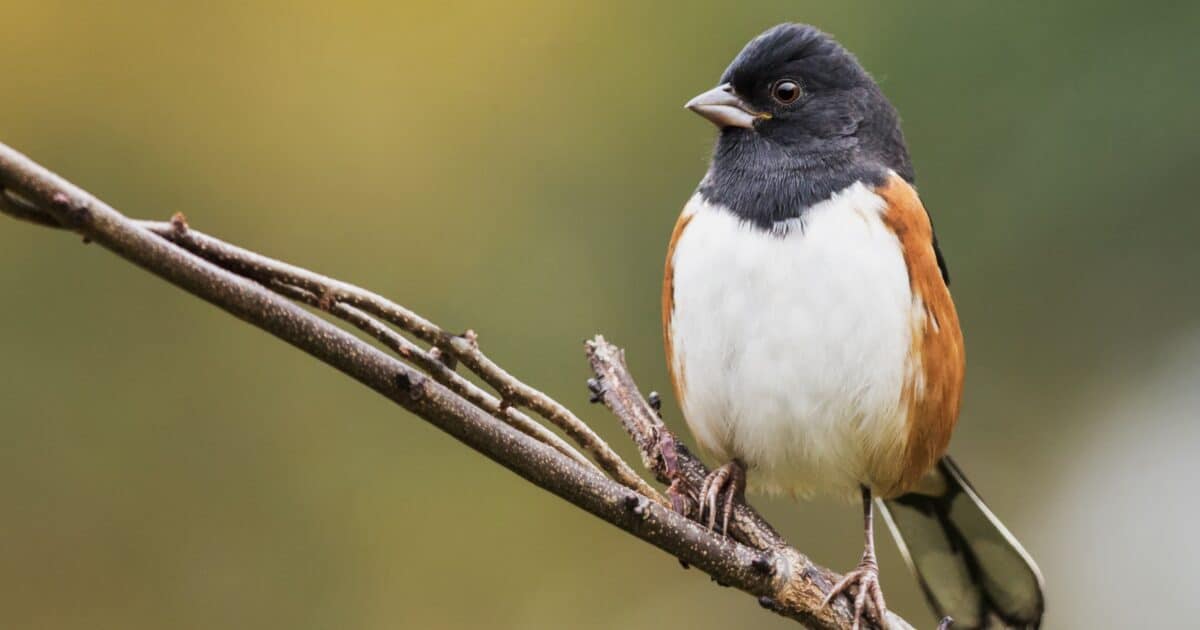
eastern towhee Type post Author David Coppedge Date August 22, 2022 CategoriesBiologyIntelligent DesignScience Tagged , Animal Algorithms, Arctic terns, atmosphere, bats, dragonflies, Eric Cassell, Evolution News, Flight, Germany, insects, intelligent design, Maine, Maryland, materialists, McGill University, Michael Denton, migration, New Scientist, optimization, Pennsylvania, sunlight, The Miracle of Man, The Wonder of Water, University of Exeter, University of Oldenburg, water Birds, Bats, Insects: Field Work on Animal Flight Reveals Wonders of Intelligent Design David Coppedge August 22, 2022 Biology, Intelligent Design, Science 9 The capabilities of flying animals continue to amaze scientists, and explanations challenge their best efforts. Does evolutionary theory help? Read More ›
Armillaria_ostoyae_MO Type post Author Denyse O’Leary Date April 14, 2022 CategoriesBiologyIntelligent DesignLinguisticsNeuroscience & Mind Tagged , Dogs, emotions, foraging, fungi, humans, intelligence, mushrooms, neurons, neuroscience, The Scientist, University of Exeter, wolves Not Just Plants — Even Fungi Like Mushrooms — Talk to Each Other? Denyse O’Leary April 14, 2022 Biology, Intelligent Design, Linguistics, Neuroscience & Mind 4 They are NOT judging us but they do have complex communications systems interacting with their environment. Read More ›
time up 2 Type post Date July 15, 2019 CategoriesEvolutionIntelligent Design Tagged , __edited, Anomalocaris, Burgess Shale, Cambrian Explosion, Cambrian News, Cambrian radiation, Charles Darwin, Darwin's Doubt, evolution, fossil record, intelligent design, microbes, mollusks, Nature Communications, Nature Geoscience, oxygen, Stephen Meyer, University of Exeter, Wiwaxia Should There Be a Time Limit for Cambrian Explosion Excuses? Science & Culture July 15, 2019 Evolution, Intelligent Design 8 Evolutionary scientists have had 160 years to figure out this dilemma. Read More ›
Murmuration Type post Date June 29, 2017 CategoriesIntelligent Design Tagged , __cedited, Flight: The Genius of Birds, Illustra Media, PLOS ONE, predators, University of Exeter Collective Motion Multiplies Design Requirements Science & Culture June 29, 2017 Intelligent Design 7 Moving in formation, found all throughout the animal kingdom, requires precision hardware and software. Read More ›