
Science and Culture Today Discovering Design in Nature
Topic

neurons

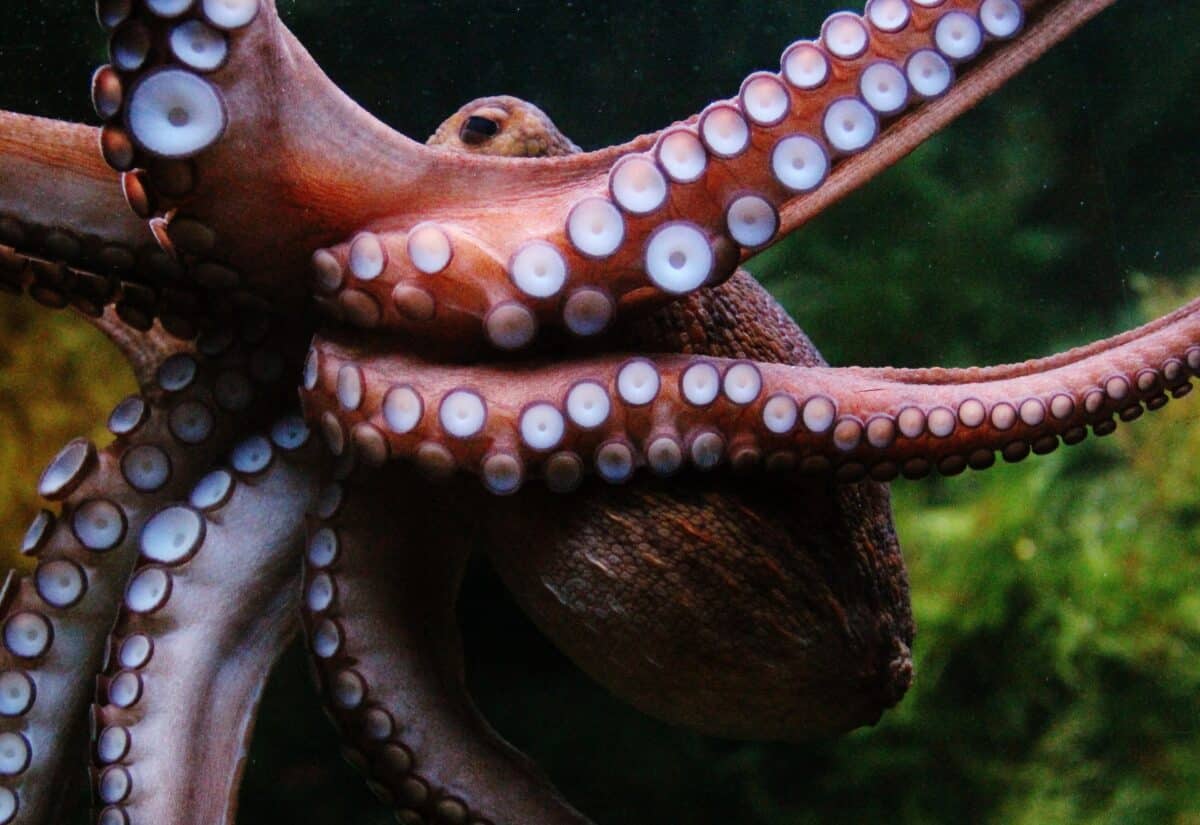
Octopustentacles
Photo credit: damn_unique, CC BY-SA 2.0 <https://creativecommons.org/licenses/by-sa/2.0>, via Wikimedia Commons.

Hey Octopus, How Did You Get to Be So Smart?
With the asocial brain hypothesis, researchers ask us to think beyond traditional explanations for why some animals display unexpected intelligence. Read More ›
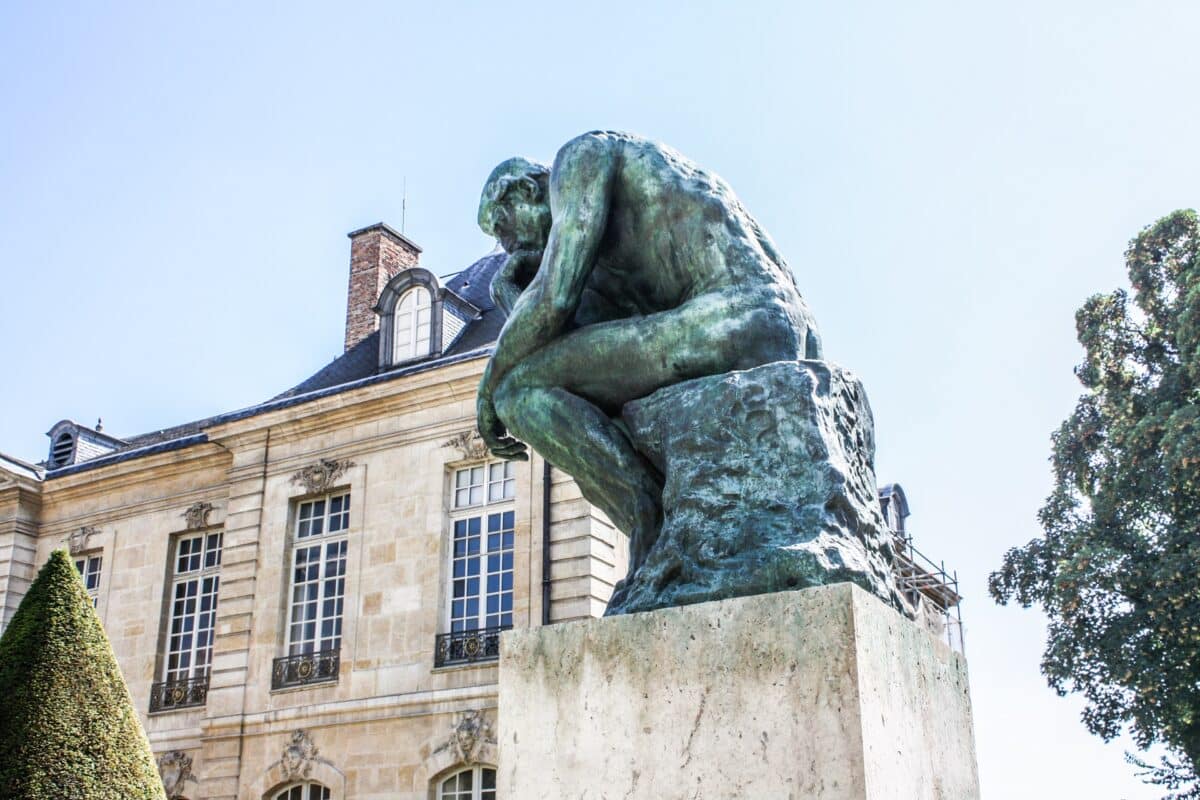
LePenseurintheJardinduMuseeRodinParisAugust2013
Photo: The Thinker, by Shadowgate from Novara, ITALY, CC BY 2.0 <https://creativecommons.org/licenses/by/2.0>, via Wikimedia Commons.

Can You Trust Your Thoughts? The Argument from Reason and Its Implications for Darwinism

If human thoughts are merely the result of blind physical processes, then there is no logical basis for trusting our own minds. Read More ›
BloemknoppenvaneenhertshooiHypericum13-06-2025dj
Photo credit: Dominicus Johannes Bergsma., CC BY-SA 4.0 <https://creativecommons.org/licenses/by-sa/4.0>, via Wikimedia Commons.

The Latest: Plants as “Non-Human Persons”
The need to see humans as equivalent to animals has now spread to the need to see us as equivalent to plants. Read More ›
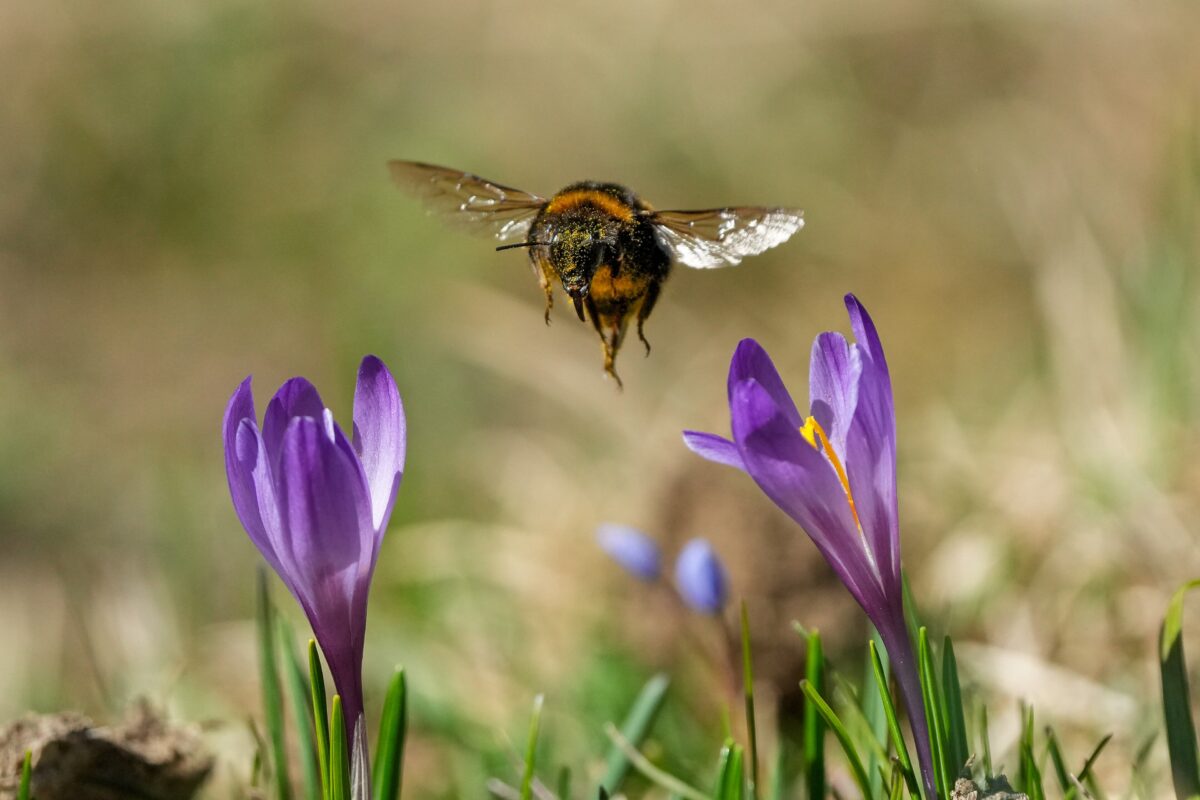
061WildBumblebeeinflightpollinatingwithCrocusParcna
Photo credit: © Giles Laurent, gileslaurent.com, License CC BY-SA, CC BY-SA 4.0 <https://creativecommons.org/licenses/by-sa/4.0>, via Wikimedia Commons.

When Bumblebees Cheat at Games

Perhaps the most significant aspect of the findings is in light of the fact that the bumblebee has only about one million neurons (humans have 86 billion). Read More ›
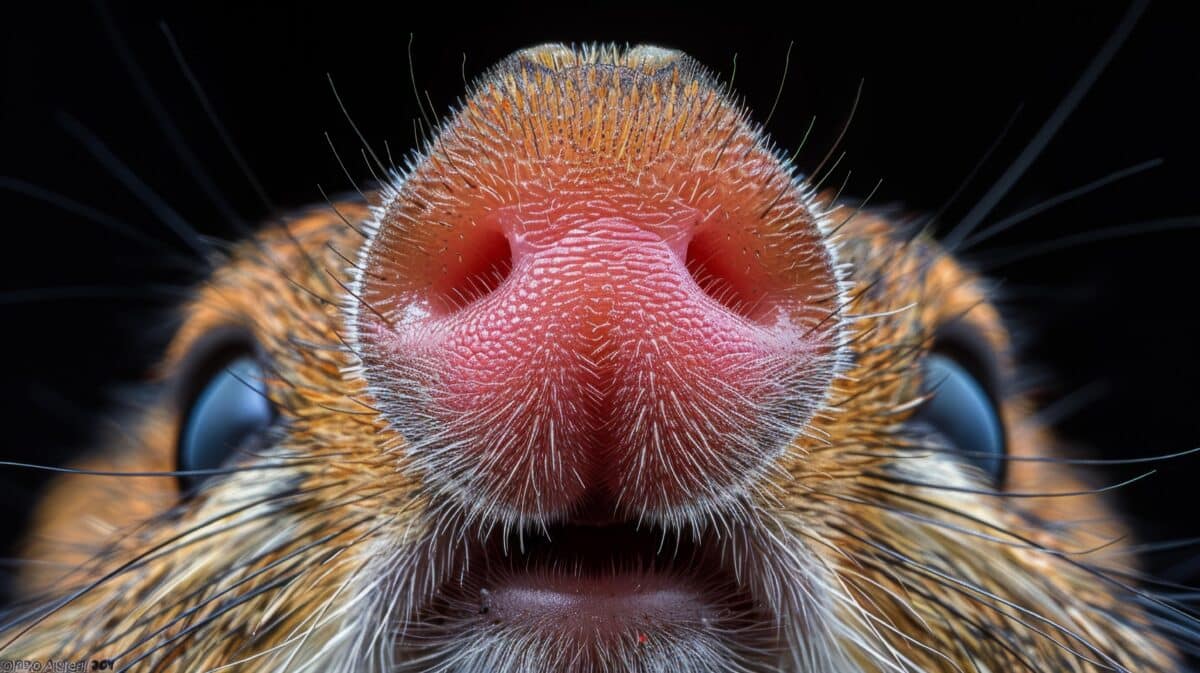
close-up-of-a-mouses-nose-stockpack-adobe-stock-856678805-stockpack-adobestock
Close-up of a mouse's nose
Image Credit: Gayan - Adobe Stock

Nose Knows Better than Darwinism; Design Logic Explains Why
"By mapping millions of neurons in mice, researchers discovered that smell receptors in the nose aren’t random at all." Read More ›
old-TV
Photo credit: Alf van Beem, CC0, via Wikimedia Commons.

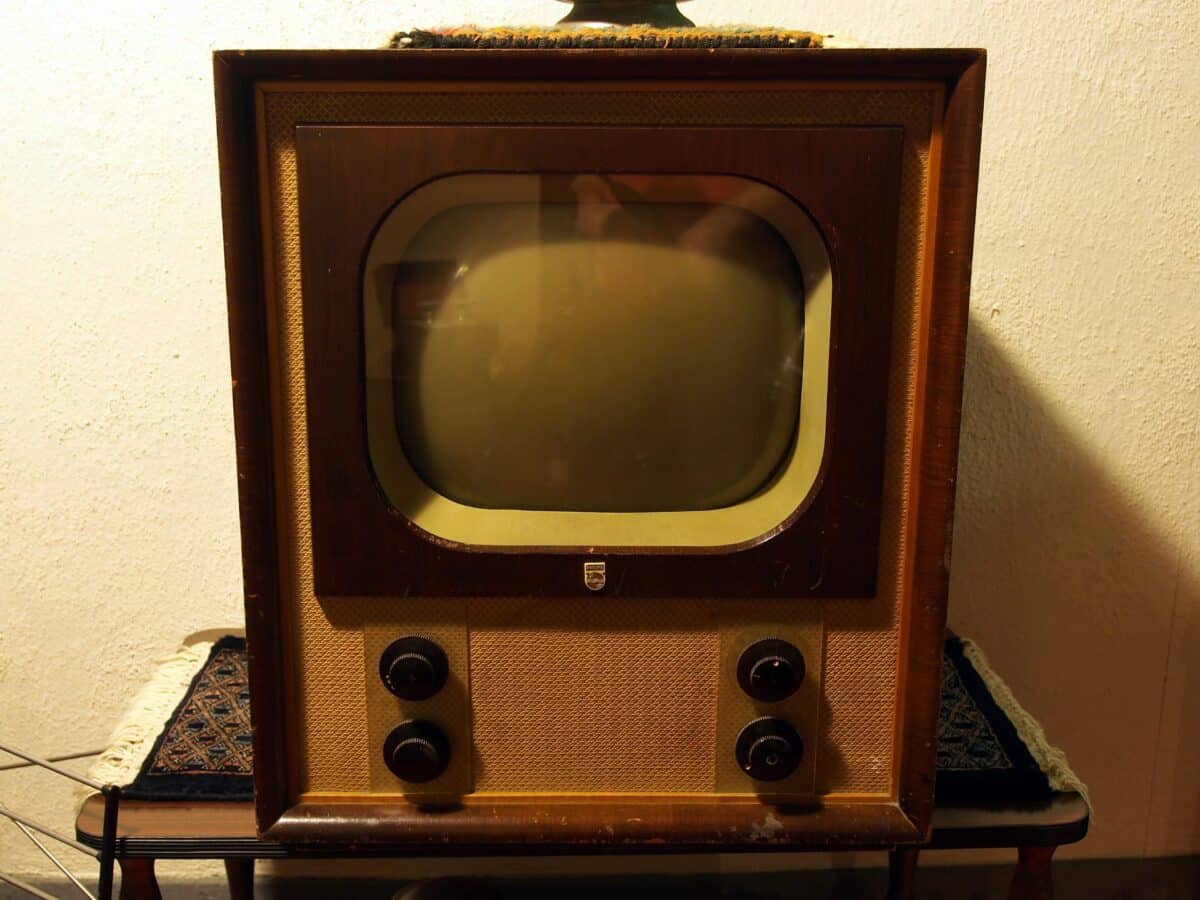
Remembering Bernie Widrow, a Great Engineer and a Wise Scientist
Widrow called his learning machine a neural network because it was loosely based on the 1943 McCulloch-Pitts model of the biological neuron. Read More ›
Fish-anatomy
Image Credit: Eni - Adobe Stock.

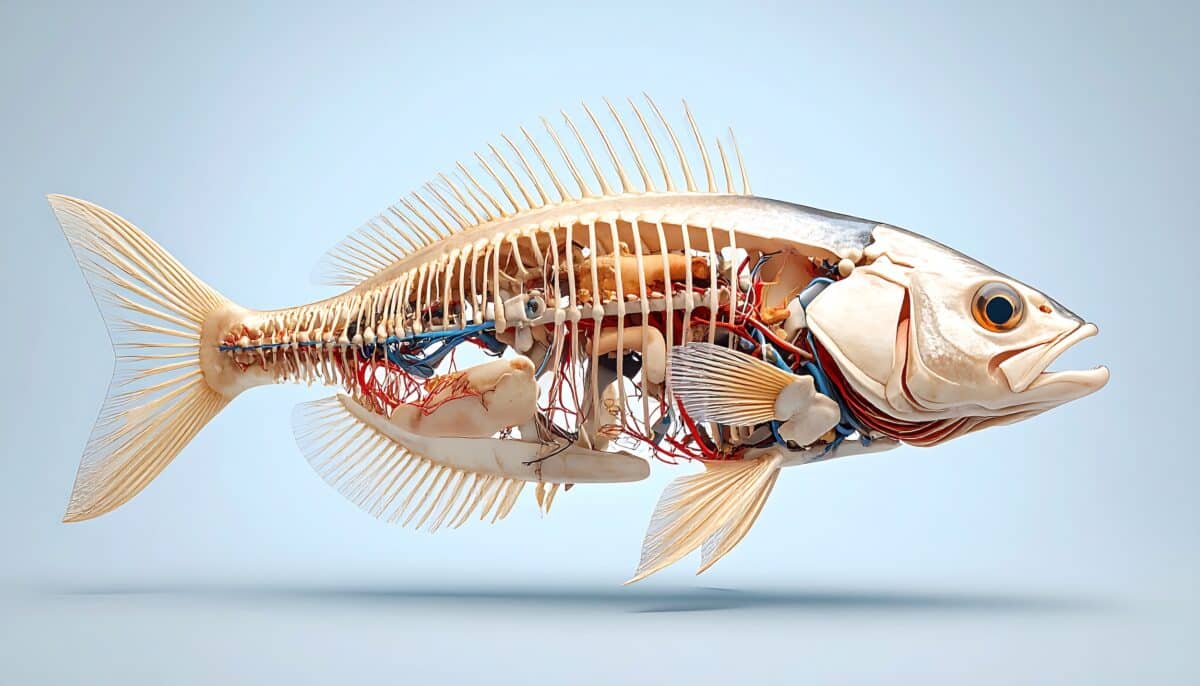
Interoception: An Emerging Design Concept in Biology
We’ve heard of proprioception, the awareness of our limbs in space and time, but interoception is a companion sense. Read More ›
laboratory-mouse-stockpack-adobe-stock-620289441-stockpack-adobestock
Laboratory Mouse
Image Credit: karenfoleyphoto - Adobe Stock

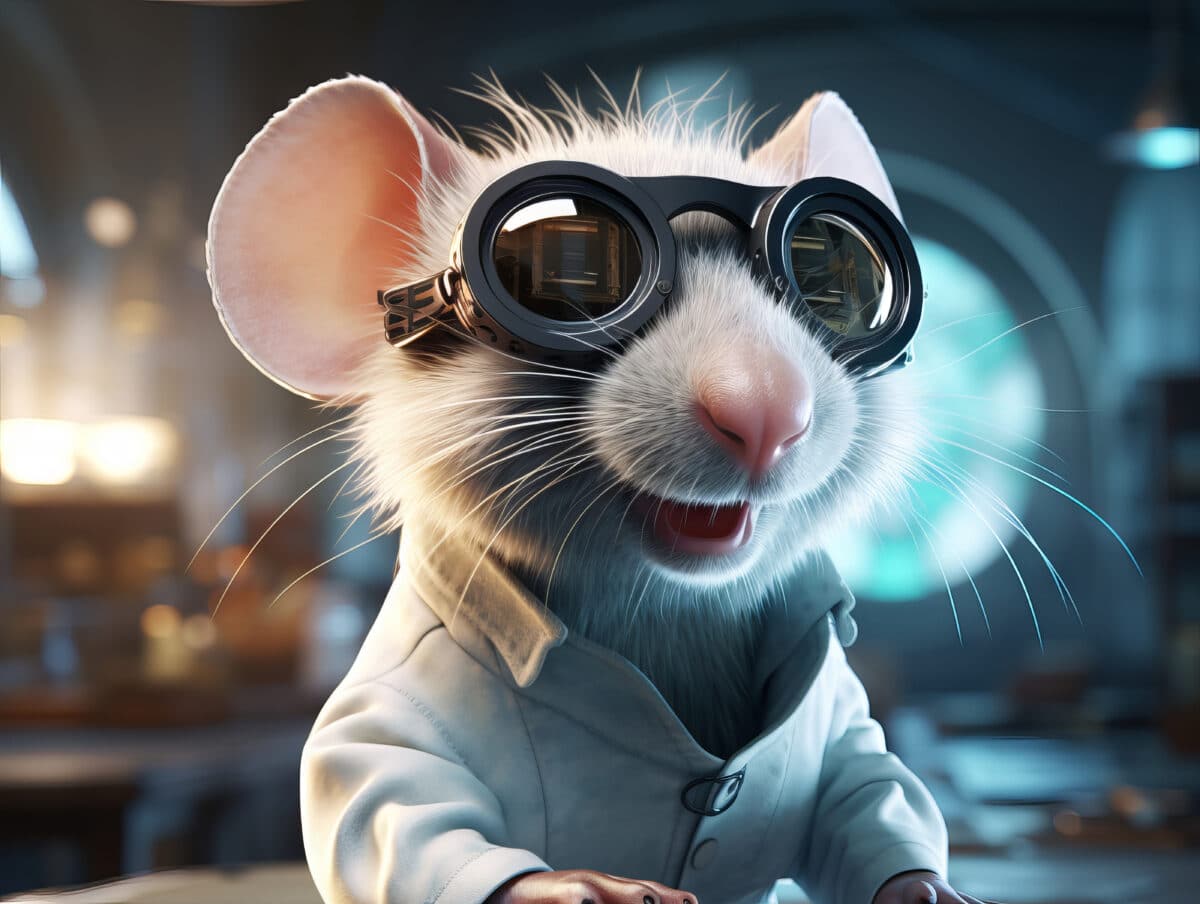
Even in Mice, Decision-Making Is More Complex than We Thought

If it’s this complex in mice, what are we to make of simplistic representations of human thinking in pop psychology textbooks? Read More ›
Darwin
Photo credit: Fernando Venzano, via Unsplash.

Darwinism’s “Simplest” and “Most Destructive Implication”

Imagine that: killing as a “cost-saving strategy.” I think of Canada more and more as the haunted twin of the United States, and a warning to us. Read More ›
RayapelgicaPteroplatytrygonviolaceaCabodePalosE
Photo: Stingray, a cartilaginous fish, by Diego Delso, CC BY-SA 4.0 <https://creativecommons.org/licenses/by-sa/4.0>, via Wikimedia Commons.

On Fish Intelligence, We’re Misled by Darwinian Assumptions

The world of life is full of intelligence. Its intensity varies not with distance from the supposedly accidental human but with the life form’s need for it.  Read More ›

© Discovery Institute