







































Science and Culture Today Discovering Design in Nature
Topic

transcription

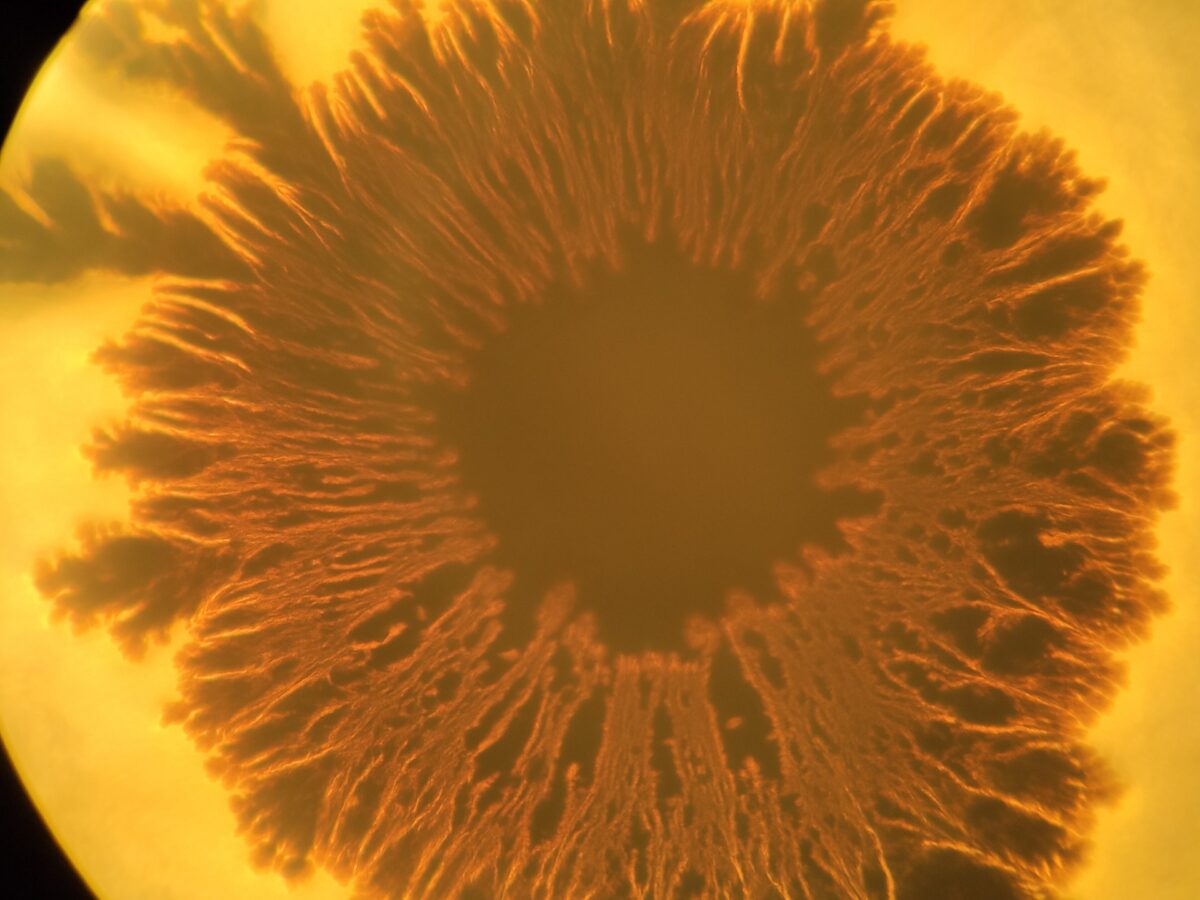
BeautifuleyeshapedBacillussubtilisbacterialgrowthunde
Photo: Bacillus subtilis, by Korinna, CC BY 4.0 <https://creativecommons.org/licenses/by/4.0>, via Wikimedia Commons.

Crowdsourcing DNA: Sophisticated Biological Information Processing
To adapt the words of Theodosius Dobzhansky, I’m persuaded that nothing in biology makes sense except in light of intelligent design. Read More ›
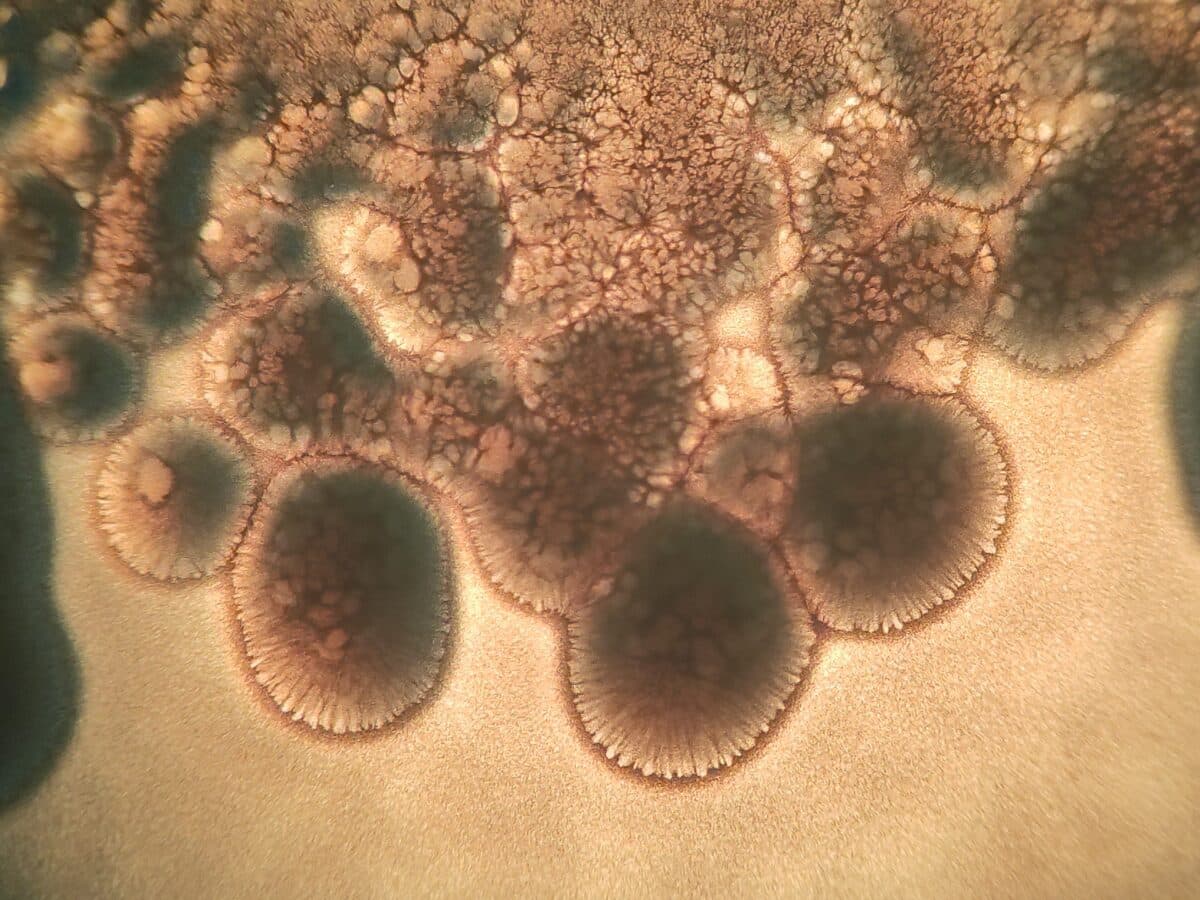
BeautifulBacillussubtilisbacterialgrowthunderthemicro
Photo: Bacillus subtilis, by Korinna, CC BY 4.0 <https://creativecommons.org/licenses/by/4.0>, via Wikimedia Commons.

To Crowdsource DNA, or Not to Crowdsource DNA: A Microbe’s Decision Pathway
These are the same type of understandable and logical computation circuits that humans design. What can we learn from observing this similarity? Read More ›
ProjectHailMary70mm-TheVista
Photo credit: VistaPhoto: Sterling Dee, Public domain, via Wikimedia Commons.

Project Hail Mary Can’t Outrun the God Hypothesis
How could something with a structure this complicated have evolved twice? Ryland Grace thinks it couldn’t have. Read More ›
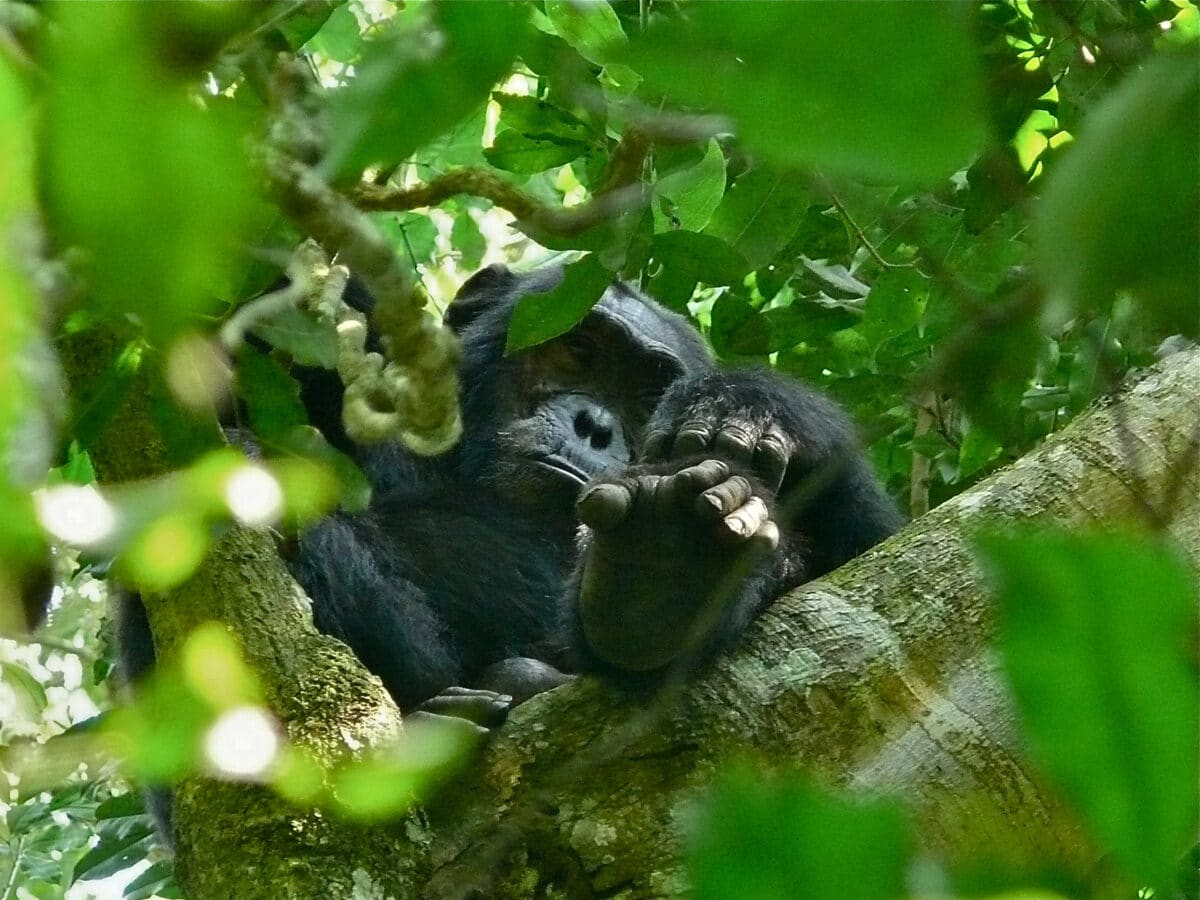
P1080487
Photo credit: Bernard DUPONT from FRANCE, CC BY-SA 2.0 <https://creativecommons.org/licenses/by-sa/2.0>, via Wikimedia Commons.

Supposed Fusion Site Contains Expressed Genes, Likely Influences Neural Development
Human chromosomal fusion has often been cited as strong evidence supporting human-ape common ancestry. It’s not. Read More ›
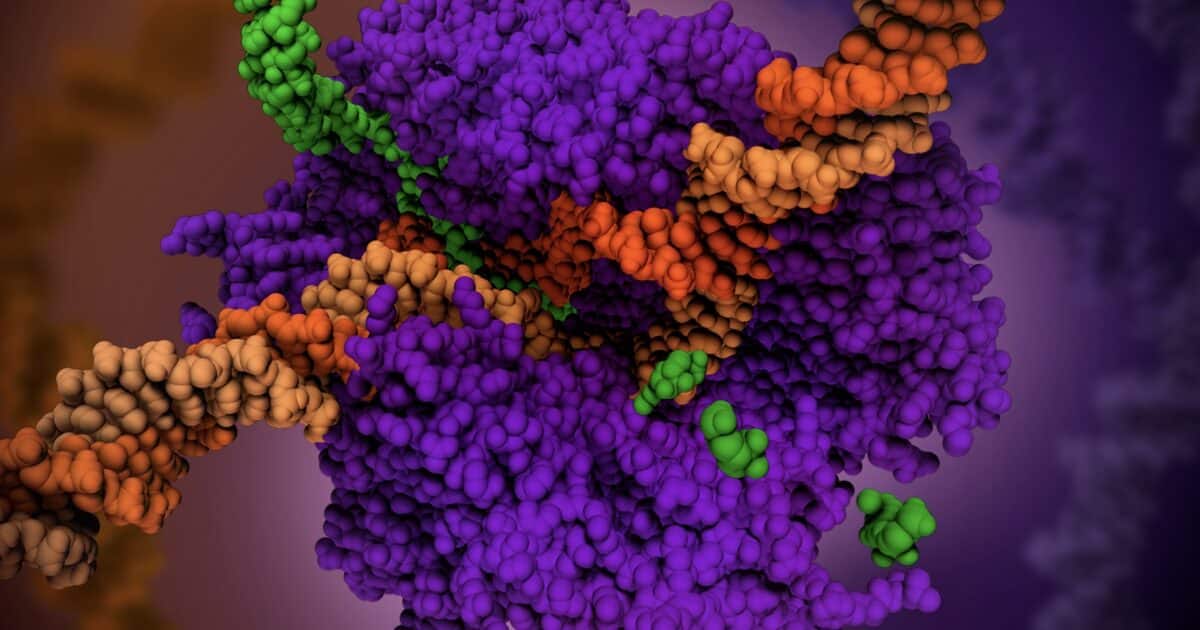
RNAPolymerase
Image: RNA polymerase, by Maria Voigt and PDB-101. This image is available under CC-BY-4.0 license. Attribution should be given to PDB-101 and Maria Voigt., CC BY 4.0 <https://creativecommons.org/licenses/by/4.0>, via Wikimedia Commons.

Recurring Design Logic in Attenuation Mechanisms
Despite the striking parallels between these systems in terms of the design logic, these attenuation systems are not evolutionarily related to one another. Read More ›
Platos-Revenge
Image source: Discovery Institute Press.

Sternberg Reveals the Truths that Give Life
Additional support for the plausibility of the immaterial nature of the genome can perhaps be found from implications of Gödel’s Incompleteness Theorem. Read More ›
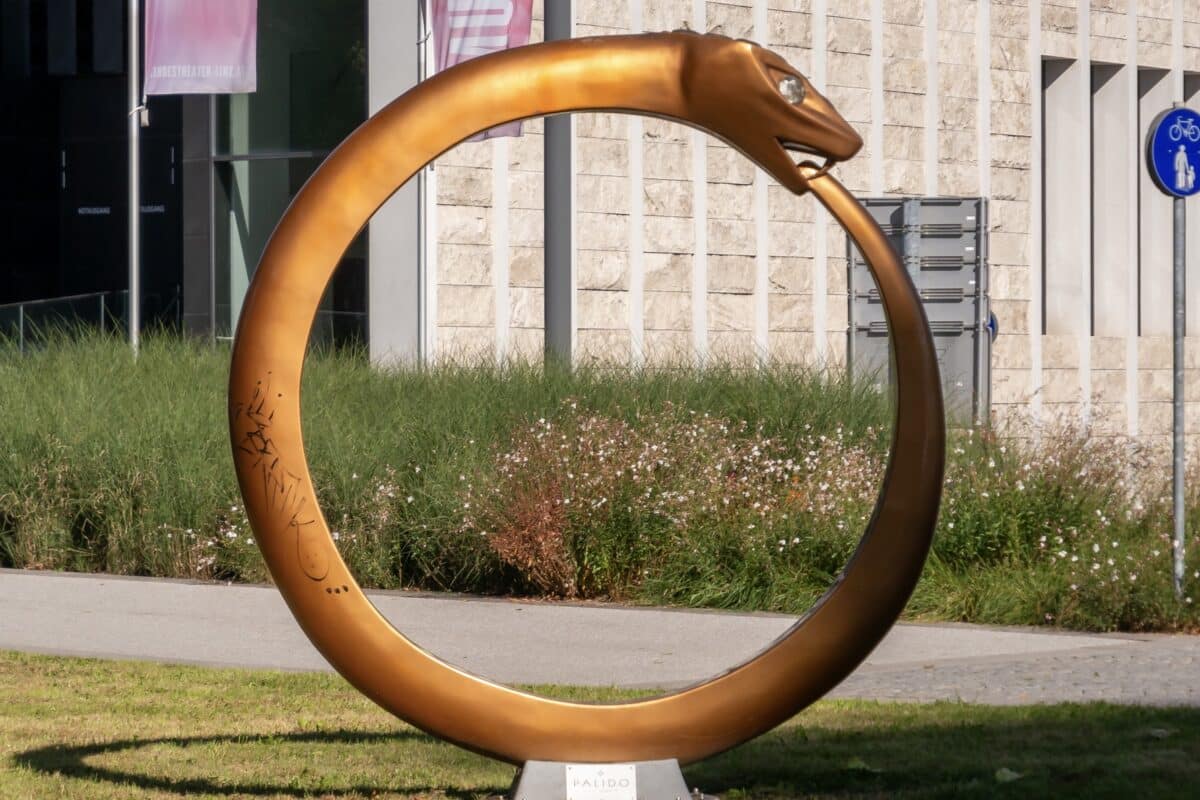
Oriboros
Photo: Oriboros, by Matti Blume (CC BY-SA <//commons.wikimedia.org/wiki/File:Photowalk,_Linz_(P1130856).jpg> or GFDL <http://www.gnu.org/copyleft/fdl.html>), via Wikimedia Commons.

Brian Miller: Circular Reasoning in Origin of Life Theories
Is origin of life research going round in circles, like the proverbial snake in pursuit of its own tail? Read More ›
Aplastodiscus_arildae_no_Parque_Estadual_de_Caparao_por_Lucas_Rosado_(03)
Photo credit: Lucas Rosado Mendonça, CC BY-SA 4.0 <https://creativecommons.org/licenses/by-sa/4.0>, via Wikimedia Commons.

Circular Reasoning in Origin of Life Research: Insights from a Recent Study on the Genetic Code

This study compared sequences of proteins in modern organisms to reconstruct ancestral proteins believed to reside in the last universal common ancestor (LUCA). Read More ›
071_Wild_marmot_at_Grand_Muveran_Nature_Reserve_Photo_by_Giles_Laurent
Photo credit: Giles Laurent, CC BY-SA 4.0 <https://creativecommons.org/licenses/by-sa/4.0>, via Wikimedia Commons.

Intentionality in Living Systems: What Does It Mean?

One historically dominant position on intentionality has been the Brentano thesis, proffered by 19th-century German philosopher and psychologist Franz Brentano. Read More ›
DNA
Photo credit: THAVIS 3D via Unsplash.

Roundup of Functions for “Junk DNA” Supports the New RNA Gene Paradigm

The junk DNA paradigm may have caused us to miss the precise DNA that helps makes a species unique.  Read More ›

© Discovery Institute