SalmonellaNIAID Type post Author Andrew McDiarmid Date July 11, 2025 CategoriesBiologyEvolutionIntelligent Design Tagged , attractants, Bacillus subtilis, bacteria, biological systems, biology, bioluminescence, chemotaxis, complexity, Darwin’s Black Box, E. coli, genes, intelligent design, Jonathan McLatchie, Michael Behe, musicians, outer membrane, painters, poisons, proteins, Salmonella, signal transduction, sporulation, toxins Recurring Design Logic in Living Systems Andrew McDiarmid July 11, 2025 Biology, Evolution, Intelligent Design 2 Architects, painters, musicians, and other creators apply recognizable patterns of thinking to their craft. Read More ›
www.mantis.cz/mikrofotografie Type post Author Jonathan McLatchie Date April 14, 2025 CategoriesEvolutionIntelligent Design Tagged , apoptosis, axial filament, Bacillus subtilis, biological systems, chromosome, cortex, dehydration, desiccation, dormancy, flagellar genes, forespore, gene coding, heat, master-architect, mother cell, peptidoglycan, regulator, Salmonella, signaling protein, Spo0A, SpoIIR, spore, spore coats, sporulation, transcriptional hierarchy, UV radiation Sporulation: Another Example of a Transcriptional Hierarchy Jonathan McLatchie April 14, 2025 Evolution, Intelligent Design 9 Examples like this suggest the existence of a master-architect behind biological systems. Read More ›
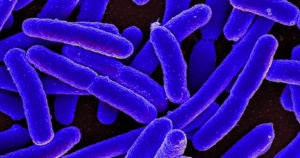
E. coli Type post Author Emily Reeves Date March 7, 2022 CategoriesBiologyEvolutionFine-tuningIntelligent Design Tagged , Bacillus subtilis, beauty, biological redundancy, biological systems, design triangulation, duplicate genes, E. coli, elegance, enzymes, evolution, fitness, function, gene expression, genetic information, intelligent design, laboratory conditions, Neo-Darwinism, optimality, precision, proteins, robustness, speakers, sporulation, Stanford University, storage, transmission Application of ID: Leveraging Design Triangulation to Anticipate Biological Redundancy Emily Reeves March 7, 2022 Biology, Evolution, Fine-tuning, Intelligent Design 8 In previous posts, I’ve covered how neo-Darwinism can make biological redundancy more confusing than it should be. Read More ›

Seeking-Dialogue Type post Author Jonathan McLatchie Date May 3, 2019 CategoriesEvolutionIntelligent Design Tagged , __k-review, Bacillus subtilis, bacterial cell division, Darwin Devolves, Darwin's Black Box, Douglas Axe, Douglas Theobald, Escherichia coli, Evolution News, evolutionists, gene duplication, genes, hemoglobin, Irreducible Complexity, Michael Behe, mousetrap, mutations, myoglobin, Nathan Lents, National Academy of Sciences, natural selection, oxygen, recruitment, S. Joshua Swamidass, Skeptic Magazine, TalkOrigins Muller Two-Step Model: A Refutation of Behe on Irreducible Complexity? Jonathan McLatchie May 3, 2019 Evolution, Intelligent Design 13 Our responses to the Muller two-step have been around for a long time; it would be nice if ID critics would recognize and perhaps answer them. Read More ›
Condensin 2 Type post Date March 2, 2018 CategoriesIntelligent DesignLife Sciences Tagged , __k-review, architect, Bacillus subtilis, cells, central dogma, condensin, Delft University of Technology, DNA, double helix, EMBL Heidelberg, embryo, genetic code, junk DNA, library, proteins, sperm, UC San Diego, University of Utah, zygote DNA as Architect as Well as Librarian: Structural Functions of the Double Helix Science and Culture March 2, 2018 Intelligent Design, Life Sciences 9 Early geneticists missed a lot when they looked at DNA only for its coding function. Read More ›