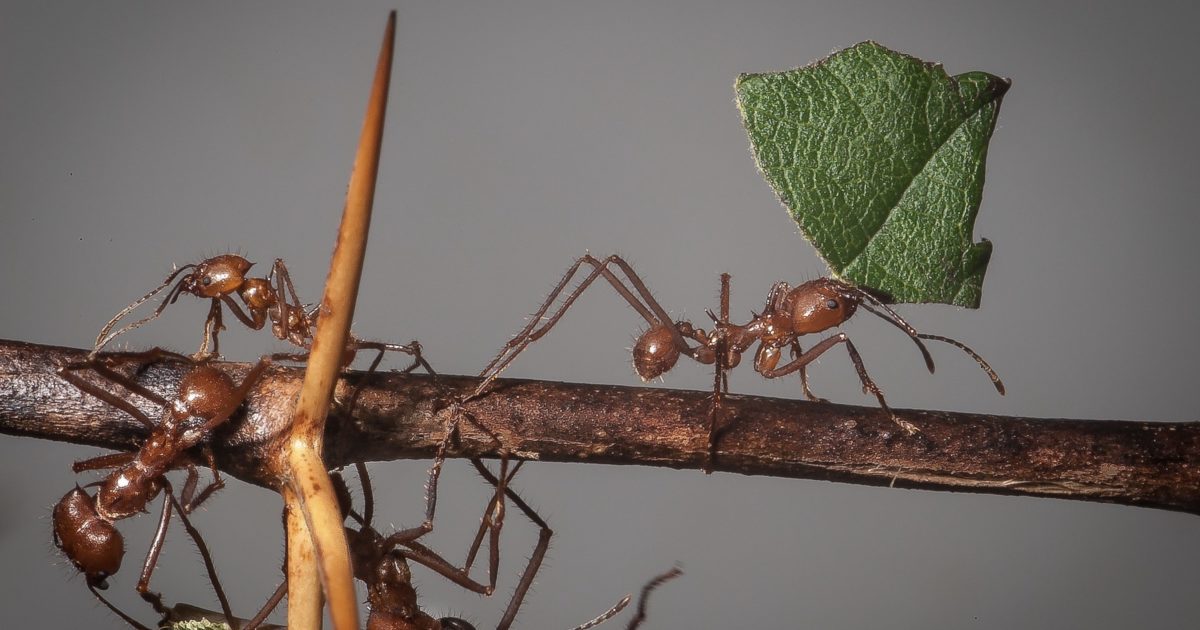
leafcutter ants Type post Date February 17, 2024 CategoriesLife SciencesNeuroscience & Mind Tagged , algorithms, Animal Algorithms, ants, bees, communication, entomologists, Eric Cassell, Europe, exoskeleton, intelligence, pheromones, space exploration, Stanford University, termites, wasps Ants “Think” Differently from Humans Science & Culture February 17, 2024 Life Sciences, Neuroscience & Mind 5 There are some 20 quadrillion ants living in the world today. All species of ants are social; there are no known solitary ants. Read More ›
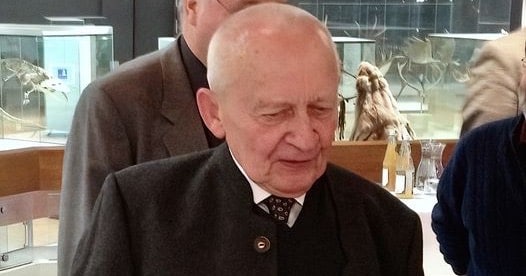
343995815_259093313156644_5375127296905788403_n Type post Author Günter Bechly Date May 3, 2023 CategoriesEvolutionPaleontology Tagged , biologists, cladistics, entomologists, entomology, Günter Bechly, intelligent design, morphology, naturalists, Neo-Darwinism, phylogenetics, Protestantism, Stuttgart Natural History Museum, systematics, University of Tübingen, Willi Hennig Farewell to My Teacher, Gerhard Mickoleit Günter Bechly May 3, 2023 Evolution, Paleontology 2 He had rather secretly always been a devout Protestant Christian and he too had some doubts about the causal adequacy and sufficiency of neo-Darwinism. Read More ›
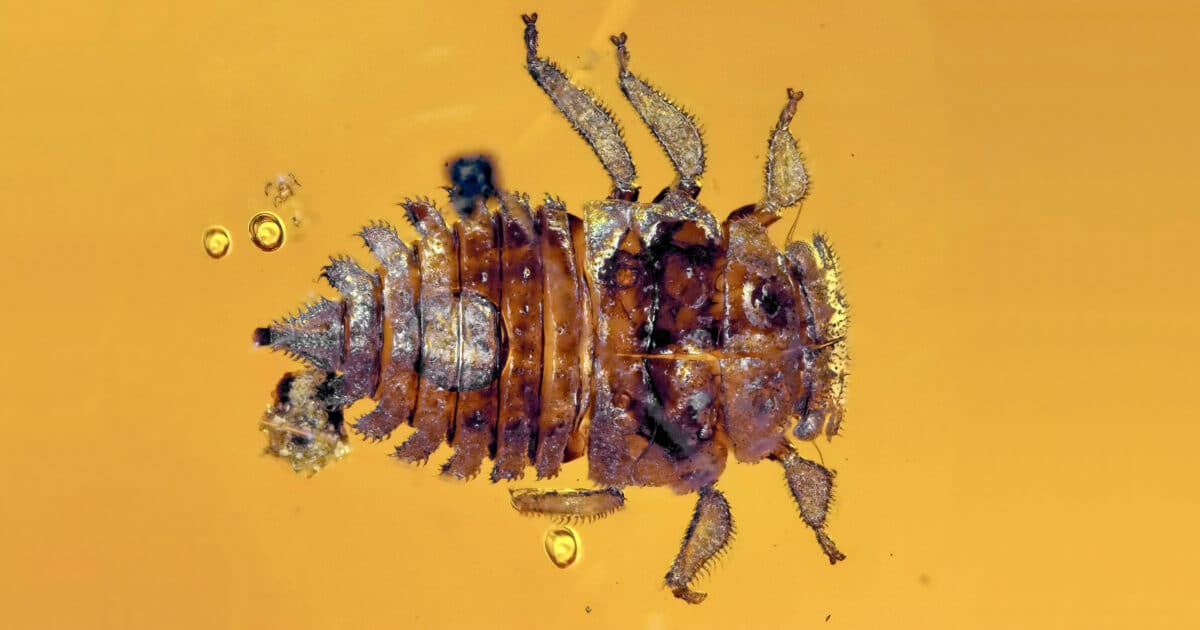
Do_Membracidae_Sauriermuseum_Aathal Type post Author Günter Bechly Date August 5, 2022 CategoriesPaleontologyScience Tagged , entomologists, evolution, Fossil Friday (series), homology, intelligent design, mimicry, Miocene, South America, Switzerland Fossil Friday: Treehopper Nymph in Dominican Amber and the Miracle of Mimicry Günter Bechly August 5, 2022 Paleontology, Science 6 The miracle of mimicry, for which there are countless examples in the animal kingdom, represents powerful evidence for design in nature. Read More ›
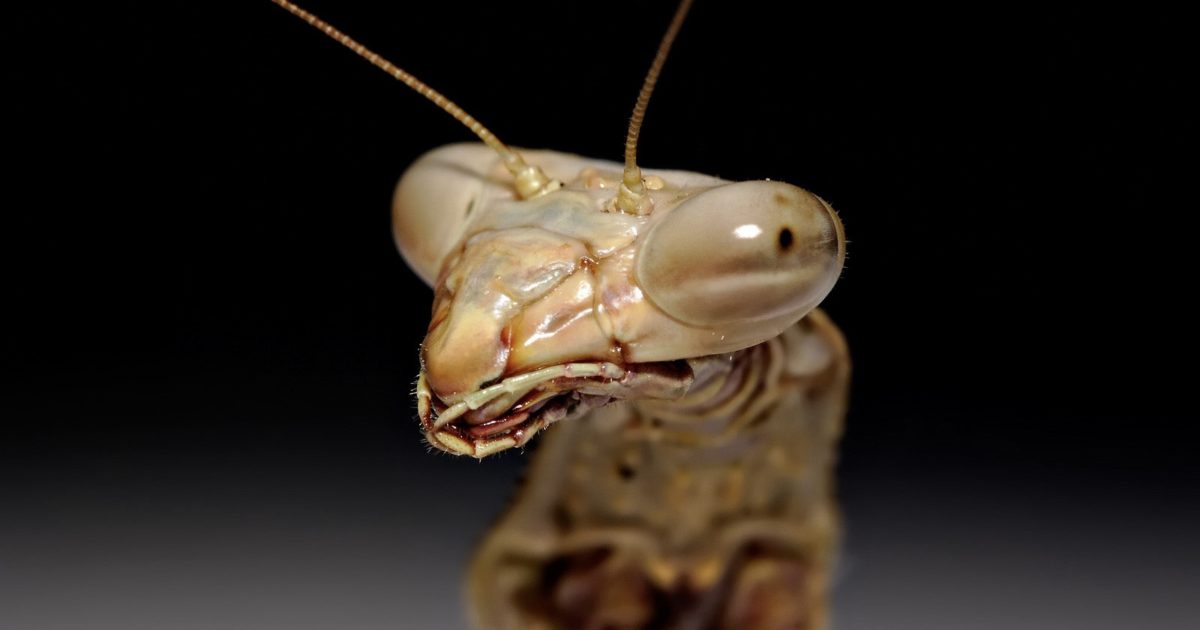
Large_brown_mantid_close_up_nohair Type post Author Denyse O’Leary Date June 1, 2022 CategoriesIntelligent DesignNeuroscience & Mind Tagged , Animal Algorithms, bees, crabs, crustaceans, cuttlefish, emotion, entomologists, Eric Cassell, insects, intelligent design, invertebrates, lobsters, neuroscience, octopuses, predators, snails, squid, University of Minnesota, vertebrates Do Invertebrates Have Feelings? Denyse O’Leary June 1, 2022 Intelligent Design, Neuroscience & Mind 4 Just as vertebrates differ greatly in intelligence and sentience, invertebrates may differ greatly too. Read More ›
Plos_wilson Type post Author Richard Weikart Date January 4, 2022 CategoriesBioethicsBiologyEcologyEthicsEvolutionHuman Origins and Anthropology Tagged , ants, behavior, Charles Darwin, entomologists, evolution, human behavior, humans, meaning, morality, On the Origin of Species, physiology, purpose, religion, sociobiology, spirit, worldview Remembering E. O. Wilson and Sociobiology Richard Weikart January 4, 2022 Bioethics, Biology, Ecology, Ethics, Evolution, Human Origins and Anthropology 8 "Wilson is — if his worldview is correct — just as much living a lie as those religionists that he castigates." Read More ›
simple-1 Type post Author Ann Gauger Date November 26, 2019 CategoriesGeneticsHuman Origins and Anthropology Tagged , __edited, Adam and Eve, atheism, BIO-Complexity, chimpanzees, Darwinism, Discovery Institute Press, DNA, entomologists, Francisco Ayala, HLA-DRB1, hominins, human origins, insects, Jay Richards, Neo-Darwinism, Ola Hössjer, Science and Human Origins, theism Human Origins: Not a Simple Question Ann Gauger November 26, 2019 Genetics, Human Origins and Anthropology 13 Is this proof of Adam and Eve? Far from it. It merely shows they might be possible. This model is scientific and as such is falsifiable. Read More ›