Science and Culture Today Discovering Design in Nature
Topic

fine-tuning

GrandCanyonArizonaUSALuftaufnahme--2012--5942
Photo: Grand Canyon, by Dietmar Rabich / Wikimedia Commons / “Grand Canyon (Arizona, USA), Luftaufnahme -- 2012 -- 5942” / CC BY-SA 4.0For print products: Dietmar Rabich / https://commons.wikimedia.org/wiki/File:Grand_Canyon_(Arizona,_USA),_Luftaufnahme_--_2012_--_5942.jpg / https://creativecommons.org/licenses/by-sa/4.0/.

In Fifty Years, How the Discussion About Science and Faith Has Changed
Decades ago, as I can recall from personal experience, there seemed to be only two choices. Read More ›
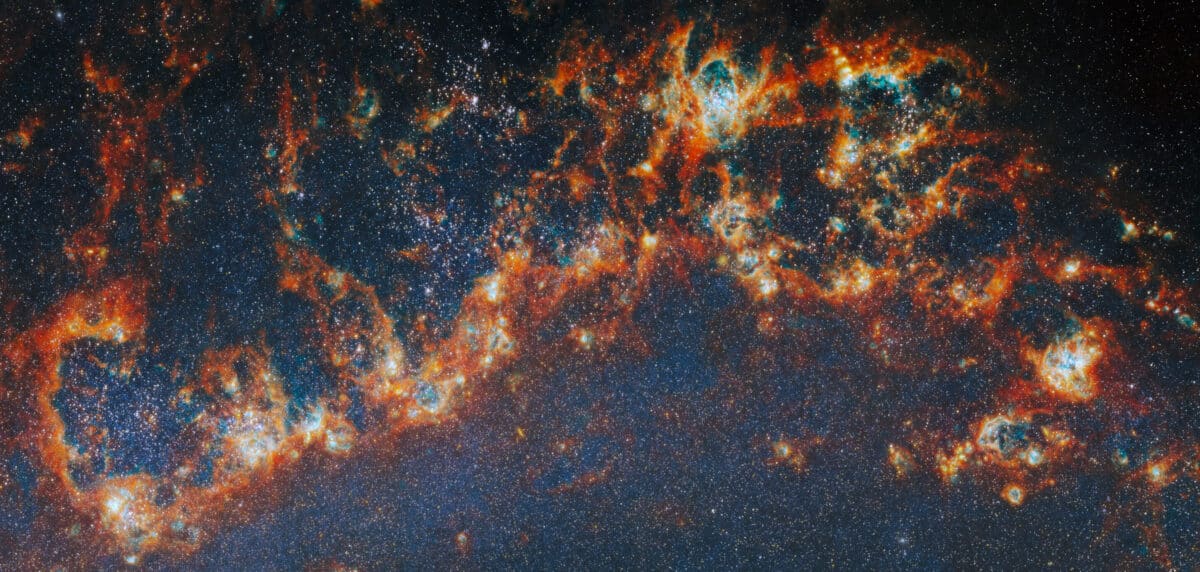
Star-forming regions in M51
Photo credit: ESA/Webb, NASA & CSA, A. Pedrini, A. Adamo (Stockholm University) and the FEAST JWST team.

Defending Fine-Tuning: How to Respond to 20 Common Objections

Scientists have discovered a whole suite of parameters and initial conditions appear to be exquisitely tuned to allow for complex life to exist. Read More ›
two-dice-bouncing-with-sparks-concept-for-probability-and-ra-746986118-stockpack-adobestock
Two dice bouncing with sparks. Concept for probability and random choice. Casino gambling and gaming.
Image Credit: Jammy Jean - Adobe Stock

Halper and Meyer on Inscrutable Dice and Cosmological Fine-Tuning

Phil Halper has argued against a position that no one holds, and his argument as a whole lays claim to the very capacity his objection denies. Read More ›
LakeCrescentspring
Photo: Lake Crescent, WA, by Adbar, CC BY-SA 3.0 <https://creativecommons.org/licenses/by-sa/3.0>, via Wikimedia Commons.

Under Aesthetic Arrest: Even an Atheist Might Stop and Think

Humans are the only creatures with a capacity for appreciating beauty beyond a rudimentary attraction to something eye-catching, shiny, or colorful. Read More ›
MeyerHalper
Photo source: Justin Brierley / Uncommon Ground, via YouTube (screenshot).

Extraordinary: Stephen Meyer and Phil Halper Debate the God Hypothesis

I could say more on the subject, but much of it is in this fantastic conversation — "the toughest debate I've ever had," as Halper graciously says at the end. Read More ›
TSOE
Photo: A scene from The Story of Everything, by Nathan Jacobson.

The Science of Theism as a Healing Salve

One reason I’m grateful for it is that the film makes a scientific case for theism of a kind that unites. It comes at an important moment for that. Read More ›
Seanettlejellyfishagainstbluebackdrop
Photo credit: Photollama, CC BY-SA 4.0 <https://creativecommons.org/licenses/by-sa/4.0>, via Wikimedia Commons.

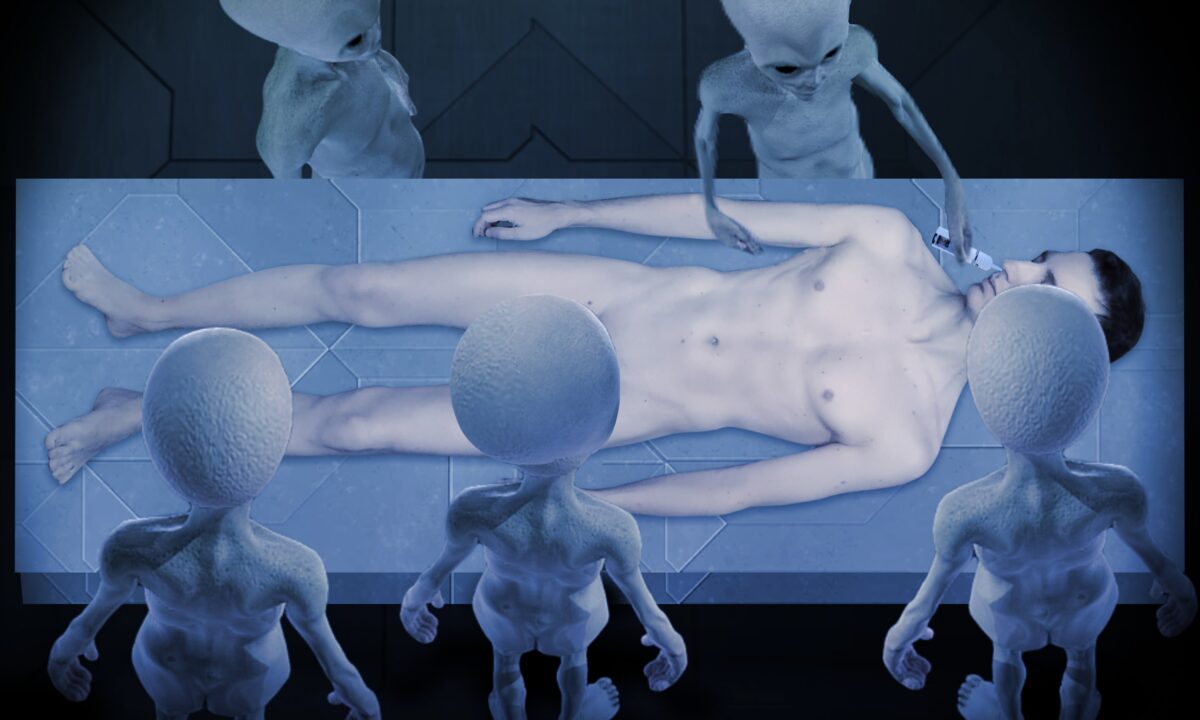
What Would Aliens, if They Exist, Look Like? Like Us, or Like Jellyfish?

According to celebrity scientific atheist Neil deGrass Tyson, ETs would look nothing like us, because there is no reason they would. Read More ›
GlassDNAWithBasesShowing
Image source: Gringer, CC0, via Wikimedia Commons.

The Combinatorial Abyss: Why the Genetic Code Defies Chance

It is highly improbable that the genetic code could have evolved by gradual trial and error. Read More ›
sanger-sequencing-3d-illustration-of-a-method-of-dna-sequenc-112394636-stockpack-adobestock
Sanger Sequencing. 3D illustration of a method of DNA sequencing.
Image Credit: ktsdesign - Adobe Stock

The Genetic Code: Two More Levels of Optimization

We have surveyed multiple levels at which the genetic code, far from a “frozen accident,” appears highly optimized across multiple independent constraints. Read More ›
dna-sequencing-result-visualisation-researches-in-genetics-s-1635177604-stockpack-adobestock
DNA sequencing result, visualisation. Researches in genetics
Image Credit: New Africa - Adobe Stock

Introducing the Remarkable Genetic Code

The optimization of the genetic code for error minimization is made possible by the redundancy of the code. What is meant by redundancy? Read More ›

© Discovery Institute