Science and Culture Today Discovering Design in Nature
Topic

biological design

stadium-man-running-and-athlete-on-a-runner-and-arena-track-605985413-stockpack-adobestock
Stadium, man running and athlete on a runner and arena track for sprint race training. Fast, run and sports exercise of a male person in marathon for fitness and workout outdoor on a field for health
Image Credit: Kirsten D/peopleimages.com - Adobe Stock

New Stuart Burgess Article on Human Joints Reflects Growing Recognition of Design in Biology

A journal committed to scientific materialism publishes an article explicitly challenging evolution and promoting design. Read More ›
cell-differentiation
Image source: Discovery Institute.

For Roe’s Anniversary, Renew Your Awe of Reproduction
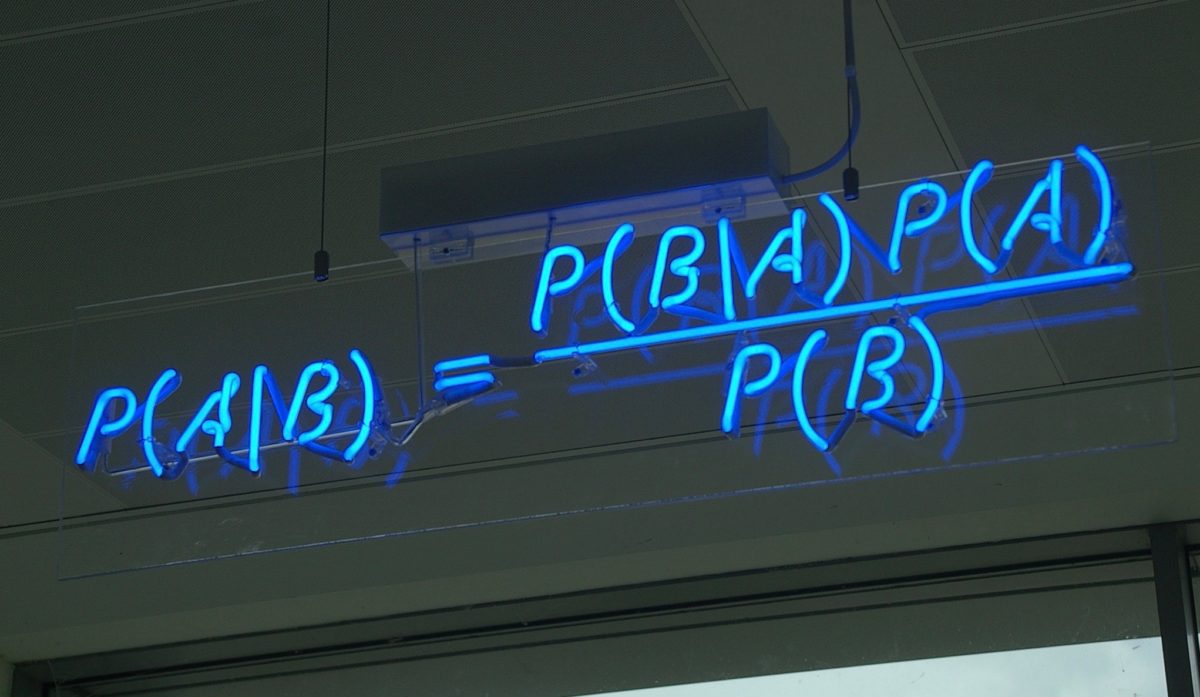
How do those cells “know” what to become? Where does the information reside that shapes a human in the womb? Read More ›
Bayes'-Theorem
Photo: Bayes' Theorem, by mattbuck (category) / CC BY-SA (https://creativecommons.org/licenses/by-sa/2.0).

When Building Our Case for Intelligent Design, How Should We Think About Prior Probability?
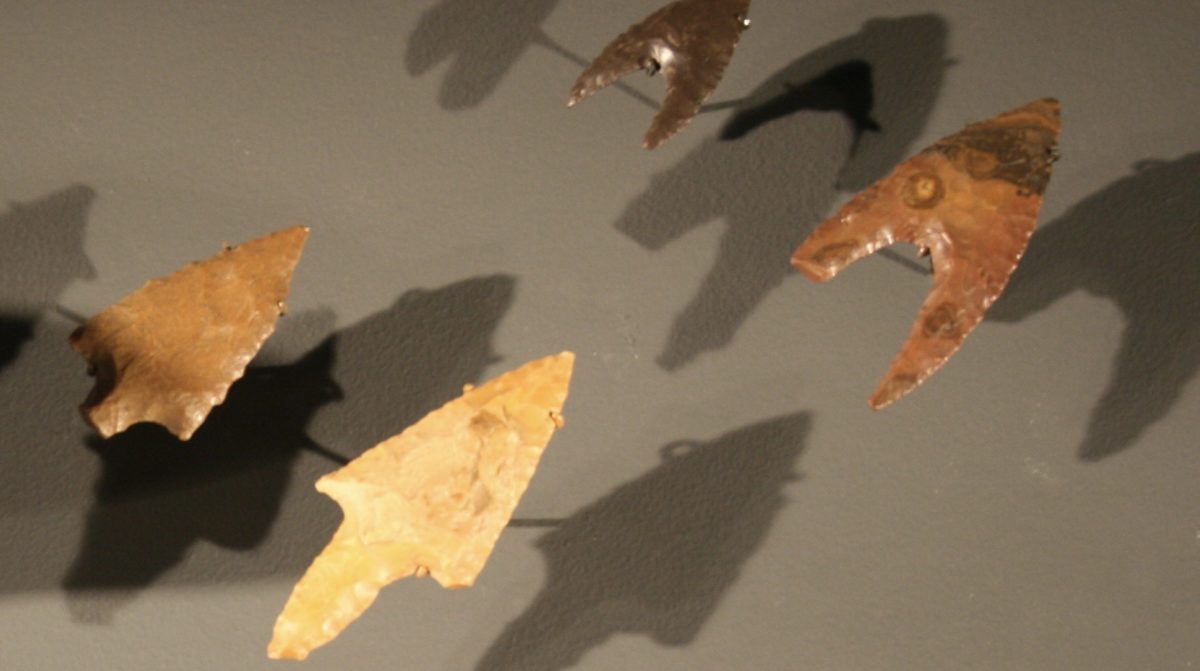
Bayes’s theorem is a tool for modeling our evaluation of evidences to appropriately apportion the confidence in our conclusions to the strength of the evidence. Read More ›
Al Fayum arrowheads.png
Photo: Prehistoric arrowheads, by Gary Todd / CC0.

The Advantages of a Bayesian Approach to ID

Lydia McGrew gives the analogy that there is always a possibility that prehistoric civilizations did not have the ability or desire to make arrowheads. Read More ›
Bayes'-Theorem
Photo: Bayes' Theorem, by mattbuck (category) / CC BY-SA (https://creativecommons.org/licenses/by-sa/2.0).

A Bayesian Approach to Intelligent Design

I have come to think of evidence in Bayesian terms and this has in turn impacted the way I think about the biological arguments for ID. Read More ›
hall-of-mirrors

Photo credit: Josh Staiger (Flickr) [CC BY 2.0], via Wikimedia Commons.

Andreas Wagner: Genetic Regulation Drives Evolutionary Change

In a seemingly infinite hall of mirrors, monumental assertions are casually made and immediately followed by citations that simply do the same thing. Read More ›

© Discovery Institute