packing peanuts Type post Author David Coppedge Date March 12, 2024 CategoriesEngineeringEvolutionIntelligent Design Tagged , ATP synthase, BioEssays, Bruce Alberts, complex life, Conference on Engineering in Living Systems, convergent evolution, Darwin's Dilemma, Darwinian evolution, intelligent design, ions, neo-Darwinian mechanism, nuclear pore complex, proteins, science, University of Washington Is It Becoming Acceptable to Speak of Biological Systems and Processes in Terms of Design? David Coppedge March 12, 2024 Engineering, Evolution, Intelligent Design 8 In this example, think of the Darwinese as packing peanuts that can be removed to get to the important items inside. Read More ›
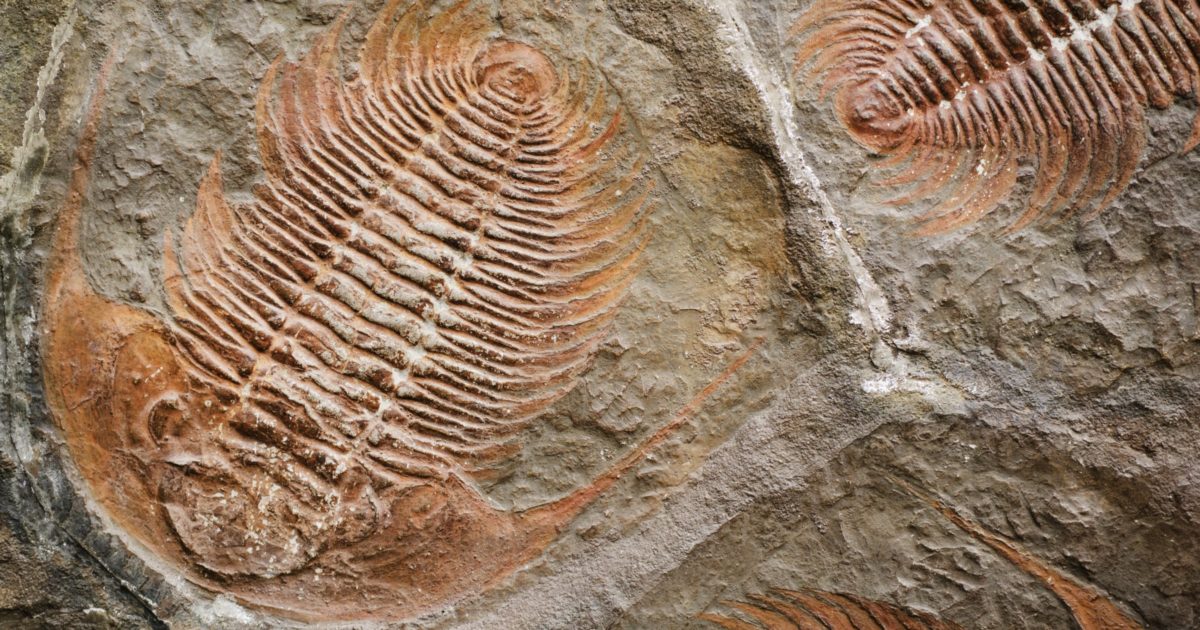
trilobite Type post Author Emily Sandico Date October 26, 2023 CategoriesEvolutionIntelligent DesignMathematics Tagged , Bill Nye, Cambrian animals, college, Darwin's Doubt, earth, evolution, evolutionary biology, high school, intelligent design, Kindle, libraries, life, neo-Darwinian mechanism, paleontology, peer-reviewed literature, probabilistic resources, Simon Conway Morris, Stephen Meyer, textbooks Why Evolutionary Biologists Are “Fatigued” by Darwin Emily Sandico October 26, 2023 Evolution, Intelligent Design, Mathematics 2 Says Stephen Meyer, “The neo-Darwinian math is itself showing that the neo-Darwinian mechanism cannot build complex adaptations." Read More ›
bone Type post Author David Coppedge Date October 24, 2022 CategoriesBiologyIntelligent DesignScience Tagged , bones, evolution, foresight, hierarchy, intelligent design, Irreducible Complexity, mechanism, mutations, neo-Darwinian mechanism, PLOS Biology, tissues Bone Growth Demonstrates Irreducible Complexity and Hierarchical Control David Coppedge October 24, 2022 Biology, Intelligent Design, Science 7 How does a bone “know” to keep its structures at proper ratios along its length as it grows? Read More ›
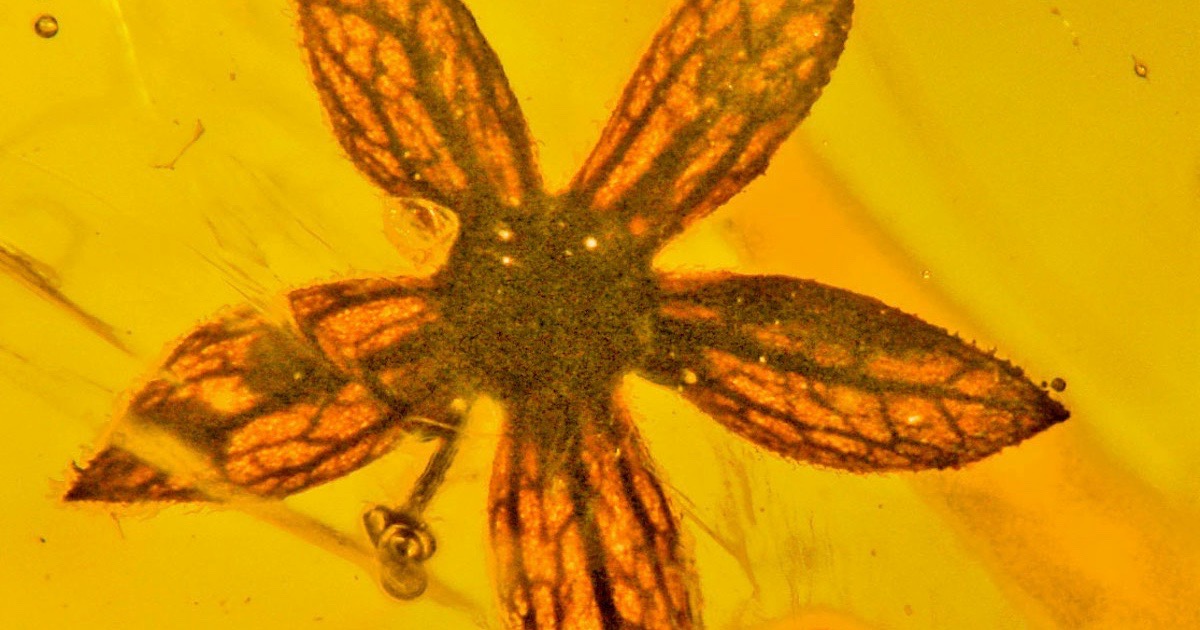
Tropidogyne pentaptera Type post Author Günter Bechly Date June 14, 2021 CategoriesEvolution Tagged , abominable mystery, angiosperms, Charles Darwin, Cretaceous Period, evolution, evolutionists, flowering plants, fossil record, intelligent design, Joseph Hooker, molecular clocks, Nature Ecology & Evolution, neo-Darwinian mechanism, Neo-Darwinism, New Scientist, Richard Buggs Darwin’s “Abominable Mystery”: Jurassic Flowering Plants After All? Günter Bechly June 14, 2021 Evolution 4 This year a new article by Silvestro et al. (2021), "Fossil data support a pre-Cretaceous origin of flowering plants," was published. Read More ›
Gunter Bechly Type post Author Günter Bechly Date June 4, 2019 CategoriesBiologyCosmologyEvolutionIntelligent DesignMathematicsPhysics Tagged , __cedited, conference, cosmic fine-tuning, creationism, Darwinian theory, Discovery Institute, evolutionary biology, Günter Bechly, intelligent design, materialism, nature, neo-Darwinian mechanism, quantum mechanics, Siegfried Scherer, teleology Why a New Center on Teleology in Nature? Günter Bechly June 4, 2019 Biology, Cosmology, Evolution, Intelligent Design, Mathematics, Physics 4 Clearly a naturalistic bias is at work here and imposes a limit on the spectrum of alternative explanations that is even considered to be permissible. Read More ›