Science and Culture Today Discovering Design in Nature
Topic

Mercury

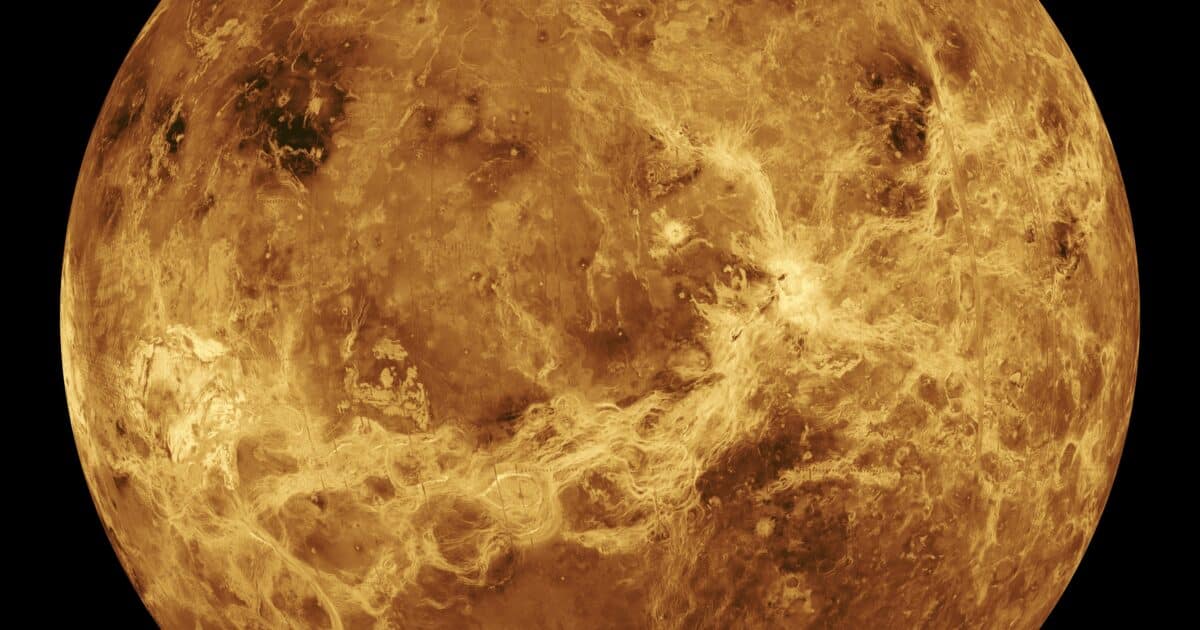
Venusglobe
Photo: Venus, by NASA/JPL, Public domain, via Wikimedia Commons.

Geometric Design in the Solar System

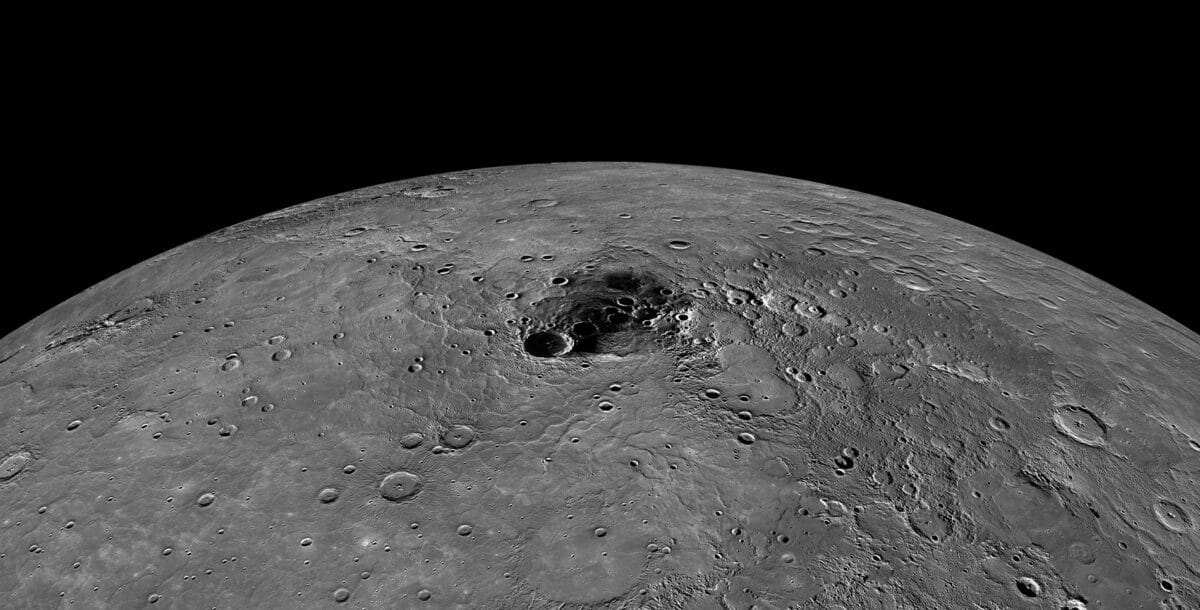
My favorite example of such geometric design arises from the mean orbits of our innermost two planets, Mercury and Venus. Read More ›
water pollution
Image licensed via Adobe Stock.

Gifted Microbes Elevate the Case for Intelligent Design to the Entire Biosphere
Far from being humble, primitive steppingstones to higher life, microbes display superpowers that so-called “higher” forms of life depend on. Read More ›
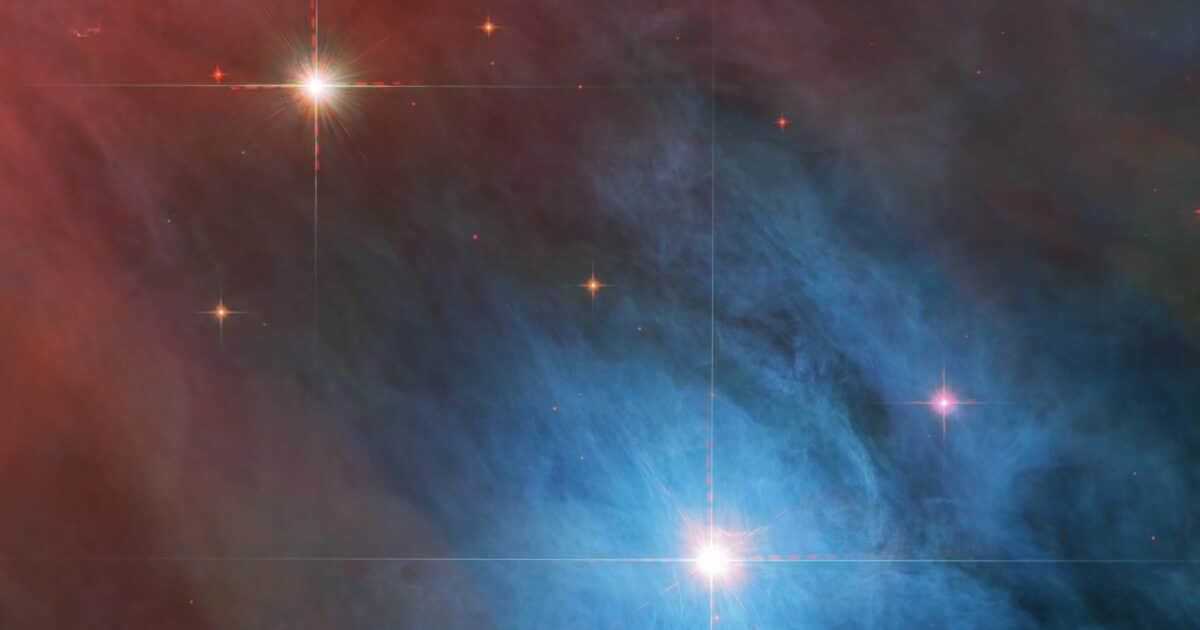
Orion Nebula
Photo: Orion Nebula, by ESA/Hubble & NASA, J. Bally, M. Robberto.

Johannes Kepler on the Holy Work of Astronomy
Kepler rejected the idea that the enormous scale of the cosmos suggested that mankind is less important than in the cozier Aristotelian-Ptolemaic model. Read More ›
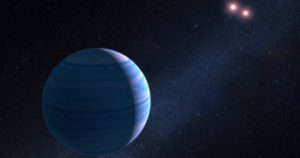
Artist’s impression of exoplanet orbiting two stars
Fermi Paradox
Image: An exoplanet (artist’s rendering), by ESA/Hubble [CC BY 4.0], via Wikimedia Commons.

Biominerals Could Predict Life on Exoplanets
One-third of minerals — chemical solids whose atoms are highly ordered — are created directly or indirectly by life forms. Read More ›
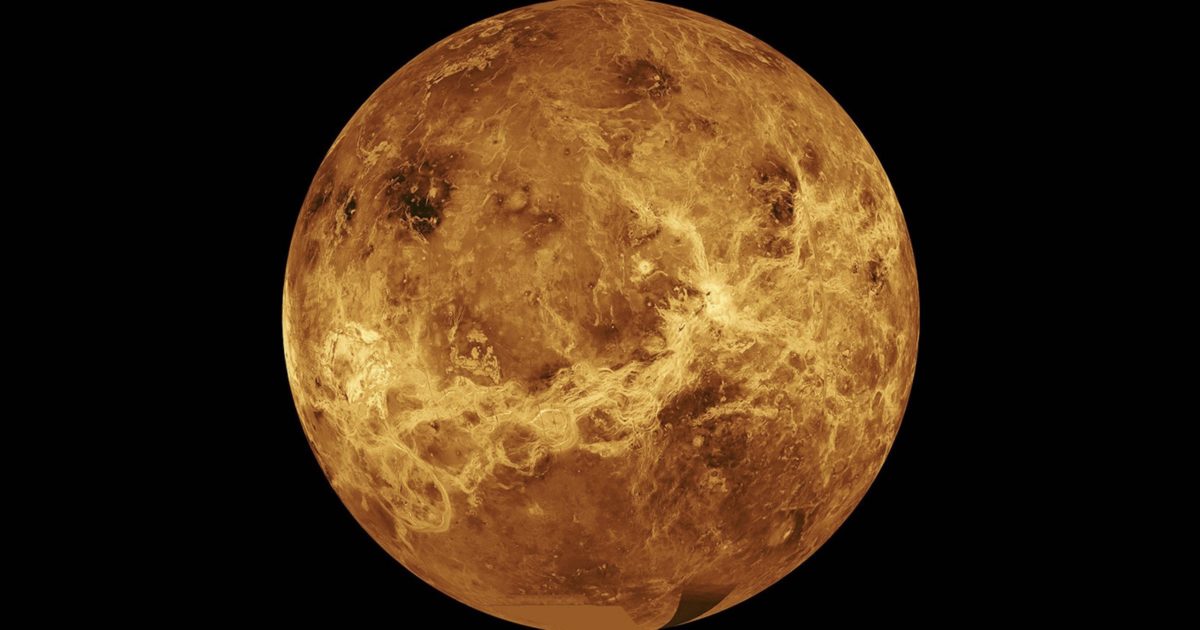
Venus
Photo: Venus, by NASA/JPL-Caltech.

Why Researchers Focus on Possible Life on Venus

Chemicals that we shouldn’t find unless they are produced by life forms are sparking interest in exploring Venus from both public and private sources. Read More ›
rainbow
Photo credit: Austin Schmid, via Unsplash.

Do We Live on a Privileged Planet?

Yes, rainbows are beautiful, but are they good for anything? Indeed, they have been very important for science. Read More ›
Carl Sagan

Cosmos Episode 6 — That’s Entertainment! (But Is It Science?)

Here is the problem with speculative thinking about extraterrestrial life as well as about the origin of life. Read More ›

© Discovery Institute