






































Science and Culture Today Discovering Design in Nature
Topic

astronomers

Belgique-Louvain-la-Neuve-ParkingdesSciences-Georges
Image credit: EmDee, CC BY-SA 4.0 <https://creativecommons.org/licenses/by-sa/4.0>, via Wikimedia Commons.

Are We at Another Lemaître Moment? Cosmological Evidence Suggests So
The universe is not large in spite of us — it is large, in part, because of what it takes to produce us. Read More ›
Artemis-II
Photo: Artemis II splashdown by NASA/Bill Ingalls.

Contest of Cosmic Stories “Isn’t a Fair Fight”
As Bethel McGrew notes, the tradition of seeing the stars, planets, and the rest of space as pointing to a creator has a distinguished scientific history. Read More ›
3I/ATLAS
Photo: Interstellar Object 3I/ATLAS, by ESA/Hubble, CC BY 4.0 , via Wikimedia Commons.

Astrobiology as a Secular Quest for Meaning
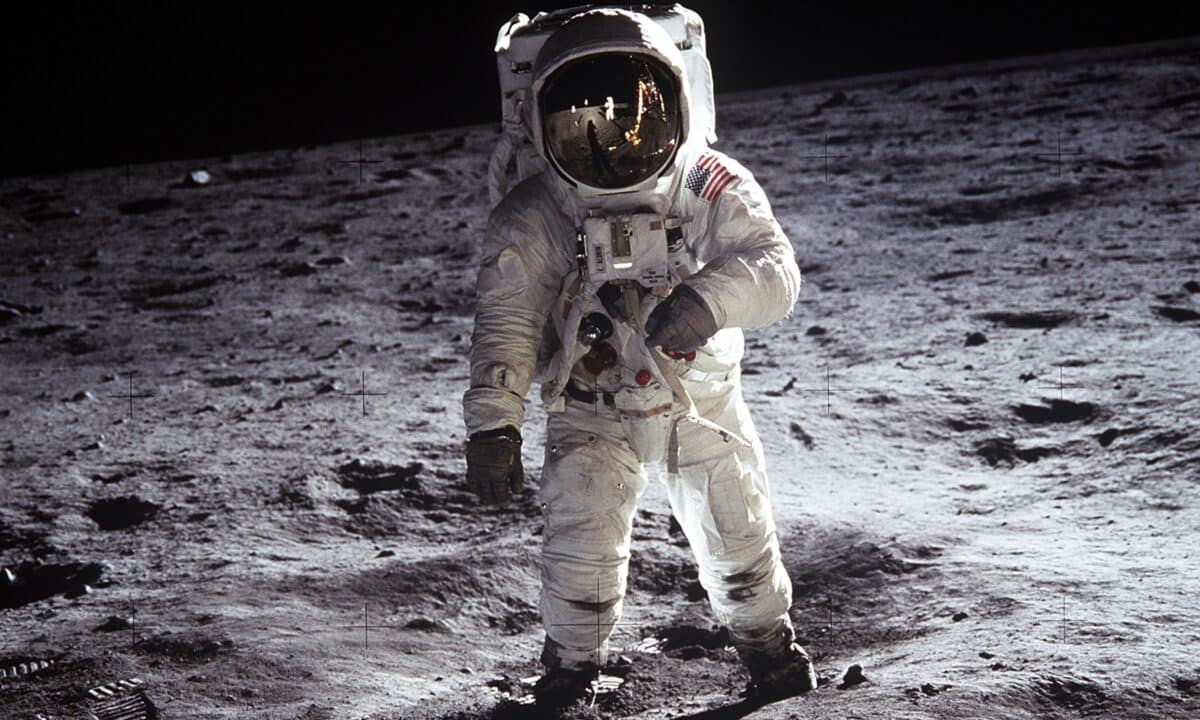
I don’t think this stuff does any harm — as long as it is understood as drama and not given undue importance in science or philosophy. Read More ›
AldrinApollo11
Photo credit: Neil A. Armstrong, Public domain, via Wikimedia Commons.

The Forces that Shape our Universe: Gravity
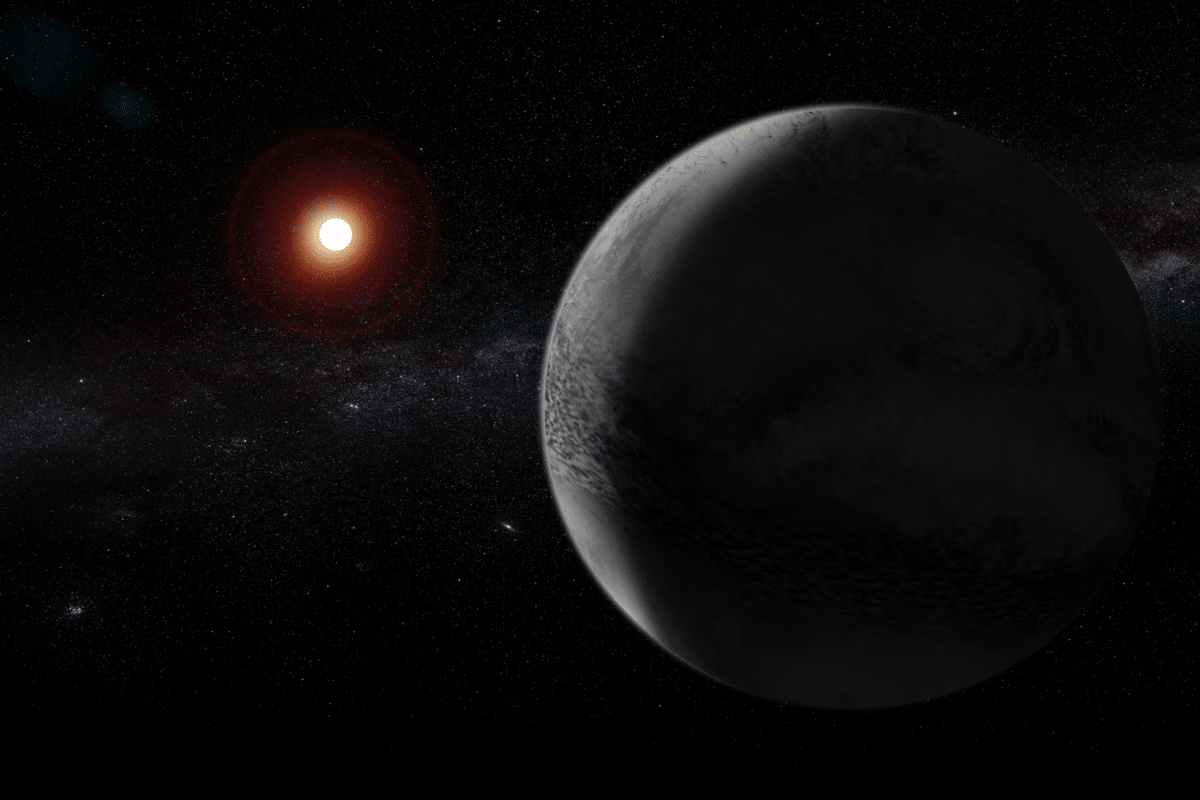
One of the most remarkable aspects of our universe is the discovery that just four fundamental forces of nature govern interactions among all particles. Read More ›
Exo-Planet_K2-18_b
Image: An artist imagines exoplanet K2-18b, by Arndt Stelter, CC BY-SA 4.0 <https://creativecommons.org/licenses/by-sa/4.0>, via Wikimedia Commons.

Fact Check: Did Scientists Really Detect Evidence of Life on Exoplanet K2-18b?
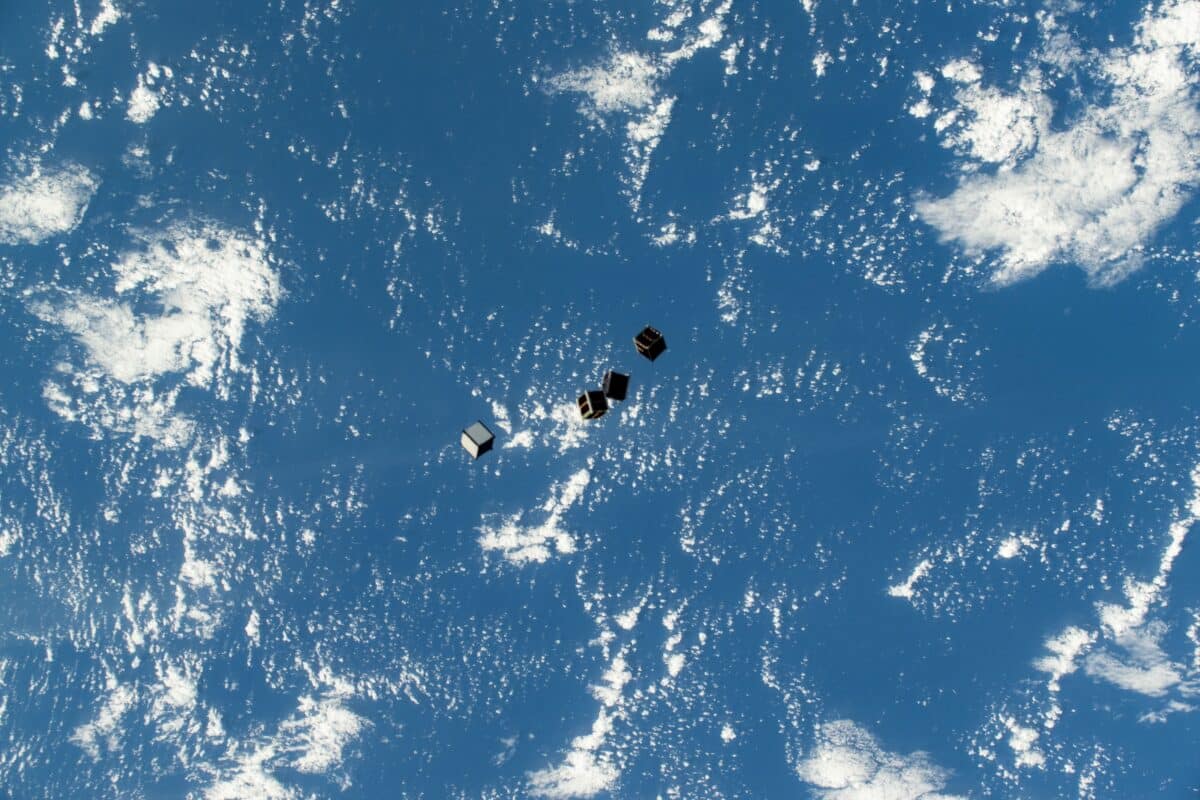
The molecule is dimethyl sulfide (DMS) or dimethyl disulfide (DMDS), and on Earth its sole known source is life (specifically, marine phytoplankton algae). Read More ›
CubeSats
Photo: CubeSats, by NASA/Tracy Dyson.

New Evidence that Supports the Privileged Planet Thesis
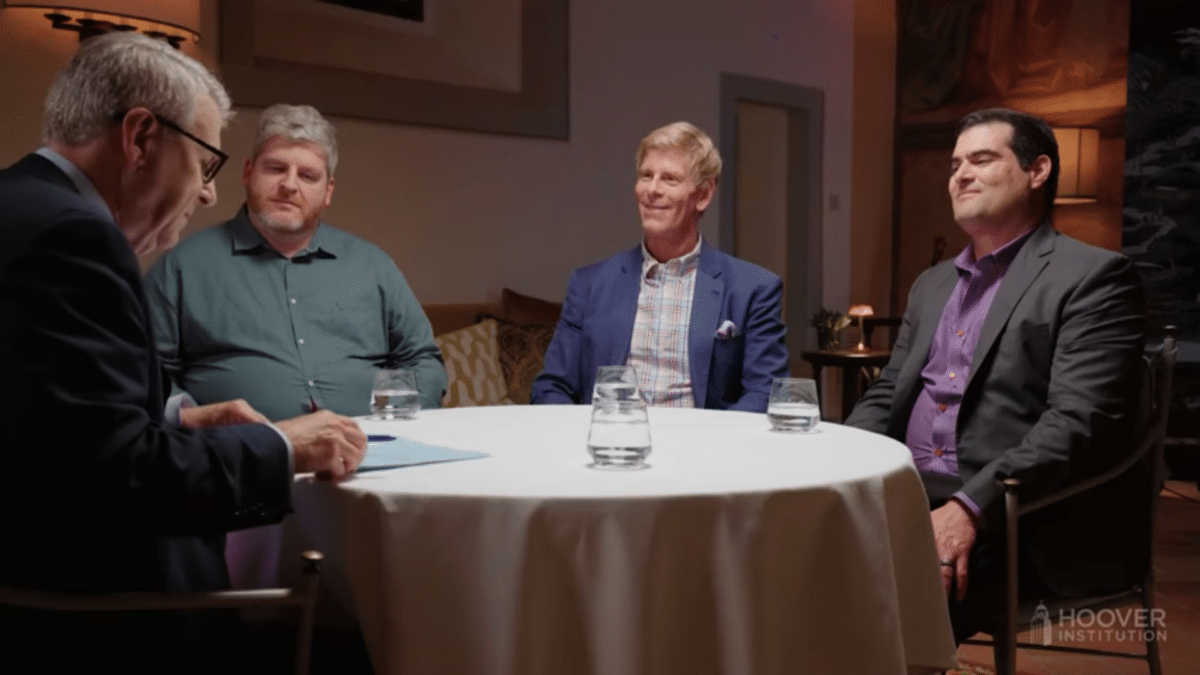
A newly revised, rewritten, and updated book refutes the materialistic assumptions of the Copernican principle. Read More ›
Jay_RIchards
Photo source: Uncommon Knowledge, via YouTube (screenshot).

Richards: The Most Earth-Like Planet Is Still … Mars
With the discovery of large numbers of exoplanets in the last twenty years, does Earth look as privileged as it once did? Read More ›
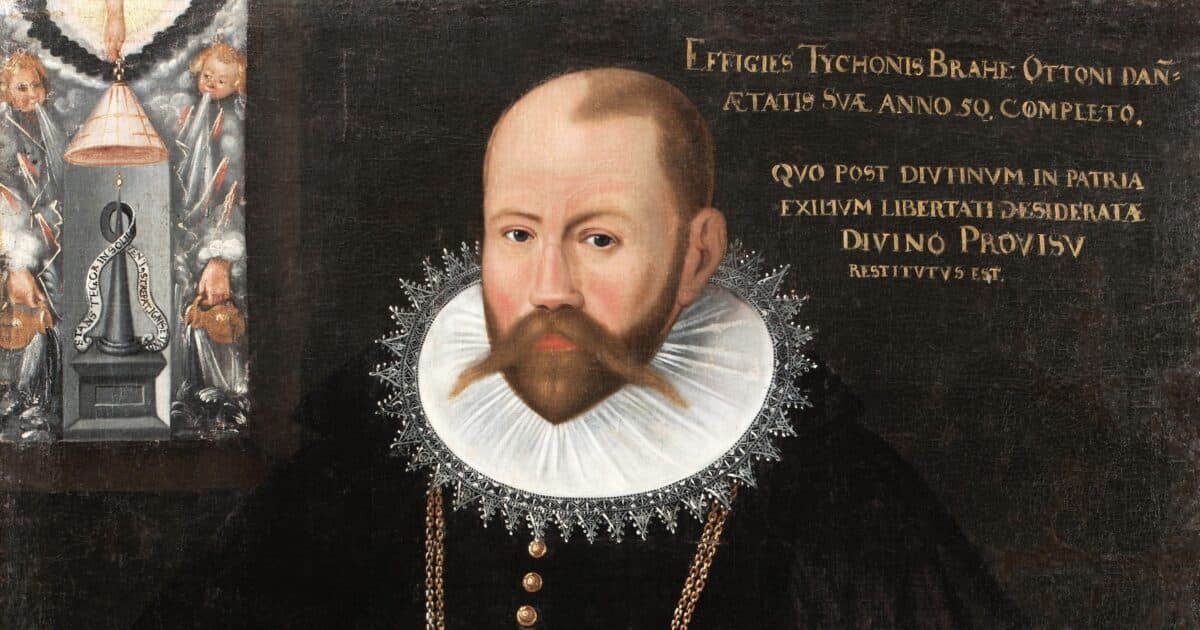
lossy-page1-3253px-Porträtt_av_Tycho_Brahe_-_Skoklosters_slott_-_90153.tif
Image: Tycho Brahe, via Skokloster Castle, Public domain, via Wikimedia Commons.

How Tycho Brahe Set an Unhelpful Precedent for Scientists
Brahe, a 16th-century Danish astronomer, sat on his astronomical research for years, rather than sharing it with Kepler, his assistant. Read More ›
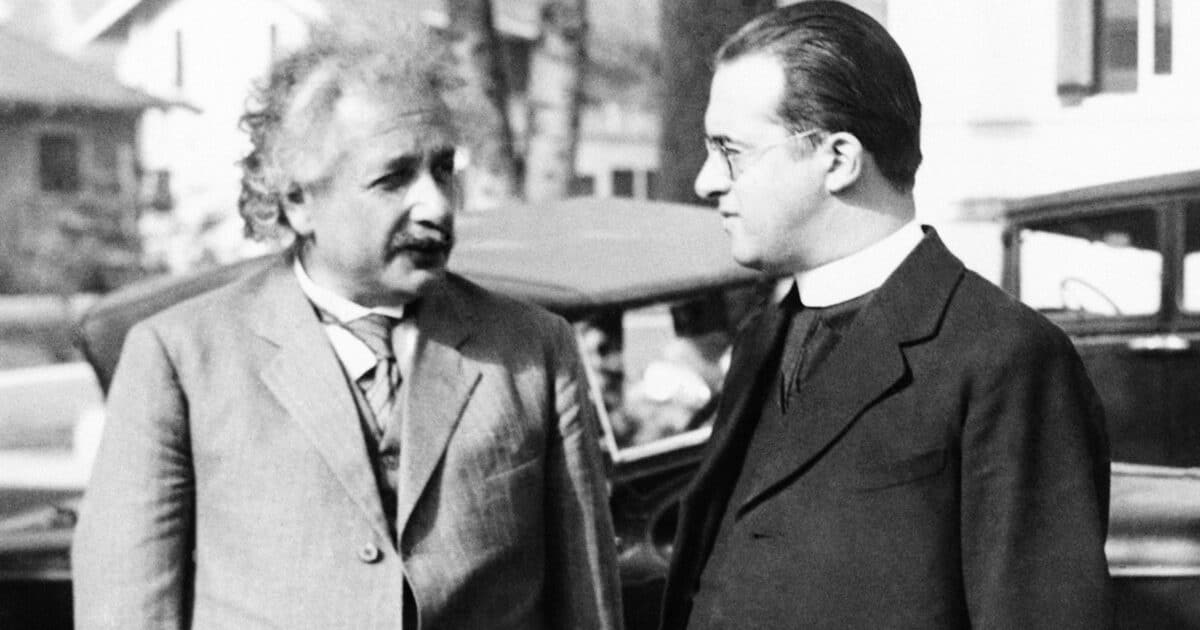
Einstein-and-Lemaître
Photo: Einstein and Lemaître in the street, Pasadena, CA, January 1932. AP. Photographer unknown.

When Einstein Met Lemaître

Einstein’s response shows the same unwillingness to change his position: he accepted the mathematics, but not a physically expanding universe. Read More ›
solar eclipse 2024
Photo credit: Osunpokeh, CC BY-SA 4.0 <https://creativecommons.org/licenses/by-sa/4.0>, via Wikimedia Commons.

To Understand the Meaning of a Solar Eclipse

The rare places where observers can exist are also the best places for observing. The universe seems to be designed not just for life but also for discovery. Read More ›

© Discovery Institute