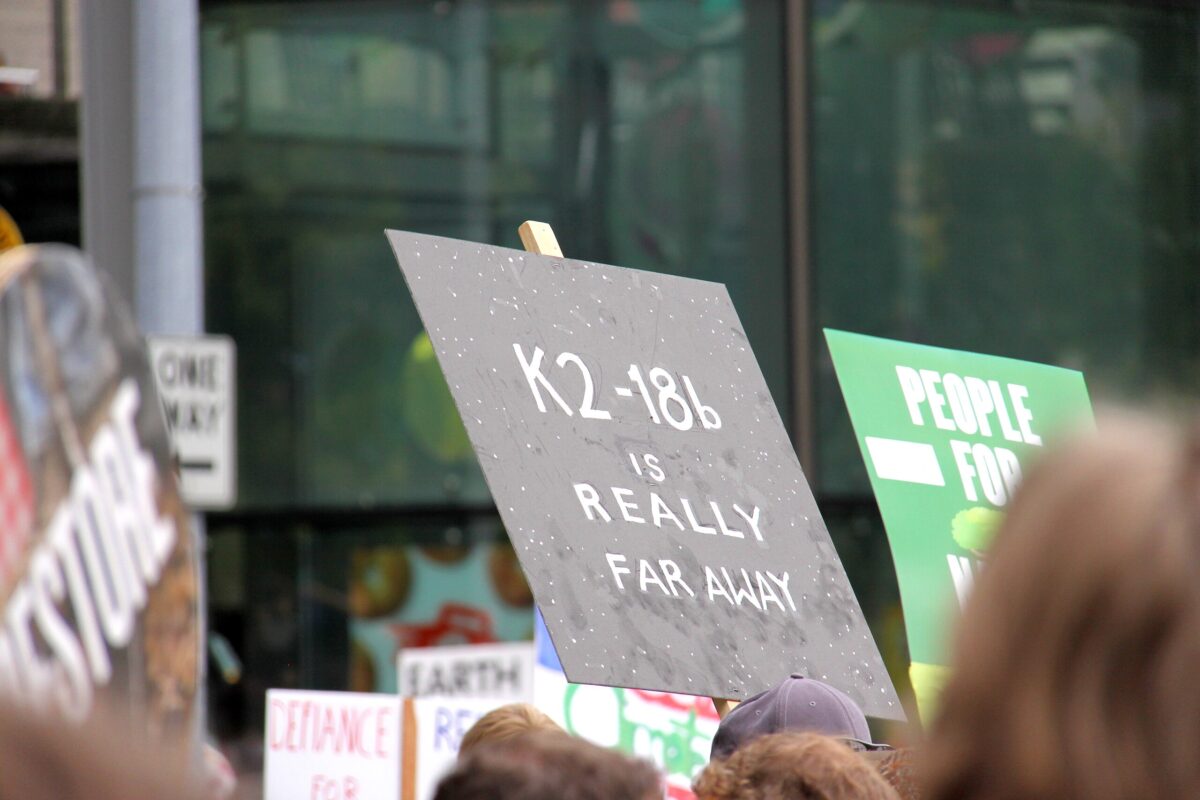
K2-18b_is_really_far_away_(48767211447) Type post Author Denyse O’Leary Date April 27, 2025 CategoriesEvolutionIntelligent DesignPlanetology Tagged , Ars Technica, BBC News, cabbage, Casey Luskin, Charles Darwin, Evolution News, exoplanets, extraterrestrials, Francis Crick, genes, Gizmodo, Human Genome Project, James Webb Space Telescope, K2-18b, Matt Ridley, mouse, Nicolaus Copernicus, Open University, The Guardian, Wesley J. Smith, ZME Science To Do His Real Job, ET Doesn’t Need to Exist Denyse O’Leary April 27, 2025 Evolution, Intelligent Design, Planetology 6 The only possible conclusion to draw is this: What gives humans importance is not found in our genes. Read More ›
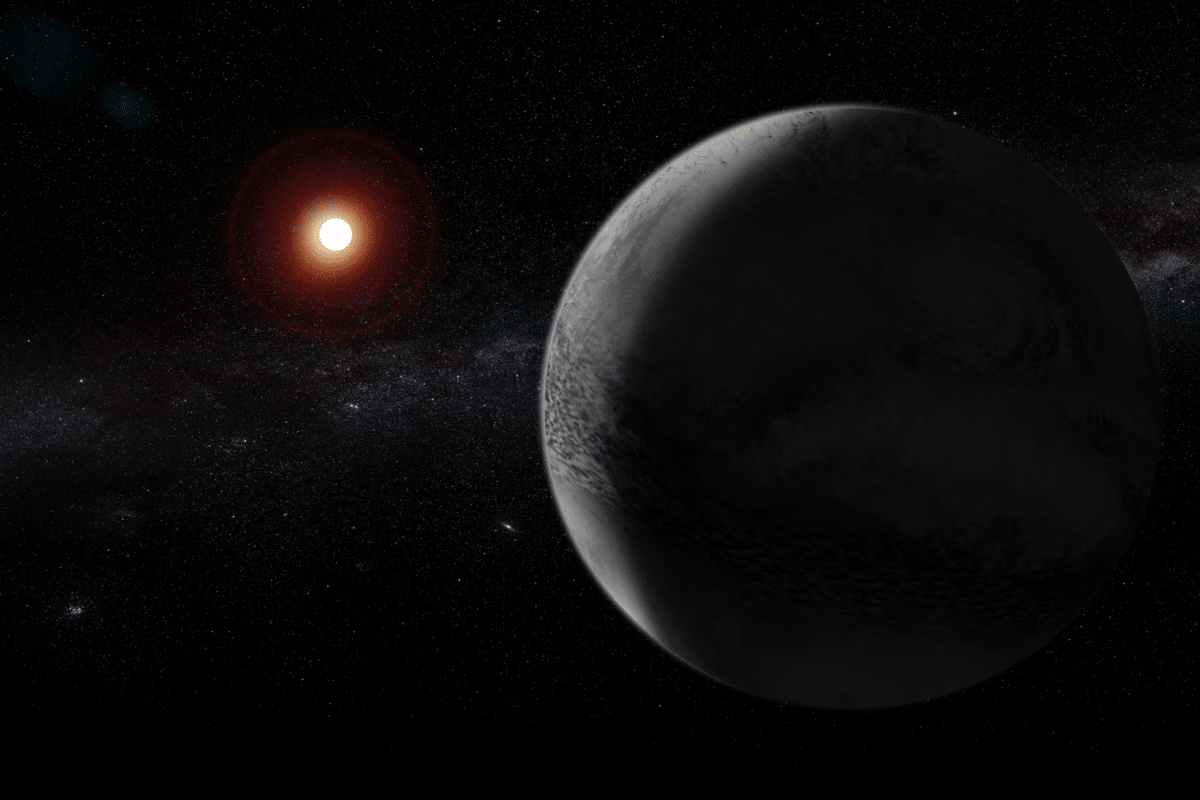
Exo-Planet_K2-18_b Type post Author Casey Luskin Date April 19, 2025 CategoriesIntelligent DesignPlanetologyScience Reporting Tagged , astronomers, atmosphere, BBC News, Big Think, biosignature, CNN, earth, exoplanets, fact check, K2-18b, magma, Neptune, New York Times, Science (journal), solar system Fact Check: Did Scientists Really Detect Evidence of Life on Exoplanet K2-18b? Casey Luskin April 19, 2025 Intelligent Design, Planetology, Science Reporting 14 The molecule is dimethyl sulfide (DMS) or dimethyl disulfide (DMDS), and on Earth its sole known source is life (specifically, marine phytoplankton algae). Read More ›