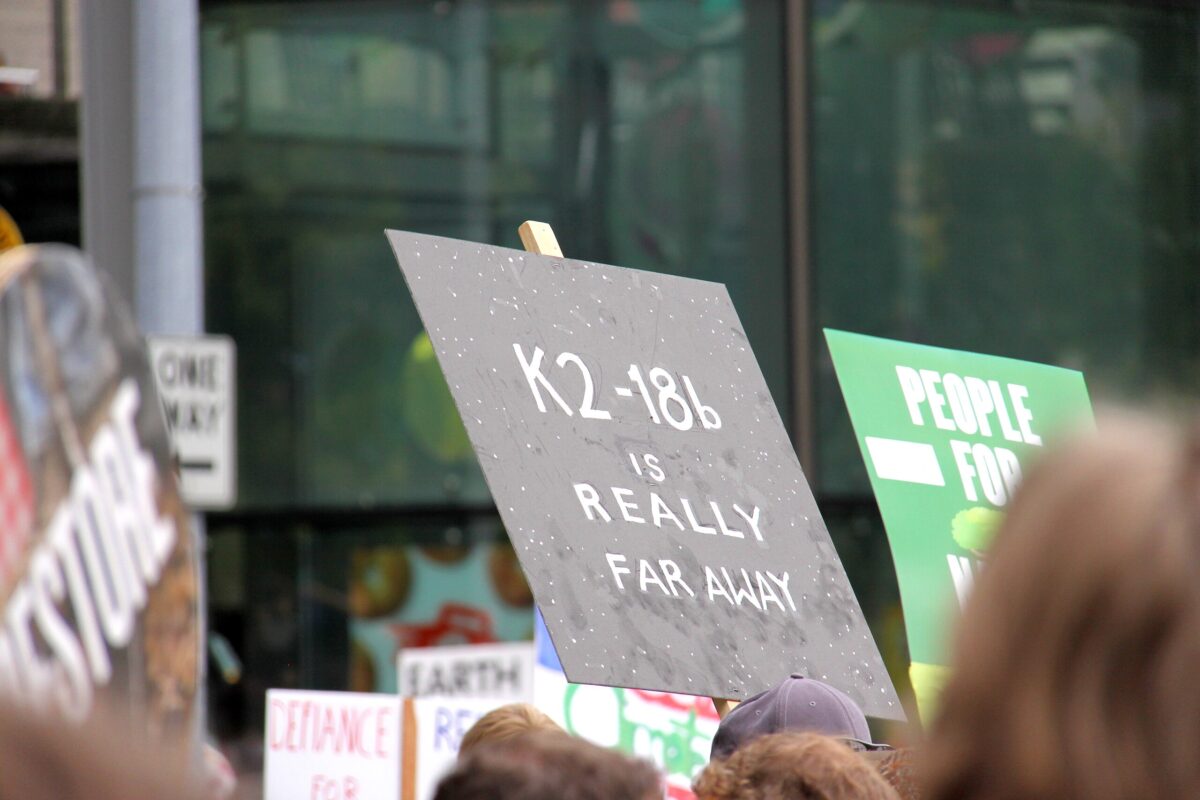
K2-18b_is_really_far_away_(48767211447) Type post Author Denyse O’Leary Date April 27, 2025 CategoriesEvolutionIntelligent DesignPlanetology Tagged , Ars Technica, BBC News, cabbage, Casey Luskin, Charles Darwin, Evolution News, exoplanets, extraterrestrials, Francis Crick, genes, Gizmodo, Human Genome Project, James Webb Space Telescope, K2-18b, Matt Ridley, mouse, Nicolaus Copernicus, Open University, The Guardian, Wesley J. Smith, ZME Science To Do His Real Job, ET Doesn’t Need to Exist Denyse O’Leary April 27, 2025 Evolution, Intelligent Design, Planetology 6 The only possible conclusion to draw is this: What gives humans importance is not found in our genes. Read More ›
hubble-m72-potw2516a Type post Author Wesley J. Smith Date April 25, 2025 CategoriesEvolutionIntelligent DesignPlanetology Tagged , cabbage, Charles Darwin, civilizations, earth, evolution, extraterrestrial life, Francis Crick, genes, history, human beings, human exceptionalism, Human Genome Project, intelligent design, life, machinery, Matt Ridley, music, natural selection, Nicolaus Copernicus, planets, sun Extraterrestrial Life Would Demonstrate Human Exceptionalism Wesley J. Smith April 25, 2025 Evolution, Intelligent Design, Planetology 3 I hope we do find life elsewhere. It would be another step in our advancement as a species. Read More ›
Epikouros_BM_1843 Type post Author Neil Thomas Date December 23, 2024 CategoriesEvolutionFaith & Science Tagged , American Revolution, Aristotle, Charles Darwin, Cicero, Darwinism, Empedocles, Epicurus, Erasmus Darwin, faith and science, Friedrich Engels, Galen, Lucretius, Matt Ridley, natural selection, Plato, Taking Leave of Darwin, Thomas Aquinas, Thomas Malthus Three Thousand Years of Darwinism Neil Thomas December 23, 2024 Evolution, Faith & Science 13 I began to suspect that Darwinism was being taught at school in a somewhat philosophically decontextualized way, lacking historical background. Read More ›
American-Association-for-the-Advancement-of-Science Type post Author Denyse O’Leary Date August 21, 2023 CategoriesScience ReportingScientific Trustworthiness Tagged , A Brief History of Time, cars, Charles Sanders Peirce, consciousness, epistemology, immaterial reality, John Dewey, John Horgan, Matt Ridley, Nautilus, Philip Ball, science writers, scientism, Stanford University, The End of Science For a Change, Science Writers Think Critically About Science Denyse O’Leary August 21, 2023 Science Reporting, Scientific Trustworthiness 6 They can be quite interesting when they allow themselves to play around with ideas a bit. Read More ›
March for Science Type post Author Denyse O’Leary Date August 13, 2023 CategoriesMathematicsMedicineNeuroscience & Mind Tagged , Adam Marcus, COVID-19, honesty, John Ioannidis, Matt Ridley, neuroscientists, Retraction Watch, science, Stanford University, The Guardian Science Is Self-Correcting? Time for a Reality Check Denyse O’Leary August 13, 2023 Mathematics, Medicine, Neuroscience & Mind 5 In the wake of the Stanford scandal, the reasons why science often ISN’T self-correcting are attracting much more attention. Read More ›
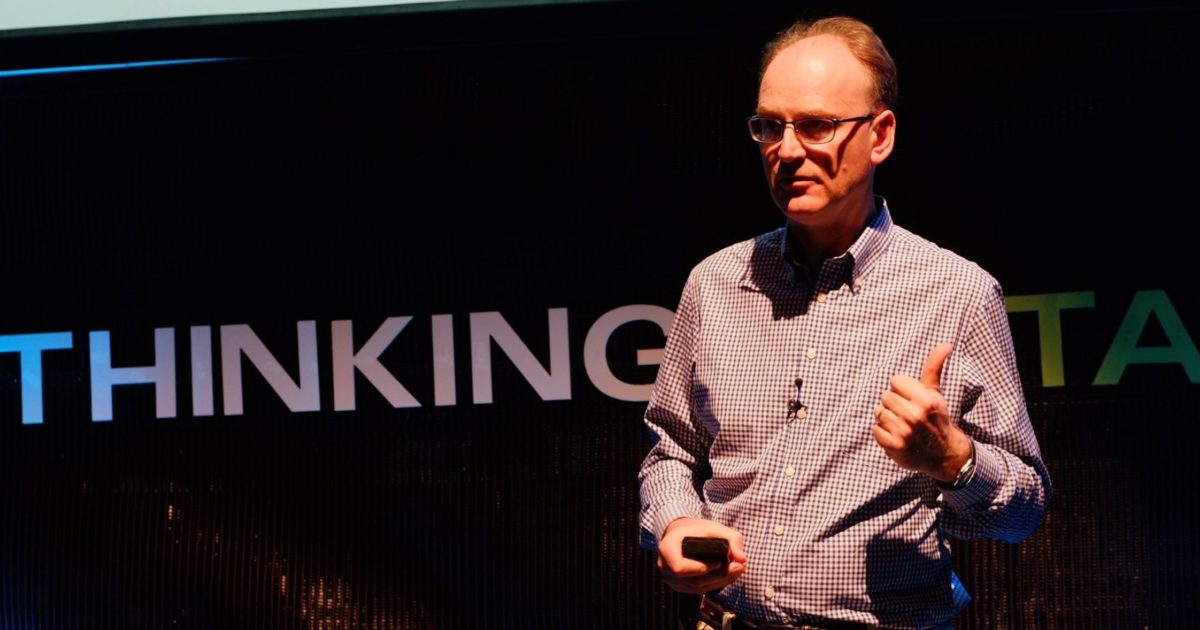
Matt Ridley Type post Author David Klinghoffer Date July 28, 2021 CategoriesIntelligent DesignPhilosophyScientific Freedom Tagged , academia, academic freedom, conformity, Darwinists, evolutionary theory, Free Science, free speech, government, intelligent design, mainstream media, Matt Ridley, pandemic, Richard Feynman, science, scientists, scientocracy, values, Wall Street Journal, worldview From Matt Ridley, Smart Remarks on Scientocracy — and a Howling Irony David Klinghoffer July 28, 2021 Intelligent Design, Philosophy, Scientific Freedom 4 No one in the intelligent design research community could have said this with greater punch. Read More ›