
Science and Culture Today Discovering Design in Nature
Topic

honesty

a-glimpse-into-a-scientists-mind-through-chalk-drawings-stoc-1282277572-stockpack-adobe_stock
A Glimpse into a Scientist's Mind Through Chalk Drawings
Image credit: Pinit - Adobe Stock

Why Scientists Lie

One thing that will really help the discussion, going forward, is to quit blaming the public for not trusting science. Read More ›
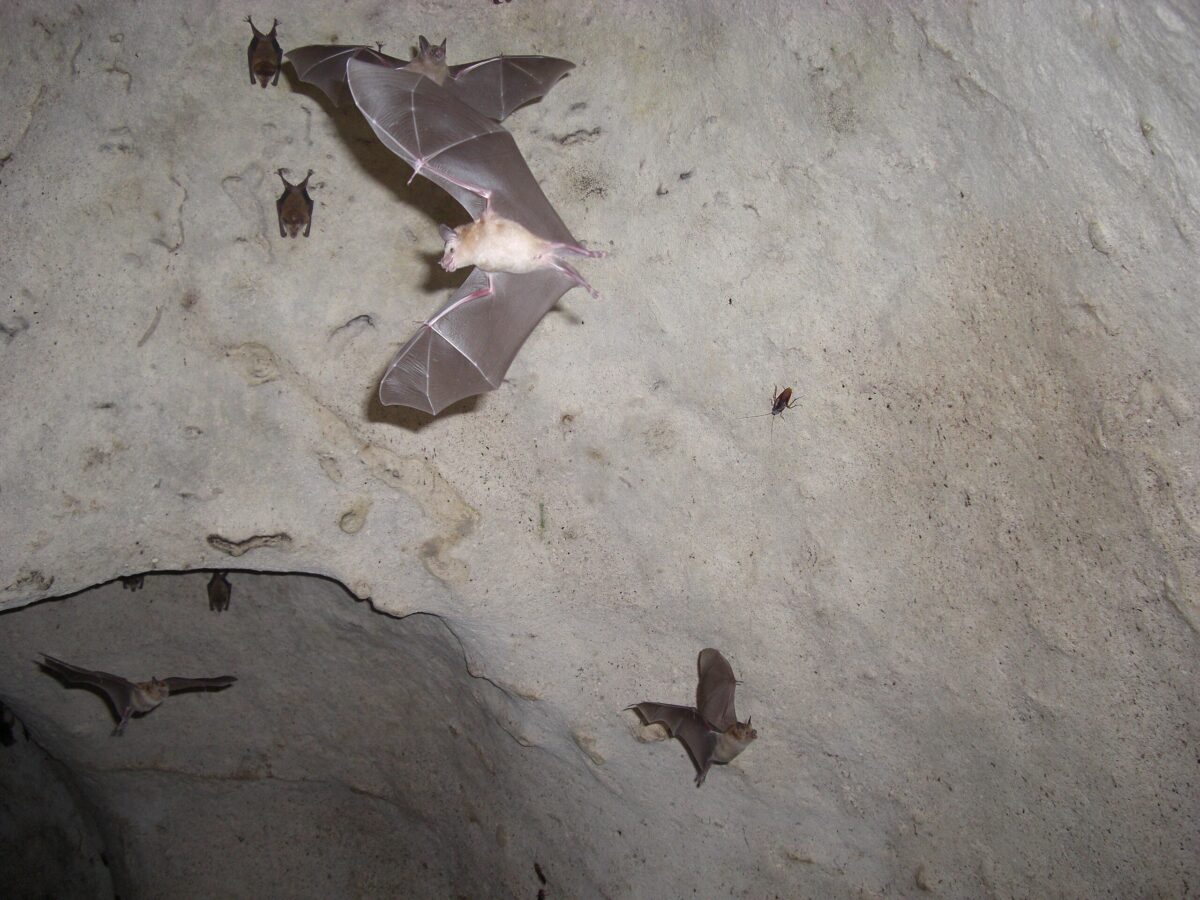
WildBatsinNassauTheBahamas
Photo credit: Jesper Jurcenoks, CC BY-SA 4.0 <https://creativecommons.org/licenses/by-sa/4.0>, via Wikimedia Commons.

Dan Stern Cardinale: Comparative Biology, Invincible Ignorance
Stern Cardinale loses it at the point where I note that Darwin-boosters go mute when asked how complex traits evolve (such as, say, those of bats or whales). Read More ›
DNA
Photo credit: Sangharsh Lohakare via Unsplash.

Atheist Philosopher Explains Why Intelligent Design Is Not a “God of the Gaps” Argument
Despite our many disagreements, I sincerely appreciate Lowder’s spirit and intellectual honesty. I hope the next generation of secular thinkers follow his lead. Read More ›
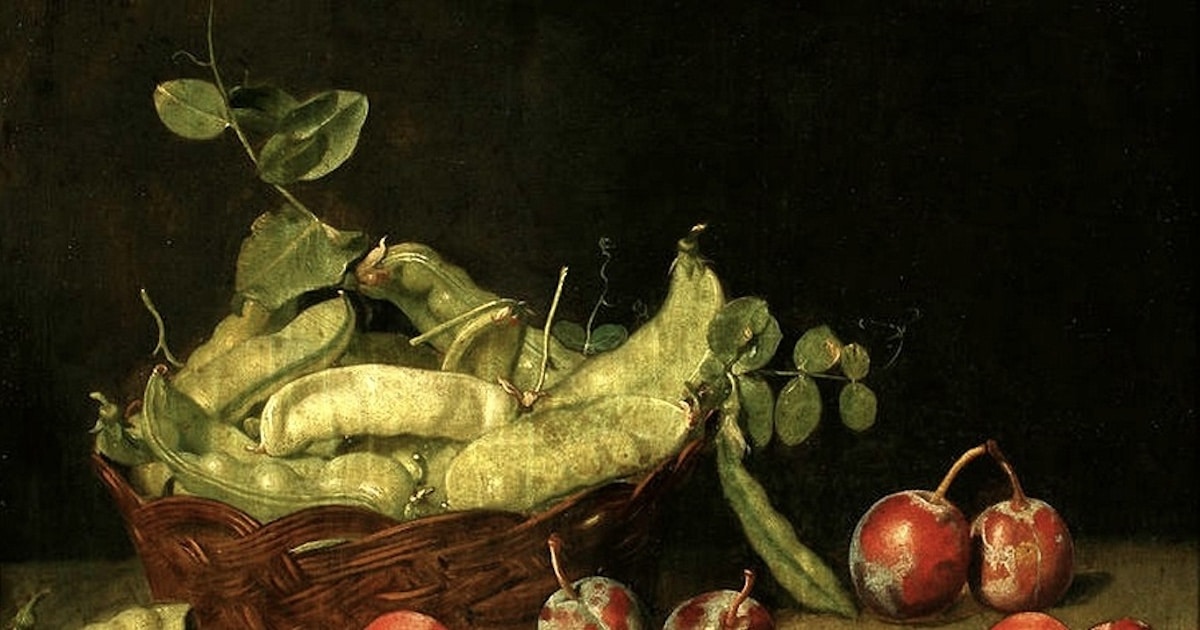
peas
Image credit: Mateusz Tokarski, 1795, via Wikimedia Commons.

Mendel’s Peas and More: Inferring Data Falsification in Science

What keeps scientific fraud in check is our ability to detect it, and it’s the design inference that does the detecting.  Read More ›
March for Science
Photo: Bill Nye and the March for Science, by Paul and Cathy / CC BY (https://creativecommons.org/licenses/by/2.0).

Science Is Self-Correcting? Time for a Reality Check
In the wake of the Stanford scandal, the reasons why science often ISN’T self-correcting are attracting much more attention. Read More ›
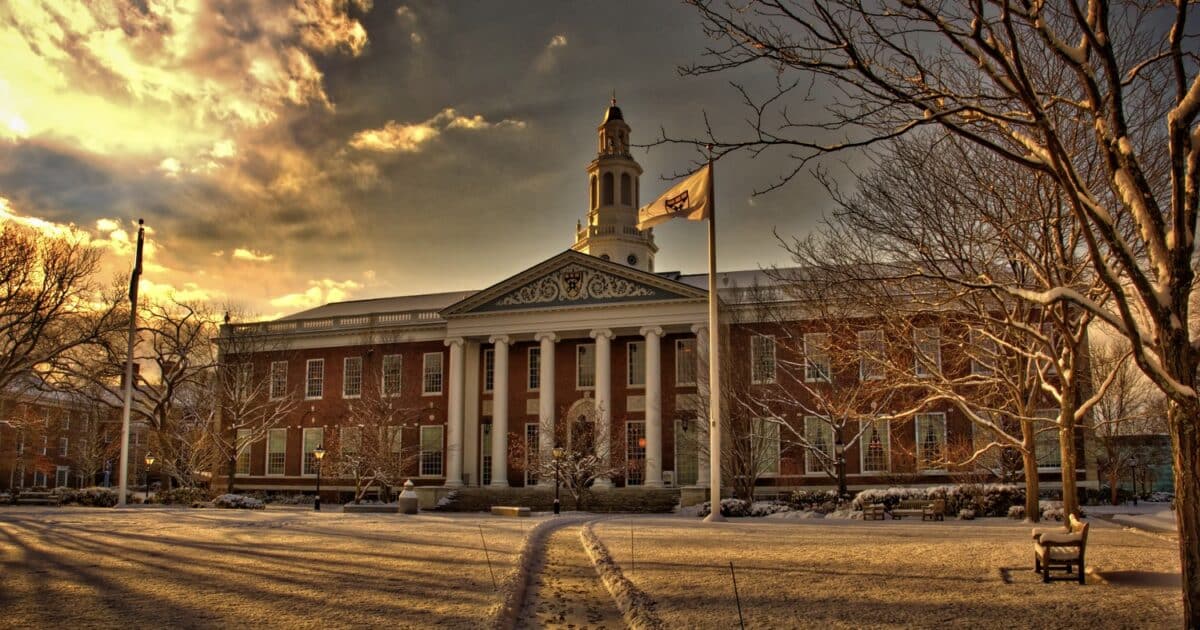
Harvard Business School
Photo: Harvard Business School, by Rexxon00, CC BY-SA 3.0 <https://creativecommons.org/licenses/by-sa/3.0>, via Wikimedia Commons.

Is There a Boom in Research Dishonesty?
Or do some academics just feel sure they won’t get caught? Or that, if they do, it somehow doesn’t matter? Read More ›
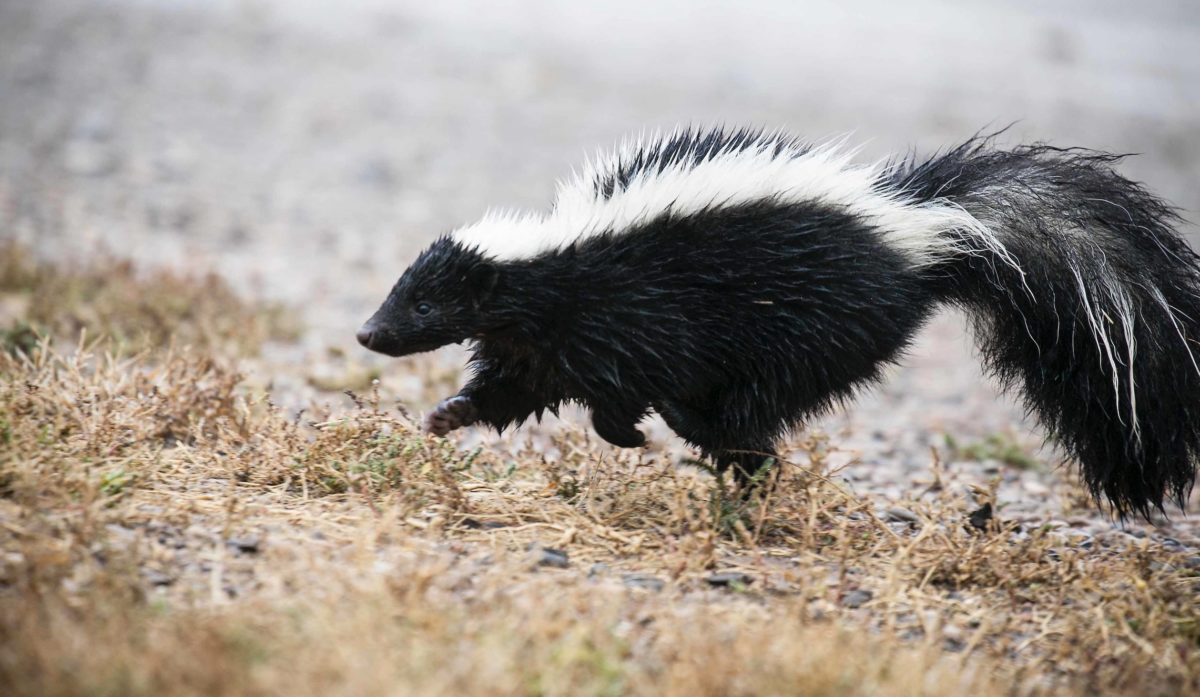
skunk
Photo: Striped skunk, by USFWS Mountain-Prairie, via Flickr (cropped).

Awesome Recovery for Atheist Lawrence Krauss

Krauss of all people is now lecturing us about the importance of…decency, goodness, honesty, honor, and purity. Read More ›
view_NPS_DavydBetchkal 2

Theistic Evolution and the Moral High Ground

C. John Collins points out that Venema’s use of “language evolution” is a poor analogy for (his form of) biological evolution. Read More ›
concept-of-substance-addiction-the-struggle-and-journey-of-i-568074095-stockpack-adobestock
Concept of substance addiction. The struggle and journey of individuals affected by the condition. Ai Generated.
Image Credit: ankreative - Adobe Stock

How a Scientific Field Can Collapse: The Case of Psychiatry

Psychiatry is in crisis. Leading journals are questioning its validity as a science. Yet some of the same criticisms could be leveled against Darwinism. Read More ›
a-gavel-scales-of-justice-and-a-microscope-on-documents-symb-1088065321-stockpack-adobestock
A gavel, scales of justice, and a microscope on documents, symbolizing law and science.
Image Credit: DeepView - Adobe Stock

Will Robert Pennock Become the Next Michael Ruse?

If you’ll give me the Mic, I won’t Rob much of your time while Penning this short Ruse. In the Dover trial, Robert Pennock is the Plaintiffs’ expert on the philosophy of science, and Pennock pushed hard for a definition of science which is essentially “methodological naturalism.” This is eerily similar to the 1982 case, McLean v. Arkansas Board of Education, 529 F.Supp. 1255 (E.D. Ark) over the teaching of young earth creationism, where Darwinist Philosopher of Science Michael Ruse testified that science was defined as follows: Ruse’s definition incorporates the precise methodological naturalism advocated by Pennock in Ruse’s requirements (1) and (2). Ruse’s definition was also subsequently accepted by Judge Overton and etched into Eastern Arkansas law. But we Read More ›

© Discovery Institute