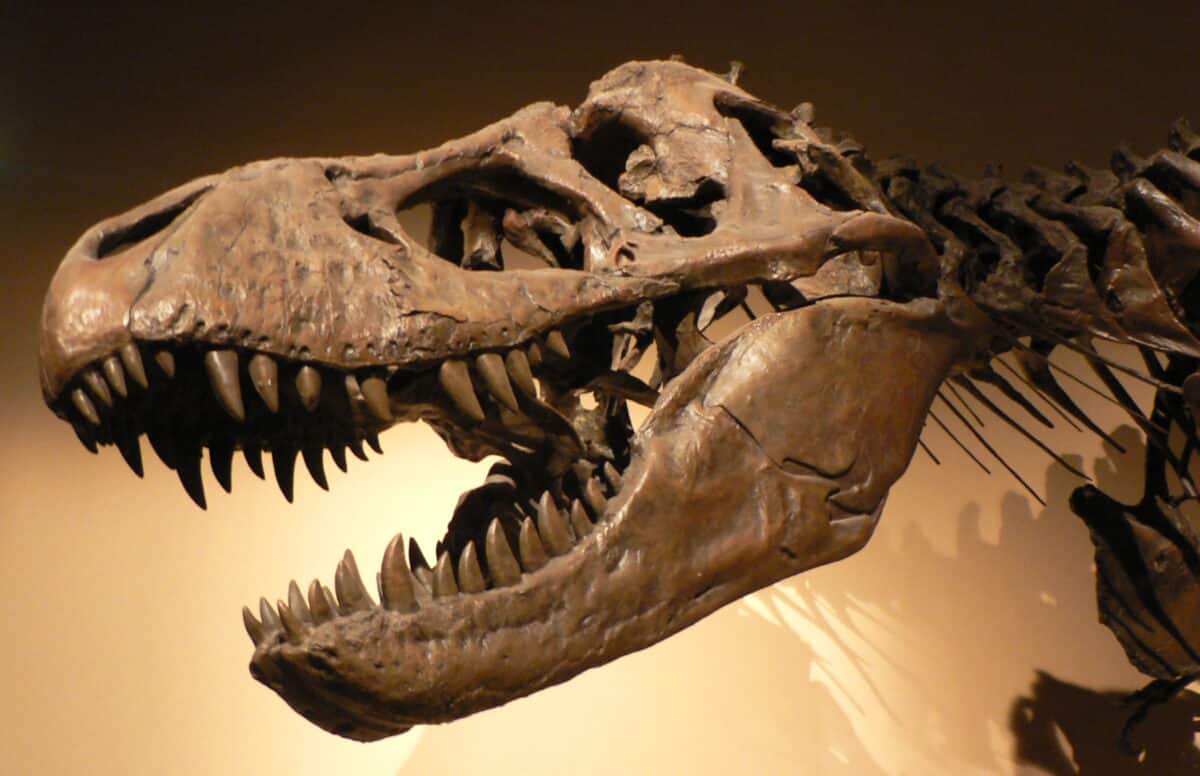
PalaisdelaDecouverteTyrannosaurusrexp1050042 Type post Author David Coppedge Date September 5, 2025 CategoriesGeologyIntelligent Design Tagged , Australia, bacteria, bone, calcium, collagen, dinosaurs, food, fungi, geology, Howard Glicksman, magma, Michael Denton, microbes, minerals, phosphorus, Privileged Species, Quartz, Secrets of the Human Body, sharks, teeth, Tyrannosaurus rex How We Bite with Apatite: The Wonders of a Hard Mineral David Coppedge September 5, 2025 Geology, Intelligent Design 11 Explore the features of a remarkable mineral erupted from volcanoes that is found in our teeth. How did it get there? Read More ›
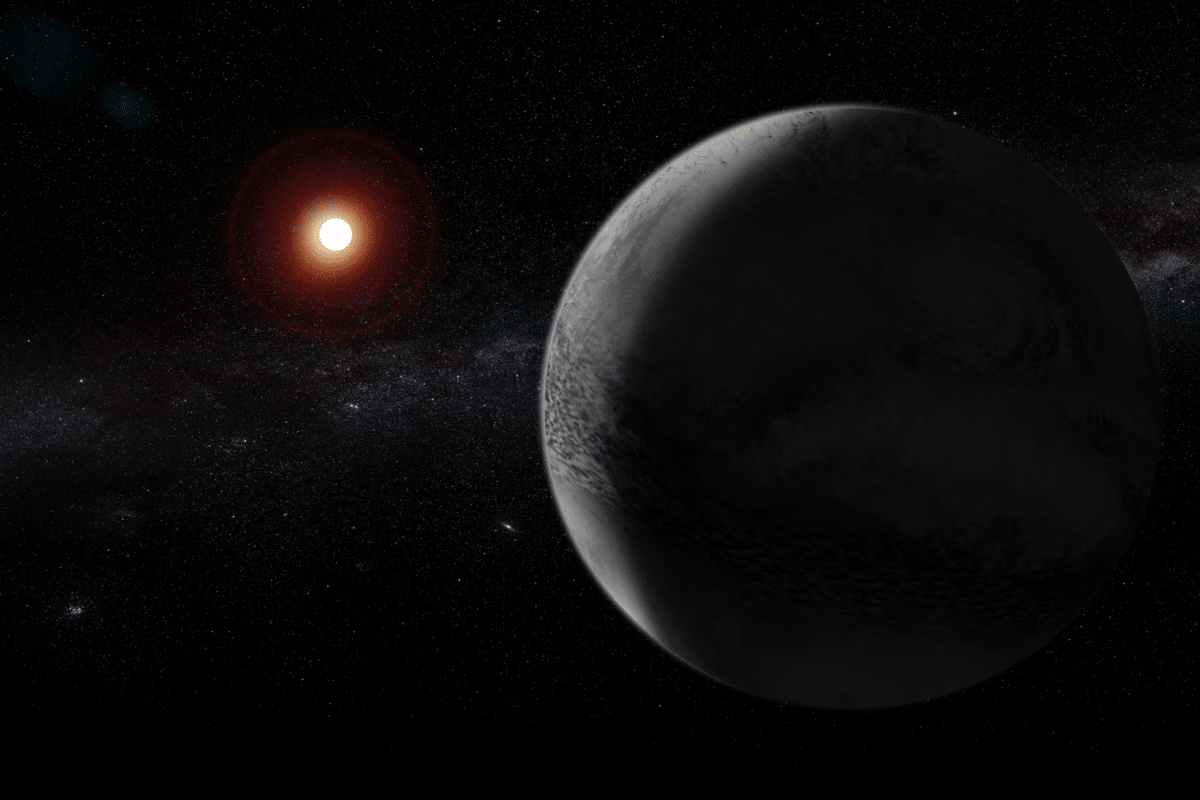
Exo-Planet_K2-18_b Type post Author Casey Luskin Date April 19, 2025 CategoriesIntelligent DesignPlanetologyScience Reporting Tagged , astronomers, atmosphere, BBC News, Big Think, biosignature, CNN, earth, exoplanets, fact check, K2-18b, magma, Neptune, New York Times, Science (journal), solar system Fact Check: Did Scientists Really Detect Evidence of Life on Exoplanet K2-18b? Casey Luskin April 19, 2025 Intelligent Design, Planetology, Science Reporting 14 The molecule is dimethyl sulfide (DMS) or dimethyl disulfide (DMDS), and on Earth its sole known source is life (specifically, marine phytoplankton algae). Read More ›