Boethiusinitialconsolationphilosophy Type post Author Kyle Dillon Date July 23, 2026 CategoriesFaith & ScienceIntelligent Design Tagged , adaequatio intellectus ad pulchrum, aesthetic judgments, Anthony O’Hear, beauty, Boethius, C. S. Lewis, chemistry, classical Christian education, Douglas fir trees, education, evergreen forests, Fibonacci sequence, Johannes Kepler, John Frame, Junius Johnson, Kevin Clark, natural philosophy, old books, On the Incarnation, Pacific Northwest, physics, prayer, Ravi Jain, remembering, Roman philosophers, Science and Beauty (series), St. Athanasius, stem, Surprised by Joy, The Father of Lights, The Liberal Arts Tradition, The Weight of Glory, Third Law of Planetary Motion, Thomas Aquinas, universe, Western redcedars Physical Beauty, Mathematical Beauty, Scientific Beauty Rev. Kyle A. Dillon July 23, 2026 Faith & Science, Intelligent Design 7 Fifteen centuries ago, when he was falsely accused of treason, exiled from his home, and awaiting his execution, Boethius consoled himself with those words. Read More ›
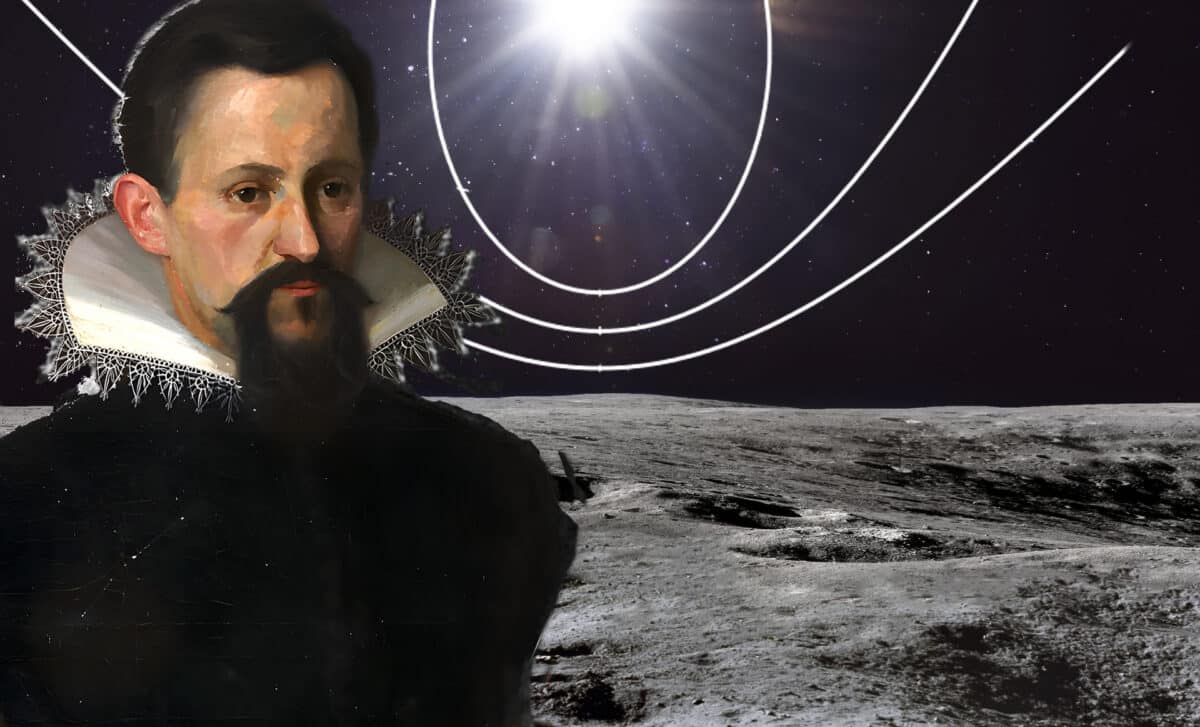
JohannesKeplerwithSunandMoonandhisellipticalorbits Type post Author Kyle Dillon Date July 21, 2026 CategoriesFaith & ScienceIntelligent Design Tagged , adaequatio intellectus ad pulchrum, adaequatio intellectus ad rem, Alvin Plantinga, Artemis II, astronomers, astronomy, beauty, Emmanuel Kant, First Law of Planetary Motion, geocentric model, Harmonice Mundi, Harmonies of the World, heliocentric model, Henri Poincaré, Holy Grail, Johannes Kepler, Justice Potter Stewart, mathematical formulas, Mortimer Adler, NASA, Nicolaus Copernicus, science, Science and Beauty (series), scientific revolution, Supreme Court, theology, Thomas Aquinas, universe, Where the Conflict Really Lies Beauty and Science: Canvas of the Great Creator Rev. Kyle A. Dillon July 21, 2026 Faith & Science, Intelligent Design 8 When Johannes Kepler discovered that his mathematical formula perfectly matched his experimental observations, he was euphoric. Read More ›